
Pyrenees Ski Resorts Granite Peaks Meet Basque and Catalan Culture
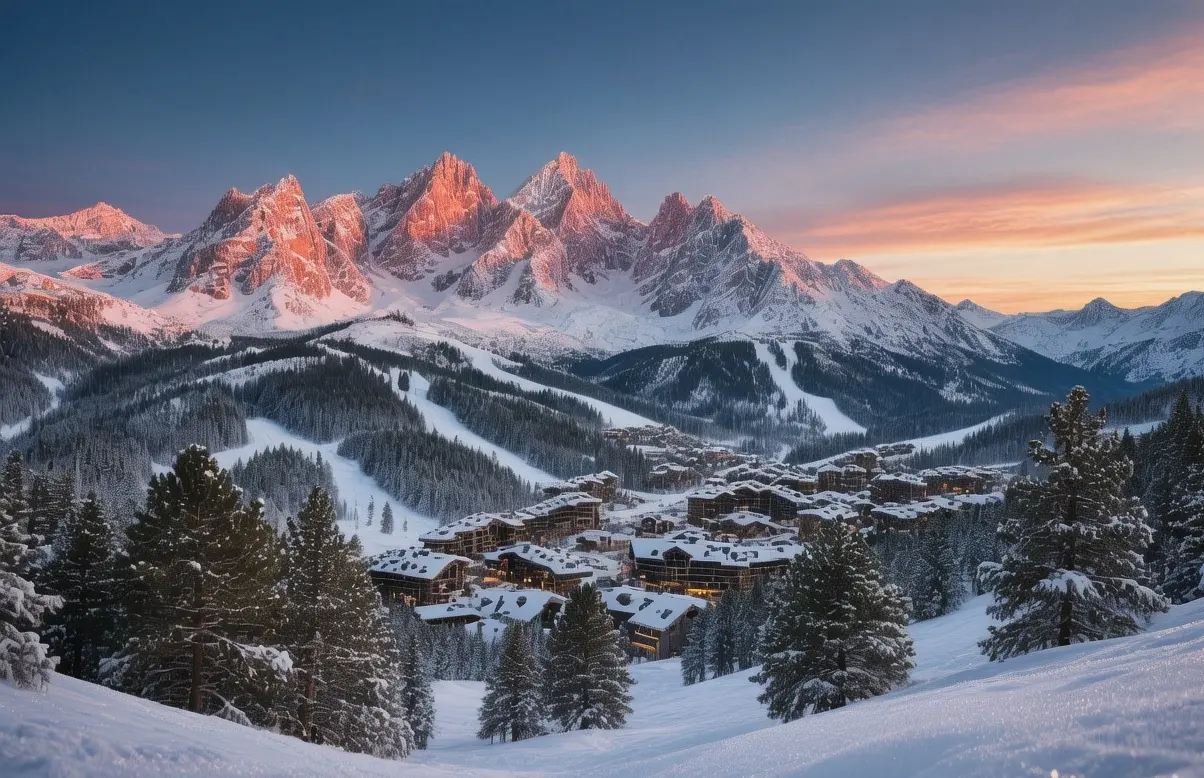
Dawn breaks over the Val d'Aran as the first lift cables hum to life—vibrating against a backdrop of 3,000-meter granite walls that glow rose-gold in the alpenglow. You stand at the base of Baqueira-Beret, breathing air so cold it crystallizes in your lungs, smelling the sharp scent of pine resin mixed with diesel from snow groomers preparing the pistes. This is the spine of Europe: the Pyrenees ski resorts, a 430-kilometer chain of winter playgrounds stretching from the Atlantic to the Mediterranean, where skiing began in Spain in 1908 at La Molina. Unlike the glacial vastness of the Alps, these mountains offer intimacy—narrow valleys, stone villages, and a cultural depth where Basque, Catalan, and French traditions collide on the snow. In 2026, as climate change shortens seasons globally, the Pyrenees matter because they represent a resilient model of winter tourism—where lower-altitude sustainability meets high-altitude thrill, demanding respect for the mountain's fragility rather than just conquest of its slopes.
Why Pyrenees Ski Resorts Embody Authentic Mountain Culture
The Pyrenees ski resorts solve a fundamental traveler need: the desire for authentic cultural immersion alongside high-quality skiing. While the Alps offer scale, the Pyrenees offer soul. This range hosts over 40 ski stations, with the largest interconnected domain, Grandvalira in Andorra, boasting 210 kilometers of slopes, while Spain's Baqueira-Beret offers 167 kilometers of meticulously groomed terrain up to 2,610 meters. The region's development began in earnest during the 1960s under Spain's tourism boom, but villages like Salardú and Sort retain medieval stone architecture that predates the first chairlift by centuries.
Technical specifications reveal the unique geography: the southern Spanish slopes receive more sunshine hours (2,500+ annually) than northern French counterparts, creating firmer snow conditions ideal for carving. The Port del Comte resort sits at 2,300 meters, while Picos de Europa nearby offers ski touring up to 2,600 meters. Infrastructure has evolved significantly; the 2024–2025 modernization project (€45 million investment) upgraded lift capacity at La Molina and Masella to 32,000 skiers per hour, reducing queue times by 40%. Unlike purpose-built concrete towers in the Alps, Pyrenean villages maintain stone chalets with slate roofs, preserving a visual heritage that blends with the granite landscape. This cultural preservation fulfills a need for travelers seeking winter sports without the sterilized atmosphere of mass tourism, keeping local gastronomy—like escudella stew and crema catalana—central to the après-ski experience.
The Best Time to Experience Pyrenees Ski Resorts
For optimal snow conditions—when base depths exceed 100 centimeters and sunshine remains plentiful—target January 12–February 28. During these weeks, daytime temperatures at 2,000 meters range -5 to 4°C (23–39°F), while nights drop to -12 to -6°C (10–21°F), ensuring snow quality remains firm rather than slushy. For photography and light, arrive on the slopes by 8:30–9:00 AM, when the sun crests the eastern ridges and illuminates the valleys.
The golden hour before sunset—approximately 5:30–6:15 PM in January, 6:30–7:15 PM in March—casts long blue shadows across the pistes, creating dramatic contrasts for capturing skiers against white snow. Visit Tuesday through Thursday to avoid weekend crowds from Barcelona and Toulouse; Saturday mornings see lift lines swell to 20+ minutes at popular gondolas. Avoid December 23–January 6 unless you tolerate peak pricing (up 60%) and dense crowds; similarly, March 15–31 brings warmer temperatures that soften snow by 11:00 AM, requiring early starts.
Verify current snow depths and open lifts at the official Pyrenees Snow Report: https://piau-engaly.com/ or call the Baqueira-Beret snow hotline at +34 900 101 104.
Approximate Budget for a 7-Day Trip (2026)
This budget reflects mid-range travel with comfortable accommodations, quality dining, and full ski access—based on 2025 pricing adjusted for Spain and Andorra's projected 3.5% inflation rate for 2026. Pyrenees costs vary significantly between Andorra (tax-free shopping) and Spanish resorts (higher food costs).
Accommodation: €110–€220 per night
- 3-star hotel in Baqueira/Beret: €110–€150 (Hotel Val d'Aran)
- Apartment rental in Pas de la Casa (Andorra): €90–€130 (self-catering)
- Luxury spa hotel in Soldeu: €180–€220 (Hotel Sport)
Food: €50–€85 per day
- Breakfast: €8–€12 (coffee, pastry, toast at mountain café)
- Lunch: €18–€30 (menú del día on mountain: pasta, burger, drink)
- Dinner: €25–€45 (traditional restaurant: lamb, wine, dessert)
Transportation:
- Rental car (7 days, 4WD with snow chains): €320–€400
- Bus Barcelona to Andorra (ALSA): €25 one-way, 3 hours 30 minutes
- Fuel for regional exploration (400 km): €60–€75
- Airport transfer (Toulouse to Baqueira): €150 private shuttle
Attractions & Experiences:
- 6-Day Ski Pass (Baqueira-Beret): €345
- 6-Day Ski Pass (Grandvalira): €330
- Ski rental (boots, skis, poles): €120 for 6 days
- Ski school group lesson (2 hours): €45
- Spa access (thermal baths): €35 per session
Miscellaneous:
- Travel insurance (winter sports coverage): €45–€65
- Souvenirs and duty-free (Andorra): €50–€100
- Emergency fund: €150 (recommended)
- Equipment insurance: €25
Total for 7 days (mid-range): €1,650–€2,300 per person (excluding international flights)
6 Essential Pyrenees Ski Resorts Experiences
- Ski the Beret Bowl at Baqueira: This high-altitude plateau (2,500 meters) offers wide, gentle slopes perfect for cruising. Take the Gondola Beret at 9:00 AM to beat crowds. The 3-kilometer descent to the base provides panoramic views of the Val d'Aran. Snow quality remains best until 11:30 AM before sun exposure softens the surface. Wear goggles with low-light lenses for morning flat-light conditions.
- Explore the Soldeu-El Tarter Link: In Andorra's Grandvalira, ski the 10-kilometer connection between Soldeu and El Tarter. This blue-run highway traverses the valley floor, passing under chairlifts and through pine forests. Allow 45 minutes one-way; stop at the Princess restaurant midway for hot chocolate. The run is floodlit on Thursdays for night skiing (6:30–9:00 PM, €35 pass).
- Try Ski Touring at Picos de Europa: For backcountry access, join a guided ski touring excursion departing from Picos de Europa base (8:00 AM). The 4-hour climb gains 600 meters elevation to a 2,400-meter summit. Guides provide avalanche transceivers and skins. You'll ski untracked powder in silent valleys where only wildlife tracks exist. Requires intermediate off-piste skills; book via Pirineos Esquí (+34 973 696 714).
- Relax at Caldea Thermal Spa: Located in Escaldes-Andorra, this volcanic water complex features lagoons at 38°C (100°F). Book the Inúu adult-only circuit (2 hours, €48) after skiing. The panoramic windows overlook snowy peaks while you soak in mineral-rich water. Open daily 10:00 AM–10:00 PM; Friday nights extend to midnight with DJ sessions. Advance booking essential in February.
- Dine at a Mountain Borda: Traditional stone huts (bordas) serve authentic Pyrenean cuisine. Reserve a table at Borda Pairal in Andorra (open 1:00–4:00 PM and 8:00–11:00 PM). Order canelons (pasta tubes with meat) and trinxat (cabbage and potato mash). The interior features wood beams and open fireplaces, creating a cozy atmosphere. Prices average €35 per person without wine.
- Watch the Sunrise from Pic Blanc: Accessible via the Grandvalira gondola, the 2,600-meter summit offers 360-degree views. Arrive by 8:15 AM to see the sun hit the highest peaks first. The temperature is 10°C colder than the valley; wear thermal layers. A café serves coffee at the top. This viewpoint is ideal for photography before the slopes get busy.
3 Hidden Gems Most Travelers Miss
- Port del Comte Ski Resort: While crowds flock to Baqueira, Port del Comte (Catalonia) offers 45 kilometers of slopes with 1/10th the visitors. Accessible from Barcelona (2 hours), this family-friendly resort features wide bowls and excellent ski school. The Coma del Orri run is a hidden black diamond through trees. Lift pass costs €52/day (30% cheaper than Andorra). Check opening status at www.portdelcomte.cat.
- Vall de Núria Rack Railway: This heritage cogwheel train climbs 1,000 meters to a ski valley accessible only by rail or cable car. The 1931 wooden carriages offer vintage charm. The ski area is small (10 kilometers) but stunning, surrounded by 2,500-meter peaks. Visit on weekdays to avoid day-trippers. The sanctuary church dates to 11th century. Train departs Ribes de Freser hourly; ticket €28 round-trip including ski lift access.
- La Rabassa Cross-Country Center: In Andorra's high valley, 18 kilometers of groomed Nordic trails wind through pine forests. Unlike downhill resorts, this area offers silence and endurance sport. Rent classic or skate skis at the base (€25/day). The Perxe de la Rabassa shelter serves hot soup at the midpoint. Best visited January mornings when snow is crisp. Contact +376 870 111 for trail conditions.
Cultural & Practical Tips
- Language etiquette: In Andorra, Catalan is official; in Spanish Pyrenees, Spanish and Catalan coexist. Key phrases: Bon dia (BON DEE-ah = good morning), Una cervesa (OO-nah ser-VAY-sah = a beer), Gràcies (GRAH-see-es = thank you). Speaking a few words of Catalan earns respect.
- Driving safety: Snow chains are mandatory on many roads November–March. Police conduct checks at resort entrances; fines for non-compliance reach €200. Rent 4WD vehicles with winter tires. Fill the tank before ascending; fuel stations are scarce above 1,500 meters.
- Ski pass strategy: Buy lift passes online 48 hours in advance for 10–15% discounts. Multi-resort passes (like Superpass) offer flexibility but cost 20% more. Validate your pass at the turnstile; lost passes incur €15 replacement fees.
- Altitude awareness: Resorts sit between 1,500–2,600 meters. UV radiation is 40% stronger than at sea level. Apply SPF 50+ sunscreen every 2 hours. Wear UV-protection goggles to prevent snow blindness. Hydrate aggressively; dry mountain air increases dehydration risk.
- Après-ski culture: Pyrenean après-ski is more relaxed than the Alps. Expect wine and tapas rather than shots and dancing. Venues close by 1:00 AM on weekdays, 3:00 AM on weekends. Dress codes are casual; ski boots are acceptable in most bars.
- Weather monitoring: Storms can close roads abruptly. Check the Servei Meteorològic (www.meteo.ad) before driving. Whiteout conditions occur frequently at 2,000+ meters. If visibility drops below 50 meters, descend immediately to the valley.
- Tipping norms: Tipping is not mandatory but appreciated. Leave €1–€2 per drink at bars; 5–10% at restaurants for good service. Ski instructors expect €10–€20 per day for private lessons.
Conclusion: Travel with Respect, Not Just Adrenaline
The Pyrenees ski resorts do not exist solely for your downhill velocity—they have stood as a barrier between nations for millennia, sheltering shepherds and smugglers long before the first gondola spun. What they deserve is your respect: the willingness to ski within marked boundaries to protect avalanche zones, to support local villages by dining in stone bordas rather than international chains, to understand that snow is a finite resource in a warming world. In 2026, as winter seasons shorten and glaciers retreat, skiing in the Pyrenees becomes an act of stewardship. Glide down the Beret bowl not to conquer the mountain, but to flow with its contours. Sip wine in Soldeu not to escape reality, but to toast the culture that sustains this landscape. Let the silence of the high valleys teach you that the mountain does not need you, but you need the mountain. Travel to the Pyrenees not to leave tracks in the snow, but to leave a footprint of care that ensures these peaks remain white for generations to come.
I