
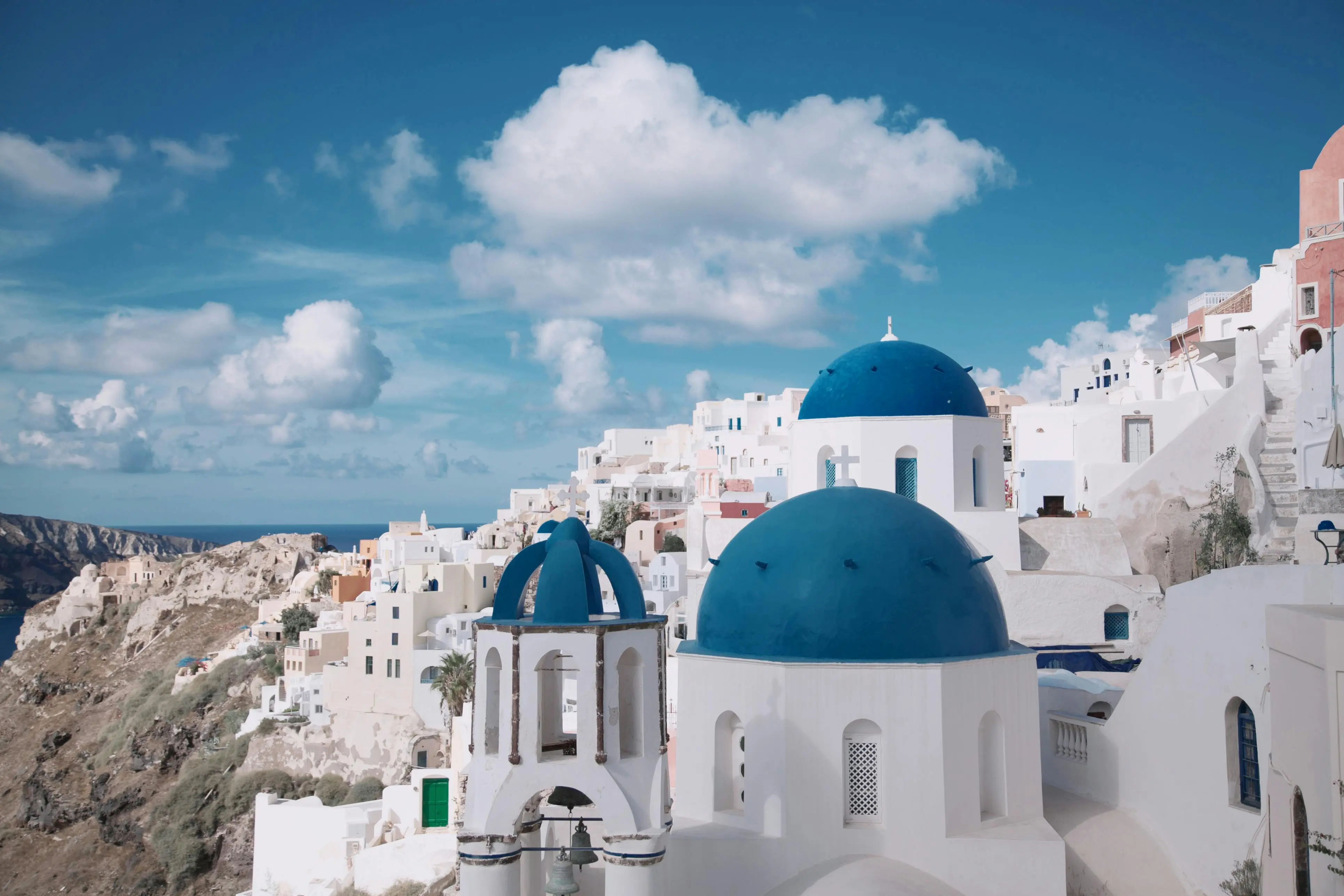
Cadaqués Whitewashed Village Mediterranean Light Meets Surrealist Art
Golden hour breaks over the Cap de Creus peninsula as the sun dips below the horizon—painting the slate roofs and lime-washed walls in shades of apricot and rose while the Mediterranean laps against the stone harbor. You stand on the Passeig Marítim, breathing air scented with salt and pine resin, listening to the gentle clatter of shutters closing against the evening breeze. This is the Cadaqués whitewashed village, a secluded enclave at the easternmost point of the Iberian Peninsula, isolated by rugged mountains until a paved road finally arrived in 1966. For centuries, this isolation preserved a unique architectural vernacular: cubic houses stacked like sugar cubes, narrow cobblestone streets barely wide enough for a donkey, and a light so intense it drew Salvador Dalí in 1929. In 2026, as overtourism threatens coastal towns across Europe, Cadaqués matters because it remains a testament to slow living—where art, history, and landscape converge without sacrificing authenticity for convenience.
Why Cadaqués Whitewashed Village Embodies Artistic Sanctuary
The Cadaqués whitewashed village solves a fundamental human need: the desire for a place where creativity can flourish away from the noise of the modern world. This architectural gem emerged from necessity rather than design; fishermen built homes using locally quarried slate and lime whitewash to reflect the harsh summer sun and withstand the salty Tramuntana winds. The village's layout, unchanged since the 17th century, features streets averaging just 2.5 meters wide, creating a labyrinthine network that discourages through traffic and preserves pedestrian intimacy. Historically, Cadaqués served as a critical fishing port, with over 200 boats registered in 1900, but its true cultural significance bloomed when the Surrealist movement arrived.
Salvador Dalí discovered Cadaqués in 1929, purchasing a fisherman's hut in Portlligat Bay in 1930 that he expanded into a labyrinthine home over 40 years. The village became a hub for artists like Marcel Duchamp, Man Ray, and Federico García Lorca, who sought refuge in its stark beauty. The architecture itself supports this legacy: flat roofs designed for drying fish evolved into terraces for viewing sunsets; thick stone walls (measuring 60–80 centimeters) provide natural insulation, keeping interiors cool in summer and warm in winter. Today, the Patronat Municipal de Cultura protects 142 historic facades from alteration, ensuring that new construction mimics the traditional cubic aesthetic. This preservation fulfills a need for travelers seeking authenticity; in 2026, amidst homogenized resort towns, Cadaqués stands as a protected sanctuary where the past is not a museum exhibit but a living, breathing environment.
The Best Time to Experience Cadaqués Whitewashed Village
For optimal conditions—when the Mediterranean is warm enough for swimming but summer crowds have not yet congested the narrow streets—target May 20–June 25 or September 10–October 15. During these windows, daytime temperatures range 20–26°C (68–79°F), while evenings cool to 14–18°C (57–64°F), perfect for seaside dining without heavy jackets. For photography and atmosphere, arrive at the harbor by 7:30–8:30 AM, when the light is soft and fishing boats return with the catch.
The golden hour before sunset—approximately 8:45–9:45 PM in June, 7:15–8:15 PM in September—casts dramatic shadows across the white facades, creating ideal conditions for capturing the contrast between lime-wash and slate. Visit Tuesday through Thursday to avoid weekend day-trippers from Barcelona and Girona; Saturday afternoons see visitor numbers swell to 5,000+ people, creating bottlenecks on Carrer de la Palma. Avoid August 1–20 unless you tolerate temperatures exceeding 30°C (86°F) and peak pricing (up 60%); similarly, avoid November through March when many restaurants and shops close for the low season.
Verify current events and accommodation availability at the official Cadaqués Tourism website: www.cadaques.cat or call the Tourist Office at +34 972 258 320.
Approximate Budget for a 7-Day Trip (2026)
This budget reflects mid-range travel with comfortable accommodations, quality dining, and cultural experiences—based on 2025 pricing adjusted for Spain's projected 3.2% inflation rate for 2026. Cadaqués is a premium destination; costs run 20–30% higher than neighboring Costa Brava towns due to limited supply and high demand.
Accommodation: €120–€250 per night
- 3-star hotel in village center: €120–€160 (Hotel Playa Sol)
- Boutique hotel with sea view: €180–€250 (Hotel Empúries nearby)
- Rural apartment (self-catering): €140–€200 (requires 3-night minimum)
Food: €55–€90 per day
- Breakfast: €8–€12 (coffee, pastry, fresh juice at Café del Mar)
- Lunch: €20–€35 (menú del día: fresh fish, paella, or meat with wine included)
- Dinner: €30–€50 (seafood restaurant: grilled prawns, lobster rice, dessert)
Transportation:
- Rental car (7 days, compact): €280–€350 (essential for exploring Cap de Creus)
- Bus Barcelona to Roses (SARFA): €22 one-way, 2 hours 45 minutes
- Local bus Roses to Cadaqués (Line 10): €3.50 one-way, 30 minutes
- Fuel for regional exploration (300 km): €50–€60
Attractions & Experiences:
- Dalí House Museum (Portlligat): €14 (booking essential)
- Santa Maria Church entry: €3
- Cap de Creus Natural Park guided tour: €25
- Boat rental (half-day): €120
- Museum of History entry: €4
Miscellaneous:
- Local wine (Empordà DO, bottle): €12–€25
- Souvenirs and art prints: €40–€80
- Travel insurance (7 days): €35–€55
- Parking fees (daily): €15–€25
Total for 7 days (mid-range): €1,850–€2,450 per person (excluding international flights)
6 Essential Cadaqués Whitewashed Village Experiences
- Visit the Dalí House Museum: Located in Portlligat, 1.5 kilometers north of town, this was Salvador Dalí's only stable residence. Book tickets online 3 weeks ahead via salvador-dali.org; entry is timed every 20 minutes. The tour lasts 50 minutes, guiding you through the labyrinthine rooms filled with surrealist objects, including the Mae West Lips sofa and the rain Cadillac. The garden offers views of the bay that inspired countless paintings. Arrive 15 minutes early; latecomers are not admitted. Audio guides are included in the €14 entry fee.
- Walk the Coastal Path to Cap de Creus: Begin at the village harbor and follow the GR-92 trail northeast toward the lighthouse. The 6-kilometer one-way hike takes 2.5 hours over rugged limestone terrain. You'll pass Cala Nans and Cala Culip, secluded coves with turquoise water. The trail ends at the Cap de Creus Lighthouse (built 1853), the easternmost point of mainland Spain. Bring 2 liters of water; there is no shade. Return via local bus from the lighthouse parking area (Line 10, hourly).
- Explore the Santa Maria Church: Perched on the hill overlooking the harbor, this 16th-century baroque church features a single nave and a striking altarpiece carved in 1740. Climb the bell tower (85 steps) for panoramic views of the red-tiled roofs and blue sea. Entry is €3; open 10:00 AM–1:00 PM and 4:00–7:00 PM. The interior is cool and quiet, offering a respite from the midday sun. Photography is permitted without flash.
- Dine on Arròs Negre: This squid ink rice dish is the signature of Cadaqués. Reserve a table at Restaurant Es Port (Carrer del Dr. Bartomeus 15) for 9:00 PM. The dish costs €22 per person (minimum two people) and includes fresh squid, garlic, and allioli. The restaurant's terrace overlooks the harbor, providing ambient sounds of waves and clinking glasses. Wine pairing: a local Empordà Garnacha Blanca (€18 per bottle).
- Watch Sunset from Platja Gran: The main beach offers the best vantage point for evening light. Arrive by 8:00 PM in summer to secure a spot on the promenade wall. As the sun dips behind the Cap de Creus headland, the whitewashed houses glow pink. Street musicians often perform classical guitar; tipping €1–€2 is customary. The beach is pebbly, not sandy; wear water shoes for swimming. Lifeguards are on duty 11:00 AM–7:00 PM in July and August.
- Stroll the Old Town Alleys: Get lost in the labyrinth behind the church. Streets like Carrer de la Palma and Carrer d'en Ribas feature artisan shops selling ceramics, jewelry, and prints. Many workshops allow you to watch artists at work; look for the obert (open) sign. The alleys are paved with irregular cobblestones; wear flat shoes. This experience is best enjoyed at 11:00 AM when shops open and crowds are thin. No admission fee; window shopping is a pleasure here.
3 Hidden Gems Most Travelers Miss
- Cala Jóncols: Accessible only by boat or a steep 45-minute hike from the road, this secluded cove features crystal-clear water and no facilities. Join the water taxi from Cadaqués harbor (departs 11:00 AM and 4:00 PM, €15 round-trip) to avoid the strenuous walk. The cove is protected within the Natural Park, limiting visitors to 150 per day. Bring a picnic; no food is sold onsite. This spot is overlooked because it requires effort, but the isolation is unparalleled. Best visited weekdays to avoid boat crowds.
- Museu del Suro (Cork Museum): Located in nearby Palafrugell (30 minutes drive), this small museum explains the cork industry that sustained the Costa Brava economy for centuries. Entry €4; open Tuesday–Sunday, 10:00 AM–2:00 PM. The building dates to 1890 and preserves original machinery. It is overlooked by tourists focused on Dalí, but it provides crucial context for the region's industrial heritage. Guided tours in English available at 12:00 PM; call +34 972 305 005 to reserve.
- Far de Cap de Creus at Dawn: While most visit the lighthouse during the day, accessing the road at sunrise (6:00 AM in summer) offers exclusive solitude. The road opens at 6:00 AM for cyclists and pedestrians before cars are permitted at 9:00 AM. The light hitting the white limestone cliffs creates a surreal, almost lunar landscape. Bring a headlamp for the walk from the parking area. This experience is special because you have the easternmost point of Spain entirely to yourself. Check opening times at capdecreus.cat as they vary seasonally.
Cultural & Practical Tips
- Language etiquette: Catalan is the primary language; Spanish is widely understood. Key phrases: Bon dia (BON DEE-ah = good morning), Si us plau (see oos PLAW = please), Gràcies (GRAH-see-es = thank you), Parla anglès? (PAR-lah ang-LES = do you speak English?). Using Catalan greetings shows respect for local identity.
- Parking logistics: Private cars are restricted in the village center from June–September. Park at the Parking Municipal (€18 per day) and walk 10 minutes to the harbor. Reservations recommended via parkingcadaques.com. Illegal parking results in €200 fines and towing. Arrive by 10:00 AM to secure a spot; lots fill completely by noon on weekends.
- Photography guidelines: Drone use requires permission from the Cap de Creus Natural Park office (email info@capdecreus.cat 14 days ahead)—generally denied during peak season. Tripods are permitted on the harbor but cannot obstruct pedestrian flow. Respect privacy; many residents live in the whitewashed houses and do not appreciate cameras pointed at windows.
- Weather considerations: The Tramuntana wind can reach speeds of 80 km/h, making boat trips unsafe. Check forecasts at meteocat.gencat.cat before booking excursions. Even in summer, evenings can be breezy; bring a light jacket. Sun protection is critical; reflection off white walls intensifies UV exposure. Wear SPF 50+ and hats.
- Dining schedules: Lunch runs 1:30–3:30 PM; dinner doesn't begin until 8:30 PM (9:30 PM in summer). Arriving at 7:00 PM for dinner means waiting outside. Most kitchens close by 11:00 PM on weekdays. Reservations are essential for weekends; call at least 48 hours ahead. Tipping 5–10% is appreciated for good service.
- Footwear imperative: Cadaqués streets are paved with irregular cobblestones and slate. Heels and smooth-soled shoes are dangerous. Wear sneakers or sandals with grip. The hike to Cap de Creus requires sturdy hiking boots; sandals are insufficient for the rocky terrain. Comfortable walking shoes are non-negotiable for enjoying the village.
- Water safety: Tap water is safe but heavily mineralized; most locals drink bottled water. Refill stations exist at the harbor (free). Carry a reusable bottle to reduce plastic waste. Beaches do not have showers; rinse off saltwater at your accommodation to protect skin and clothing.
Conclusion: Travel with Reverence, Not Just Checklists
The Cadaqués whitewashed village does not exist merely as a backdrop for your vacation photos—it has endured centuries of wind, war, and isolation to preserve a way of life that prioritizes beauty over speed. What it deserves is your reverence: the willingness to walk slowly down cobblestone streets without rushing to the next landmark, to understand that the light Dalí painted is a fragile resource threatened by overdevelopment, to recognize that this village is a home first and a destination second. In 2026, as coastal towns worldwide buckle under the weight of mass tourism, Cadaqués offers a model of restraint—demonstrating how communities can welcome visitors without surrendering their soul. Sit on the harbor wall not to check a box, but to watch the boats return. Eat the local fish not for Instagram, but to support the fishermen who sustain this ecosystem. Let the whitewashed walls teach you that simplicity is the ultimate sophistication. Travel to Cadaqués not to consume, but to witness, ensuring your footprint is as light as the Mediterranean breeze that keeps this sanctuary alive.