
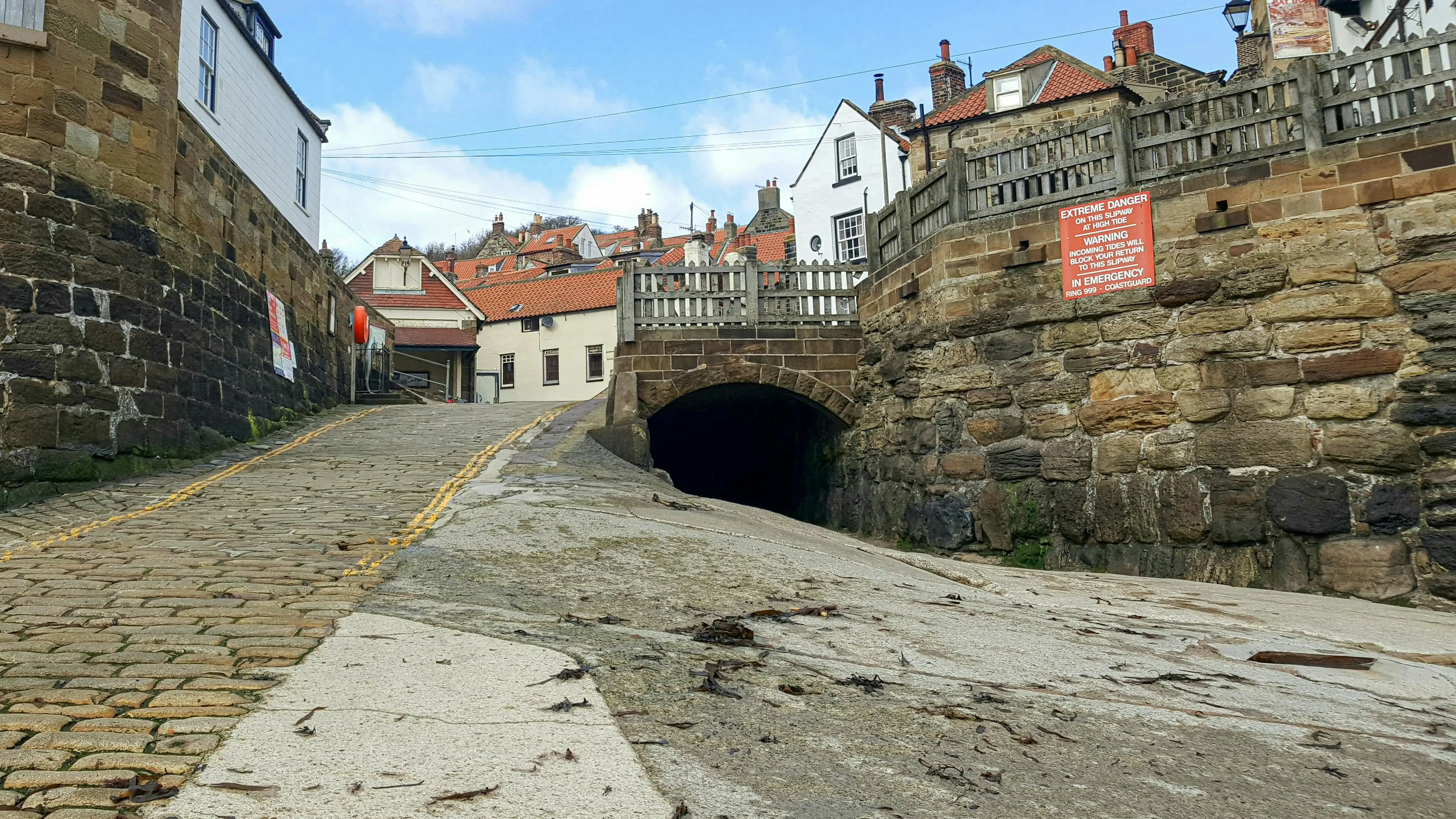
Scarborough Beaches Victorian Grandeur Meets North Sea Sands
5:30 AM breaks over Scarborough beaches—a sweeping arc of golden sand measuring 1.5 kilometers along the North Yorkshire coast, England. The air bites at 9°C (48°F), sharp with the scent of drying kelp, salt spray, and the sweet perfume of candy floss lingering from the previous evening. Dawn light spills over the Victorian promenade, illuminating the red-brick hotels constructed in 1875 during the resort's golden age. This is not merely a seaside town; it is Britain's first spa resort, discovered in 1626 when acidic springs were found flowing from the cliffs. You hear the cry of a herring gull; the tide recedes 300 meters from the sea wall, exposing beds of Jurassic fossils. In 2026, as coastal erosion threatens heritage sites globally, Scarborough beaches matter now more than ever. They remain a tactile connection to maritime history—a place where you walk the same boards as Victorian bathers, where the past isn't behind glass but exposed to the salt spray, and where community resilience is built into every sea defense. This is why you visit.
Why Scarborough Beaches Embodies Victorian Seaside Heritage
Scarborough beaches aren't merely stretches of sand—they're a marvel of 19th-century engineering adapted to a hostile marine environment. Constructed primarily from local sandstone and brick, the sea defenses date back to the 1850s, designed to protect the town from North Sea storms. The beaches solved a fundamental Victorian need: accessible leisure for the industrial working class escaping crowded cities. The Grand Hotel, rising 70 meters above the South Bay, was built in 1867 to accommodate this influx, featuring 150 bedrooms and hydraulic lifts. In 1952, the area gained protection under coastal conservation laws, preserving 5 kilometers of shoreline from industrial development. This designation fulfilled a cultural need: maintaining a landscape shaped by tourism for millennia. Today, the beaches support a population of 60,000 residents who maintain traditional practices like net mending and amusement arcade maintenance. The construction technique itself is precise: promenades are wide—some just 10 meters—to protect pedestrians from high tides during storm surges. When you walk these boards, you traverse a layered history: Roman signal stations on the headland, Victorian bathhouses, and a contemporary commitment to sustainable tourism that defines the future of coastal England.
The Best Time to Experience Scarborough Beaches
Scarborough beaches reveal their true character during specific windows, though they are accessible year-round. The definitive experience occurs between May 20 and June 15. During this window, you'll experience average temperatures of 13–17°C (55–63°F), with daylight stretching until 9:30 PM—ample time for evening walks after dinner. The spring light filters beautifully through the mist, creating dramatic contrasts between shadow and illumination on the sand. The tourist hordes of July haven't yet descended. For those seeking quieter browsing, weekday mornings (7:30–9:00 AM) offer a more intimate atmosphere with significantly fewer visitors; you can photograph the shore before the amusement arcades open.
Autumn—specifically September 20–October 10—provides a second peak experience, with temperatures cooling to 9–13°C (48–55°F) and the North Sea turning a dramatic steel gray. This is when you'll witness the stormy seas that make the bay dramatic. However, avoid August 24–31 unless you enjoy navigating crowds: this UK Bank Holiday period sees visitor numbers swell to 20,000 daily, with parking lots filling by 9:00 AM and accommodation prices inflating by 45%. Winter (December–February) brings its own magic but limited services—some cafés close, and daylight shrinks to 8:15 AM–4:00 PM. For real-time weather and tide conditions.
Approximate Budget for a 7-Day Trip (2026)
Scarborough and North Yorkshire accommodate various budgets, though 2026 prices reflect post-pandemic tourism recovery and 3.5% UK inflation. The following breakdown assumes mid-range travel with comfortable accommodations, local dining, and comprehensive exploration including car rental for remote access. Prices are listed in British pounds (£), the local currency.
- Accommodation: £100–£180 per night for a double room in a traditional Victorian guesthouse or boutique hotel in South Bay or North Bay. Seafront properties command premium rates (£220–£320), while inland streets offer better value (£80–£120).
- Food: £45–£65 per day. Breakfast (£10–£14) typically includes Yorkshire black pudding, local kippers, and free-range eggs. Lunch (£12–£18) at beach cafés: Whitby scampi sandwich, or a pork pie with salad. Dinner (£25–£35) featuring regional specialties: Yorkshire curd tart, fresh North Sea cod, or sticky toffee pudding.
- Transportation: London King's Cross to Scarborough train: £85–£125 return via LNER and Northern (4 hours). Local bus day pass: £6.50 (Arriva North East routes). Taxi from station to beach: £8. Car rental: £50–£70 per day plus £10 daily parking in Scarborough.
- Attractions: Scarborough Castle entry: £12.50 adults. Sea Life Centre: £22. Guided fossil tour: £25. Peasholm Park boat ride: £8. Spa Complex tour: £10.
- Miscellaneous: Ordnance Survey Explorer Map OL27: £11.95. Local jet jewelry: £50–£150. Bay guidebook: £12.99. Travel insurance: £35–£50 for the week.
Total estimated cost for 7 days: £1,350–£1,850 per person (based on double occupancy)
7 Essential Scarborough Beaches Experiences
- Walk the South Bay at dawn: Arrive at the harbor at 7:00 AM. The sand is damp from night air; the buildings create a tunnel effect. Photograph the empty shore with soft morning light filtering through the mist. The silence is profound—no crowds, no chatter. Notice the uneven surface of the stones, worn smooth by 200 years of footsteps. Allow 30 minutes to absorb the atmosphere before the day begins.
- Hunt for fossils on the shore: Wait for low tide (check timetable). Walk the shale beds south of the sea wall. The rocks date to the Jurassic period, 180 million years ago. Look for ammonites and belemnites embedded in the stone. Wear sturdy boots; the shale is slippery. The best finds are near the base of the cliffs. Allow 90 minutes for searching. It is a tangible connection to deep time.
- Visit the Spa Complex: Enter the historic building near the harbor (open 10:00 AM–4:00 PM). The building dates to 1879 and was a Victorian leisure hub. View the original pump rooms used to serve spa water. The temperature is constant at 14°C (57°F). Audio guides are included with entry. Allow 40 minutes to read the displays. It contextualizes the town within health history.
- Drink ale in the Grand Hotel: End your morning at the Grand Hotel bar (open 11:00 AM–11:00 PM). Order a pint of local ale (£6.50) in the wood-paneled room. The building dates to 1867 and retains its Victorian character. Speak to the bartender about the town's tourism history. The fireplace crackles even in summer. This is the traditional end to a Scarborough exploration.
- Hike the Coastal Path to Castle: Follow the Cleveland Way north from the beach. The path climbs 100 meters up the headland. The view back toward the red roofs is definitive. The wind is strong here; hold onto the railings. You can see the layout of the bay below. Allow 2 hours for the hike to the castle. It is physically demanding but offers the definitive perspective.
- Explore Peasholm Park: Located on the North Bay, this Oriental-themed garden was built in 1912. The lake features island pagodas and wooden bridges. Stand close to see the detailed planting schemes. The light here is cooler, more subdued. It offers a contrast to the busy beach. A café is located here for lunch. Allow 45 minutes.
- Watch the Sunset from the Pier: Return to the South Bay at 7:00 PM (summer closing varies). The stone glows orange under the evening light. The shadows of the hotels stretch across the sand. You can hear the town bells ringing from the church. The city noise diminishes. It is the best time for exterior photography. The pier frames the harbor perfectly. Allow 30 minutes for a full circuit.
3 Hidden Gems Most Travelers Miss
- St. Mary's Churchyard: While most visitors focus on the beach, this churchyard sits on the cliff edge above the South Bay. Access: Enter from the top road (open dawn to dusk). It is overlooked because it lacks signage, but the gravestones date to 1600s and the view down is dramatic. Best visited: Mid-morning when the light hits the stone. No facilities; respect the graves. It offers a perspective on the community's history.
- The Crescent Building: Located on the South Bay promenade, this curved terrace dates to 1890. Access: Walk along the seafront near the Spa. Open during daylight hours. It's overlooked because it functions as apartments, but the architecture is stunning. Insider tip: Look for the original ironwork balconies. Benches available for rest. It provides context for the Victorian seaside boom.
- The Old Lifeboat Station: Beneath the castle lies a restored lifeboat station from 1890. Access: Booking required for tours (+44 1723 383636, £10). It is overlooked because it functions as a private event space. The stone walls are 1 meter thick. It's special because you see where rescuers launched into storms. Best visited: Tuesday–Thursday when groups are fewer. The menu features local seafood. A unique maritime heritage experience.
Cultural & Practical Tips
- Respect the Tides: The beach is inaccessible at high tide near the harbor. Check the tide timetable daily. Do not get cut off by the rising water. This is not just etiquette; it is safety. The tide comes in fast; keep an eye on the water. Keep children close.
- Photography Guidelines: Photography is permitted on the public streets. Tripods are allowed but cannot obstruct paths. Do not use flash inside the museum. Respect other visitors during quiet contemplation. Silence your phone completely in the churchyard.
- Booking Strategy: Accommodation books out during summer. Book online at least 30 days in advance. Arrive 15 minutes before your slot to pass through ticket check. Late arrival may result in delayed entry. Print your ticket or save it to your phone wallet.
- Learn these Local Terms: "Wynd" (alleyway), "Ginnel" (passage), and "Reyt" (right/correct). Locals appreciate the correct terminology. When asking for directions, say "the Bay" rather than "the beach." It shows respect for Yorkshire's specific heritage.
- Weather Preparation: Scarborough is windy on the exposed headland. Even on sunny days, carry a windproof layer. The stone steps are slippery when wet; wear sturdy shoes. The site is unheated; dress in layers even in summer. Check the forecast; rain is common.
- Accessibility Information: The lower beach is not wheelchair accessible due to sand and steep gradients. Alternative viewing is available from the promenade. Virtual tours are available online. Contact the visitor team at +44 1723 383636 for specific access queries.
- Support Conservation: Consider donating to the "North Yorkshire Coast Protection" upon exit. Maintenance costs £1 million annually. Purchase guidebooks from the shop rather than online to support the local revenue stream. Membership offers free entry to other sites.
Conclusion: Travel with Stewardship, Not Just Sightseeing
Scarborough beaches in 2026 ask something different of you than mere tourism. This shoreline—stone, sacred, resilient—has witnessed centuries of fishermen, tourists, and writers seeking inspiration. But it also sustains a fragile ecosystem of coastal flora and historic masonry threatened by erosion. To travel here responsibly means understanding that you're not just visiting a monument but entering a sanctuary maintained by strict preservation protocols. Walk softly on these flags; they've carried monks, fishermen, and writers for generations. Choose the quiet morning visit over the crowded afternoon. Listen to the wind in the arches, not just the guide's facts. Donate to the conservation fund, not just the gift shop. Let Scarborough beaches change you, not just entertain you. In an age of mass tourism and climate uncertainty, this is how we ensure that 2026's visitors don't become the generation that loved this place to death. The beaches will still be here in 2126—if we treat them not as a backdrop to consume but as a legacy to protect.