
Tate Modern Industrial Power Meets Contemporary Art Vision
The air hums—a low, electrical vibration that echoes through the 155-meter-long Turbine Hall—as you step onto the polished concrete floor at 10:05 AM, five minutes before the general admission rush. The scent of oil paint mingles with the residual warmth of the former power station's brickwork; the space feels less like a gallery and more like a cathedral dedicated to human creativity. Opened in 2000 within the shells of the Bankside Power Station, the Tate Modern houses over 3,300 works spanning 1900 to the present day, from Picasso to contemporary installations. You stand beneath the 35-meter-high ceiling, watching light filter through the clerestory windows while the massive steel beams overhead remind you of the building's industrial past. Every corner holds a challenge: immersive video art, suspended sculptures, and canvases that redefine perception. In 2026, as digital art evolves and physical spaces compete with virtual galleries, visiting the Tate Modern means engaging with a sanctuary of tangible creativity. This place matters now because it remains the world's most visited modern art museum, challenging visitors to confront the present while navigating the complex legacy of the twentieth century.
Why Tate Modern Embodies Industrial Artistic Transformation
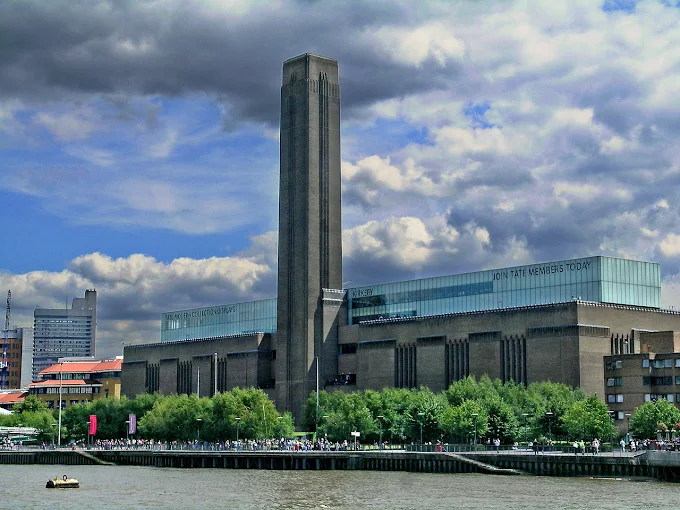
The Tate Modern solves the architectural challenge of repurposing a massive industrial infrastructure for delicate artistic display—a feat achieved by Swiss architects Herzog & de Meuron. Originally constructed between 1947 and 1963 to generate electricity for London, the Bankside Power Station ceased operations in 1981, leaving a vacant brick behemoth on the South Bank. The conversion, completed in 1999, retained the 99-meter-high chimney and the turbine hall's vast volume, creating a unique environment where scale matches the ambition of modern art. The Switch House extension, opened in 2016, added 60 meters of height and 10 new gallery floors, constructed using perforated brick latticework that mirrors the original facade. Engineering-wise, the building utilizes a steel frame clad in 330,000 bricks, chosen for their durability and texture, while the Turbine Hall's floor supports sculptures weighing several tons. Today, the collection spans eight decades of innovation, including works by Dalí, Warhol, and Hockney, displayed across the Blavatnik Building and the original Boiler House. This unique status ensures the Tate Modern remains not merely a warehouse for paintings but a living laboratory where curators experiment with spatial dynamics, blending industrial heritage with contemporary expression in a manner few institutions sustain.
The Best Time to Experience Tate Modern
For optimal viewing and reduced congestion, plan your visit between May 15–June 20 or September 10–October 15, when London's temperatures range from 15–22°C (59–72°F) and daylight extends until 8:30 PM. Arrive precisely at 10:00 AM when doors open to beat the tour groups that typically converge by 11:30 AM; the morning light illuminates the Turbine Hall installation beautifully without the glare of midday sun. Late Friday evenings offer a serene atmosphere during Lates events (6:00–10:00 PM), though specific galleries may close for private functions or adult-only activities. Avoid July 25–August 31 when school holidays bring peak crowds, pushing entry queues beyond 30 minutes despite free admission. Winter months (December–February) offer shorter lines but temperatures drop to 2–8°C (36–46°F), and the concrete floors become uncomfortably cold underfoot. For special exhibitions, verify the calendar at tate.org.uk before booking, as popular ticketed shows can sell out weeks in advance. Tuesday and Thursday mornings typically see the lowest visitor volume, allowing for quieter contemplation in the Level 5 Collections.
Approximate Budget for a 7-Day Trip (2026)
London remains a premium destination, but staying in Zone 1 near Southwark provides immediate access to the Tate Modern without excessive transport costs. These 2026 estimates assume a moderate travel style, accounting for approximately 3-4% annual inflation in UK hospitality and attraction pricing.
- Accommodation: £130–£280 per night for a double room in Southwark, Bankside, or Borough; budget hostels from £50/night in nearby Elephant and Castle
- Food: £50–80 per day—breakfast £9–13 (full English or café pastry), lunch £14–21 (Borough Market stall or museum café), dinner £27–46 (mid-range restaurant with wine); traditional pie and mash £18
- Transportation: £8.10 daily cap for Zones 1-2 using contactless/Oyster; Heathrow Express £25 one-way or Elizabeth Line £12.80; Thames Clippers river bus £9.40 single Tate to Greenwich
- Attractions: Tate Modern free (donation suggested), Special Exhibition £24.00, Shakespeare's Globe £20.00, Tower of London £34.80, Thames cruise £18.00
- Miscellaneous: Souvenir art book £20, museum postcards £5, rain jacket (essential) £35, travel insurance £50 for week
Total for 7 days: £1,350–1,900 per person (excluding international flights)
7 Essential Tate Modern Experiences
- Turbine Hall Installation: Stand beneath the annual commissioned artwork that fills the vast industrial space. Located at the main entrance, the installation changes every October; arrive by 10:15 AM to experience the scale without crowds blocking your view. The acoustics amplify sound pieces beautifully.
- Level 5 Collections Walk: Traverse the chronological galleries to view masterpieces from 1900 to 1980. The room features works by Matisse and Rothko; look for the color field paintings that demand prolonged viewing. Audio guides provide context on the artistic movements represented.
- Blavatnik Building Views: Ascend to the top floor of the Switch House extension for panoramic views of London. The viewing gallery is free; notice how St. Paul's Cathedral dome aligns with the building's axis. The glass walls offer a 360-degree perspective of the Thames.
- Member's Room Coffee: Sip espresso in the members' area if you have access, or the main café on Level 2. The interior design features mid-century furniture; sit near the window to watch the river traffic while enjoying a freshly baked pastry.
- Performance Art Viewing: Check the schedule for live performances in the Tanks or Turbine Hall. These events occur sporadically; arrive 30 minutes early to secure a viewing spot. The interactions between artists and audience are often unpredictable and profound.
- River Terrace Stroll: Step outside onto the terrace overlooking the Thames. Open during summer months; the sculpture garden features outdoor installations. Sit on the benches to watch the Millennium Bridge pedestrians crossing toward St. Paul's.
- Shop Exploration: Browse the Tate Modern shop for exclusive art prints and books. Located on the ground floor; the collection includes limited edition posters from past exhibitions. The design objects make unique souvenirs compared to standard tourist trinkets.
3 Hidden Gems Most Travelers Miss
- Boiler House Staircase: This original industrial staircase offers a gritty contrast to the polished galleries. Access via the Level 2 corridor; look for the original steel railings and brickwork exposed during renovation. The view down into the lower levels reveals the building's mechanical heart.
- Switch House Corridor Views: Located on Levels 6–9, the corridors themselves offer framed views of the city through the brick lattice. Access is included with entry but often overlooked; visit at 3:30 PM when crowds thin to examine the architectural details without obstruction. The light patterns shift dramatically throughout the day.
- Level 2 Quiet Zone: In the Collections galleries, seek out the smaller rooms away from the main thoroughfare. Access requires walking past the popular Rothko room; look for the seating areas dedicated to video art. The lighting is dim and the atmosphere meditative, perfect for escaping the main hall noise.
Cultural & Practical Tips
- Bag policy: Large bags (over 40×40×50cm) must be checked at the cloakroom; small backpacks are permitted but must be worn on the front in crowded galleries. Allow 15 minutes for bag checks during peak hours (11:00 AM–2:00 PM).
- Photography rules: Photography is permitted in most permanent galleries for personal use without flash. Tripods and selfie sticks are prohibited; respect signs indicating no photography in special exhibitions or near light-sensitive works.
- Security screening: All visitors pass through airport-style security; prohibited items include sharp objects, aerosols, and food. Enter via the Main Entrance on Holland Street or the Bridge Entrance for potentially shorter queues.
- Local phrases: Learn "Mind the gap" (watch the step), "Cheers" (thanks), and "Queue here" (wait in line); Londoners appreciate visitors who respect pedestrian flow in the narrow gallery corridors.
- Weather preparedness: The Turbine Hall can be drafty in winter; carry a compact umbrella (£10 from Boots pharmacy) for the queue outside. Concrete floors retain cold, so wear comfortable shoes with good grip.
- Accessibility: The museum offers step-free access via lifts and ramps; wheelchair users receive priority entry—contact access@tate.org.uk 48 hours ahead to arrange assistance. Manual wheelchairs are available to borrow free of charge.
- Respectful behavior: Keep voices lowered at all times; this is a place of contemplation. Do not touch the artworks or lean on the display cases; many pieces are fragile and irreplaceable beneath the barriers.
Conclusion: Travel with Curiosity, Not Just Checklists
The Tate Modern demands more than a snapshot with a famous painting—it invites you to contemplate the evolution of human expression resting on those concrete floors. When you walk the galleries in 2026, tracing the same paths worn by art lovers for decades, you're not just ticking a sightseeing box; you're witnessing the delicate balance between preserving history and challenging the present. As overtourism pressures London's landmarks, visiting mindfully means respecting the contemplative nature of this institution, understanding that behind the free entry, curators work tirelessly to protect fragile mediums. Walk slowly across the polished floors, noticing how the light changes on the brickwork; listen to the hush of the galleries not as silence but as reverence. Leave only footprints on the concrete, take only memories of creative vision, and carry forward the understanding that places like this endure because each generation chooses to question them—not as warehouses of objects, but as living testaments to our shared, complex, and enduring human imagination.