
Tremiti Islands Limestone Archipelago Meets Adriatic Silence
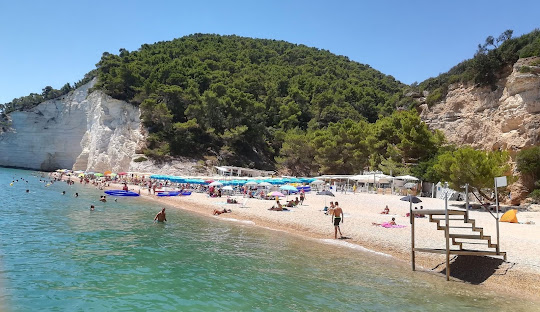
The midday sun glints off the turquoise waters of the Adriatic Sea as a gentle breeze carries the scent of salt and wild Mediterranean herbs. You hear the soft lap of waves against the sheer limestone cliffs of San Domino, the distant cry of a shearwater gull, and the low hum of a small ferry approaching the tiny harbor. This is the Tremiti archipelago—a cluster of five islands rising dramatically from the sea, 12 nautical miles (22 kilometers) off the Gargano coast of Puglia. The largest, San Domino, is a lush, green haven dotted with pines and coves of blindingly white pebbles; its neighbor, San Nicola, is a fortress of history, crowned by a 13th-century Benedictine monastery [[23]]. Once used as a place of exile—from Roman emperors to Mussolini’s political prisoners—the islands have transformed into a sanctuary of natural beauty and profound peace. In an age of hyper-connectivity and overtourism, the Tremiti Islands matter now more than ever—they are a rare, protected ecosystem where time slows down, and the only soundtrack is the rhythm of the sea.
Why Tremiti Islands Embodies Protected Seclusion
The Tremiti Islands are not just a scenic getaway; they are a testament to resilience and conservation, shaped by a dramatic geological past and a complex human history. Formed over 100 million years ago from ancient coral reefs, the islands’ stark white limestone cliffs and hidden coves create a landscape of breathtaking contrasts. Their historical significance is equally profound: in 29 AD, the Roman Emperor Augustus exiled his granddaughter Julia here; centuries later, the islands became a strategic monastic outpost when the Benedictines built their fortified abbey on San Nicola in the 11th century [[23]]. In the 20th century, the archipelago was infamously used as a penal colony for political dissidents under Mussolini’s regime. Today, this layered past has given way to a new identity—as part of the Gargano National Park and a designated marine protected area since 1989. This status solves a critical modern problem: it shields the islands from mass tourism and development, preserving their fragile ecosystem of endemic plants, migratory birds, and crystal-clear waters teeming with seagrass meadows. The “need” it fulfills is deep and urgent: to offer a place of true escape, where nature, not commerce, sets the pace.
The Best Time to Experience Tremiti Islands
To experience the Tremiti Islands in their most serene and ecologically vibrant state, plan your visit for the specific windows of May 10–June 15 or <September 10–October 5, 2026. During these periods, the Adriatic Sea has warmed to a comfortable 19–22°C (66–72°F), perfect for swimming and snorkeling, while air temperatures are a pleasant 22–25°C (72–77°F) [[11]]. The best time of day to explore is in the early morning, between 8:00 AM and 10:30 AM, when the light is soft, the water is calm, and you can often have a cove to yourself before the day-trippers arrive on the mid-morning ferries. It is essential to avoid the peak summer period of July 20–August 25, when the limited infrastructure is overwhelmed, accommodation is fully booked months in advance, and the serene atmosphere gives way to a more bustling energy [[41]]. For the most reliable information on ferry schedules, weather conditions, and local regulations, always consult the official park website: isole-tremiti.it.
Approximate Budget for a 7-Day Trip (2026)
This budget is calculated for a solo traveler seeking a comfortable, nature-focused experience in the Tremiti Islands in 2026, based on current inflation trends and average regional costs for the Italian archipelago.
- Accommodation: €100–€180 per night. Staying in a guesthouse or small hotel on San Domino offers the best access to beaches and nature. Options are limited, so book early.
- Food: €50 per day. Breakfast (€6): a cappuccino and cornetto at a local bar. Lunch (€20): a seafood salad or pasta at a waterfront trattoria. Dinner (€24): a main course like grilled fish with a glass of local wine.
- Transportation: €220 total. Round-trip ferry from Vieste or Peschici to the Tremiti (€50). A weekly pass for the inter-island electric shuttle boats (€25). Snorkeling gear rental (€15).
- Attractions: Entry to the Abbey of San Nicola (€5). Guided boat tour of the sea caves and Capo Cavallo (€30). Access to the protected marine areas is free but regulated.
- Miscellaneous: €110. This covers a bottle of local olive oil (€15), several gelato stops (€3 each), a guided hiking tour of San Domino’s trails (€40), and souvenirs.
Total Estimated Cost: €1,080–€1,220
6 Essential Tremiti Islands Experiences
- Swim at Cala delle Felci on San Domino: Arrive by 8:30 AM to secure a spot on this iconic white-pebble cove, nestled beneath dramatic cliffs. The water is so clear it feels like liquid glass—perfect for snorkeling among colorful fish and seagrass.
- Explore the Abbey of San Nicola: Take the short boat ride to this historic fortress-monastery. Walk its ramparts for panoramic views and learn about its 900-year history, from Benedictine monks to political prisoners.
- Take a Boat Tour to Capo Cavallo: Book a small-group tour to see the archipelago’s most dramatic sea stacks and caves. The guide will point out nesting sites for the rare Audouin’s gull and explain the marine conservation efforts.
- Hike the Trails of San Domino: Walk the network of pine-shaded paths that crisscross the island. The trail to the lighthouse offers the best panoramic views of the entire archipelago.
- Snorkel in the Marine Protected Area: Rent a mask and snorkel to explore the underwater world. The protected seagrass meadows (Posidonia oceanica) are a UNESCO-recognized ecosystem and home to a rich variety of marine life.
- Dine on Fresh Seafood in San Domino’s Harbor: Reserve a table at a family-run trattoria like Ristorante La Sirena. Savor the day’s catch as the sun sets over the water, painting the sky in fiery hues.
3 Hidden Gems Most Travelers Miss
- Cala Matano: A secluded cove on the northern tip of San Domino, accessible only by a steep 15-minute hike or by private boat. Its isolation means you’ll likely have the turquoise water all to yourself. Go on a weekday for complete solitude.
- The Hermitage of Santa Maria a Mare: On the tiny island of Cretaccio, the ruins of this 11th-century hermitage are a hauntingly beautiful reminder of the islands’ monastic past. Access is restricted to protect the site—ask the park office for a special permit.
- The View from Pizzomunno Rock on San Nicola: Not to be confused with Vieste’s monolith, this smaller rock formation offers a quiet perch with a stunning view back toward San Domino. It’s a favorite spot for local fishermen at dawn.
Cultural & Practical Tips
- Book your ferry and accommodation far in advance: The islands have very limited capacity. For a summer 2026 trip, book by January 2026 to secure your spot.
- Bring water shoes and reef-safe sunscreen: The beaches are pebbly, and the marine ecosystem is fragile. Protect your feet and the environment.
- Learn a few key phrases: “Dov’è la cala più bella?” (DOH-veh lah KAH-lah PEE-oo BEL-lah?) for “Where is the most beautiful cove?”, and “Un caffè, per favore” (oon kah-FEH).
- Respect the protected area rules: Do not anchor on seagrass, do not remove any natural items (shells, rocks), and stick to marked trails to protect the endemic flora.
- Cash is king: Many small businesses, boat operators, and even some hotels operate on a cash-only basis. Bring plenty of euros.
- Embrace the slow pace: There are no cars on the islands. Transportation is by foot, bicycle, or electric shuttle. Let go of your schedule and let the island’s rhythm guide you.
Conclusion: Travel with Reverence, Not Just Itinerary
The Tremiti Islands are not a destination to be conquered, but a sanctuary to be absorbed. In 2026, as the world grows louder and faster, these islands offer a vital counterpoint: a space to simply be. Their power lies in their quiet insistence on slowness—in the unhurried pace of the waves, the patient growth of the seagrass, and the silent watch of the ancient cliffs. Your journey here should be one of reverence, not performance. Sit on a rock and watch the light change on the water. Share a meal with locals who have lived here for generations. Let the islands’ silence seep into your bones. By traveling with this mindful attention, you honor their fragile ecosystem and their resilient spirit. Slow down. Breathe in the scent of pine and salt on the wind. In that quiet communion with the Tremiti’s timeless landscape, you don’t just find a vacation—you find a deeper sense of self, and a renewed commitment to protecting Earth’s last wild places.