
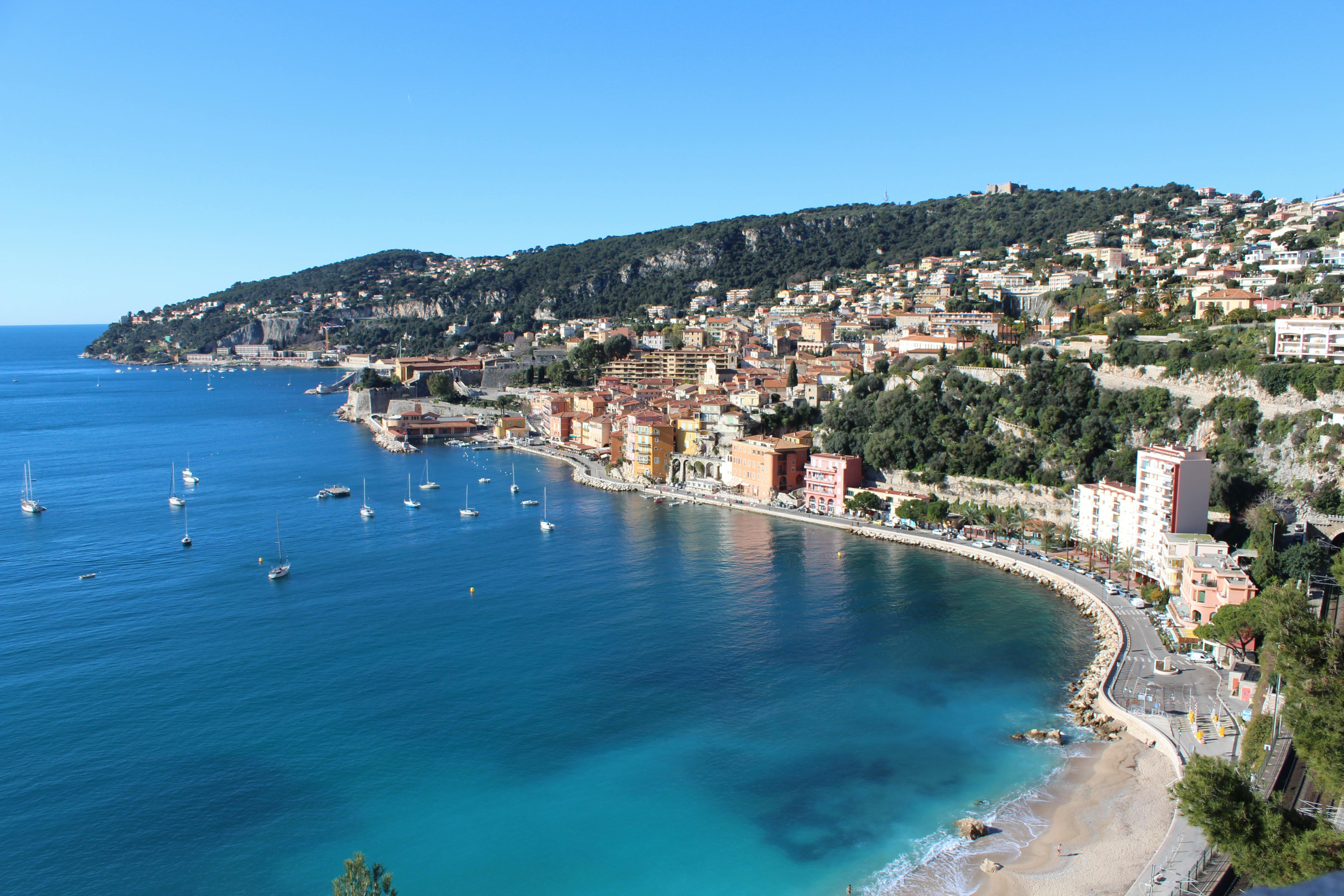
Villefranche-sur-Mer : Mediterranean Light Meets Authentic Riviera Soul
Before the first ferry arrives from Nice, Villefranche-sur-Mer breathes with quiet authenticity. Dawn light filters through the Baie des Anges, setting the harbor's turquoise waters ablaze while fishermen mend nets on the quay of the Citadelle Saint-Elme. The scent of baking fougasse drifts from a bakery hidden beneath ochre façades, mingling with salt air and the faint diesel hum of a boat heading toward Cap Ferrat. This is not the Riviera of superyachts and champagne sprays, but something more enduring: a working fishing port where 14th-century ramparts embrace a harbor so perfectly sheltered it has drawn sailors since Phoenician times. In 2026, Villefranche-sur-Mer remains the Côte d'Azur's best-kept secret—not because it hides, but because it refuses to perform. Here, beauty exists not for consumption, but as daily reality for the 2,500 residents who still call this bay home.
Why Villefranche-sur-Mer Offers the Riviera's Most Authentic Harbor
Villefranche-sur-Mer represents more than scenic charm—it embodies the French Riviera's layered history preserved without theatrical staging. Unlike Cannes' red carpets or Saint-Tropez's yacht culture, this village evolved organically as a strategic deep-water port: the Knights of Malta fortified its bay in the 16th century, Russian aristocrats built pastel villas during the Belle Époque, and American artists like Rex Whistler captured its luminous quality before mass tourism arrived. The harbor's unique geography—a natural amphitheater protected by Cap de Nice and Cap Ferrat—creates microclimates where light refracts differently than anywhere else on the coast, inspiring the Fauvist palette of Matisse and Signac. Crucially, Villefranche maintains working authenticity: the daily fish auction still occurs at 7:00 AM at Quai Courbet, local pêcheurs unload sea bream and red mullet directly to waterfront restaurants, and the 14th-century Chapelle Saint-Pierre remains adorned with Jean Cocteau's frescoes commissioned for fishermen, not tourists. This continuity creates rare depth—where every cobblestone bears witness to centuries of maritime life uninterrupted by commercialization.
The Best Time to Experience Villefranche-sur-Mer
For optimal conditions—golden harbor light, manageable crowds, and authentic local rhythm—visit between May 5 and May 25 or September 12–28. These windows deliver daytime temperatures of 19–25°C (66–77°F), creating ideal conditions for harbor strolls without summer's intensity. Mornings between 7:30–9:00 AM offer the most magical light: low-angle sun transforms the bay's waters from silver to sapphire while illuminating pastel façades without harsh glare—a critical window before day-trippers arrive from Nice. September provides a second excellent opportunity: warm seas (22°C), departing crowds, and autumn light that intensifies the ochre tones in weathered plaster. Avoid July 15–August 20 when temperatures exceed 30°C (86°F), harbor quays become congested with cruise ship passengers, and many family-run restaurants close for staff vacations. Note that winter months (November–February) offer stark beauty and complete solitude, though some waterfront establishments reduce hours and the mistral wind can create choppy seas.
Approximate Budget for a 7-Day Trip (2026)
Based on 2025 benchmarks adjusted for 4% inflation (per INSEE and Côte d'Azur Tourism Board projections), here's a realistic mid-range budget for a Riviera-focused itinerary:
- Accommodation: €115–€165 per night for a family-run guesthouse in the old town or a boutique hotel with harbor views—essential for experiencing village atmosphere after day-trippers depart.
- Food: €95–€115 per day—breakfast at a café (€8), lunch of socca and salade Niçoise at waterfront guérite (€25–€32), dinner featuring locally caught fish with Bellet wine (€55–€70).
- Transportation: €32 for a 7-day Zou! Pass (covers all regional buses). Train from Nice Ville to Villefranche-sur-Mer: €2.30 one-way (7 minutes). Walking is optimal for village exploration.
- Attractions: Citadelle Saint-Elme museums: €10. Chapelle Saint-Pierre: €5. Kayak rental (2 hours): €28. Ferry to Saint-Jean-Cap-Ferrat: €12. Allocate €100 total.
- Miscellaneous: €60 for artisanal pan bagnat ingredients from Marché de la Place du Général de Gaulle, locally produced olive oil, or handmade soaps from Rue du Poilu.
Total Estimated Cost: €1,200–€1,700 for seven days, excluding international flights.
5 Essential Villefranche-sur-Mer Experiences
- Harbor Dawn Ritual: Arrive at Quai Courbet by 7:00 AM to witness the fish auction—watch local chefs select that day's catch while gulls wheel overhead against pastel façades.
- Citadelle Saint-Elme: The 16th-century fortress crowning the village offers panoramic bay views and houses two intimate museums—Marine History and Contemporary Art—in vaulted casemates.
- Chapelle Saint-Pierre: Jean Cocteau's 1957 frescoed chapel depicting fishermen's lives—visit between 10:00–11:30 AM when morning light illuminates the vibrant murals without glare.
- Rue Obscure: The village's covered medieval street running beneath houses—a unique architectural solution to narrow terrain, best experienced mid-morning when shopkeepers open shutters.
- Plage de la Darse: The small public beach at the harbor's eastern end—swim in protected turquoise waters with views of pastel buildings and fishing boats bobbing nearby.
3 Hidden Gems Most Travelers Miss
- Passage du Rastel: Behind No. 14 Rue de l'Opéra, an unmarked archway leads to a hidden courtyard with a 17th-century fountain and views into private gardens where bougainvillea spills over ancient stone—locals call it "le jardin des pêcheurs."
- Pointe du Borrigo Tide Pools: A 20-minute coastal walk east of the harbor reveals secluded rock pools teeming with sea urchins and anemones—accessible only 2 hours before/after low tide (check Villefranche tourism office for schedules).
- Atelier de l'Ancre: A working sailmaker's workshop hidden in a vaulted cellar at 7 Rue de l'Opéra—observe artisans hand-stitching sails using techniques unchanged since the 1920s (open Tuesday/Thursday mornings).
Cultural & Practical Tips
- Respect Residential Spaces: Over 70% of buildings remain private homes. Never block narrow passages with luggage—many streets are less than one meter wide and serve as essential thoroughfares.
- Harbor Etiquette: Never photograph fishermen's catches or boats without permission—many consider their livelihood sacred. Observe quietly from designated quays.
- Learn Key Phrases: "Bonjour," "Merci," and "Une daube de poulpe, s'il vous plaît" (octopus stew) show respect in this proudly Niçoise community where French is preferred over English.
- Photography Protocol: Never use tripods on narrow streets—they obstruct passage. Best harbor shots captured between 8:00–9:30 AM when light streams across the bay without crowds.
- Support Authentic Commerce: Purchase produce directly from Marché de la Place du Général de Gaulle (Tuesday/Saturday mornings) rather than souvenir shops—look for vendors wearing blue aprons indicating local producers.
Conclusion: Travel with Harbor Consciousness, Not Just a Lens
Villefranche-sur-Mer endures not as attraction to be consumed, but as living ecosystem where maritime tradition shapes daily rhythm. As a conscious traveler, your presence should honor this continuity: dine at family-run guérites where fishermen deliver catch directly to kitchens, support artisans preserving ancestral crafts, and understand that your footsteps tread ground where generations have measured time by tides rather than clocks. Sit quietly on the harbor wall at dusk and watch light fade across the Baie des Anges—the same light that guided Phoenician traders and inspired Cocteau's brushstrokes. By approaching Villefranche not as backdrop for social media, but as sanctuary demanding quiet respect, you help ensure this harbor continues to shelter not just boats, but belonging—for those who recognize that true Riviera soul resides not in glamour, but in the daily grace of a working port where beauty remains incidental to life.