
ABBA Museum Pop Legends Meet Interactive Swedish Culture
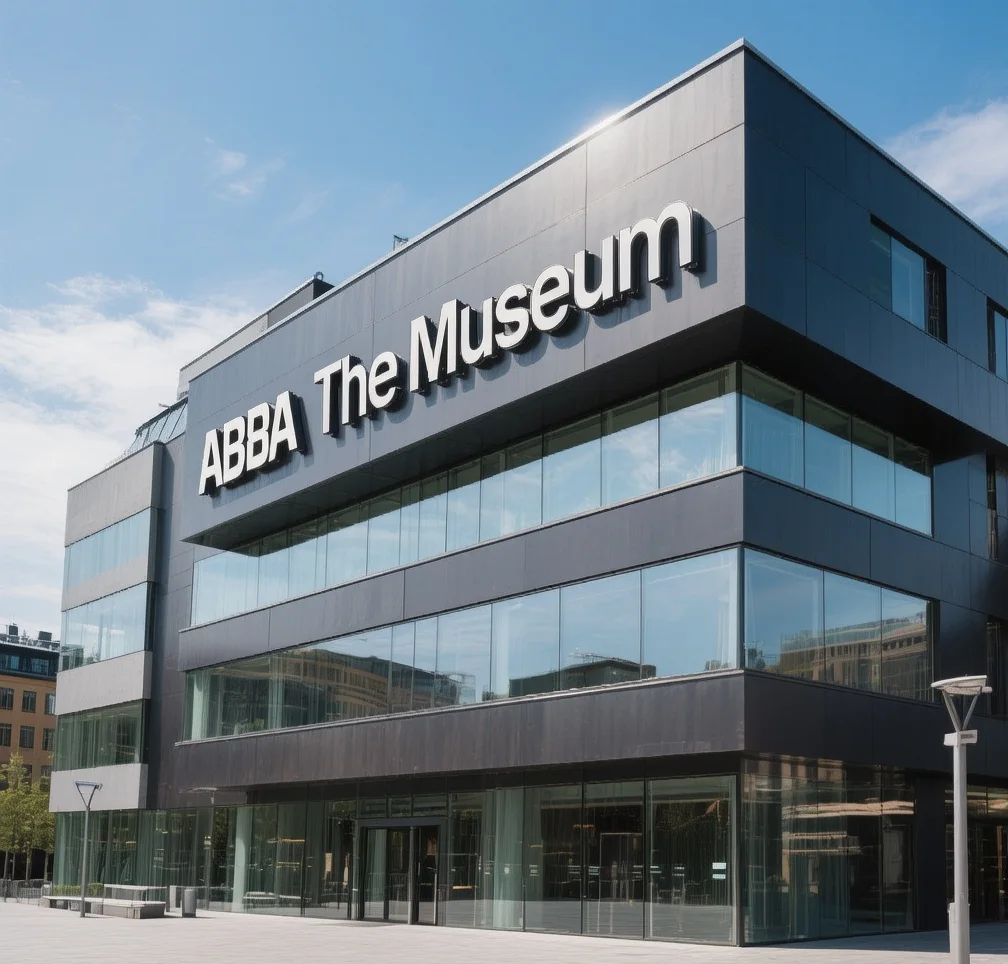
The first note hits you before you even step inside—a synthesized riff from "Waterloo" vibrating through the soles of your shoes. It's 10:00 AM on a crisp May morning, and the air smells of salty harbor water, freshly printed exhibition panels, and the faint sweetness of cinnamon from a nearby café. You stand before the ABBA Museum on Djurgården island, a vibrant blue and yellow building that pulses with the energy of Sweden's greatest cultural export. Since opening in 2013, this 2,500-square-meter space has welcomed over 5 million visitors, preserving the legacy of Agnetha, Björn, Benny, and Anni-Frid. The neon signs flicker against the grey sky, promising an immersion into the 1970s glam rock era. In 2026, as music consumption becomes increasingly digital and ephemeral, this physical shrine offers a tangible connection to analog warmth. This is why you come now: to sing into a virtual microphone, to touch the costumes that defined a generation, and to understand that pop music is not just sound—it is history woven into glitter and polyester.
Why ABBA Museum Embodies Swedish Pop Heritage
The ABBA Museum isn't merely a tribute hall—it's a technological archive solving the problem of how to preserve intangible cultural heritage. When the group won the Eurovision Song Contest on April 6, 1974, with "Waterloo," they propelled Sweden onto the global music stage. The museum, designed by interactive experts Intellitainment, opened on May 7, 2013, to commemorate this impact. It fulfills a critical need: bridging the gap between older fans who remember the vinyl era and younger generations discovering the music through streaming. The building houses over 1,500 artifacts, including stage costumes, gold records, and the original Polar Music studio mixing desk. Technical engineering plays a huge role; augmented reality screens allow you to sing alongside holographic projections of the band members. The acoustics are calibrated to replicate the sound of Stockholm's Concert Hall where they performed. In 2026, the ABBA Museum stands as a testament to Sweden's dominance in the music industry, producing 10% of the world's hit songs. It transforms passive listening into active participation, ensuring the legacy survives not just in recordings, but in experience.
The Best Time to Experience ABBA Museum
Timing your visit to the ABBA Museum requires balancing Stockholm's dramatic seasonal light shifts with tourist density. The optimal window runs from May 15 to June 12 and August 20 to September 15, when daylight extends to 18 hours and temperatures average 15–22°C (59–72°F). For the quietest experience with optimal photography light, target June 1–10, arriving at the ticket desk between 9:30–10:30 AM. Morning visits allow you to access the interactive stations before school groups converge on the dance floor. The soft northern light enhances the colorful façade without creating glare on the glass displays.
Avoid the period from July 1 to July 20, when European school holidays create peak congestion; wait times for the singing booths can exceed 45 minutes, and the main hall becomes bottlenecked. Winter visits (December–February) offer cozy indoor warmth but limited daylight (6 hours) and colder temperatures averaging -3–2°C (27–36°F). For real-time ticket availability and special event notices, check the official website at abbathemuseum.com. The museum updates visitor information via their info line at +46 8 120 269 00 before traveling. Verify specific exhibit hours via their individual websites, as holiday schedules vary.
Weather on Djurgården can be windier than central Stockholm due to water exposure. If visiting in late autumn, dress in layers; the wind channeling across the island can drop perceived temperatures by 5°C. Late August offers the added bonus of outdoor concerts nearby, where tribute bands perform in the park. Plan your visit around the guided tour times (usually hourly) to maximize the historical context provided by staff.
Approximate Budget for a 7-Day Trip (2026)
Visiting Stockholm requires budgeting for Northern European price levels, which have risen approximately 4.5% annually due to inflation (Statistics Sweden, 2025). The following estimates reflect 2026 pricing for a moderate travel style: comfortable mid-range accommodation, mix of casual dining and self-catering, and efficient public transport use. These costs assume a base in Stockholm with day trips to the ABBA Museum as a primary focal point.
- Accommodation: €200–€380 per night. Hotels in Östermalm or Norrmalm average €300/night for a double room. Budget hostels near Central Station: €110/night for dorm beds. Airbnb apartments on Södermalm: €240–€380/night. Book 4–6 months ahead for summer dates.
- Food: €75–€110 per day. Breakfast: €18–€25 (coffee €6, smörgås open sandwich €10, fruit €5). Lunch: €25–€35 (husmannskost traditional plate €22, coffee €6). Dinner: €40–€60 (grilled salmon €38, local beer €11, dessert €12). Grocery shopping at ICA or Coop reduces daily food costs to €45–€60.
- Transportation: SL 72-hour Travelcard: €50 (covers buses, trams, metro). Bus 44 to Djurgården: €4 per ride. Djurgården Ferry from Slussen: €14 round-trip (included in some SL cards). Airport Arlanda Express train: €35 round-trip. Taxi from airport: €75–€95 (avoid unless necessary).
- Attractions: ABBA Museum entry: €32 per adult (free for under 19). Vasa Museum: €24. Skansen Open-Air Museum: €26. Stockholm Pass (3-day): €155 (includes ABBA Museum). Guided music tour: €45/person.
- Miscellaneous: Waterproof jacket rental: €30/week. Souvenirs: Vinyl record €40, Swedish wool blanket €130, museum guidebook €28. Travel insurance: €55–€95 for 7 days. Coffee filter for room brewing: €18.
Total estimated cost for 7 days: €2,900–€4,200 per person (based on double occupancy; solo travel increases costs by 40%)
7 Essential ABBA Museum Experiences
- Sing on the Eurovision Stage: Step onto the replica stage where Sweden won in 1974. The screen projects the audience and the band members beside you. Choose from 5 hit songs to perform. The audio mixing adjusts your voice to sound professional. Spend 10 minutes here rehearsing. The lighting mimics the original broadcast. You receive a video recording via email. This is the most popular exhibit; visit early to avoid queues.
- Explore the Polar Studio Replica: Walk through the reconstructed recording studio where "The Album" was made. See the original mixing console used by Benny Andersson. The room smells of old wood and electronics. Audio guides explain the recording techniques of the 1970s. Spend 20 minutes here absorbing the history. The isolation booths are visible through glass. It offers a technical look at music production. Photography without flash is permitted.
- Try on Virtual Costumes: Use the augmented reality mirrors to dress in digital versions of the iconic outfits. Select from the Waterloo jumpsuits or the Tour 1979 dresses. The screen overlays the clothes on your reflection. Spend 15 minutes experimenting with looks. You can save images to your phone. This technology bridges the gap between fan and performer. It is located near the main hall exit.
- View the Original Costumes: Behind glass cases lie the actual garments worn by Agnetha and Anni-Frid. The sequins still glitter under the spotlights. Notice the wear and tear from years of touring. Spend 30 minutes examining the details. The fabric textures are visible up close. It reminds you that these were working clothes, not just display pieces. Do not touch the glass cases.
- Dance in the Disco: The museum features a dance floor with a light show. Music plays continuously from the ABBA catalog. Join other visitors for an impromptu party. Visit at 2:00 PM when the energy is highest. The flooring is sprung wood for comfort. It offers a physical connection to the rhythm. Shoes must be worn at all times. It is a fun break from the static exhibits.
- Listen to the Rare Tracks: Headphones stations offer deep cuts not found on standard albums. Select tracks from the Swedish language era. The audio quality is remastered for clarity. Spend 20 minutes listening quietly. You hear alternate versions and demos. It provides context for their songwriting evolution. The stations are located in the quieter back hall. Respect others listening nearby.
- Visit the Gift Shop: The museum store sells exclusive merchandise not available elsewhere. Look for the limited edition vinyl pressings. Prices range €20–€100. Spend 15 minutes browsing the shelves. The staff are knowledgeable about the collection. It is the best place for authentic souvenirs. Payment is card only. Bag checks are conducted upon exit.
3 Hidden Gems Most Travelers Miss
- Junibacken Children's Museum: Located 500 meters north of the ABBA Museum. Access via Bus 44. Open daily 10:00 AM–5:00 PM. Entry €24. You see the world of Astrid Lindgren's Pippi Longstocking. Why it's overlooked: Tourists focus on the music museum. Insider tip: Ride the Storybook Train for a narrated tour. It offers cultural context for Swedish childhood. The café serves excellent cinnamon buns.
- The ABBA Statue at Slussen: Located 2 kilometers west in the city center. Access via Metro to Slussen station. Open 24 hours. Free entry. You see the life-sized bronze figures of the band. Why it's overlooked: It is outdoors and often crowded. Insider tip: Visit at dawn for photos without tourists. It marks the spot where the group often gathered. The details on the instruments are intricate.
- Djurgården Walking Paths: Located behind the museum complex. Access via the back gate. Open daily sunrise to sunset. Free entry. You walk through oak forests used by royalty. Why it's overlooked: Visitors rush to the next attraction. Insider tip: Follow the blue markers for a 3-kilometer loop. It offers silence after the music noise. The air is cleaner away from the harbor. Bring water as there are no vendors.
Cultural & Practical Tips
- Respect the fika culture: Swedes value coffee breaks as social rituals. Don't rush your café visit; lingering is expected. Order a kanelbulle (cinnamon bun) with your coffee. Pronunciation: FEH-kah. This pause reflects the Swedish value of lagom (balance/moderation). Rushing through meals is considered impolite in shared spaces.
- Photography guidelines: Flash photography is strictly prohibited inside the ABBA Museum to protect artifacts from light damage. Tripods are not permitted on busy days. Selfie sticks are banned entirely. Commercial photography requires written permission from the communications department. Respect other visitors; do not block viewing platforms for extended shots.
- Queue etiquette: Swedes value orderly lines. Do not cut queues, even if they seem unstructured. Wait for your turn at ticket kiosks. If unsure, ask: "Var är kön?" (Var air kern?) = Where is the line? Pushing or crowding is frowned upon. Patience is viewed as a virtue in Scandinavian culture. Let people exit trains before you board.
- Weather preparedness: Stockholm weather is unpredictable. Pack: waterproof jacket, layers (temperatures vary 10°C daily), comfortable walking shoes (cobblestones are slippery when wet). Check smhi.se for marine forecasts. Even in summer, harbor winds can drop temperatures to 12°C (54°F). Carry a compact umbrella. Rain can start suddenly without warning.
- Language basics: While 90% of Swedes speak English, learning basics shows respect. "Tack" (Tahck) = Thank you; "Hej" (Hay) = Hello; "Ursäkta" (Ur-shock-tah) = Excuse me. Pronunciation is soft; avoid harsh consonants. Staff appreciate efforts to speak Swedish even if imperfect. It bridges the gap between tourist and guest.
- Accessibility information: The Museum has elevator access to all levels. Wheelchairs are available for loan at the information desk (free, first-come-first-served). Service dogs are permitted throughout. Restrooms include accessible stalls. Verify specific needs via email: info@abbathemuseum.com before arrival. The dance floor is wheelchair accessible.
- Payment systems: Sweden is nearly cashless. The Museum accepts cards only; cash is not accepted at ticket kiosks. Ensure your credit card has a PIN code. Contactless payment (Apple/Google Pay) works everywhere. Inform your bank of travel to avoid blocks. Small purchases (€5) can be made by card. Carry minimal cash for emergencies only.
Conclusion: Travel with Nostalgia, Not Just Selfies
The ABBA Museum doesn't need your Instagram post—it survived the disco era's end and decades of silence without social media validation. What it asks, what this musical monument demands, is something rarer than a tagged photo: your voice, your movement, your willingness to sing along even if you don't know the words. In 2026, as museums compete with virtual reality and digital distractions, the ABBA Museum remains anchored in physical reality. This is the paradox of preservation: the more we touch, the more we risk; the more we observe, the more we understand. Come to Stockholm not just to check a box, but to witness the delicate balance between pop culture and history. The sequins will remain long after your film rolls are developed. But you—standing here, breathing the same air that surrounds these 1970s costumes—will carry a reminder that music is not dead, it is inhabited. That is the true currency of travel: not the places you've seen, but the joy you've honored. Come to the Museum. But come loudly, come proudly, come ready to sing to the music.