
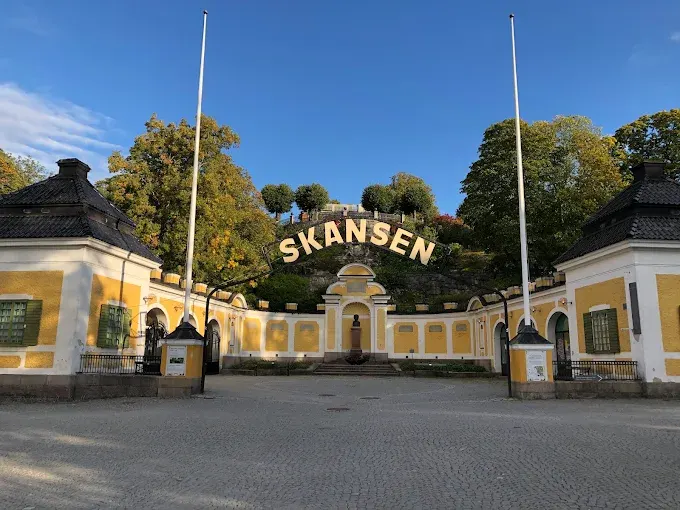
Skansen Open-Air Museum Swedish Folk History Meets Nordic Nature
The scent of wood smoke and freshly baked cinnamon buns drifts through the air, mingling with the resinous perfume of pine trees swaying in the breeze. It's 11:00 AM on a bright June morning, and the gravel paths crunch rhythmically under your boots as you step back in time. You stand at the entrance of Skansen Open-Air Museum, the world's first open-air museum, founded in 1891 by Artur Hazelius on the island of Djurgården. Spanning 300,000 square meters, this living heritage site preserves 150 historic buildings transported from across Sweden, ranging from Sami turf huts to bourgeois townhouses. The sound of a folk violin echoes from the Solliden stage, while Nordic animals roam in enclosures nestled among the structures. In 2026, as digital experiences replace physical connection, this place remains a sanctuary of tangible memory. This is why you come now: to touch wood carved by forgotten hands, to walk streets paved before automobiles, and to understand that culture survives only when it is lived, not merely archived.
Why Skansen Open-Air Museum Embodies Swedish Identity
The Skansen Open-Air Museum isn't merely a collection of old houses—it's a revolutionary concept born from the fear of cultural extinction. When Artur Hazelius founded the museum in 1891, Sweden was rapidly industrializing; rural traditions, dialects, and building techniques were vanishing. Hazelius's solution was radical: dismantle entire farms and villages from remote regions like Dalarna and Skåne, transport them to Stockholm, and reassemble them to create a microcosm of the nation. The engineering feat was immense; some structures were moved via boat and sled, labeled stone-by-stone to ensure accurate reconstruction. Today, the museum solves a modern problem: how to maintain national identity in a globalized world. It fulfills the human need for roots, offering a physical connection to ancestors who lived off the land.
Technically, the preservation work is ongoing and meticulous. Conservators treat the timber with linseed oil and tar every five years to protect against Stockholm's humid climate. The site employs 200 staff members, including historical interpreters who dress in period clothing and demonstrate crafts like blacksmithing, baking, and glassblowing. Over 1.5 million visitors walk these paths annually, making it Sweden's most popular attraction. In 2026, the Skansen Open-Air Museum stands as a testament to the belief that history should be experienced, not just observed. The zoo, added in 1897, integrates native wildlife—moose, reindeer, wolves—into the landscape, reinforcing the bond between Swedish culture and its natural environment. It remains a living organism, evolving while honoring its 19th-century origins.
The Best Time to Experience Skansen Open-Air Museum
Timing your visit to the Skansen Open-Air Museum requires balancing Stockholm's dramatic seasonal light shifts with event schedules. The optimal window runs from May 15 to June 12 and August 20 to September 15, when daylight extends to 18 hours and temperatures average 15–22°C (59–72°F). For the quietest experience with optimal photography light, target June 1–10, arriving at the main gate between 9:30–10:30 AM. Morning visits allow you to capture the historic buildings before tour groups converge on the central square. The soft northern light enhances the red Falu paint on the cottages without creating harsh shadows.
Avoid the period from July 1 to July 20, when European school holidays create peak congestion; wait times for the aquarium can exceed 45 minutes, and restaurant queues stretch down the paths. However, if you seek cultural immersion, visit during Midsummer (June 20–26) for traditional dancing, though crowds will be intense. Winter visits (December–February) offer magical Christmas markets but limited daylight (6 hours) and colder temperatures averaging -3–2°C (27–36°F). For real-time event schedules and closure notices, check the official website at skansen.se. The museum updates visitor information via their info line at +46 8 442 80 00 before traveling. Verify specific exhibit hours via their individual websites, as holiday schedules vary.
Weather on Djurgården can be windier than central Stockholm due to water exposure. If visiting in late autumn, dress in layers; the wind channeling through the trees can drop perceived temperatures by 5°C. Late August offers the added bonus of the Stockholm Culture Festival, where stages set up within Skansen host free performances, enhancing the atmosphere without increasing entry costs. Plan your visit around the folk dance performances (usually 1:00 PM daily in summer) to maximize the cultural experience.
Approximate Budget for a 7-Day Trip (2026)
Visiting Stockholm requires budgeting for Northern European price levels, which have risen approximately 4.5% annually due to inflation (Statistics Sweden, 2025). The following estimates reflect 2026 pricing for a moderate travel style: comfortable mid-range accommodation, mix of casual dining and self-catering, and efficient public transport use. These costs assume a base in Stockholm with day trips to the Skansen Open-Air Museum as a primary focal point.
- Accommodation: €200–€380 per night. Hotels in Östermalm or Norrmalm average €300/night for a double room. Budget hostels near Central Station: €110/night for dorm beds. Airbnb apartments on Södermalm: €240–€380/night. Book 4–6 months ahead for summer dates.
- Food: €75–€110 per day. Breakfast: €18–€25 (coffee €6, smörgås open sandwich €10, fruit €5). Lunch: €25–€35 (husmannskost traditional plate €22, coffee €6). Dinner: €40–€60 (grilled salmon €38, local beer €11, dessert €12). Grocery shopping at ICA or Coop reduces daily food costs to €45–€60.
- Transportation: SL 72-hour Travelcard: €50 (covers buses, trams, metro). Bus 44 to Skansen: €4 per ride. Djurgården Ferry from Slussen: €14 round-trip (included in some SL cards). Airport Arlanda Express train: €35 round-trip. Taxi from airport: €75–€95 (avoid unless necessary).
- Attractions: Skansen entry: €26 per adult (free for under 19). Aquarium add-on: €10. Vasa Museum: €24. Stockholm Pass (3-day): €155 (includes Skansen). Guided heritage tour: €45/person.
- Miscellaneous: Waterproof jacket rental: €30/week. Souvenirs: Dala horse (wood) €40, Swedish wool blanket €130, museum guidebook €28. Travel insurance: €55–€95 for 7 days. Coffee filter for room brewing: €18.
Total estimated cost for 7 days: €2,900–€4,200 per person (based on double occupancy; solo travel increases costs by 40%)
7 Essential Skansen Open-Air Museum Experiences
- Walk the Historic Streets: Enter through the main gate and follow the path toward Seglora Church. The cobblestones are original, transported from various regions. Notice the different architectural styles: southern Swedish manor houses versus northern log cabins. Spend 60 minutes wandering without a map. The lighting changes as you move from open fields to tree-covered lanes. Photography is permitted everywhere. This immersion helps you visualize rural life before industrialization. Wear comfortable shoes; the terrain is uneven.
- Watch Folk Dancing at Solliden: The open-air stage hosts traditional dance performances daily at 1:00 PM in summer. Dancers wear regional costumes from the 18th and 19th centuries. The music features fiddles and accordions playing polskas and waltzes. Arrive by 12:45 PM to secure a bench seat. The energy is infectious; visitors are often invited to join the final dance. This experience connects you to the living culture preserved here. It is free with entry ticket.
- Visit the Nordic Zoo: Located in the upper section of the museum, this zoo houses native animals. Look for moose grazing in the forest enclosure and reindeer near the Sami camp. The wolf enclosure offers a chance to see these elusive predators. Visit at 10:00 AM when animals are most active. The paths are steep; allow 90 minutes for the full loop. It reinforces the connection between Swedes and their natural environment. Binoculars are helpful for bird watching.
- Explore Seglora Church: This wooden church from 1729 stands on a hill overlooking the water. The interior features original pews and a pulpit carved with biblical scenes. Entry is included with the museum ticket. Spend 20 minutes inside absorbing the silence. The acoustics are exceptional; occasionally organ music plays. It offers a spiritual dimension to the visit. The view from the churchyard is panoramic. It is one of the most photographed spots in Stockholm.
- Eat at the Old Restaurant: Located near the central square, this restaurant serves traditional Swedish food. Order the köttbullar (meatballs) with lingonberry jam. Open daily 11:00 AM–8:00 PM. Why it's special: The interior retains original decor from 1891. Insider tip: Sit on the terrace to watch passersby. The prices are higher than outside but the atmosphere is unique. It offers a genuine taste of historical dining. Reservations recommended for dinner.
- Ride the Historic Carousel: Built in 1890, this mechanical carousel is still operational. Tickets cost €5 per ride. The horses are hand-carved wood with real hair tails. Visit in the late afternoon when the light is golden. It offers a nostalgic experience for adults and children alike. The music is mechanical, powered by a pinned barrel. It is a functioning artifact, not a replica. Wait times are usually short except on weekends.
- Visit the Aquarium: Located near the entrance, this building houses tropical and exotic animals. Entry requires an additional €10 fee. You see jaguars, snakes, and tropical birds in climate-controlled environments. Spend 45 minutes here. It contrasts with the Nordic outdoor exhibits. The lighting is dim to protect the animals. It is a good option if it rains. The building itself is historic, added in 1897.
3 Hidden Gems Most Travelers Miss
- Apoteket Lejonet (The Lion Pharmacy): Located in the lower section near the entrance. This wooden pharmacy building dates from 1760. Access is included with entry but often skipped. Open 10:00 AM–4:00 PM. You see original jars, scales, and medical tools from the 18th century. Why it's overlooked: Tourists rush to the larger houses. Insider tip: Ask the interpreter about historical remedies. Many were herbal and some surprisingly effective. It offers a glimpse into early healthcare. The scent of dried herbs lingers inside.
- The Teacher's Home: Located in the schoolhouse area near the church. Access via guided tour only (ask at info desk). Built in 1850. You see the living quarters of a rural teacher. Why it's overlooked: It is small and not marked on main maps. Insider tip: Visit at 2:00 PM when the interpreter demonstrates writing with quills. It highlights the importance of education in Swedish history. The room is tiny but densely furnished. It requires asking specifically to enter.
- The Sami Camp: Located in the upper zoo section. Access via the steep path behind the reindeer enclosure. Open daily 10:00 AM–5:00 PM. You see traditional turf huts (lavvu) used by indigenous Sami people. Why it's overlooked: It requires a hike to reach. Insider tip: Visit when the reindeer are being fed (11:00 AM). The interpreters explain nomadic life and duodji crafts. It offers cultural context often missing in mainstream history. Respect the sacred nature of the site.
Cultural & Practical Tips
- Respect the fika culture: Swedes value coffee breaks as social rituals. Don't rush your café visit; lingering is expected. Order a kanelbulle (cinnamon bun) with your coffee. Pronunciation: FEH-kah. This pause reflects the Swedish value of lagom (balance/moderation). Rushing through meals is considered impolite in shared spaces.
- Photography guidelines: Flash photography is strictly prohibited inside historic buildings to protect artifacts from light damage. Tripods are not permitted on busy days. Selfie sticks are banned entirely. Commercial photography requires written permission from the communications department. Respect other visitors; do not block viewing platforms for extended shots. Privacy is valued highly; ask before photographing interpreters.
- Queue etiquette: Swedes value orderly lines. Do not cut queues, even if they seem unstructured. Wait for your turn at ticket kiosks. If unsure, ask: "Var är kön?" (Var air kern?) = Where is the line? Pushing or crowding is frowned upon. Patience is viewed as a virtue in Scandinavian culture. Let people exit trains before you board.
- Weather preparedness: Stockholm weather is unpredictable. Pack: waterproof jacket, layers (temperatures vary 10°C daily), comfortable walking shoes (cobblestones are slippery when wet). Check smhi.se for marine forecasts. Even in summer, harbor winds can drop temperatures to 12°C (54°F). Carry a compact umbrella. Rain can start suddenly without warning.
- Language basics: While 90% of Swedes speak English, learning basics shows respect. "Tack" (Tahck) = Thank you; "Hej" (Hay) = Hello; "Ursäkta" (Ur-shock-tah) = Excuse me. Pronunciation is soft; avoid harsh consonants. Staff appreciate efforts to speak Swedish even if imperfect. It bridges the gap between tourist and guest.
- Accessibility information: Skansen has many hills and gravel paths which are difficult for wheelchairs. Some buildings have stairs only. Wheelchairs are available for loan at the information desk (free, first-come-first-served). Service dogs are permitted throughout. Restrooms include accessible stalls. Verify specific needs via email: info@skansen.se before arrival. The upper zoo section is steep.
- Payment systems: Sweden is nearly cashless. Skansen accepts cards only; cash is not accepted at ticket kiosks. Ensure your credit card has a PIN code. Contactless payment (Apple/Google Pay) works everywhere. Inform your bank of travel to avoid blocks. Small purchases (€5) can be made by card. Carry minimal cash for emergencies only.
Conclusion: Travel with Reverence, Not Just Reservations
The Skansen Open-Air Museum doesn't need your selfie—it survived industrialization, wars, and modernization without social media validation. What it asks, what this living heritage site demands, is something rarer than a tagged photo: your patience, your curiosity, your willingness to walk slowly on paths worn by generations before you. In 2026, as museums compete with virtual reality and digital distractions, Skansen remains anchored in physical reality. This is the paradox of preservation: the more we touch, the more we risk; the more we observe, the more we understand. Come to Stockholm not just to check a box, but to witness the delicate balance between progress and memory. The wooden walls will remain long after your film rolls are developed. But you—standing here, breathing the same air that surrounds these 18th-century homes—will carry a reminder that history is not dead, it is inhabited. That is the true currency of travel: not the places you've seen, but the history you've honored. Come to Skansen. But come slowly, come quietly, come ready to listen to the wood.