
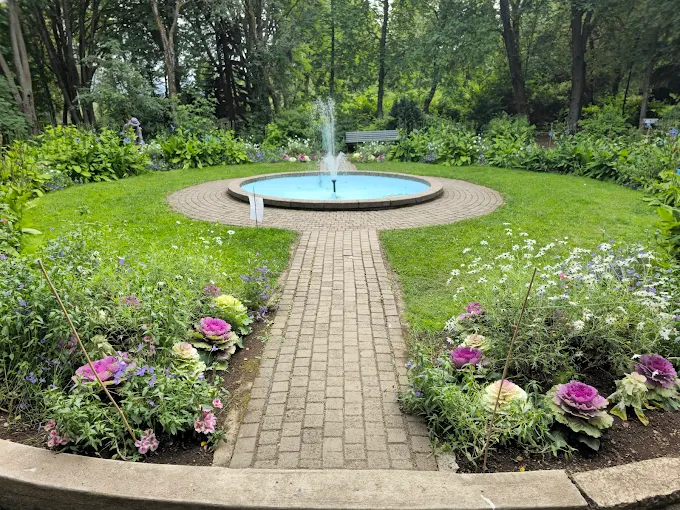
Akureyri Botanical Garden Arctic Blooms Meet Nordic Heritage
The air smells of damp earth and sweet birch—a sharp, clean scent that cuts through the cool Arctic breeze as you step through the wrought-iron gates. Here, at the Akureyri Botanical Garden, over 5,000 plant species thrive at 65°41′N latitude, defying the subarctic climate with vibrant bursts of lupine, poppy, and native moss campion. It is late evening—around 11:00 PM during the summer solstice—and the sun hangs low above the Eyjafjörður fjord, casting a golden glow across the meticulously arranged beds that have been cultivated since 1911. The silence is profound, broken only by the gentle rustle of leaves and the distant chiming of the nearby church bell; a reminder that this green oasis sits in the heart of Iceland's capital of the north. This isn't merely a park; it is a living testament to human resilience, a scientific achievement where horticulturists proved that life could flourish even near the Arctic Circle. In 2026, as climate change shifts growing zones globally, the Akureyri Botanical Garden matters more than ever—a sanctuary of biodiversity, a historical landmark, and a quiet place to reconnect with the earth's delicate beauty.
Why Akureyri Botanical Garden Embodies Nordic Resilience
The Akureyri Botanical Garden—known locally as Lystigarður Akureyrar—represents one of the northernmost botanical gardens in the world, serving as a critical hub for Arctic horticulture and conservation. Established in 1911 by Jón Rögnvaldsson, a pioneer who believed greenery could soften the harsh northern landscape, the site solved a fundamental cultural need: bringing color and life to a town surrounded by stark volcanic terrain. Over the past century, the garden has expanded from a small experimental plot to a 3.5-hectare (8.6-acre) sanctuary, housing species from Iceland, Scandinavia, and even the Himalayas.
Beyond aesthetics, the garden fulfills a scientific role in monitoring plant hardiness in changing climates. The soil composition here is volcanic ash mixed with compost, engineered to retain moisture while draining excess water—a technical necessity in a region receiving 600 millimeters (24 inches) of precipitation annually. Temperature moderation is achieved through the garden's sheltered location on the east bank of the Glerá River, which protects delicate specimens from prevailing westerly winds. Today, the collection includes over 400 species of trees and shrubs, some planted during the founding era, standing as living monuments to early 20th-century optimism.
Culturally, the site anchors Akureyri's identity as a center of arts and nature. In 1996, the garden underwent significant renovation to improve accessibility, ensuring that future generations could walk these paths without damaging fragile root systems. Walking among the birch groves, you traverse a landscape that required decades of careful nurturing—a stark contrast to the wild lava fields elsewhere in Iceland. The garden stands as a testament to the idea that cultivation is an act of hope, proving that even in the far north, beauty can be grown rather than just found.
The Best Time to Experience Akureyri Botanical Garden
For peak blooms and comfortable walking conditions, plan your visit between June 20 and August 10, when daytime temperatures range from 12–18°C (54–64°F) and the midnight sun ensures the garden remains bathed in light until nearly 1:00 AM. The best lighting for photography occurs between 10:00 PM and 12:30 AM during the solstice period, when the low-angle sun creates long shadows through the tree canopies without harsh glare. During these months, the garden gates are open from 8:00 AM to 11:00 PM, allowing ample time for exploration.
Shoulder season (May 15–June 19 and August 11–September 15) brings cooler temperatures of 6–10°C (43–50°F) and fewer visitors, but many perennial flowers have not yet bloomed or have begun to fade. Winter visits (November–March) are possible but limited; temperatures drop to -5 to -10°C (14–23°F), daylight shrinks to 4–5 hours, and most herbaceous plants are dormant under snow. However, the evergreen conifers and structural layout of the paths offer a stark, minimalist beauty for those seeking solitude.
Avoid visiting during heavy rainstorms, as the gravel paths can become muddy and slippery. The site is free to enter year-round, but the café operates limited hours: 10:00 AM–6:00 PM (June–August) and closes entirely October–April. Always verify opening times at akureyri.is before departure, as special events or maintenance can occasionally restrict access to certain sections of the Akureyri Botanical Garden.
Approximate Budget for a 7-Day Trip (2026)
Akureyri is generally more affordable than Reykjavík, though northern logistics can increase transportation costs. These 2026 estimates assume a mid-range travel style, accounting for Iceland's projected 3.5% inflation rate and current exchange rates (1 USD = 0.92 EUR). Prices reflect the Akureyri town center, which serves as the base for visiting the garden and surrounding North Iceland attractions.
- Accommodation: €130–€190 per night for guesthouses or hotels in Akureyri center (near Hafnarstræti); budget hostels from €70; luxury hotels €250+
- Food: €65–€85 per day—breakfast €15 (often included), lunch €20 (soup and bread at Café Ilmur), dinner €35–€45 (local fish or lamb at Strúkur)
- Transportation: Rental car optional in town: €75–€95/day for compact vehicle; fuel €2.10/liter (approximately €100 for week); Airport transfer bus €60 round-trip; local bus route 57 €3 per ride
- Attractions: Akureyri Botanical Garden free; Akureyri Church free; Hrafnagil Forest €0; Guided town walk €40; Museum entry €15
- Miscellaneous: Botanical souvenir book €25; wool scarf €70; travel insurance €45; café coffee €5
Total estimated cost for 7 days: €1,500–€1,900 per person (excluding international flights)
7 Essential Akureyri Botanical Garden Experiences
- Walk the Native Plant Collection: This section (65°41.150'N, 18°05.300'W) showcases flora indigenous to Iceland, including Arctic thyme and mountain avens. The walk takes 20 minutes and is best visited mid-morning when pollinators are active. Read the informational plaques to understand how these species survive harsh winters. The scent of crushed leaves is intense and medicinal.
- Explore the Rose Garden: Located in the southern quadrant, this area features over 100 varieties of hardy roses bred for northern climates. Visit between July 1 and July 20 for peak bloom. The fragrance is strongest in the heat of the day. Benches are placed strategically for quiet contemplation among the thorny stems.
- Photograph the Glerá River view: The eastern boundary of the garden offers a picturesque outlook over the river toward the mountains. Position yourself near the wooden railing around 10:00 PM for soft light. The contrast between cultivated flowers and wild river water creates compelling composition. Use a polarizing filter to reduce glare on the water surface.
- Visit the Founder's Memorial: A stone marker near the entrance honors Jón Rögnvaldsson and his 1911 vision. Take a moment to read the inscription detailing the garden's early struggles. This historical context adds depth to your visit. It is located just 50 meters from the main gate.
- Sit in the Birch Grove: A cluster of downy birch trees provides shelter from wind and a place to rest. The white bark glows in the evening light. Listen to the leaves rustling—a sound unique to this species. This is the perfect spot to sketch or journal without disturbance.
- Attend a Summer Concert: From June 15 to August 15, local musicians perform free concerts in the garden amphitheater on Sunday afternoons. Check the schedule at the visitor center. Arrive 30 minutes early to secure a seat on the grass. The acoustics among the trees are surprisingly clear.
- Watch the midnight sun through the leaves: On June 21, the sun barely sets. Stand under the canopy around 12:30 AM to see light filtering through green leaves in surreal hues. The garden takes on an ethereal quality at this hour. Temperatures drop slightly, so bring a light jacket even in summer.
3 Hidden Gems Most Travelers Miss
- Old Greenhouse Foundation: Located in the northwest corner, the ruins of the original 1912 greenhouse remain visible beneath newer structures. Most visitors walk past without noticing the stone footings. Access is unrestricted during daylight hours. This spot offers a tangible connection to the garden's engineering history. Best visited late afternoon when shadows highlight the stonework.
- Glerá River Footbridge: Just outside the garden's north exit, a small wooden bridge crosses the river toward the Hrafnagil forest trail. It is rarely crowded compared to the main town bridges. Walk across for a view looking back at the garden from the water level. Best visited midday when water clarity is highest. No facilities here—bring water.
- Akureyri Church Tower View: While not inside the garden, the nearby Akureyrarkirkja (built 1940) offers a俯瞰 view of the garden layout from above. Climb the tower (€5 entry) between 10:00 AM and 4:00 PM. You can see the geometric design of the flower beds clearly from this height. Contact: akureyrarkirkja.is for tower access times. Photography permitted without flash.
Cultural & Practical Tips
- Respect the plants: Picking flowers is strictly prohibited to protect the collection. Many species are rare and take years to establish. Stay on marked paths to avoid compacting soil around delicate roots. Fines for damage can reach €300. Respect barriers—they protect both visitors and the plants.
- Weather preparedness: North Iceland weather is volatile. Even in July, pack: windproof waterproof jacket, warm layers (fleece minimum), sturdy walking shoes. Check vedur.is for real-time forecasts. Wind speeds can exceed 15 m/s (33 mph), making exposed areas chilly.
- Photography etiquette: Tripods permitted but don't block pathways for other visitors. Drone use requires special permit from Umhverfisstofnun (Icelandic Environment Agency)—apply at ust.is at least 14 days in advance. Respect other visitors by keeping shutter noise minimal in quiet zones.
- Leave no trace: Carry out all trash—there are bins near the entrance but none on inner paths. Human waste: use facilities at the visitor center before entering. Stay on marked paths to protect fragile moss that takes 50+ years to regrow.
- Local phrases: Learn these Icelandic essentials: Takk (tahk) = Thank you; Góðan daginn (go-than die-in) = Good day; Fallegur garður (fal-leg-ur gar-dur) = Beautiful garden. Effort with language earns warm smiles from locals.
- Emergency contacts: Dial 112 for all emergencies. Nearest hospital: Akureyri Hospital, 2 km south (+354 470-1000). Cell coverage is excellent throughout the garden. Download offline maps via Google Maps or Maps.me before arrival.
- Accessibility note: Main paths are gravel but generally wheelchair accessible. Restrooms near the entrance include accessible stalls. Some inner grass paths are soft. Contact visitnorthiceland.is for detailed accessibility maps before traveling.
Conclusion: Travel with Reverence, Not Just Checklists
The Akureyri Botanical Garden demands more than a quick photo stop and a hashtag—it asks for your presence, your patience, your willingness to sit quietly among blooms that defy the Arctic latitude. As you walk these paths in 2026, remember that each flower represents decades of care, a legacy of hope planted by hands long gone. The garden isn't merely a scenic backdrop; it is a living library of resilience, written in petals and leaves.
Responsible travel here means moving slowly, speaking softly, and leaving only footprints on the gravel. It means understanding that Jón Rögnvaldsson's vision wasn't just about aesthetics but about proving life could thrive in the north. When you purchase from local cafés, hire North Icelandic guides, and follow marked trails, you participate in an economy that values preservation over exploitation.
So linger past the guidebook's recommended 30 minutes. Sit on a sun-warmed bench and watch bees navigate the lupines. Let the rustle of birch leaves remind you that some places aren't meant to be conquered or consumed—they're meant to be witnessed with humility, protected with intention, and carried in memory long after your boots have left the gate.