
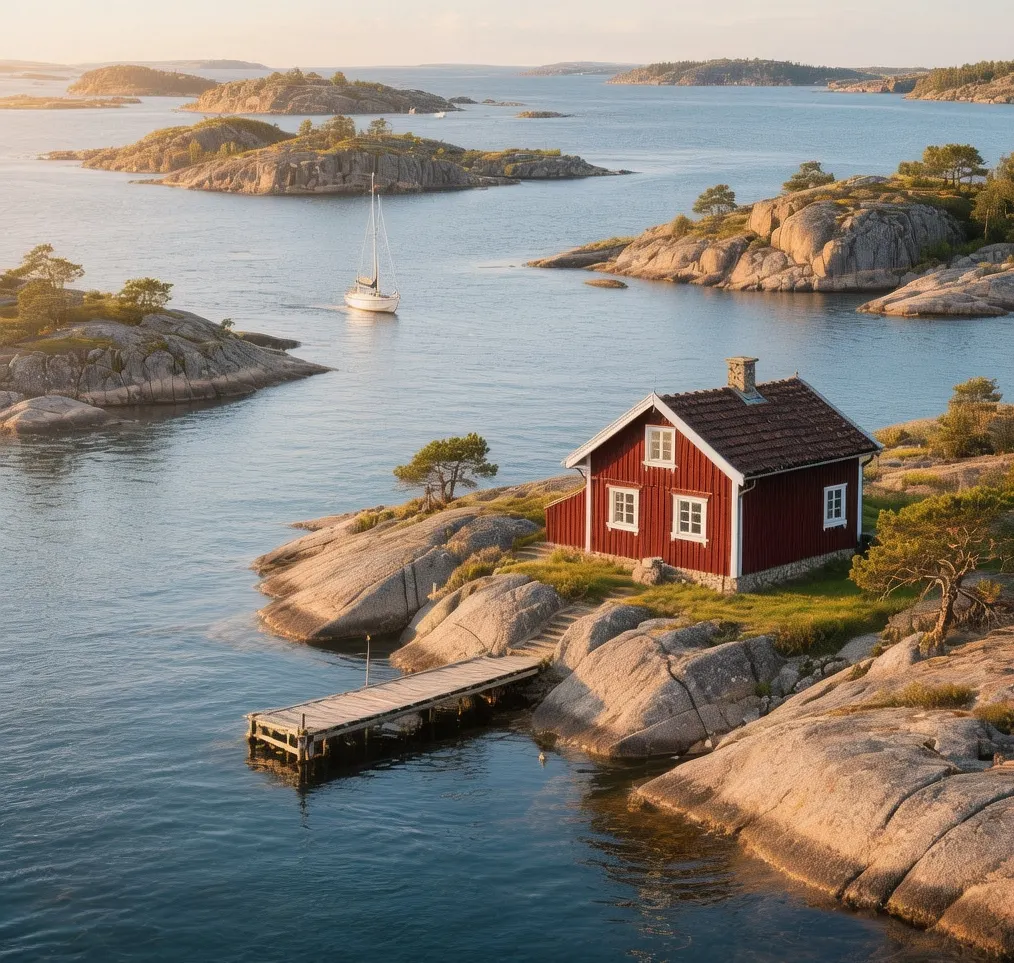
Gothenburg Archipelago Car-Free Islands Meet West Coast Maritime Light
The diesel engine of the ferry hums a low, steady bass note beneath your feet as the wake churns white against the deep blue Kattegat. It's 9:00 AM on a crisp June morning, and the air smells of salt spray, sun-warmed pine needles, and wet granite. You stand at the bow of the Västtrafik ferry, watching the skyline of Gothenburg dissolve into a misty grey memory behind you. Ahead lies the Gothenburg Archipelago, a sprawling constellation of 5,000 islands, islets, and skerries stretching westward into the North Sea. These rocks are still rising—post-glacial rebound lifts the land by 9 millimeters per year, slowly rewriting the map. In 2026, as urbanization compresses living spaces worldwide, this maritime wilderness remains a sanctuary of silence and space. This is why you come now: to navigate a landscape shaped by ice and time, to breathe air untouched by exhaust, and to understand that freedom is measured in nautical miles.
Why Gothenburg Archipelago Embodies West Coast Simplicity
The Gothenburg Archipelago isn't merely a scenic backdrop—it's a cultural experiment in sustainable living born from centuries of maritime tradition. When the first pilot stations were established in the 18th century, these islands served as critical navigation points for ships entering the Göta River. The southern archipelago, accessible via tram and ferry, was designated car-free in the 1970s, solving a fundamental problem: how to preserve community cohesion against the fragmentation of automobile traffic. Today, islands like Vrångö and Styrsö rely entirely on electric service vehicles and bicycles, maintaining a quiet atmosphere unseen in most coastal destinations. The Västtrafik shipping company maintains a network of 13 routes connecting 10 inhabited islands, ensuring residents and visitors alike can navigate this fragmented terrain without private cars.
Technically, the infrastructure is a marvel of integrated public transport. The ferries are ice-classed vessels capable of breaking through winter ice up to 50 centimeters thick, ensuring year-round connectivity. The islands themselves vary dramatically: the southern archipelago features lush forests and red wooden cottages, while the northern skerries are bare rock exposed to open sea winds. Over 800,000 visitors explore these waters annually, yet the sheer scale—covering 1,200 square kilometers—prevents overcrowding. In 2026, the Gothenburg Archipelago fulfills a profound role in Swedish cultural identity; it represents the allemansrätten (right of public access), allowing anyone to roam freely on private land provided they do not disturb. This legal framework ensures the landscape remains a shared resource rather than a privatized commodity. It stands as a testament to the balance between human habitation and natural preservation.
The Best Time to Experience Gothenburg Archipelago
Timing your visit to the Gothenburg Archipelago requires balancing Sweden's dramatic seasonal light shifts with ferry schedules. The optimal window runs from June 15 to August 20, when daylight extends to 18 hours and temperatures average 17–22°C (63–72°F). For the quietest experience with optimal photography light, target June 20–July 5, arriving at the Saltholmen terminal between 8:00–9:30 AM. Morning departures ensure you reach the outer islands before afternoon winds pick up, which can chop the water and delay connections. The soft northern light enhances the red cottages against the green pine forests without creating harsh shadows.
Avoid the period from July 10 to July 25, when Swedish summer holidays create peak congestion; ferry queues can exceed 30 minutes, and accommodation on popular islands like Vrångö books out months in advance. Winter visits (November–March) offer stark beauty but limited daylight (6 hours) and colder temperatures averaging -4–3°C (25–37°F). Many ferry routes reduce frequency or suspend service due to ice. For real-time ferry schedules and weather warnings, check the official website at vasttrafik.se. The Gothenburg Tourism Board updates visitor information via their info line at +46 31 772 26 00 before traveling. Verify specific island opening hours via their individual websites, as seasonal cafes vary.
Weather on the water can be windier than central Gothenburg due to lack of shelter. If visiting in late autumn, dress in layers; the wind channeling between islands can drop perceived temperatures by 5°C. Late August offers the added bonus of the crayfish season, where local restaurants host traditional parties. Plan your return around the last ferry (usually 7:00 PM for outer islands) to avoid being stranded overnight unless booked.
Approximate Budget for a 7-Day Trip (2026)
Visiting Gothenburg requires budgeting for Northern European price levels, which have risen approximately 4.5% annually due to inflation (Statistics Sweden, 2025). The following estimates reflect 2026 pricing for a moderate travel style: comfortable mid-range accommodation, mix of casual dining and self-catering, and efficient public transport use. These costs assume a base in Gothenburg with day trips to the Gothenburg Archipelago as a primary focal point.
- Accommodation: €180–€350 per night. Hotels in Haga or City Center average €280/night for a double room. Archipelago cabins (Vrångö/Styrsö): €220–€350/night. Budget hostels near Central Station: €100/night for dorm beds. Book 4–6 months ahead for summer dates.
- Food: €70–€110 per day. Breakfast: €18–€25 (coffee €5, smörgås open sandwich €10, fruit €5). Lunch: €25–€35 (fish soup €22, coffee €5). Dinner: €40–€60 (grilled herring €38, local beer €10, dessert €10). Grocery shopping at ICA or Coop reduces daily food costs to €45–€60.
- Transportation: Västtrafik 72-hour Pass: €45 (covers trams, buses, ferries). Airport Flygbussarna train: €30 round-trip. Taxi from airport: €70–€90 (avoid unless necessary). Tram line 11 to Saltholmen: Included in pass.
- Attractions: Archipelago ferry entry: FREE (included in transport pass). Kayak rental (half-day): €40. Boat tour to northern skerries: €50. Gothenburg City Card (3-day): €150 (includes some boats). Museum entry: €16 average.
- Miscellaneous: Waterproof jacket rental: €30/week. Souvenirs: Glass art €45, Swedish wool blanket €130, guidebook €28. Travel insurance: €55–€95 for 7 days. Ferry picnic supplies: €20.
Total estimated cost for 7 days: €2,800–€4,200 per person (based on double occupancy; solo travel increases costs by 40%)
7 Essential Gothenburg Archipelago Experiences
- Ride the Ferry to Vrångö: This route from Saltholmen to Vrångö is the classic archipelago journey. Depart from Saltholmen terminal at 10:00 AM. The trip takes 60 minutes and passes 10+ islands. Sit on the upper deck for panoramic views. The air smells of salt and pine. You see red cottages nestled among rocks. It is the most efficient way to see the diversity. Bring a windbreaker; it is breezy on deck. Photography is excellent from the stern.
- Hike the Nature Reserve on Vrångö: Located on the southern tip of the island. Access via 10-minute walk from jetty. Open 24 hours. Free entry. You hike trails through untouched pine forest. The path loops around the island perimeter. Spend 90 minutes here absorbing the history. The view over the sound is strategic and beautiful. It offers context for the region's maritime past. Binoculars are helpful for bird watching.
- Kayak the Inner Islands: Rent a sea kayak from Styrsö Värdshus. Cost €40 for 4 hours. Paddle through calm channels between islets. The silence is profound compared to the ferry. You can land on uninhabited skerries for a picnic. Visit between 11:00 AM–3:00 PM for calmest water. Wear a dry suit if swimming is planned. It offers an intimate connection to the water. Life jackets are mandatory and provided.
- Swim from Granite Cliffs: Many islands feature smooth rock surfaces perfect for jumping. Find a spot on Köpstadsö or Donsö. The water temperature averages 17°C (63°F) in July. Dive carefully; check depth first. The contrast between hot sun and cold water is invigorating. Bring a towel and dry bag. It is a quintessential Swedish summer activity. Respect private property signs near docks.
- Enjoy Fika on a Jetty: Purchase coffee and buns from the island kiosk. Sit on the wooden pier overlooking the water. Order a kanelbulle (cinnamon bun). Watch the ferries pass in the distance. Spend 30 minutes doing nothing. This pause reflects the Swedish value of lagom. It is cheaper than restaurant dining. The sound of lapping water enhances the taste. Do not leave trash behind.
- Visit the Lighthouse at Vinga: Take the ferry to the outermost island. The lighthouse dates from 1841. Entry fee €12. Climb the tower for a 360-degree view. You see the open North Sea horizon. Visit at sunset for dramatic lighting. The wind is strong here; secure loose items. It marks the boundary of the sheltered waters. The history of shipwrecks is poignant.
- Dine on Fresh Seafood: Restaurant Vrångö Värdshus serves local catch. Order the gravlax (cured salmon) with mustard sauce. Open daily 11:00 AM–9:00 PM. Prices are higher but quality is exceptional. Sit on the terrace to watch the sunset. The fish is often caught same-day. It offers a genuine taste of the archipelago. Reservations recommended for dinner. Wine pairings are available.
3 Hidden Gems Most Travelers Miss
- Galterö Huvud Nature Reserve: Located on Galterö island, accessible via ferry line 280. Access via 15-minute walk from jetty. Open June–August, 10:00 AM–6:00 PM. Free entry. You see rare orchids and coastal meadows. Why it's overlooked: It is smaller than Vrångö and less marketed. Insider tip: Visit during midsummer for wildflower blooms. It offers botanical diversity often missed. The birdlife is exceptional for photographers.
- Donsö Harbor Walk: Located in the southern archipelago. Access via ferry line 280. Open 24 hours. Free entry. You walk among active fishing boats and shipyards. Why it's overlooked: Tourists focus on swimming islands. Insider tip: Visit early morning when fishermen return with catch. It offers industrial heritage context often missing. The smell of tar and fish is authentic. Respect working areas and do not touch gear.
- Styrsö Skäret Beach: Located on the western side of Styrsö. Access via 20-minute walk from jetty. Open daily sunrise to sunset. Free entry. You swim on a sandy beach rare in the archipelago. Why it's overlooked: Most beaches are rocky granite. Insider tip: Bring water shoes for the approach path. It offers family-friendly swimming away from crowds. The sand is coarse but comfortable. Facilities are limited so bring supplies.
Cultural & Practical Tips
- Respect the allemansrätten: The right of public access allows roaming but requires responsibility. Do not disturb wildlife or damage vegetation. Camping is allowed for one night unless marked otherwise. Pronunciation: AL-leh-mans-retten. This legal right is cherished by Swedes. Violations can result in fines. Leave no trace of your visit.
- Photography guidelines: Flash photography is prohibited inside museums and churches. Tripods are permitted on public land but not on ferry decks during peak times. Drones require permission from the Transport Agency. Respect privacy; do not photograph private cottages close up. Golden hour light is best for landscapes. Protect gear from salt spray. Use waterproof bags.
- Queue etiquette: Swedes value orderly lines. Do not cut queues at ferry terminals. Wait for your turn at ticket kiosks. If unsure, ask: "Var är kön?" (Var air kern?) = Where is the line? Pushing or crowding is frowned upon. Patience is viewed as a virtue. Let passengers exit before you board.
- Weather preparedness: Archipelago weather is unpredictable. Pack: waterproof jacket, layers (temperatures vary 10°C daily), sturdy shoes (rocks are slippery). Check smhi.se for marine forecasts. Even in summer, sea breezes can drop temperatures to 13°C (55°F). Carry a compact umbrella. Rain can start suddenly without warning.
- Language basics: While 90% of Swedes speak English, learning basics shows respect. "Tack" (Tahck) = Thank you; "Hej" (Hay) = Hello; "Ursäkta" (Ur-shock-tah) = Excuse me. Pronunciation is soft; avoid harsh consonants. Staff appreciate efforts to speak Swedish even if imperfect. It bridges the gap between tourist and guest.
- Accessibility information: Ferries have wheelchair access but some islands have steep rocky paths. Wheelchairs are available at major terminals (free, first-come-first-served). Service dogs are permitted throughout. Restrooms on larger islands include accessible stalls. Verify specific needs via email: info@vasttrafik.se before arrival. Some skerries are inaccessible.
- Payment systems: Sweden is nearly cashless. Ferries accept cards only; cash is not accepted at ticket kiosks. Ensure your credit card has a PIN code. Contactless payment (Apple/Google Pay) works everywhere. Inform your bank of travel to avoid blocks. Small purchases (€5) can be made by card. Carry minimal cash for emergencies only.
Conclusion: Travel with Reverence, Not Just Reservations
The Gothenburg Archipelago doesn't need your Instagram post—it existed for 10,000 years before social media validation. What it asks, what this maritime wilderness demands, is something rarer than a tagged photo: your patience, your curiosity, your willingness to sit quietly on a granite rock and watch the tide rise. In 2026, as destinations compete with virtual reality and digital distractions, the archipelago remains anchored in physical reality. This is the paradox of preservation: the more we touch, the more we risk; the more we observe, the more we understand. Come to Gothenburg not just to check a box, but to witness the delicate balance between human habitation and nature. The islands will remain long after your film rolls are developed. But you—standing here, breathing the same air that surrounds these ancient skerries—will carry a reminder that nature is not dead, it is alive. That is the true currency of travel: not the places you've seen, but the silence you've honored. Come to the Archipelago. But come slowly, come quietly, come ready to listen to the water.