
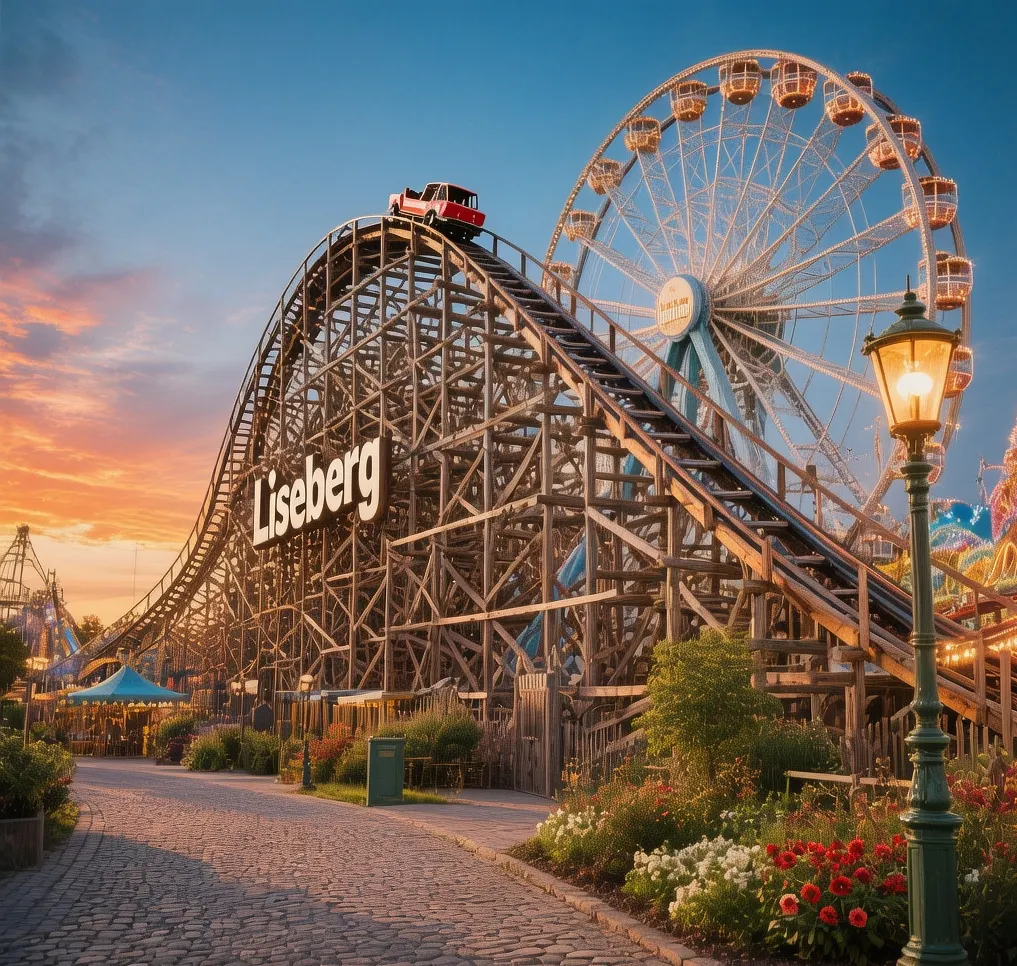
Liseberg Amusement Park Nordic Thrills Meet Gothenburg Heritage
The air vibrates with a low-frequency hum—the hydraulic launch of the Helix coaster building pressure beneath the track. It's 8:00 PM on a crisp June evening, and the sky is still light, painted in the pale blue of the Scandinavian midnight sun. You stand at the entrance of Liseberg Amusement Park, where the scent of burnt sugar, hot dogs, and pine trees mingles with the excited shrieks of riders. Since opening on May 8, 1923, for the Gothenburg Jubilee Exhibition, this 450,000-square-meter playground has evolved into Northern Europe's largest amusement park. Over one million lights flicker to life as dusk settles, transforming the wooden structures into a glowing fortress of fun. In 2026, as digital entertainment isolates us in screens, this physical cathedral of adrenaline offers a shared human experience. This is why you come now: to feel the G-force in your chest, to taste candy floss spun by hand, and to understand that joy is best when it is collective, loud, and undeniably real.
Why Liseberg Amusement Park Embodies Nordic Joy
The Liseberg Amusement Park isn't merely a collection of rides—it's a cultural institution born from a need to celebrate resilience. When the park opened in 1923, Sweden was emerging from decades of social transformation; the park solved a societal need for communal leisure space accessible to the working class. Designed initially by Axel Janse, the landscape incorporated the natural slopes of the valley, using the 76-meter elevation change to create dramatic ride profiles without excessive artificial scaffolding. Today, the park welcomes over 3 million visitors annually, making it the most visited attraction in Scandinavia. The engineering marvels here are significant: the Helix coaster, opened in 2014, features two launch tracks and seven inversions, utilizing linear synchronous motor technology to propel trains from 0 to 100 kilometers per hour in 2.5 seconds.
Technically, the park balances heritage with innovation. The original wooden carousel from 1923 still operates, maintained by craftsmen who hand-paint the horses annually. Conversely, the new attractions incorporate virtual reality elements and sustainable energy systems; solar panels on rooftops power 15% of the park's consumption. In 2026, the Liseberg Amusement Park fulfills a profound human need for escapism grounded in safety. The safety systems are rigorous; rides undergo 200+ hours of testing before public opening, monitored by the Swedish Work Environment Authority. This blend of nostalgia and cutting-edge technology ensures the park remains relevant across generations. It stands as a testament to the belief that play is not frivolous—it is essential infrastructure for a happy society.
The Best Time to Experience Liseberg Amusement Park
Timing your visit to the Liseberg Amusement Park requires balancing Sweden's dramatic seasonal light shifts with operational schedules. The optimal window for summer rides runs from June 15 to August 20, when daylight extends to 18 hours and temperatures average 18–24°C (64–75°F). For the quietest experience with optimal photography light, target June 20–July 5, arriving at the main gate between 10:00–11:30 AM. Morning visits allow you to access popular coasters before queue times exceed 45 minutes. The soft northern light enhances the colorful façades without creating harsh shadows on the tracks.
Avoid the period from July 10 to July 25, when Swedish summer holidays create peak congestion; wait times for Helix can exceed 90 minutes, and restaurant queues stretch down the pathways. However, if you seek atmospheric magic, visit during Halloween (October 13–29) or Christmas (November 18–December 30). Winter visits offer festive lights but colder temperatures averaging -2–5°C (28–41°F) and limited ride availability due to wind restrictions. For real-time opening hours and ride closure notices, check the official website at liseberg.se. The park updates visitor information via their info line at +46 31 338 40 00 before traveling. Verify specific event schedules via their individual websites, as special concerts vary.
Weather in Gothenburg can be windier than central Stockholm due to coastal exposure. If visiting in late autumn, dress in layers; the wind channeling through the valley can drop perceived temperatures by 5°C. Late August offers the added bonus of the Gothenburg Culture Festival, where stages set up near the park host free performances. Plan your visit around the evening light show (usually 10:00 PM in summer) to maximize the visual spectacle.
Approximate Budget for a 7-Day Trip (2026)
Visiting Gothenburg requires budgeting for Northern European price levels, which have risen approximately 4.5% annually due to inflation (Statistics Sweden, 2025). The following estimates reflect 2026 pricing for a moderate travel style: comfortable mid-range accommodation, mix of casual dining and self-catering, and efficient public transport use. These costs assume a base in Gothenburg with day trips to the Liseberg Amusement Park as a primary focal point.
- Accommodation: €180–€350 per night. Hotels in Haga or City Center average €280/night for a double room. Park-adjacent hotels (Liseberg Hotel): €320–€450/night. Budget hostels near Central Station: €100/night for dorm beds. Book 4–6 months ahead for summer dates.
- Food: €70–€110 per day. Breakfast: €18–€25 (coffee €5, smörgås open sandwich €10, fruit €5). Lunch: €25–€35 (hot dog €8, pizza slice €12, coffee €5). Dinner: €40–€60 (grilled herring €38, local beer €10, dessert €10). Grocery shopping at ICA or Coop reduces daily food costs to €45–€60.
- Transportation: Västtrafik 72-hour Pass: €45 (covers trams, buses, ferries). Airport Flygbussarna train: €30 round-trip. Taxi from airport: €70–€90 (avoid unless necessary). Tram line 3 to Liseberg: Included in pass.
- Attractions: Liseberg entry (1-day): €65 per adult (free for under 3). Liseberg 2-day pass: €110. Gothenburg City Card (3-day): €150 (includes some transport). Museum entry: €16 average.
- Miscellaneous: Waterproof jacket rental: €30/week. Souvenirs: Helix model €45, Swedish wool blanket €130, guidebook €28. Travel insurance: €55–€95 for 7 days. Ride photo packages: €35.
Total estimated cost for 7 days: €2,800–€4,200 per person (based on double occupancy; solo travel increases costs by 40%)
7 Essential Liseberg Amusement Park Experiences
- Ride the Helix Coaster: This steel coaster is the park's flagship attraction. Queue opens at 10:00 AM. The ride lasts 2 minutes and 30 seconds. You experience 7 inversions and 4G forces. Sit in the front row for the best view. The launch accelerates you into a dark tunnel. It is the most intense ride in the park. Wear secure shoes; loose items are not permitted. Photography is prohibited on the ride for safety.
- Ascend the AtmosFear Tower: Located near the main entrance, this drop tower rises 116 meters. Entry included with park ticket. The ascent offers panoramic views of Gothenburg. You hang suspended at the top for 5 seconds. The drop reaches 100 kilometers per hour. Visit at sunset for the best lighting. The wind is strong at the top; secure loose hats. It provides a vertical perspective of the city.
- Eat a Liseberg Hot Dog: The park sells over 1 million hot dogs annually. Find the stand near the Helix queue. Cost €8 per sausage. Order with fried onions and remoulade sauce. The bread is freshly baked daily. It is a cultural staple of the visit. Eat while walking to save time. The smell guides you to the stalls. It offers a quick energy boost between rides.
- Ride the Historic Carousel: Located in the old section near the entrance. Built in 1923. Entry included with park ticket. The horses are hand-carved wood with real hair tails. The music is mechanical, powered by a pinned barrel. Visit in the evening when the lights glow. It offers a nostalgic experience for adults and children alike. It is a functioning artifact, not a replica. Wait times are usually short except on weekends.
- Walk the Gardens: The park features 100,000 planted flowers annually. Follow the path behind the restaurant area. The landscaping wins international awards. Visit between 11:00 AM–3:00 PM for bloom visibility. The scent of roses and lilacs is intense. It offers a quiet contrast to the ride noise. Benches are available for resting. It is a good spot for photography without crowds.
- Watch the Evening Light Show: The park illuminates 1 million lights at dusk. Show starts at 10:00 PM in summer. View from the main plaza near the stage. The synchronization with music is precise. Spend 20 minutes watching the display. It transforms the park into a fantasy landscape. It is free with entry ticket. The finale involves fireworks on special dates.
- Visit the Christmas Market: If visiting in winter, this is essential. Open November 18–December 30. Entry fee applies (€25 in winter). You see wooden cottages selling crafts. Order glögg (mulled wine) with almonds. The smell of pine and spices fills the air. It offers a traditional Swedish holiday experience. The rides operate in winter weather. Dress warmly; it is cold at night.
3 Hidden Gems Most Travelers Miss
- Lisebergsporten Viewpoint: Located at the top of the main hill near the restaurant. Access via the path behind the Helix queue. Open daily 10:00 AM–10:00 PM. Free entry. You see the entire park layout and city skyline. Why it's overlooked: Tourists rush to the rides. Insider tip: Visit at twilight when the city lights turn on. It offers the best panoramic photo opportunity. The bench here is quiet for reflection.
- The Heritage Zone: Located in the northern corner near the old entrance. Access via the path past the carousel. Open daily 10:00 AM–8:00 PM. Free entry. You see preserved buildings from the 1923 exhibition. Why it's overlooked: It is away from the main thrill rides. Insider tip: Ask the staff about the original ticket booths. It offers historical context often missing. The architecture is Art Nouveau style.
- Secret Garden Bench: Located behind the flower shop near the exit. Access via the small gate marked 'Personal'. Ask permission first. Open daily 11:00 AM–6:00 PM. Free entry. You sit in a secluded rose garden. Why it's overlooked: It appears to be staff only. Insider tip: It is often available for guests during quiet periods. It offers silence away from the crowds. The scent of roses is strongest here.
Cultural & Practical Tips
- Respect the fika culture: Swedes value coffee breaks as social rituals. Don't rush your café visit; lingering is expected. Order a kanelbulle (cinnamon bun) with your coffee. Pronunciation: FEH-kah. This pause reflects the Swedish value of lagom (balance/moderation). Rushing through meals is considered impolite in shared spaces.
- Photography guidelines: Flash photography is prohibited on rides for safety. Tripods are not permitted on busy pathways. Selfie sticks are banned entirely on attractions. Commercial photography requires written permission from the communications department. Respect other visitors; do not block viewing platforms for extended shots. Privacy is valued highly; ask before photographing children.
- Queue etiquette: Swedes value orderly lines. Do not cut queues, even if they seem unstructured. Wait for your turn at ticket kiosks. If unsure, ask: "Var är kön?" (Var air kern?) = Where is the line? Pushing or crowding is frowned upon. Patience is viewed as a virtue. Let people exit trains before you board.
- Weather preparedness: Gothenburg weather is unpredictable. Pack: waterproof jacket, layers (temperatures vary 10°C daily), comfortable walking shoes (paths are paved). Check smhi.se for marine forecasts. Even in summer, sea breezes can drop temperatures to 14°C (57°F). Carry a compact umbrella. Rain can start suddenly without warning.
- Language basics: While 90% of Swedes speak English, learning basics shows respect. "Tack" (Tahck) = Thank you; "Hej" (Hay) = Hello; "Ursäkta" (Ur-shock-tah) = Excuse me. Pronunciation is soft; avoid harsh consonants. Staff appreciate efforts to speak Swedish even if imperfect. It bridges the gap between tourist and guest.
- Accessibility information: The Park has wheelchair access to most rides but some historic attractions have stairs. Wheelchairs are available for loan at the information desk (free, first-come-first-served). Service dogs are permitted throughout. Restrooms include accessible stalls. Verify specific needs via email: info@liseberg.se before arrival. Some queues are narrow.
- Payment systems: Sweden is nearly cashless. The Park accepts cards only; cash is not accepted at ticket kiosks. Ensure your credit card has a PIN code. Contactless payment (Apple/Google Pay) works everywhere. Inform your bank of travel to avoid blocks. Small purchases (€5) can be made by card. Carry minimal cash for emergencies only.
Conclusion: Travel with Joy, Not Just Thrills
The Liseberg Amusement Park doesn't need your Instagram post—it has brought laughter to generations without social media validation. What it asks, what this playground of light demands, is something rarer than a tagged photo: your presence, your laughter, your willingness to scream until your throat hurts. In 2026, as entertainment becomes increasingly virtual and isolated, Liseberg remains anchored in physical reality. This is the paradox of play: the more we share, the more we feel; the more we let go, the more we remember. Come to Gothenburg not just to check a box, but to witness the delicate balance between adrenaline and community. The lights will remain long after your film rolls are developed. But you—standing here, breathing the same air that surrounds these wooden coasters—will carry a reminder that joy is not dead, it is inhabited. That is the true currency of travel: not the places you've seen, but the happiness you've honored. Come to Liseberg. But come loudly, come proudly, come ready to laugh at the sky.