
Höfn Lobster Town Fresh Langoustine Meets Glacier Views
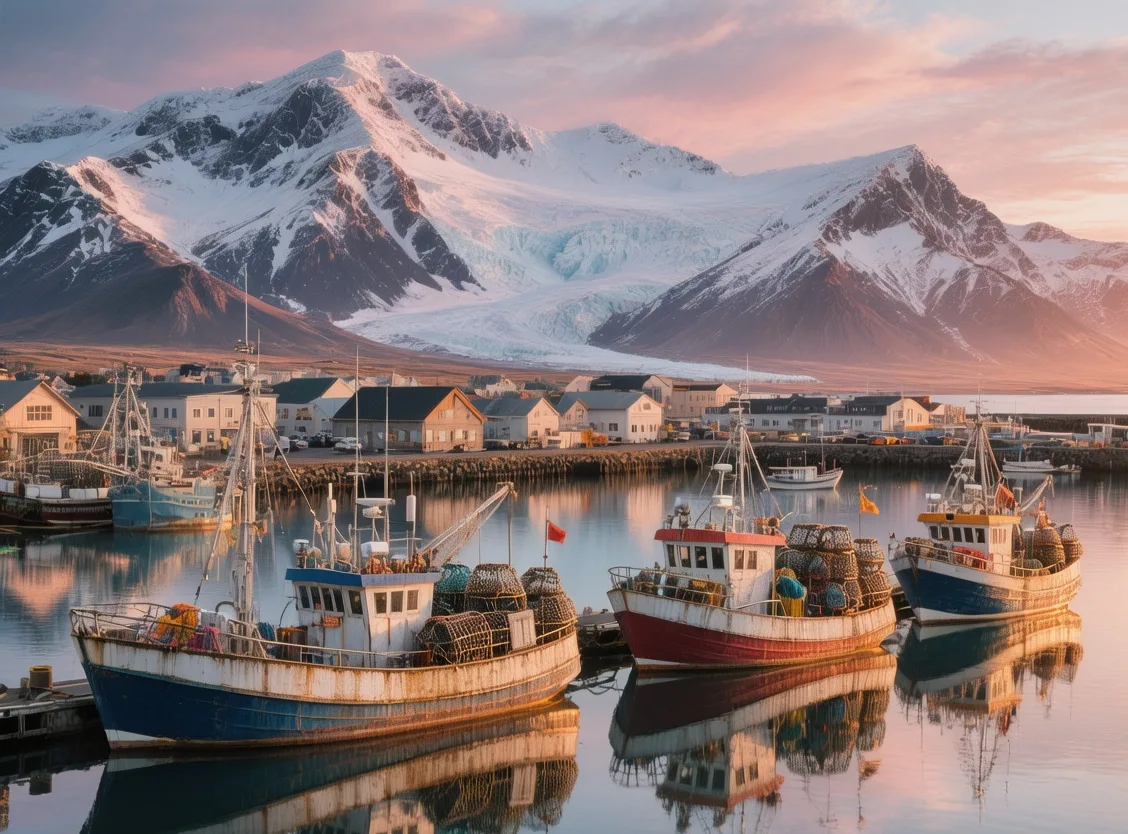
The air smells of salt and diesel—a pungent, honest scent that signals a working harbor rather than a tourist trap. You stand on the waterfront of Hornafjörður bay, watching red fishing trawlers bob against the quay as seagulls cry overhead. Behind you, the jagged peaks of the Hornafjörðurfjöll mountains rise 1,000 meters (3,280 feet) into the sky, framing the town like a natural amphitheater. This is Höfn lobster town, a community of 1,800 souls founded in 1974 when several smaller villages merged to form a municipal center. The sound of crates being unloaded echoes across the water; inside those crates lies the town's lifeblood: Nephrops norvegicus, the prized Icelandic langoustine. Sunset lingers until 11:30 PM in June, casting golden light on the white rooftops and the gray Atlantic. In 2026, as global seafood supplies dwindle and overtourism homogenizes coastal villages, the Höfn lobster town matters now more than ever—a living testament to sustainable fishing practices and community resilience where culinary tradition anchors a changing world.
Why Höfn Lobster Town Embodies Icelandic Sustainability
The Höfn lobster town represents far more than a dining destination—it is Iceland's model for sustainable marine resource management and economic independence. Established officially in 1974, the municipality consolidated fishing operations to maximize efficiency in the harsh North Atlantic environment. Today, the fleet consists of approximately 30 dedicated langoustine vessels, utilizing selective trawling methods that minimize bycatch and seabed damage. This approach solves a critical global problem: how to harvest luxury seafood without depleting the stock. The town exports over 3,000 tons of langoustine annually, generating €40 million in revenue that sustains local infrastructure, schools, and healthcare. This economic engine fulfills a human need for stability in a remote region where agriculture is impossible due to volcanic soil and harsh weather.
Technical specifications highlight the engineering behind the industry. The processing plants operate at 2°C (36°F) to maintain freshness, with lobsters sorted by size within hours of capture. The harbor depth averages 8–12 meters, accommodating vessels up to 30 meters in length. Designated a UNESCO Creative City of Gastronomy candidate in 2025, the site draws 150,000+ visitors annually, primarily during the summer season. The Höfn lobster town fulfills a cultural need: preserving the knowledge of世代 (generations) of fishermen who understand the ocean's rhythms. It proves that culinary tourism can support rather than exploit a community when visitors respect the labor behind the meal. The town's existence depends on the health of the Hornafjörður ecosystem, creating a symbiotic relationship between nature and nurture.
The Best Time to Experience Höfn Lobster Town
Timing your visit to the Höfn lobster town requires balancing festival events, weather safety, and seafood availability. For the ultimate culinary experience, target July 1–July 7 during the annual Lobster Festival (Humarhátíð). During this window, temperatures range from 10–15°C (50–59°F), and daylight stretches 21 hours. The festival features cooking competitions, live music, and discounted menus between 12:00–10:00 PM. Crowds are high but festive; book accommodation 6 months in advance. For quieter exploration with fresh catch, visit between June 15–August 31. Fishing season is year-round, but summer offers the calmest harbor conditions.
For winter photography and northern lights, visit between November 1 and March 31. Temperatures drop to -5–5°C (23–41°F), and the harbor freezes partially during cold snaps. The town is less crowded, offering authentic interactions with locals. Plan your visit between 11:00 AM–3:00 PM for maximum daylight. However, avoid December 20–January 10 unless prepared for extreme weather; storms can close Route 1 temporarily, and daylight shrinks to 4–5 hours. Also skip July 1–7 if you dislike congestion; this peak festival window brings 5,000+ visitors to the small town. For real-time road conditions and weather
Approximate Budget for a 7-Day Trip (2026)
Exploring the Höfn lobster town anchors a week-long Southeast Iceland adventure. This budget assumes a 7-day trip based in Höfn with day trips to nearby glaciers and lagoons. Prices reflect 2026 rates, accounting for Iceland's average 3.8% annual inflation from 2024–2026 (source: Statistics Iceland). All amounts shown in euros; multiply by 1.08 for USD equivalents. Note that Iceland uses ISK, but € is provided for international comparison.
Accommodation: €160–€340 per night
• Budget guesthouse in Höfn (harbor view): €160–€210
• Mid-range hotel (Town center): €240–€300
• Luxury (Hotel Edda or similar): €400–€550
• Camping (seasonal, Höfn): €30 per person
Food: €70–€120 per day
• Breakfast: €15–€20 (hotel buffet or bakery pastry + coffee)
• Lunch: €25–€35 (langoustine soup or fish sandwich)
• Dinner: €45–€70 (grilled langoustine or Arctic char)
• Groceries (self-catering): €45/day
Transportation:
• Keflavík Airport to Reykjavík Flybus: €35 round-trip
• Rental car (4x4 SUV, 7 days): €450 + €180 fuel
• Southeast Iceland day tour: €110
• Reykjavík city bus (Strætó): €3.50 per ride
• Höfn parking: Free
Attractions:
• Lobster Festival entry: Free (food extra)
• Glacier hike: €95
• Ice cave tour: €120
• Perlan Museum: €30
• Blue Lagoon day trip: €110
• Golden Circle tour: €95
• Jökulsárlón boat tour: €65
Miscellaneous:
• Icelandic wool sweater (lopapeysa): €120–€190
• Thermal base layers: €90
• Travel insurance: €60
• Souvenirs (salt, handicrafts): €50
• Tips (not expected but appreciated): €30
Total for 7 days (mid-range): €2,600–€2,950 per person
Total (budget-conscious): €1,750–€2,000 per person
6 Essential Höfn Lobster Town Experiences
1. Dine at Pakkhúsið Restaurant: Located on the harbor front, this venue offers the definitive langoustine experience. Order the grilled whole lobster with garlic butter. Visit at 7:00–9:00 PM for sunset views. The interior features nautical decor and large windows overlooking the boats. Reserve 2 weeks in advance (+354 478 1145). This is the most iconic meal in Southeast Iceland.
2. Walk the Harbor Promenade: Start at the tourist information center and walk the 1-kilometer loop around the marina. Watch fishermen mend nets and unload catches. Visit at 6:00–8:00 AM when the boats return. The smell of fresh sea water and fish is intense. This experience reveals the working heart of the Höfn lobster town.
3. Visit the Cultural Center (Menningarhúsið): Located on Hafnarbraut street, this center hosts art exhibitions and historical displays. Open 1:00–5:00 PM (weekdays). Entry: Free. The gallery features local photographers documenting the fishing industry. Use the restrooms and get trail maps here. This context transforms the visit from tourism to education about maritime heritage.
4. Attend the Lobster Festival: If visiting in early July, join the street parties and tasting events. The festival runs for 4 days with live music stages. Visit at 12:00–10:00 PM during event dates. Try the lobster pasta and bisque. This experience highlights the community's pride in their primary export.
5. View Vatnajökull Glacier: Drive 15 kilometers west to see the glacier tongue looming over the town. The view is visible from Route 1. Visit at 10:00 AM–12:00 PM for clear visibility. The contrast between the white ice and green valley is striking. This perspective emphasizes Höfn's location at the edge of the ice cap.
6. Shop at the Fish Market: Located near the harbor, vendors sell fresh catch directly to the public. Open 10:00 AM–6:00 PM (summer). Buy frozen langoustine to take home. Visit at 2:00–4:00 PM for best selection. This is the only place to get premium seafood at local prices.
3 Hidden Gems Most Travelers Miss
• Höfn Golf Course: Located 2 kilometers east of town on Route 1. This 9-hole course offers views of the glacier and ocean. Open 9:00 AM–9:00 PM (summer). Entry: €25. Why overlooked: Tourists focus on food and miss the recreational landscape. Insider tip: Play at midnight during June for a surreal experience under the sun.
• Suðursveit Black Sand Beach: Located 10 kilometers east of Höfn. This secluded beach features black sand and driftwood without the crowds of Reynisfjara. Access via a gravel road (Route 1015). Why overlooked: Requires careful driving; tour buses skip it. Coordinates: 64.2500° N, 15.1000° W. Best visited at 7:00–8:00 AM for sunrise. The silence is profound.
• Heimabyggð Museum: Located in the old town center, this small museum preserves fishing artifacts and household items from the 19th century. Open 1:00–5:00 PM (weekdays). Entry: €10. Why overlooked: Overshadowed by larger attractions like Jökulsárlón. Insider tip: Ask the curator about the 1974 town merger history for deeper context.
Cultural & Practical Tips
• Respect the working harbor: The Höfn lobster town is a functional industrial zone, not just a scenic spot. Do not block trucks or touch fishing gear. Stay on designated walkways. This ensures safety and maintains good relations with the fishermen.
• Weather preparation: Southeast Iceland experiences rapid weather changes. Even in summer, bring waterproof layers and windproof jackets. Temperatures at the harbor average 3–5°C cooler than inland. Check www.vedur.is for forecasts before visiting.
• Learn these Icelandic phrases:
— Takk (tahk): Thank you
— Góðan daginn (go-than dy-in): Good day
— Humar (hoo-mar): Lobster/Langoustine
— Fallegt (fah-lekt): Beautiful
Icelanders appreciate effort; pronunciation matters less than attempting the language.
• Photography guidelines: Tripods permitted on the promenade but cannot block paths. Ask permission before photographing workers. Drone use requires special permit from the Icelandic Transport Authority. Best light: Sunrise (4:00–6:00 AM summer); golden hour (8:00–10:00 PM). Respect privacy.
• Dining etiquette: Tipping is not expected but appreciated for exceptional service. Reservations are crucial during July. Dress code is casual; clean jeans are acceptable. Seafood is served simply to highlight freshness; avoid overpowering sauces.
• Transportation: Route 1 runs through the town center. Speed limits are strictly enforced (50 km/h). Parking is free but limited near the harbor. Arrive early to secure a spot. In winter, ensure your vehicle is secured against wind; doors can slam shut violently.
Conclusion: Travel with Appreciation, Not Just Consumption
The Höfn lobster town demands more than a perfect food photo—it asks for appreciation. As you sit before that plate of grilled langoustine, recognize that you're not just consuming a meal; you're participating in a century-old tradition of harvesting the sea. In 2026, as industrial fishing depletes oceans globally, Höfn offers both flavor and lesson: that sustainability is possible, that community matters, and that future generations deserve to taste this heritage. Slow down. Listen to the harbor bells. Feel the wind that dries the nets. Understand that this town exists because people chose to stay and steward the water. When you visit the Höfn lobster town in 2026, don't just capture the food for social media—contemplate the hands that caught it. Don't just check a box—honor the labor behind the luxury. Iceland preserves this site not as a theme park, but as a home. Learn. Reflect. Carry this appreciation home. The world needs more supporters of local economies, not just consumers of delicacies.