
Lake Siljan: Where Ancient Meteorite Waters Meet Swedish Folk Tradition
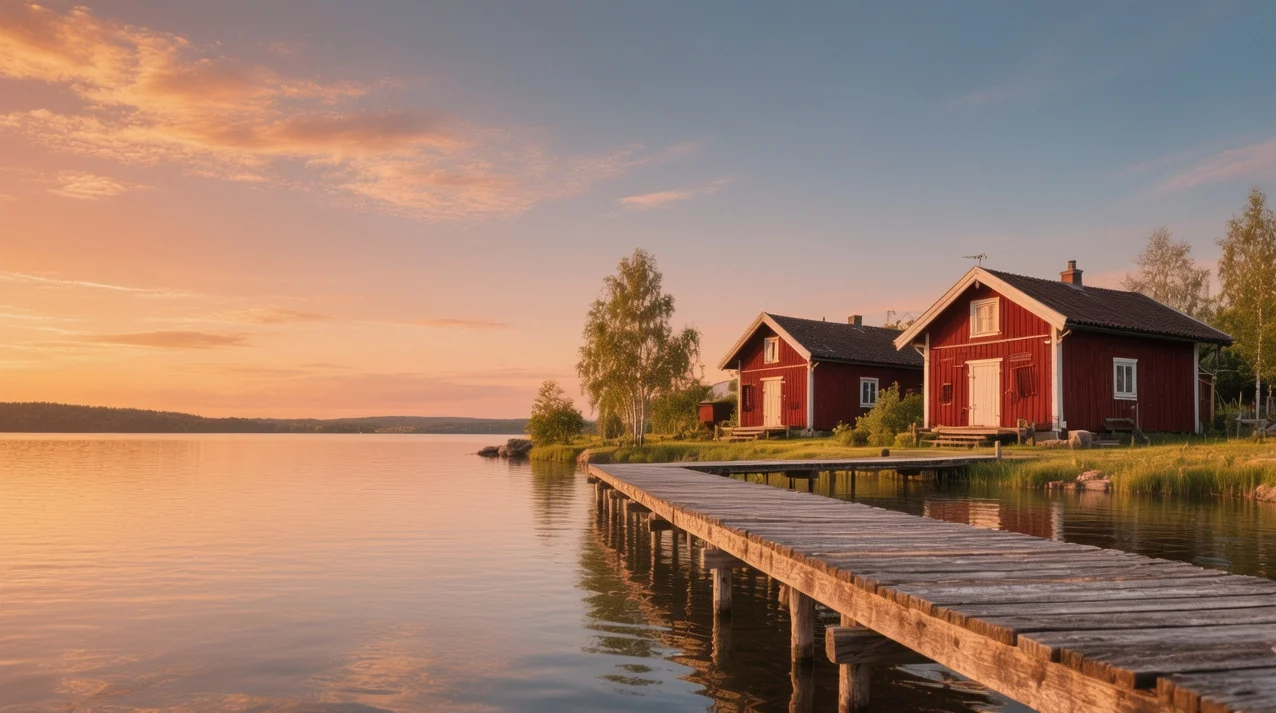
The water lies still as polished glass under the midnight sun—reflecting red cottages, dense pine forests, and a sky that refuses to darken. This is Lake Siljan, the heart of Sweden's Dalarna province, where the air smells of pine resin, wild strawberries, and woodsmoke from distant grills. Formed by a massive meteorite impact roughly 360 million years ago, the lake stretches 354 square kilometers (137 square miles) across the landscape, its depths plunging to 120 meters (394 feet) in the central basin. You stand on a wooden pier warmed by the day's accumulated heat, listening to the gentle lap of water against weathered planks while folk music drifts from a nearby festival ground—fiddles and accordions weaving melodies unchanged for centuries. Here, the boundary between nature and culture dissolves; the lake is not merely a body of water but a living archive of Swedish identity, holding within its clear currents the stories of Vikings, farmers, artists, and musicians who have gathered on its shores since before recorded history. To visit Lake Siljan is to step into a rhythm dictated by seasons and sunlight, where modern urgency surrenders to the timeless pace of water and wood.
Why Lake Siljan Embodies Swedish Natural Heritage
Lake Siljan represents far more than a scenic destination; it is the geological and cultural anchor of Dalarna, Sweden's historic heartland. The lake occupies a circular depression created by one of the world's largest known meteorite impacts, forming a natural ring that shelters villages like Mora, Leksand, and Rättvik within its embrace. This unique geography solved a fundamental survival need for early settlers: the lake provided fertile limestone-rich soil along its shores, abundant fish stocks, and a transportation network that connected isolated communities before roads existed. The water's clarity—often exceeding five meters (16 feet) of visibility—supports a delicate ecosystem of trout, perch, and whitefish, sustaining local fisheries that have operated continuously since the Viking Age.
Culturally, the lake functions as a gathering point for Sweden's most significant folk traditions. The Sweden's National Day celebrations and Midsummer festivals draw thousands to its shores, where the water serves as a reflective backdrop for rituals honoring light and harvest. The region surrounding Lake Siljan contains over 2,000 registered historical monuments, including burial mounds dating to the 5th century and rune stones carved with Old Norse inscriptions. The lake's influence extends to architecture: the iconic Falu red cottages lining its banks were originally painted with copper-rich slag from nearby mines, creating a visual harmony between human settlement and the reddish bedrock exposed by the meteorite strike. This interplay of geology and culture makes Lake Siljan a living museum, where every shoreline curve tells a story of adaptation, resilience, and reverence for the natural world.
The Best Time to Experience Lake Siljan
For the quintessential Lake Siljan experience, plan your visit between June 15–August 20, when water temperatures reach swimmable levels and daylight stretches to 18 hours. During this window, air temperatures average 17–23°C (63–73°F) during the day, dropping to a crisp 9–14°C (48–57°F) at night. The water itself warms to 16–19°C (61–66°F) by late July, making swimming comfortable without a wetsuit. For optimal photography, arrive at the shoreline between 5:00–7:00 AM or 9:00–11:00 PM, when the low-angle sun creates golden reflections on the water surface and mist often rises from the cooler lake depths.
The peak festival season occurs June 19–26 (Midsummer), when villages host traditional dances and maypole raisings directly on the waterfront. Boat tours operate daily from 10:00 AM–6:00 PM during July, offering the best views of the shoreline estates. Avoid visiting during late autumn (October–November), when daylight shrinks to 7 hours, temperatures drop to 2–8°C (36–46°F), and many seasonal restaurants close. Also skip early May, when the snowmelt makes water murky and temperatures remain too cold for outdoor activities. For current water temperature reports and boat schedules, verify at visitsiljan.se before your trip.
Approximate Budget for a 7-Day Trip
Traveling around Lake Siljan involves Swedish pricing standards, reflecting high quality of life and sustainable tourism practices. This budget assumes traveling during peak summer season and balances authentic experiences with mid-range comfort. Prices reflect current rates and assume solo travel (costs decrease 25–35% per person for couples sharing accommodation).
- Accommodation: €90–€170 per night. Budget: Hostel or shared cabin in Mora centrum (€90/night). Mid-range: Traditional stuga (red cottage) with lake view and kitchen (€135/night). Higher-end: Boutique hotel in Leksand with breakfast and spa (€170/night). Book 3–5 months ahead for July.
- Food: €45–€75 per day. Breakfast: €10–14 (hotel included or café with coffee, smörgås open sandwich). Lunch: €16–20 (dagens lunch—daily special including soup, main, salad, bread). Dinner: €25–35 (traditional Swedish at restaurants like Wärdshuset Siljan or Hotell Moras). Self-catering reduces costs by 40%.
- Transportation: Stockholm Arlanda to Mora: €35–50 one-way via Flygbussarna + SJ train (3.5 hours). Local bus around lake: €3.50 per ride (route 201/202). Bicycle rental: €15/day. Car rental (recommended for exploring shores): €60/day plus fuel (€1.85/liter).
- Attractions: Boat cruise on Lake Siljan: €22. Anders Zorn Museum (Mora): €12. Dalarna Museum: €9. Folk music concert: €18. Swimming beach access: Free. Midsummer festival events: Free.
- Miscellaneous: Dala horse souvenir (hand-painted): €35–75. Local craft market purchases: €25–50. Travel insurance: €45 for week. SIM card/data: €20.
Total 7-day budget: €950–€1,450 (excluding international flights)
7 Essential Lake Siljan Experiences
- Sail the historic steamship Stångens: Board the vintage coal-fired steamship at Mora harbor at 10:00 AM for a 3-hour cruise across Lake Siljan. The engine's rhythmic chugging and whistle blasts echo across the water as you pass historic estates, dense forests, and hidden bays inaccessible by road. Stand on the upper deck to feel the breeze and smell the woodsmoke from the funnel. Tickets cost €22; book online 2 weeks ahead for July dates. The ship docks at Leksand and Rättvik, allowing round-trip or one-way journeys.
- Swim at Leksands Badplats: Arrive by 9:00 AM to secure a spot on the wooden docks at Sweden's most famous freshwater beach. The water is clean enough to drink (though not recommended), with sandy entry points perfect for families. Rent a rowboat for €15/hour and paddle to the small island offshore for a picnic. Showers and changing rooms available on-site. The water temperature peaks at 19°C (66°F) in late July—refreshing but brisk.
- Visit the Anders Zorn Museum: Located in Mora on the northern shore, this museum houses works by Sweden's most celebrated painter, who captured Lake Siljan in countless impressions. The building itself is architectural art, designed by Zorn in 1939. Entry costs €12; audio guide included. Spend 90 minutes viewing his watercolors of local fishermen and midsummer dances. The museum garden offers a quiet spot to reflect on the lake's artistic legacy.
- Cycle the Siljan Ring Route: Rent a bicycle in Mora and ride the 90-kilometer (56-mile) circular route around the lake. The path is mostly flat, paved, and separated from car traffic, passing through villages, forests, and shoreline meadows. Allow 6–8 hours with stops. Bring plenty of water; few shops exist on the western shore. The section between Rättvik and Leksand offers the most dramatic views—cliffs dropping directly into deep water.
- Attend a folk music concert: Every Thursday evening at 7:00 PM (July–August), traditional spelmanslag (folk music groups) perform at Zornsgården in Mora. Musicians play nyckelharpa (keyed fiddle), violin, and accordion, performing melodies passed down orally for generations. Entry costs €18; seating is first-come, first-served. Arrive by 6:15 PM for good seats. The acoustics in the wooden hall amplify the drone of the instruments beautifully.
- Explore the Meteorite Museum: In the village of Mora, the Naturum Siljan visitor center explains the geological history of the impact crater. Interactive exhibits show how the 360-million-year-old collision shaped the landscape and soil composition. Entry costs €8; open daily 10:00 AM–5:00 PM. The observation tower offers a 360-degree view of the lake ring structure—essential for understanding the region's unique geography.
- Fish for trout at dawn: Join a guided fishing trip departing at 5:00 AM from Rättvik harbor. Local guides provide rods, bait, and licenses (€45 for 4 hours). The early morning mist creates ethereal conditions as you troll for lake trout along the drop-offs. Even if you catch nothing, the silence and solitude are worth the experience. Catch-and-release is encouraged for sustainable population management.
3 Hidden Gems Most Travelers Miss
- Sollerön Island's Stone Church: Accessible by a short bridge from Mora, this 13th-century stone church sits on an island rarely visited by tour groups. The interior features medieval frescoes preserved in remarkable condition, depicting biblical scenes with local folk art influences. Open Tuesday–Saturday 10:00 AM–4:00 PM (June–August); donation requested. Walk the surrounding nature reserve trails for views back toward Mora without the crowds. The island's microclimate often keeps flowers blooming two weeks longer than the mainland.
- Insjön's Antique Market Shoreline: While the market itself is known, few visitors walk the adjacent shoreline path leading to Grubben bay. This quiet stretch of water features old boathouses converted into art studios, where local painters work behind open doors. Visit Thursday afternoons 1:00–5:00 PM to watch artists at work. No sign marks the entrance; look for the white gate 200 meters south of the main market parking. You can purchase small landscapes directly from creators for €50–150.
- Vikarbyn's Wooden Chapel: Located 15 km south of Rättvik, this tiny wooden chapel (built 17th-century) hosts informal acoustic concerts on Sunday evenings at 6:00 PM during summer. Local musicians gather spontaneously to play; no tickets are sold, only donations. Contact vikarbyns.byalag@gmail.com to confirm schedule. The chapel's untreated wood creates warm acoustics, and the setting among birch trees feels worlds away from tourist centers. Bring a cushion; seating is on hard wooden benches.
Cultural & Practical Tips
- Respect the Right of Public Access: Sweden's Allemansrätten allows you to roam freely in nature, including along Lake Siljan shores, but do not trespass on private gardens or disturb wildlife. Never swim directly off private docks without permission. Carry out all trash; leave no trace.
- Learn essential Swedish phrases: "Tack" (tahk = Thank you), "Hej" (hay = Hello), "Var ligger...?" (var lig-er = Where is...?). Pronunciation matters less than effort—locals appreciate attempts at their language.
- Photography guidelines: Drone use requires municipal permit; contact leksand.kommun@leksand.se two weeks ahead. Flash photography is prohibited inside museums and churches. Respect privacy when photographing private cottages along the shoreline—use a telephoto lens from public paths.
- Swimming safety: While water is clean, depths drop suddenly in some areas. Supervise children closely. Water temperatures remain cold even in summer; limit swims to 20 minutes to avoid hypothermia. No lifeguards are on duty at most beaches.
- Alcohol regulations: Alcohol above 3.5% is sold only at Systembolaget (state store), closed Sundays and holidays. Restaurants serve alcohol with meals. Public drinking is prohibited; enjoy wine or beer at your accommodation or licensed venues.
- Weather preparation: Dalarna weather changes rapidly. Pack layers: temperatures swing from 10–25°C (50–77°F) daily. Bring waterproof jacket (afternoon showers common), sturdy walking shoes, and sunglasses. Insect repellent essential for June–July (mosquitoes active dusk to dawn).
- Cash vs. Card: Sweden is nearly cashless; cards accepted everywhere, even for small purchases. However, bring 200–500 SEK (€20–€50) cash for small market vendors or donation boxes at rural churches.
Conclusion: Travel with Reverence, Not Just Spectacle
Lake Siljan invites you to slow down—to measure your days not by hours but by sunlight, not by destinations but by moments of connection with water and wood. This is not a place to rush through, checking boxes between museums and beaches; it is a landscape that demands presence, asking you to sit on a pier until the light changes, to listen to folk music until you understand the rhythm of the region, to swim in waters that have witnessed centuries of human history. When you travel here with reverence, you honor the communities that have preserved these traditions against the tide of modernization, supporting local artisans and sustainable practices that keep the lake's ecosystem healthy. As you leave Lake Siljan, carry forward the lesson these shores teach: that true richness lies not in what you collect, but in how deeply you allow a place to touch you. The water will remain long after you depart, reflecting the sky and the stars, waiting for the next traveler willing to pause and truly see.