
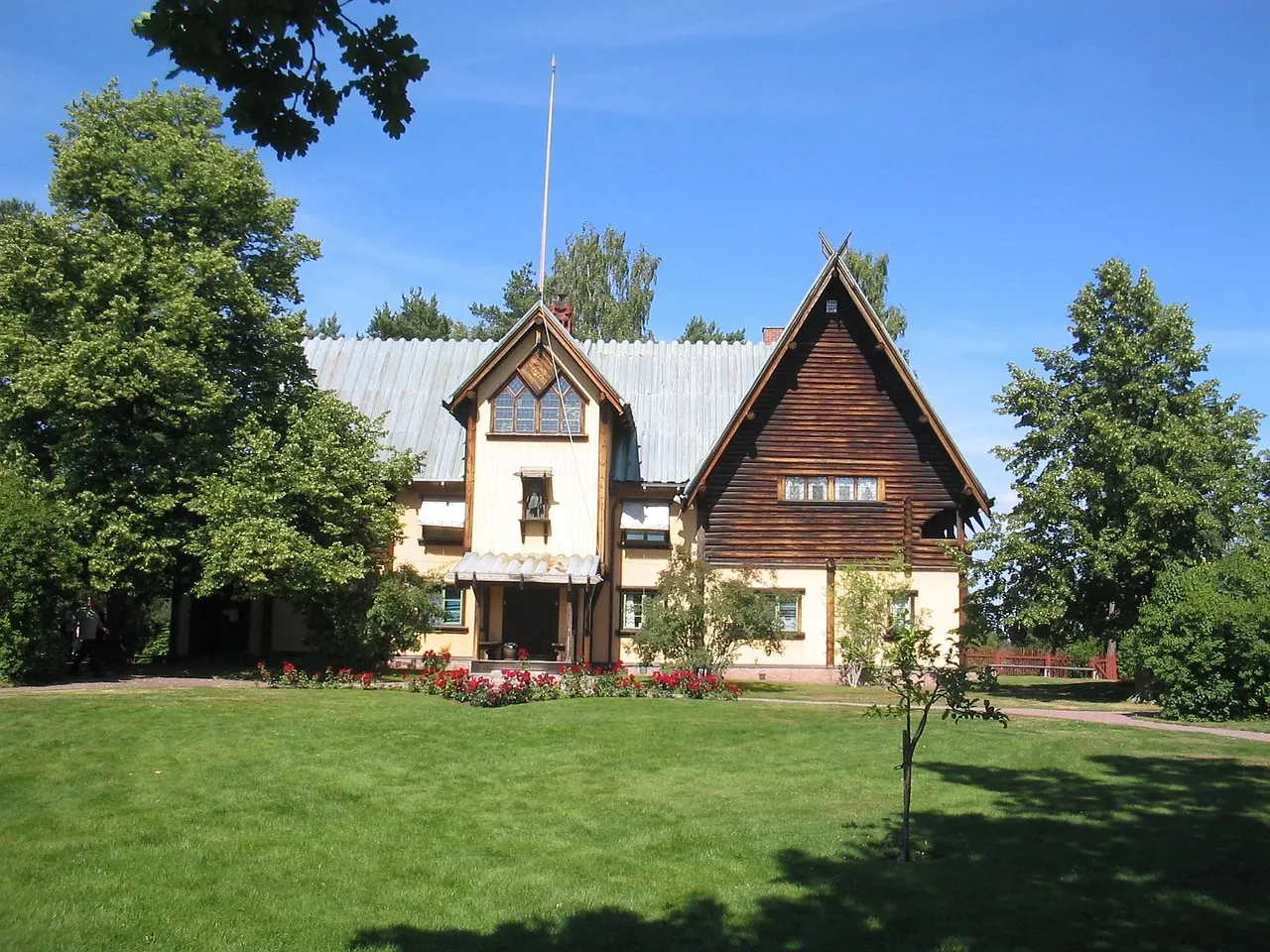
Mora Zorn Museum: Where Swedish Masterpieces Meet Dalarna Light
The air inside hangs still and cool—carrying the faint, sweet scent of aged linseed oil, polished wood, and the dust of decades settled gently on high window sills. You step across the threshold of the Mora Zorn Museum, and the noise of the modern world dissolves into a hushed reverence reserved for sacred spaces. Here, the light is not merely illumination; it is a character in the story, streaming through tall, north-facing windows designed specifically to mimic the soft, diffuse glow of the Dalarna studio where Anders Zorn once worked. The walls breathe with color: deep reds of folk costumes, the crystalline blue of lake water, the warm flesh tones of bathers captured in oil and etching. You stand before Midsummer Dance, feeling the rhythm of the fiddles almost audible in the brushstrokes, while outside, the real Lake Siljan glimmers just 500 meters away. This museum is not a repository of dead things; it is a living testament to a man who captured the soul of a nation, preserving the light, the labor, and the laughter of Swedish life for generations who never knew him. To walk these halls is to understand how art anchors a culture to its land.
Why Mora Zorn Museum Embodies Swedish Artistic Heritage
The Mora Zorn Museum stands as the definitive archive of Anders Zorn's legacy, housing the world's largest collection of his works within a building he designed himself before his death. Constructed in 1939, the structure is an architectural masterpiece of functionalism, built from red brick and copper to harmonize with the surrounding Dalarna landscape. The main hall measures 40 meters (131 feet) in length, with a ceiling height of 7 meters (23 feet) engineered to accommodate large-scale canvases like Midsummer Dance and The Omnibus. The museum solves a critical cultural need: preserving the visual history of Sweden during a period of rapid industrialization, ensuring that rural traditions and natural beauty were documented with the dignity of high art.
The collection encompasses over 1,000 oil paintings, 300 watercolors, and 5,000 etchings, alongside personal artifacts including Zorn's brushes, palettes, and even his boat, Eka. The building's engineering reflects Zorn's obsession with light: the gallery spaces utilize a skylight system with adjustable diffusers to control luminance without damaging sensitive pigments. Climate control systems maintain a constant 20°C (68°F) and 50% relative humidity to protect the organic materials of the canvases. Beyond the art, the museum fulfills a social function as the burial site of Anders and Emma Zorn; their grave lies in the garden, marked by a simple stone column, grounding the institution in the physical reality of the artists' lives. This integration of architecture, collection, and resting place makes the Mora Zorn Museum a pilgrimage site for understanding Swedish identity.
The Best Time to Experience Mora Zorn Museum
For the optimal visit to the Mora Zorn Museum, plan your trip between June 15–August 20, when the museum operates on extended summer hours and the surrounding gardens are in full bloom. During this window, air temperatures average 17–23°C (63–73°F) during the day, dropping to 9–14°C (48–57°F) at night. The museum opens daily at 10:00 AM and closes at 6:00 PM, with the best light for photography inside the galleries occurring between 11:00 AM–2:00 PM when natural illumination peaks without glare. For a quieter experience, arrive at opening time (10:00 AM) on weekdays to avoid tour groups.
The Midsummer period (June 19–26) offers a unique cultural context, as you can view Zorn's famous Midsummer paintings while real celebrations occur outside in Mora. However, expect larger crowds during this week. Avoid visiting during late autumn and winter (October–March), when daylight shrinks to 6 hours, temperatures drop to -5–5°C (23–41°F), and the museum reduces hours to 12:00–4:00 PM or closes for private events. Some galleries may have reduced lighting to conserve energy. For current opening schedules and exhibition rotations, verify at zorn.se before your trip to ensure full access to the collection.
Approximate Budget for a 7-Day Trip
Visiting Mora involves Swedish pricing standards, reflecting high quality of life and cultural investment. This budget assumes traveling during peak summer season and balances authentic experiences with mid-range comfort. Prices reflect current rates and assume solo travel (costs decrease 25–35% per person for couples sharing accommodation).
- Accommodation: €90–€170 per night. Budget: Hostel or shared cabin in Mora centrum (€90/night). Mid-range: Traditional stuga (red cottage) with lake view and kitchen (€130/night). Higher-end: Boutique hotel with breakfast and spa (€170/night). Book 3–5 months ahead for July.
- Food: €45–€75 per day. Breakfast: €10–14 (hotel included or café with coffee, smörgås open sandwich). Lunch: €16–20 (dagens lunch—daily special including soup, main, salad, bread). Dinner: €25–35 (traditional Swedish at restaurants like Hotell Moras or Wärdshuset Siljan). Self-catering reduces costs by 40%.
- Transportation: Stockholm Arlanda to Mora: €35–50 one-way via Flygbussarna + SJ train (3.5 hours). Local bus around Mora: €3.50 per ride (route 201). Bicycle rental: €15/day. Car rental (recommended for exploring): €60/day plus fuel (€1.85/liter).
- Attractions: Mora Zorn Museum entry: €14. Anders Zorn's Home (Zornsgården): €12. Dalarna Museum: €9. Boat cruise Lake Siljan: €22. Folk music concert: €18. Swimming beach access: Free.
- Miscellaneous: Art print souvenir: €25–60. Local craft market purchases: €20–50. Travel insurance: €45 for week. SIM card/ €20.
Total 7-day budget: €950–€1,450 (excluding international flights)
7 Essential Mora Zorn Museum Experiences
- Stand before Midsummer Dance: Locate the centerpiece of the collection in the main hall, a massive canvas measuring 2.14 meters by 3.05 meters (7 feet by 10 feet). Arrive at 11:00 AM when the overhead light illuminates the figures without reflection. Observe the brushwork closely: Zorn painted the dancers in motion, capturing the blur of skirts and the rhythm of the leap. Spend 15 minutes simply watching how the light changes on the varnish as clouds pass outside. This painting defines Swedish cultural identity; understanding its scale and energy is essential to grasping Zorn's impact.
- Explore the Etching Collection: Descend to the lower gallery where 5,000 etchings are stored in climate-controlled cabinets. Request to view the portfolio of The Omnibus or his portraits of London society. The detail in these black-and-white works rivals his paintings, showcasing his mastery of line and shadow. Guided viewings occur at 2:00 PM on Wednesdays; a curator opens specific folders to explain the technical process of acid biting on copper plates. Wear white gloves provided by staff to handle any loose prints during special workshops.
- Visit Zorn's Grave in the Garden: Step outside into the sculpture garden where Anders and Emma Zorn are buried beneath a simple granite column designed by Carl Milles. The site is surrounded by bronze sculptures cast from Zorn's own models. Walk the gravel path quietly; this is an active grave site, not just a monument. Leave a small stone on the marker as a sign of respect, a Scandinavian tradition. The garden offers a peaceful contrast to the indoor galleries, with views toward Lake Siljan in the distance.
- View the Personal Artifacts: In the side wing, examine Zorn's actual studio equipment: easels, paint tubes, and his favorite brushes worn down by use. See the boat Eka displayed indoors, the vessel he used to paint water scenes on Lake Siljan. Touch the wooden railing of the boat (permitted) to feel the varnish smoothed by his hands. These objects humanize the artist, reminding you that masterpieces were created with physical tools and labor. Audio guides provide specific stories about each item's use.
- Attend a Curator Talk: Join the daily discussion at 3:00 PM in the museum auditorium, where staff delve into specific themes like "Zorn and Light" or "The Model's Perspective." Sessions last 45 minutes and include Q&A. The talks reveal technical secrets, such as how Zorn mixed his famous warm palette using only four primary colors. Seating is limited to 50 people; arrive 15 minutes early to secure a spot. The insights deepen your appreciation of the paintings you just viewed.
- Sketch in the Gallery: Purchase a sketchbook from the gift shop (€12) and find a bench in the watercolor room. Drawing is permitted with pencils only (no ink or paint). Spend an hour copying a landscape or portrait to understand Zorn's technique firsthand. The act of slowing down to replicate a stroke teaches you more about the art than passive viewing. Guards monitor to ensure no contact with frames; keep a respectful distance of 1 meter from walls.
- Photograph the Architecture: The building itself is a work of art, designed with symmetry and proportion inspired by Renaissance palaces. Stand at the entrance hall and photograph the staircase leading to the upper gallery. Use a wide-angle lens to capture the height of the ceiling and the play of light on the brickwork. Flash photography is prohibited, so use a tripod or increase ISO. The interplay of shadow and natural light creates dramatic compositions that reflect Zorn's own photographic interests.
3 Hidden Gems Most Travelers Miss
- Zorn's Old Studio (Gamla Ateljén): Located 1 kilometer south of the main museum, this preserved wooden studio is where Zorn worked before the main building was constructed. Open Saturday–Sunday 1:00–4:00 PM (June–August) by guided tour only. The space remains exactly as he left it, with paint stains on the floor and models' props scattered about. Contact zorn.se to book a slot; limited to 10 people per hour. The intimate scale offers a stark contrast to the grand museum, showing the humble beginnings of his process. Bring cash for the €5 entry fee.
- Mora Church Crypt: While visitors flock to the museum, few walk 500 meters east to Mora Church, where Zorn painted the altarpiece. The church opens daily 8:00 AM–6:00 PM; entry is free (donation requested). The altarpiece depicts the resurrection in Zorn's signature realistic style, illuminated by stained glass. The crypt contains historical graves of local figures Zorn knew. The acoustics inside are remarkable; sing a note to hear the resonance. Visit at 5:00 PM when evening light streams through the eastern windows, illuminating the paint.
- The Model's House (Modellstugan): Tucked behind Zornsgården, this small cottage housed the models who posed for Zorn's famous nudes and portraits. Open by appointment only; email info@zorn.se two weeks ahead. The interior displays period furniture and costumes used in paintings. It offers a rare glimpse into the social dynamics of Zorn's circle and the lives of the local women who contributed to his art. The guide explains the relationship between artist and community, adding depth to the portraits seen in the main gallery.
Cultural & Practical Tips
- Respect the silence: The Mora Zorn Museum is a place of contemplation. Keep voices low; mobile phones must be silenced. Do not touch frames or lean against walls. Guards monitor behavior closely to protect the collection. Children under 12 must be supervised at all times to prevent accidental damage.
- Learn essential Swedish phrases: "Tack" (tahk = Thank you), "Vackert" (vah-kert = Beautiful), "Konst" (konst = Art). Pronunciation matters less than effort—staff appreciate attempts at their language.
- Photography guidelines: Photography for personal use is permitted without flash. Tripods require prior approval from management. Do not photograph other visitors without permission. Commercial photography requires a permit fee of €150 per day. Respect signs indicating "No Photography" in specific temporary exhibitions.
- Footwear requirements: The floors are polished wood and stone. Wear clean, dry shoes; overshoes are provided at entry if your footwear is muddy or wet. High heels are discouraged as they can dent the wooden floorboards. Comfortable walking shoes are best for the 2-hour average visit.
- Accessibility: The museum is fully wheelchair accessible with elevators to all galleries. Wheelchairs are available for loan at the reception (free, ID required). The garden paths are gravel but compacted; sturdy wheels are recommended. Accessible toilets are located on the ground floor near the entrance.
- Weather considerations: Dalarna weather changes rapidly. Even in summer, bring a light jacket for the walk between parking and entrance. The museum is air-conditioned to protect art, so it may feel cool compared to outside heat. Check wind forecasts if walking from Mora centrum; lakeside winds can be strong.
- Gift shop strategy: The museum shop offers high-quality prints and books not available elsewhere. Purchase postcards (€2) to send home as unique souvenirs. Art books are priced in SEK; expect to pay €30–50 for hardcover editions. Staff can ship purchases internationally for €20–40 depending on weight.
Conclusion: Travel with Reverence, Not Just Sightseeing
The Mora Zorn Museum invites you to slow down—to measure your visit not by the number of paintings checked off, but by the depth of your connection to the light and labor captured within these walls. This is not a place to rush through, snapping photos between emails; it is a sanctuary that demands presence, asking you to stand still until you understand the stroke of a brush, the weight of a history, the soul of a nation. When you travel here with reverence, you honor the artists who preserved these moments against the tide of time, supporting the preservation work that keeps the canvases vibrant for future generations. As you leave Mora Zorn Museum, carry forward the lesson these galleries teach: that true beauty lies not in ownership, but in witness. The paintings will remain long after you depart, holding the light of Dalarna in their layers of oil and pigment, waiting for the next traveler willing to pause and truly see.