
Northern Lights Tours Solar Wind Meets Arctic Darkness
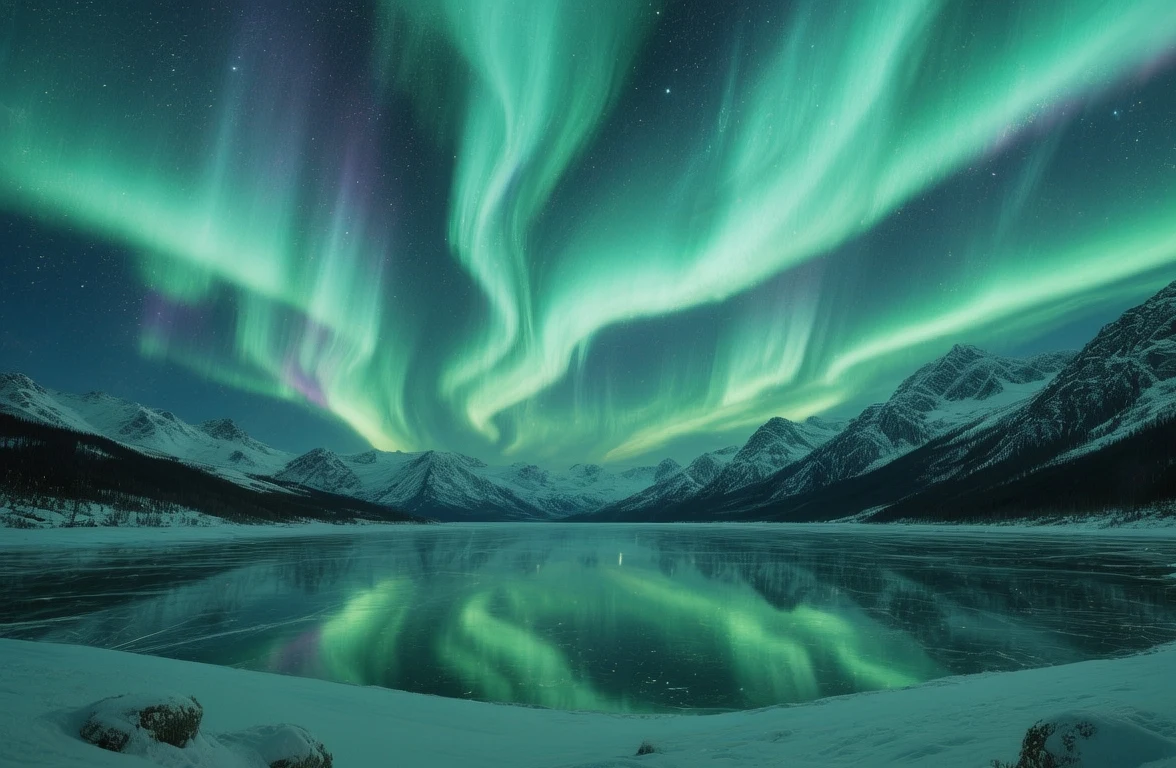
The cold seeps through your boots—minus 12°C (10°F)—as you stand on the frozen shore of a Arctic lake at 9:45 PM. It is February 2026, and the sky above is a void of ink-black silence, broken only by the crackle of ice shifting under the weight of winter. You wait, breath pluming in the air, eyes straining against the dark. Then, it begins: a faint green smear that thickens into ribbons, dancing across the magnetosphere at speeds exceeding 1,000 kilometers per second. This is the aurora borealis, a phenomenon recorded since 2,600 BC, yet still capable of silencing a crowd. You are not just chasing light; you are witnessing the collision of solar wind with Earth's protective shield. In 2026, as Solar Cycle 25 reaches its peak intensity, Northern Lights tours matter now more than ever. Light pollution creeps northward; climate change alters cloud cover patterns; yet here, in the high Arctic, the ancient dance remains visible—if you know where to stand, when to look, and how to respect the darkness that makes it visible.
Why Northern Lights Tours Embodies Arctic Science
The Northern Lights tours industry is not merely tourism; it is applied astrophysics. The aurora occurs when charged particles from the sun collide with oxygen and nitrogen atoms at altitudes between 100 and 400 kilometers. Historically, this phenomenon solved a critical navigational need for indigenous Sami people, who used the lights to predict weather changes. In 1908, Norwegian physicist Kristian Birkeland proved the electrical nature of the aurora using terella experiments, laying the groundwork for modern space weather forecasting. Today, tour operators utilize real-time KP index data—a measure of geomagnetic activity ranging from 0 to 9—to predict visibility. A KP index of 3 is sufficient for visibility in Tromsø, while KP 5 indicates a storm visible as far south as Scotland.
What distinguishes professional Northern Lights tours from independent chasing is the infrastructure required to access dark zones. The average tour vehicle travels 150 kilometers per night to escape city light pollution, consuming 20 liters of diesel in sub-zero conditions. Guides carry thermal imaging cameras to locate cloud breaks and maintain communication with a network of spotters across a 500-kilometer radius. In 2026, the industry faces the challenge of balancing accessibility with preservation. Over-tourism in hotspots like Sommarøy threatens the very darkness required for viewing. Operators now adhere to the Dark Sky principles, limiting vehicle congregation to prevent ground light contamination. This interplay between celestial mechanics and terrestrial logistics creates a unique experience. You are not just a spectator; you are part of a coordinated effort to witness a cosmic event that respects no borders but requires specific geography to be seen.
The Best Time to Experience Northern Lights Tours
For the optimal aurora experience, plan your visit between September 21 and March 21—the equinox windows when geomagnetic activity peaks due to the Russell-McPherron effect. During this period, temperatures range from -5–10°C (23–14°F) in coastal areas and -15–25°C (5–13°F) inland. The best viewing hours occur between 9:00 PM and 2:00 AM, when the Earth's magnetic field aligns favorably with the solar wind. For photography, the January 10–February 20 window offers the clearest skies, with average cloud cover below 40% and temperatures stable enough for extended outdoor exposure.
Avoid traveling between May 1 and August 20 unless you seek midnight sun conditions: the sky never darkens sufficiently for aurora visibility, and temperatures rise to 10–15°C (50–59°F). Full moon periods should also be avoided; the lunar glare reduces contrast, making faint aurora arcs invisible to the naked eye. For current KP index forecasts
Approximate Budget for a 7-Day Trip (2026)
Participating in Northern Lights tours requires a base in the Arctic, making this budget reflective of a 7-day trip centered around Tromsø or Lofoten. The following estimates assume a mid-range travel style: staying in city center hotels or wilderness cabins, eating a mix of self-catered meals and local seafood, using tour transport, and participating in guided activities. Prices reflect 2026 estimates with a 3.5% inflation adjustment based on 2025 Statistics Norway (SSB) data for Troms og Finnmark county.
- Accommodation: €180–€280 per night for a double room in Tromsø Sentrum; wilderness cabins €250/night; budget hostels start at €90/night
- Food: €85–€105 per day: breakfast €15 (included at most lodgings), lunch €25 (reindeer stew or fish soup), dinner €55–€65 (fresh cod or lamb with local beer)
- Transportation: €200 total: airport express bus Flybussen €30 round-trip, local bus day pass €15, tour pickup included, rental car optional €80/day
- Attractions: €450 total: Premium Northern Lights tour €150, Sami camp visit €120, photography workshop €100, cable car €30, museum entries €50
- Miscellaneous: €120: souvenirs (wool sweater €70, aurora photo book €30, local aquavit €20), thermal gear rental €10, emergency buffer €10
Total for 7 days: €1,785–€2,185 per person (based on double occupancy)
6 Essential Northern Lights Tours Experiences
- Join a Minibus Chase Tour: Begin at 6:00 PM from the city center. The 5-hour tour covers 200 kilometers in a heated Mercedes Sprinter. Guides monitor cloud cover via radar and cross-border weather stations. You stop at 3–4 locations, spending 45 minutes at each site. The guide provides thermal suits and hot drinks. If lights appear, the engine cuts to reduce noise and light. The success rate for these tours in peak season is 85%. Bring a tripod; handheld shots blur in the low light. This experience immerses you in the logistics of aurora hunting.
- Visit a Sami Reindeer Camp: Arrive at 4:00 PM for a cultural evening under the stars. Spend 90 minutes feeding semi-domesticated reindeer before darkness falls. The lavvu (tent) is heated by an open fire, offering shelter while waiting for the sky to darken. Elders share stories of how the Sami interpreted the lights (guovssahas). The tour includes a traditional meal of bidos (reindeer stew). Lights often appear around 8:00 PM. Don't miss the joik singing performed inside the tent. The building itself dates to traditional designs, preserving the indigenous heritage of the region.
- Photography Workshop on the Fjord: Position yourself on a heated boat at 7:00 PM. The 4-hour cruise moves away from land-based light pollution. Professional photographers assist with camera settings (ISO 3200, f/2.8, 15-second exposure). The water reflects the aurora, doubling the visual impact. The light at 9:00 PM in February renders the scene surreal—shadows disappear, and the snow glows green. Bring extra batteries; cold drains lithium cells 50% faster. Watch for wildlife; seals often surface near the boat.
- Stay in a Glass Igloo: Book a night in a thermal glass cabin outside the city. Spend 8 hours sleeping under the sky without leaving your bed. The glass is heated to prevent frost accumulation. Alerts wake you if activity spikes above KP 3. The light at 3:00 AM is often the strongest. Bring a sleep mask for the morning sun. This experience immerses you in the comfort of the Arctic without sacrificing visibility. Many galleries allow photography without flash; ask permission before purchasing.
- Hike to a Dark Sky viewpoint: Arrive at 8:00 PM at the trailhead (15 kilometers from city). The 2-kilometer hike takes 45 minutes, ascending 200 meters over snowy terrain. From the summit, you see the aurora framed by mountain silhouettes. The light at 10:00 PM in March renders the scene surreal—shadows disappear, and the snow glows white. Bring windproof layers; temperatures at the summit are 5°C cooler than sea level. Carry a headlamp with red light mode to preserve night vision.
- Watch from a Coastal Lighthouse: Arrive at 9:30 PM in late January. The historic structure, backed by the open ocean, offers one of the best vantage points for the aurora dipping toward the horizon. Bring a thermos of coffee and a warm blanket. The stone walls retain heat from the day, making it comfortable to sit even at night. Swim if you dare—the water temperature averages 4°C (39°F) in winter. This moment—standing before a historic beacon under ancient lights—defines the experience.
3 Hidden Gems Most Travelers Miss
- Sommarøy Power Station Viewpoint: While everyone chases the lights in Tromsø, the area around the Sommarøy power station offers equally iconic views. Located 35 kilometers west of the city, this spot offers a dark sky free from urban glow. Access is via road 862 (open 24 hours). Best visited at 10:00 PM when tour buses have departed. Why it's overlooked: most visitors drive straight into the city without exploring the outer islands. Insider tip: Use a telephoto lens (70-200mm) to compress the mountains behind the aurora. Watch for traffic; stand on the shoulder only.
- Lyngen Alps Wilderness Cabin: Just 90 kilometers south lies the Lyngen Peninsula, hosting unique views of the lights reflecting off glaciated peaks. This spot hosts unique marine life adapted to brackish water. Open daily 24 hours. The wooden cabins contrast beautifully with the snowy landscape. Why it's missed: most tourists stop in Tromsø and skip the southern peninsula. Insider tip: Visit the coffee shop on the waterfront for homemade waffles (€8). The view back toward the Alps from here is unique and less crowded.
- Tromsø University Observatory: Accessible only by foot or bus, this historic scientific site near the university requires a 15-minute bus ride from the city center (look for the stop "Universitetet"). The observatory features white wood and vertical cliffs that amplify sound. Service times matter: visit outside Sunday 11:00 AM for quiet reflection. Check opening times at uit.no. Why it's overlooked: no signage and requires moderate fitness. Insider tip: Bring a waterproof bag for your phone; waves can splash high during incoming tide. No facilities exist here—pack out all trash.
Cultural & Practical Tips
- Respect the Darkness: Northern Lights tours rely on low light conditions. Turn off car engines and dim phone screens when aurora appears. Do not use white flashlights; use red light mode to preserve night vision for yourself and others.
- Learn three Norwegian phrases: Takk (tahk—thank you), Unnskyld (oon-shuld—excuse me), and Ha det bra (hah deh bra—goodbye). Locals appreciate the effort, though 95% speak fluent English.
- Photography guidelines: Drone flights require permission from the Norwegian Civil Aviation Authority (apply at luftfartstilsynet.no). Drones are prohibited near populated areas without special permit. Respect privacy—do not photograph tourists without consent. Tripods are permitted in public areas.
- Weather preparedness: Weather changes rapidly; pack layers (wool base, fleece mid, waterproof outer). Even in July, temperatures can drop to 5°C (41°F) with wind chill. Rain occurs on 220 days annually. Waterproof boots are essential for walking.
- Battery management: Cold drains batteries quickly. Keep spares in an inner pocket close to your body heat. Lithium-ion cells lose 40% capacity at -20°C. Bring hand warmers to attach to the camera body.
- Accessibility note: Most tour buses have wheelchair lifts, but wilderness sites are uneven. Request the accessible travel guide at visittromso.com. Some cabins have ramp access.
- Emergency contacts: Medical emergencies: 113. Police: 112. Tourist information: +47 77 60 20 00. Nearest hospital: UNN Tromsø (5 km), 24-hour emergency. Coastguard: 120. Mobile coverage is excellent in the city center but spotty in wilderness.
Conclusion: Travel with Wonder, Not Just Checklists
The Northern Lights tours experience demands more than your camera; it requires your patience. This phenomenon—driven by solar fury, framed by Arctic darkness, and witnessed by resilient communities—is not a light show but a cosmic interaction where every photon matters. When you visit in 2026, remember that the darkness is a resource, the cold is a teacher, and the silence is a privilege for residents who endure winter nights so you can see the sky. The aurora is unpredictable; the weather is volatile. So travel slowly. Buy local crafts from the Sami, not imported souvenirs. Stay on marked paths to protect the tundra. Listen to the stories of the guides who still read the clouds like maps.
In an era of instant gratification and checklist tourism, the Arctic asks you to wait—to stand in the cold for an hour without seeing a thing, to feel the wind without rushing indoors, to understand that you are a guest in a place that operates on solar time, not human schedules. Travel with wonder, and you ensure that the Northern Lights tours industry remains not just a revenue stream, but a bridge between humanity and the universe. The stars will shine long after we are gone; let us ensure we remain humble enough to deserve their light.