
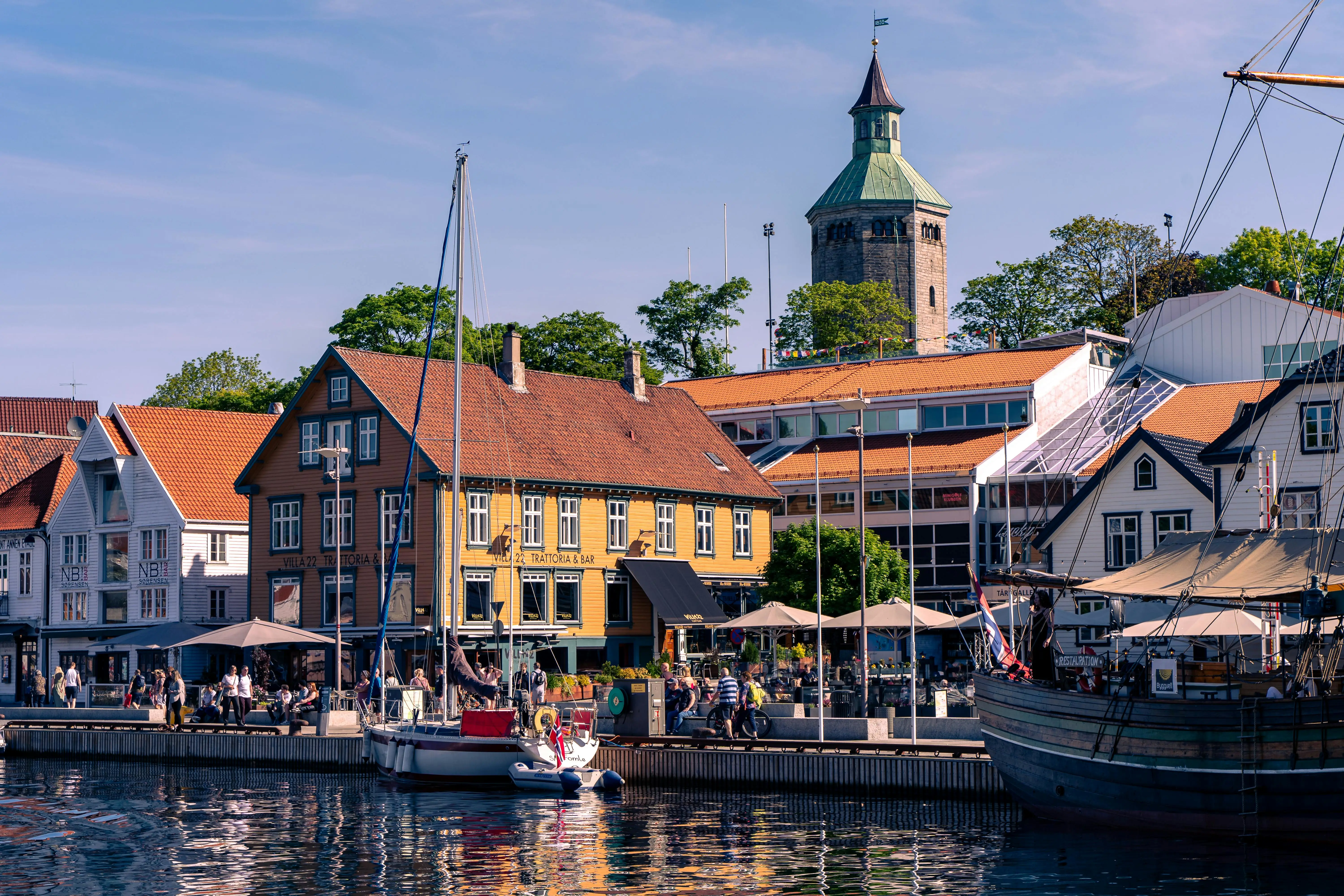
Stavanger Old Town Cobblestone Streets Meet North Sea Heritage
The cobblestones under your boots are uneven—worn smooth by centuries of footsteps, from 18th-century merchants to modern-day tourists— as you wander through Stavanger Old Town, a preserved enclave of 173 white wooden houses that time seems to have forgotten. The air carries the scent of salt spray from the nearby harbor mixed with the rich aroma of freshly roasted coffee drifting from a corner café on Øvre Holmegate. Sunlight filters through the narrow streets, illuminating flower boxes overflowing with geraniums that spill from windowsills painted in crisp white and soft gray. This is Gamle Stavanger, a 0.5-square-kilometer district that survived the urban renewal waves of the 1960s when demolition threatened to erase it entirely. You pause beside a building dated 1734, running your hand over the weathered clapboard that has withstood North Sea storms for nearly 300 years. In 2026, as cities worldwide struggle to balance modernization with historical identity, Stavanger Old Town matters because it stands as a testament to preservation—a place where the past is not museumified behind glass but lived in, walked on, and celebrated as the beating heart of a modern oil capital.
Why Stavanger Old Town Embodies Norwegian Preservation Spirit
Stavanger Old Town is not merely a collection of antique buildings; it is the physical manifestation of a cultural victory won in the mid-20th century. During the 1950s, as Norway industrialized and the oil boom loomed on the horizon, city planners proposed demolishing this wooden quarter to make way for concrete apartments and wider roads. The Society for the Preservation of Ancient Norwegian Monuments intervened, arguing that these structures represented the vernacular architecture of the Hanseatic era. Their advocacy solved a critical identity crisis: how to modernize without erasing the soul of the city. Today, the district contains 173 protected wooden houses, most built between 1730 and 1880, featuring distinctive Swiss-style chalet influences introduced after the great fire of 1860 spared this specific neighborhood.
The architecture is technically fascinating. The houses are constructed using traditional timber framing with horizontal clapboard siding, painted white with linseed oil-based paint that breathes with the wood to prevent rot. Roofs are typically hipped or gabled, covered in red clay tiles or slate, designed to shed heavy rain and snow efficiently. Narrow cobblestone streets, just 3–4 meters wide, wind between the structures, originally designed for foot traffic and horse-drawn carts rather than modern vehicles. This layout forces a slower pace, creating a pedestrian sanctuary in the midst of a bustling city. In 2026, Stavanger Old Town fulfills a psychological need for continuity; it anchors the community in a tangible history that predates the petroleum industry, reminding residents and visitors alike that Stavanger was a port of commerce and culture long before the first oil rig was drilled.
The Best Time to Experience Stavanger Old Town
For optimal weather and vibrant street life, target June 15–August 20. During this window, temperatures range from 14–20°C (57–68°F), and daylight extends to 18 hours, allowing for evening strolls when the white houses glow in the midnight sun. The cafés on Øvre Holmegate operate outdoor seating until 10:00 PM, creating a lively atmosphere. For photography, the best light occurs between 7:00–9:00 AM when the streets are empty and shadows are soft, or during the golden hour at 8:00–10:00 PM.
For festive charm, visit December 1–23 when the district hosts a traditional Christmas market. Temperatures drop to 0–5°C (32–41°F), and the streets are decorated with lights and garlands. The smell of gløgg (mulled wine) and pepperkaker (gingerbread) fills the air. Avoid November 1–30 if you dislike gray skies: this is typically the rainiest and darkest month, with frequent storms rolling in from the North Sea. Many outdoor cafés close during this period. Also avoid Norwegian Constitution Day (May 17) if you dislike crowds, as parades fill the streets. For real-time event schedules, check www.visitstavanger.com or call +47 51 50 50 00. Weather forecasts are available via Yr.no.
Approximate Budget for a 7-Day Trip (2026)
Stavanger is one of Norway's most expensive cities due to its status as an energy hub. This budget assumes mid-range travel with 3-4% inflation adjustment from 2024 baselines. Prices are estimated in Euros (€); local currency is Norwegian Krone (NOK). Costs reflect Stavanger city center and Old Town areas.
- Accommodation: €170–€260 per night for a double room in a 3-star hotel in Sentrum or near Old Town. Budget hostels (Anker Hotel): €60–€80 per bed. Upscale options (Clarion Hotel Stavanger): €320–€500 per night.
- Food: €80–€120 per day per person
- Breakfast: €16–€24 (hotel buffet with bread, cheese, jam)
- Lunch: €24–€38 (café sandwich €30, fish soup €35, or grocery picnic €22)
- Dinner: €40–€65 (restaurant main: lamb €48, fish €45, pasta €35; add €15 for beer)
- Transportation:
- Bus (Airport–City): €15 one-way, €25 round-trip
- Local bus day pass: €12
- Car rental (7 days): €600–€800 including fuel
- Fjord cruise: €70–€100
- Attractions:
- Norwegian Canning Museum: €14
- Stavanger Cathedral: Free (donations welcome)
- Norwegian Petroleum Museum: €20
- Guided Old Town walk: €30
- KidZania Stavanger: €25
- Miscellaneous:
- Souvenirs: Viking horn €35, wool sweater €100, postcards €5
- Coffee and waffle: €10
- Travel insurance (7 days): €45–€65
- eSIM data plan: €20–€30
Total for 7 days (mid-range, per person, double occupancy): €2,050–€2,600
Budget travelers can reduce costs to €1,300–€1,600 by staying in hostels, cooking meals, and walking everywhere. Luxury seekers should budget €4,500+ for boutique hotels and fine dining at restaurants like Re-Naa.
6 Essential Stavanger Old Town Experiences
- Walk Øvre Holmegate: Known as "Fargegaten" (Color Street), this pedestrian lane cuts through the Old Town. Start at the southern end near Breiavatnet lake at 10:00 AM. The street is lined with vibrant cafés, boutiques, and street art. Stop at Smak for coffee or Fisketorget for lunch. The contrast between the colorful storefronts and the white wooden houses behind them is striking. It is the social heart of the district. Allow 1 hour to wander without rushing.
- Visit the Norwegian Canning Museum: Located in the Old Town at Nedre Holmegate 28. Open daily 10:00 AM–4:00 PM (summer). This museum preserves the history of Stavanger's sardine industry, which boomed in the late 1800s. View original machinery, labels, and the director's office. The building itself dates to 1880. Guided tours explain how canned fish funded the city's growth before oil. Entry includes access to the adjacent worker's cottage. It provides essential economic context.
- Explore Stavanger Cathedral: Built circa 1100–1150, this is Norway's oldest cathedral still in use. Located just east of the Old Town. Entry is free; donations support maintenance. The Romanesque stone structure contrasts sharply with the wooden houses nearby. Inside, view the medieval stone carvings and the altar from 1844. Attend a Sunday service at 11:00 AM to hear the organ. The churchyard offers a quiet space for reflection. It anchors the district spiritually.
- Stroll Breiavatnet Lake: This small lake borders the Old Town to the south. Walk the 1-kilometer path around the water. Watch swans glide across the surface and locals jogging along the shore. The reflection of the white houses in the water is picturesque. Benches are placed for resting. Visit at sunset when the sky turns pink over the water. It is a free, accessible natural space within the urban core. Birds nest here in spring.
- Shop at Fargegaten Boutiques: The side streets off Øvre Holmegate house independent designers. Look for knitwear, ceramics, and jewelry. Stores open at 10:00 AM and close at 5:00 PM (6:00 PM on Thursdays). Prices are high but quality is exceptional. Ask shopkeepers about the makers; many items are locally produced. It supports the local creative economy. Tax-free shopping is available for non-EU residents. Bring a reusable bag.
- Dine in a Historic Building: Several restaurants operate inside protected wooden houses. Ølhallen (opened 1929) serves traditional pub food in a preserved interior. Book a table for 7:00 PM. Order fish cakes or lamb stew. The atmosphere is cozy with dim lighting and wooden paneling. It offers a culinary experience steeped in history. Reservations are essential on weekends. Try local craft beer from Nøgne Ø.
3 Hidden Gems Most Travelers Miss
- Ladegården: Located at Øvre Holmegate 47, this is the oldest secular wooden building in Stavanger, dating to 1680. It is often overlooked because it looks like a private residence. Now used for exhibitions and events. Open during special heritage days or by appointment (+47 51 50 50 00). The interior features original beams and fireplaces. It is missed because there is no permanent signage. Ask at the tourist office for access times. It offers a rare glimpse into 17th-century domestic life. Photography may be restricted inside.
- Kiellandhuset: A cultural center housed in a historic building near the cathedral. It hosts concerts, lectures, and art exhibitions. Check the schedule at www.kiellandhuset.no. The courtyard is a quiet oasis often empty even in summer. Café service is available during events. It is missed because tourists focus on the main streets. The acoustics in the main hall are excellent. Visit during a lunchtime concert for a cultural break. Entry is often free for exhibitions.
- Hidden Courtyards (Gårdsplasser): Between the rows of wooden houses lie small private courtyards. Some are accessible through open archways (look for green signs). These spaces contain gardens, benches, and laundry lines. They offer a peek into local life behind the facades. Respect privacy; do not enter if marked private. Best explored in the morning when residents are less active. It adds depth to the understanding of the neighborhood. The scent of blooming jasmine is common in July.
Cultural & Practical Tips
- Footwear: The cobblestones are uneven and slippery when wet. Wear flat, sturdy shoes with good grip. Heels are impractical and dangerous on the stone streets. Sneakers are acceptable but hiking boots are best for stability. Your ankles will thank you after a day of walking. Rent shoes if needed at local sports stores.
- Cashless Society: Norway is nearly cashless. Bring a credit/debit card with chip-and-PIN. Most places do not accept cash. Mobile payment (Vipps) is ubiquitous but requires a Norwegian number. Stick to cards as a visitor. ATMs are available but rarely needed. Inform your bank of travel plans to prevent blocks.
- Useful Phrases:
- "Takk" (tahk) = Thank you
- "Unnskyld" (oon-shool) = Excuse me
- "Hvor er toalettet?" (voor ehr toa-let-et) = Where is the toilet?
- "Snakker du engelsk?" (snak-ker doh eng-elsk) = Do you speak English?
- Photography Guidelines: Respect residents' privacy. Do not photograph into private windows or courtyards without permission. The streets are public, but the homes are not. Drones are prohibited in the city center without permission. Best light is early morning or late evening. Use a polarizing filter to reduce glare on white paint. Ask before photographing individuals.
- Weather Preparedness: Rain is frequent year-round. Pack a waterproof jacket and layers. Temperatures can drop quickly near the water. Umbrellas are useful but wind can break them. Dress in wool; it stays warm when wet. Check Yr.no hourly forecasts. Indoor cafés provide shelter during downpours. Waterproof bags for electronics are recommended.
- Alcohol Regulations: Alcohol above 4.7% ABV is sold only at Vinmonopolet (state liquor stores). These close at 6:00 PM weekdays and 3:00 PM Saturdays. They are closed Sundays. Beer is available in supermarkets until 8:00 PM (6:00 PM Saturdays). Plan accordingly if you want wine with dinner. Prices are high due to taxes.
- Sunday Closures: Many shops and museums close or have reduced hours on Sundays. Supermarkets open 12:00–6:00 PM. Cafés and restaurants remain open. Plan your shopping for weekdays. The Old Town is quieter on Sundays, good for photography. Public transport runs on a reduced schedule. Check times in advance.
Conclusion: Travel with Reverence, Not Just Checklists
Stavanger Old Town is not a theme park; it is a living neighborhood where history breathes through every clapboard and cobblestone. In 2026, as heritage sites risk becoming sanitized backdrops for social media, this district demands a slower, more respectful pace. Travel here not to tick a box but to listen to the stories embedded in the walls. Notice the wear on the door handles; smell the linseed oil; understand that these houses survived demolition to tell their tale. Leave only footprints on the stones; take only the inspiration to value preservation in your own community. When you depart, carry the quiet dignity of Gamle Stavanger with you. For in the end, the true value of this place is not the photo you post, but the realization that progress need not erase the past—that modernity and heritage can coexist, white wood against blue sky, if we choose to protect them.