Fairy Chimneys: Where Volcanic Stone Meets Ancient Dreams
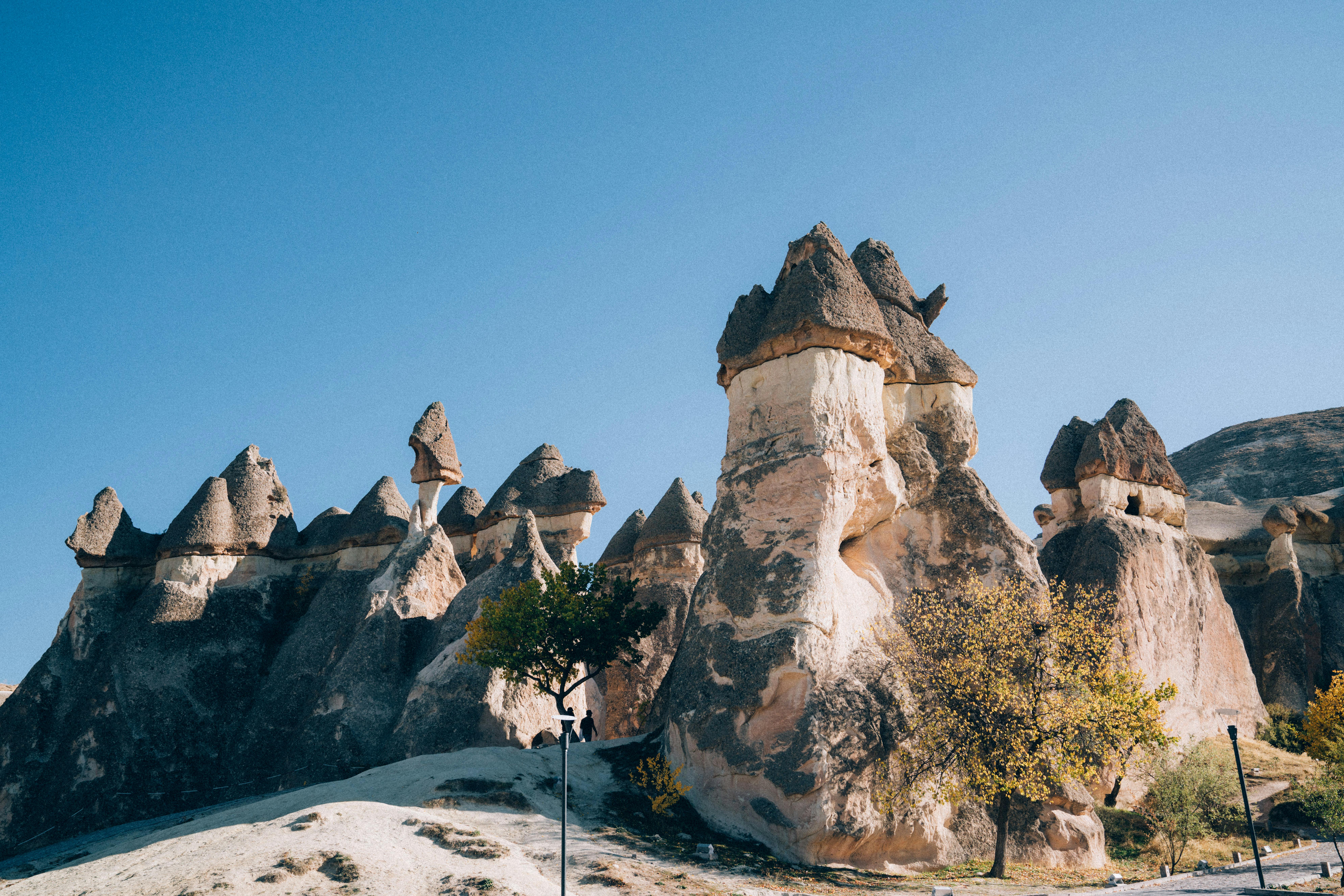
Fairy Chimneys: Where Volcanic Rock Meets Human Craft
The sun clears the horizon at six thirty. I stand on a low ridge looking out across the valley. Thousands of cone-shaped pillars stretch toward the sky, each capped with harder dark stone. Morning light touches their slopes and shows every line carved by wind and water over millennia. The air feels cool and carries a faint dry dust scent. I walk down a narrow path between formations. Some rise ten meters high. Others stand no taller than my shoulder. The ground stays uneven underfoot. Few people are here yet. Silence wraps around the rocks.
Why Fairy Chimneys Matter
These formations began as volcanic ash and lava that cooled into soft tuff, then eroded over millions of years into the shapes we see today. People settled here early, carving homes, churches, and entire underground networks directly into the rock from the 4th century onward. For centuries this place offered shelter, concealment, and protection. Today the area forms one of the world’s most distinctive landscapes and draws visitors from every continent. That popularity brings problems too. Foot traffic wears down paths. Some formations show damage from climbing and touching. Erosion speeds up in places, and not every site receives the care it needs.
The Best Time to Experience Fairy Chimneys
April through June offers ideal conditions. Temperatures range from 16°C to 26°C (61°F–79°F). Days feel pleasant and green covers the valleys. September to mid-November brings similar weather at 18°C–28°C (64°F–82°F). Summer from July to August turns hot. Air above the rocks can hit 34°C–37°C (93°F–99°F) with little shade. Winter from December to February brings 1°C–8°C (34°F–46°F) and occasional snow that clings to the cones and creates quiet beauty, though paths grow slippery. Go at sunrise. Light looks best and crowds stay away.
Approximate Budget for a 7-Day Trip
These numbers reflect mid-range travel within Turkey:
- Accommodation: $245 — cave-style or stone hotel room with breakfast in central area
- Food & Drink: $185 — local dishes, fresh bread, tea, and occasional restaurant meals
- Transport: $110 — local buses, valley walks, and one longer day trip
- Attractions & Entry Fees: $65 — open-air museum, valleys, and rock church entries
- Extras & Souvenirs: $55 — water, snacks, handcrafts, and unexpected small costs
Total: Around $660 per person
Balloon rides sell for very high prices at many agencies. Walk to three or four offices and compare rates directly; booking on the spot can save you more than one hundred dollars per person.
Essential Fairy Chimneys Experiences
- Explore Göreme Open-Air Museum — Churches carved deep into rock, with faded paintings and carved columns. The site sits close together and tells how people lived here centuries ago. Skip this on weekends if you dislike crowds; tour buses fill every room fast.
- Walk Rose Valley at sunrise — Light turns the rock soft pink and orange. Chimneys line the path in their hundreds. The trail loops and offers many places to pause and look.
- Climb into carved dwellings — Many cones hold rooms, shelves, and hearths carved inside. You see how ordinary families lived, slept, and stored grain. Watch your head; ceilings stay low in most places.
- Visit the Three Beauties formation — Three tall, well-formed chimneys standing apart on a slope. Most photographs come from here. The view across the valley stretches far.
- Walk through Pigeon Valley — Named for the many niches carved into rock faces to attract birds. People once raised pigeons here for food and fertilizer. The path runs long but stays mostly flat.
- Look down from Uçhisar Castle — High rock fortress with views across the whole region. Chimneys stretch out below like a stone forest. The climb takes effort but rewards you with scale.
Hidden Gems Most Travelers Miss
- Zelve Valley — Once a village, now an open site. Fewer visitors come here. Chimneys cluster densely and many rooms remain open. Quiet fills the space even at midday.
- Love Valley remote section — Most people stop at the famous formations near the entrance. Walk another kilometer further and you find rows of tall chimneys standing alone, with no one else around.
- Chavushin old village — Stone houses and chimneys clinging to a ridge. Some remain occupied. The view from the old church terrace feels different and feels real.
- Sunset Point near Ortahisar — Many guides push the famous viewpoint near Göreme. This spot offers similar light and shape views, but the café at the top charges far too much for simple drinks.
Cultural & Practical Tips
- Do not climb on the fairy chimneys. Many are hollow inside and can collapse. People have been hurt. Damage speeds erosion.
- Bring sturdy walking shoes. Rock surfaces stay rough and loose stone covers many paths. Slip-on shoes cause slips and injury.
- Carry enough water. Shade comes rarely. Heat reflects off stone and drains you fast. Vendors near popular spots charge extreme prices.
- Respect private property. Some formations stand on village land or beside homes. Stay on marked paths and do not enter courtyards.
- Expect uneven ground. Steps rise and fall without warning. Many areas lack railings. Watch your step and keep children close.
- Visit early. By ten in the morning buses arrive and popular spots fill up. Light also becomes harsh and washes out the soft colors.
- Do not assume every formation is safe to enter. Some lean or show cracks. Stay outside unless signs clearly say you may go in.
Essential Visitor Information
Location & Access: Fairy Chimneys lie in Cappadocia, central Turkey, centered around Göreme town. You can arrive by bus from Kayseri in roughly 90 minutes, by rented car from Nevşehir in 30 minutes, or by organized tour from major cities such as Ankara or Konya in about three hours.
Tickets & Booking: Entry to major sites such as Göreme Open-Air Museum costs roughly 450 Turkish Lira. Most valleys remain free to enter. Booking ahead is not required. Buy tickets at entrance booths.
Operating Hours: Open daily 8:00 AM to 7:00 PM from April through October. Winter hours shorten to 8:00 AM through 5:00 PM. Last entry closes one hour before gates shut.
Visit Duration: Plan for at least two full days. One day covers the main sites and close valleys. Two days lets you walk further and see the landscape change at different times of day.
Family Suitability: Children enter at reduced price. Most valleys allow walking, but strollers will not handle rocky paths. Restrooms sit only at main entrances and towns. Carry supplies and water for children.
Timing: Visit April–June or September–October. Arrive before 7:00 AM. You avoid crowds and see the rock shapes at their finest.
Highlights: Göreme Open-Air Museum, Rose Valley, Three Beauties, Pigeon Valley, Zelve Valley.
Nearby & Day Trip: Uçhisar Castle stands 6 kilometers away. Ortahisar rock formation sits 10 kilometers out. Underground cities at Derinkuyu and Kaymaklı each make good half-day trips. Ihlara Valley takes roughly one hour by road and rewards a full day visit.
Conclusion: Travel with Care, Not Just a Camera
Fairy Chimneys stand because stone resisted wind and water for millions of years. People carved homes and faith into that same rock long ago. Today you see both nature’s work and human craft side by side. Some areas feel worn. Others feel crowded. That comes with the place. Walk gently, stay on paths, and look closely. What draws you most—the shapes, the history, or the way light changes across the stone?
Post a Comment