Göreme Open-Air Museum: Where Ancient Faith Meets Volcanic Stone
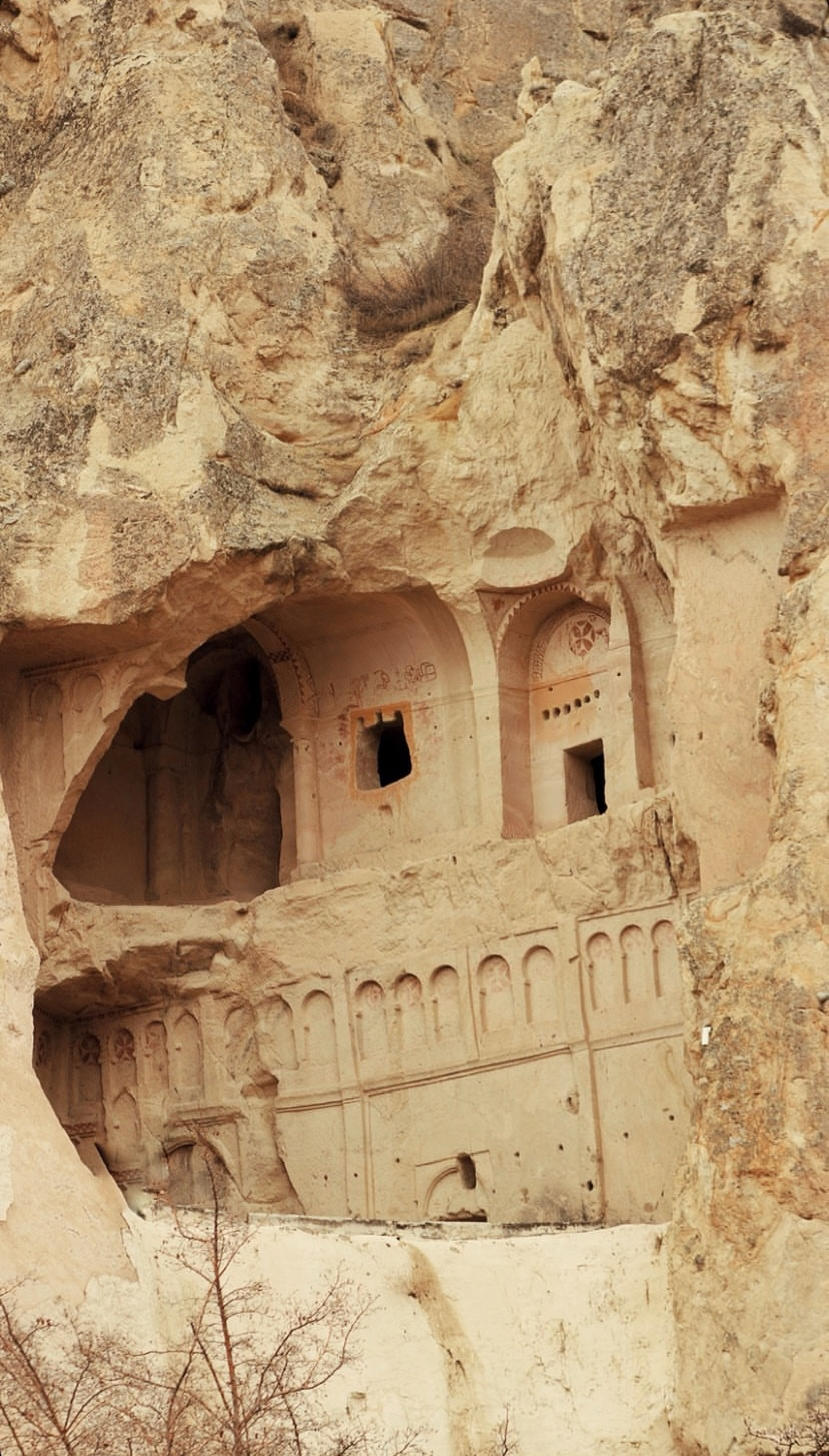
Göreme Open-Air Museum: Where Rock-Cut Faith Meets Painted Story
The sun rises above the valley at eight in the morning. I walk through the main gate, ticket in hand, and look along the stone path that curves between cliffside churches. Rock walls rise all around, carved smooth in places, rough in others. The air feels cool and still inside the doorways. I step into the first church and blink. Frescoes cover every surface, figures and stories painted directly onto stone. Some colors stay vivid after one thousand years. Others have faded or been damaged. The light is dim. Silence feels heavy. Only a few other people stand here yet. You can almost feel the quiet that once filled these rooms.
Why Göreme Open-Air Museum Matters
This place forms the heart of Cappadocia. Early Christian monks and communities carved more than thirty churches, chapels, and living spaces into soft volcanic tuff between the 6th and 13th centuries. They built shelter, places of prayer, and a whole way of life hidden inside the rock. Today it stands as a UNESCO World Heritage Site and holds some of the best-preserved Byzantine painting anywhere in the world. Yet not everything survives intact. Many frescoes have been damaged by water, smoke, or human hands. Some churches sit closed for restoration or structural safety. Signage remains sparse and hard to read in places. You will walk out knowing less than you might hope, despite the wonder of what you do see.
The Best Time to Experience Göreme Open-Air Museum
April through June offers ideal weather. Temperatures sit between 15°C and 25°C (59°F–77°F). Days feel pleasant and rain stays rare. September to mid-November brings similar conditions at 17°C–27°C (63°F–81°F). Summer from July to August turns hot. Air above the rocks can hit 33°C–36°C (91°F–97°F) and shade stays limited. Winter from December to February brings 2°C–9°C (36°F–48°F) and occasional snow or slippery paths. Arrive exactly at opening time. By ten in the morning tour buses arrive and every church fills fast. Midday becomes both crowded and uncomfortably warm.
Approximate Budget for a 7-Day Trip
These figures represent mid-range travel for one person within Turkey:
- Accommodation: $230 — stone or cave-style room with breakfast near Göreme
- Food & Drink: $170 — local meals, fresh bread, tea, and water
- Transport: $95 — walking, local buses, and short rides to nearby valleys
- Attractions & Entry Fees: $55 — museum entry, Dark Church, and other small sites
- Supplies & Incidentals: $40 — water, snacks, and small necessities
Total: Around $590 per person
Tours sold right at the museum gate cost nearly double what you pay booking independently or walking in on your own. Buy tickets directly at the entrance booth and explore on foot to save money and move at your own pace.
Essential Göreme Open-Air Museum Experiences
- Visit Tokalı Kilise — Also called the Buckle Church. Sits a short distance outside the main gate. Frescoes cover every wall and vault in two distinct sections. Colors remain deep and storytelling clear. Keep your ticket; staff check it here. Skip this if you have already walked several kilometers and feel exhausted — the extra five minutes each way adds up.
- Explore Karanlık Kilise — The Dark Church. Requires a separate ticket. Light enters through one small opening only. That darkness protected frescoes remarkably well. Scenes of Christ’s life look almost fresh. The extra cost feels justified. Watch your step inside; the floor slopes and light stays very dim.
- See Elmalı Kilise — Apple Church. Named for a spherical symbol held by an archangel. Central layout and vivid paintings show the standard monastic design. This church sits centrally and sees many visitors. Go early or late to stand close without crowds.
- Walk into Azize Barbara Şapeli — St. Barbara’s Chapel. Simpler painting style with strong outlines and less color. Dedicated to an early martyr. The space feels intimate and quiet compared to larger churches.
- Enter Yılanlı Kilise — Snake Church. Named for figures with serpent tails painted on the walls. Shows scenes of judgment and saints. Ceiling sits low. Watch your head as you step in.
- Rest in the open courtyard — Between churches you find stone refectory tables and living quarters carved into rock. Imagine meals taken here centuries ago. The space connects everything together. It offers a moment to breathe and process what you have seen.
Hidden Gems Most Travelers Miss
- Hidden chapel off the main path — A small, unmarked room sits between two larger churches. Few people notice it. Simple crosses and faint paintings remain. It feels private and peaceful.
- Rock-cut kitchens and storage spaces — Behind the main buildings you find niches, shelves, and fireplaces carved into stone. Daily life happened here, not just worship. Look up and around, not just at church doors.
- Quiet section near the exit — Most visitors turn back after seeing the main churches. Walk toward the exit and pause. A long low wall holds small niches and remains of chapels. Almost no one stops here.
- Panorama viewpoint nearby — A short walk uphill past the museum boundary offers a sweeping look at the whole complex. Many guides promote it as essential. The view feels overrated compared to walking the paths themselves.
Cultural & Practical Tips
- Do not touch the frescoes. Oil and moisture from hands damage plaster and paint irreparably. Many areas show clear signs of damage from visitors. Stay behind railings or marked lines.
- Photography rules change inside churches. Some allow photos without flash; others forbid it entirely. Follow signage. Taking photos where banned risks fines and removal.
- Carry water and wear sturdy shoes. Paths slope upward and downward constantly. Stone stays slippery in places. Shade comes and goes. Heat builds fast.
- Keep your ticket. Staff check entry passes at Tokalı Kilise, outside the main gate. Losing it means paying full price twice.
- Expect crowds. Even on quiet days, groups move through the site. Churches feel small inside. Be ready to wait or share space.
- Read up before you come. Signage inside churches offers very little information. You will appreciate the paintings far more if you know what scenes to look for.
- Watch your head. Doorways and ceilings were built for people shorter than modern average. Many visitors bump their heads entering rooms.
Essential Visitor Information
Location & Access: Göreme Open-Air Museum lies roughly one kilometer east of Göreme village centre. You can walk there in about 20 minutes along a paved road, take a short taxi ride from town in 5 minutes, or arrive as part of an organized tour from Kayseri, Nevşehir, or Ürgüp ranging from 30 to 90 minutes.
Tickets & Booking: Main site entry costs approximately 440 Turkish Lira. Karanlık Kilise requires an extra ticket around 180 Turkish Lira. Booking ahead is not required. Buy tickets at the entrance booth.
Operating Hours: Open daily 8:00 AM to 7:00 PM from May through October. Winter hours run 8:00 AM to 5:00 PM from November through April. Last entry closes roughly 45 minutes before gates shut.
Visit Duration: Allow at least two hours. Three hours lets you see every church, read what little information exists, and walk at a thoughtful pace without rushing.
Family Suitability: Children enter at reduced price. Paths allow walking but include slopes and steps. Strollers will not handle the terrain. Restrooms sit only near the main entrance. Plan accordingly.
Timing: Visit April–June or September–October. Arrive at 8:00 AM. You beat the buses and see frescoes under the best available light.
Highlights: Tokalı Kilise, Karanlık Kilise, Elmalı Kilise, Azize Barbara Şapeli, Yılanlı Kilise.
Nearby & Day Trip: Love Valley lies 3 kilometers away. Zelve Open-Air Museum sits 5 kilometers out. Uçhisar Castle stands 6 kilometers away. Derinkuyu Underground City makes a substantial half-day trip roughly one hour by road.
Conclusion: Travel with Respect, Not Just a Checklist
Göreme Open-Air Museum holds something rare: faith, shelter, and art all carved from the same stone. You see where people lived, prayed, and told sacred stories in paint. Some frescoes survive beautifully. Others have suffered damage or faded. That reality comes with the place. Walk slowly, keep quiet inside churches, and look closely. Respect what remains. What impresses you more—the skill of the painting, or the courage of those who built their world inside the rock?
Post a Comment