
Furnas Hot Springs: Where Volcanic Steam Meets Azorean Healing Traditions
Mist rises in silver ribbons from emerald pools as you step onto wooden walkways suspended over water that bubbles at 45-95°C (113-203°F), heated by magma chambers just kilometers beneath your feet. The air carries the mineral scent of sulfur and iron, the earthy perfume of giant ferns and hydrangeas, and the faint aroma of cozido—a traditional stew slow-cooked in volcanic steam—drifting from nearby kitchens. You hear the gentle gurgle of thermal springs, the soft chirp of Azores bullfinches in cryptomeria trees, and the distant murmur of visitors speaking in hushed tones, as if respecting the valley's ancient power. This is Furnas, a caldera village on São Miguel Island where 30 distinct hot springs emerge from volcanic soil, creating natural thermal pools that have drawn seekers since Portuguese settlers first documented their healing properties in the 1500s. The valley matters because it offers something increasingly rare: a place where geological wonder, cultural tradition, and therapeutic wellness converge, inviting visitors to experience not just relaxation, but reconnection—with the earth's primal energy and with rhythms of life that honor both body and place.
Why Furnas Hot Springs Embody Azorean Volcanic Wellness
The Furnas hydrothermal system represents one of the Azores' most accessible examples of active volcanic geology, where groundwater circulates through fractured basalt, absorbs heat from a shallow magma chamber approximately 2-3 kilometers deep, and returns to the surface enriched with minerals including silica, calcium, magnesium, and trace elements. The valley's 30 distinct springs—ranging from gentle seeps to vigorous fumaroles—solve a fundamental human need: providing natural therapeutic resources in a region where modern healthcare was historically limited. Local healers, known as curandeiros, have prescribed specific springs for ailments since the 16th century, documenting treatments in manuscripts now preserved in Ponta Delgada's municipal archives.
Engineering efforts balance accessibility with preservation. Wooden walkways, installed in 1998 and upgraded in 2015, hover 30 centimeters above sensitive thermal formations to prevent soil compaction and protect endemic plant species. Water temperature is carefully monitored; pools designated for bathing maintain 35-40°C (95-104°F) through natural mixing with cooler groundwater, while purely observational springs may exceed 90°C (194°F). The Secretaria Regional do Ambiente e Alterações Climáticas manages the site as part of the Azores UNESCO Global Geopark (designated 2013), ensuring that visitor infrastructure minimizes impact on the valley's delicate hydrological balance.
Today, approximately 140,000 visitors annually experience Furnas' thermal offerings, generating revenue that funds ongoing conservation research and supports local communities. The springs fulfill a deeper need: providing authentic wellness experiences rooted in place rather than commodified spa culture. When you bathe in water heated by the earth's own fire, surrounded by vegetation that thrives in mineral-rich soil, you participate in a tradition that honors the connection between planetary power and human wellbeing—a philosophy increasingly valuable in an age of disconnection.
The Best Time to Experience Furnas Hot Springs
Optimal conditions for visiting Furnas hot springs occur during two distinct windows: June 5 through July 22 and September 8 to October 20. During these periods, temperatures range between 19-25°C (66-77°F), rainfall averages just 45-65mm monthly, and the valley's famous hydrangeas bloom in explosive blues and purples that frame thermal pools in vibrant color. Visit between 7:30-9:00 AM to experience minimal crowds, soft morning light ideal for photography, and the magical spectacle of steam rising dramatically against cool air.
Winter months (November-February) present challenges: temperatures drop to 13-17°C (55-63°F), rainfall exceeds 130mm monthly, and persistent fog can obscure the valley's lush landscape. The period from late December through January sees the highest precipitation—Furnas receives approximately 1,500mm (59 inches) annually, with 60% falling during these months. Summer afternoons (July-August) bring warmer temperatures—up to 27°C (81°F)—but also larger crowds and occasional afternoon cloud buildup; visit early morning or late afternoon for clearest views and most tranquil bathing experiences.
For current water quality reports, trail conditions, and cultural event schedules, visit https://pocadadonabeija.com/, the official tourism portal maintained by the Azores Regional Government. The website provides real-time updates on thermal pool accessibility, links to the Azores UNESCO Global Geopark at azoresgeopark.com, and detailed information about guided geothermal tours, traditional cozido cooking demonstrations, and seasonal wellness workshops. The main thermal park operates daily from 8:00 AM to 7:00 PM, though natural springs along valley trails remain accessible 24/7 with appropriate caution.
Approximate Budget for a 7-Day Trip
The Azores offer exceptional value for a North Atlantic island destination, with costs approximately 20-30% lower than mainland Portugal's major cities. This breakdown assumes a mid-range travel style with comfortable accommodations, authentic local dining, and a rental car—essential for exploring São Miguel's dispersed attractions and reaching Furnas from other parts of the island.
- Accommodation: €58-€98 per night for a double room in a traditional casa de campo or three-star hotel in Furnas village, Ponta Delgada, or Ribeira Grande
- Food: €32-42 per day total
- Breakfast: €5-8 (coffee, fresh bolo lêvedo muffins, and local cheese at a pastelaria)
- Lunch: €11-14 (alcatra—pot roast cooked in volcanic clay, or polvo guisado—octopus stew)
- Dinner: €16-20 (fresh cherne fish or cozido das Furnas with local verdelho wine)
- Transportation:
- Rental car (7 days, manual transmission): €190-250 total
- Fuel (approximately 350km for island exploration): €52-62
- Public bus (Operadores Açorianos route 207): €3.60 per ride from Ponta Delgada
- Taxi from Ponta Delgada: €30-38 one-way
- Attractions:
- Furnas thermal park entry: €6 adults, €3 children (6-12), free under 6
- Traditional cozido cooking experience: €25-35 per person
- Guided geothermal valley hike: €42-58 per person
- Terra Nostra Garden entry: €8
- Whale watching excursion: €62-82
- Miscellaneous:
- Swimwear and towel rental: €8-12 per day
- Local pineapple and queijada pastries: €13
- Queijo da Ilha cheese tastings: €11-16
Total estimated cost for 7 days: €830-1,120 per person (excluding international flights)
7 Essential Furnas Hot Springs Experiences
- Thermal Bathing at Parque Terra Nostra: Enter the historic botanical garden (open 9:00 AM-6:00 PM, €8 entry) to access its iconic iron-rich thermal pool, where rust-colored water maintains a soothing 38-40°C (100-104°F). Soak for 20-30 minutes while surrounded by giant ferns, camellias, and endemic Azorean flora. The mineral-rich water may temporarily stain light swimwear orange—a badge of authentic experience. Shower facilities available; bring biodegradable soap to protect the delicate ecosystem.
- Free Natural Springs Along Ribeira dos Caldeirões: Follow the valley's main stream to discover undeveloped thermal seeps where locals bathe. The water emerges at 45-55°C (113-131°F), mixing with cooler stream water to create comfortable bathing spots. Visit at 7:00-8:30 AM for solitude; bring water shoes for rocky entry points. No facilities exist—practice Leave No Trace principles and pack out all belongings.
- Traditional Cozido Cooking Demonstration: Witness the centuries-old technique of slow-cooking meat and vegetables in volcanic steam at Restaurante Tony's or Vale das Furnas. Pots are lowered into geothermal vents at 6:00 AM and retrieved at 1:00 PM, yielding tender dishes infused with earthy minerals. Reserve 48 hours in advance (+351 296 583 123); the experience costs €25-35 including lunch. Arrive at 12:30 PM to watch the retrieval ritual.
- Geothermal Valley Hike via PRC1SMI: Tackle the 9-kilometer circular trail that winds through Furnas' thermal landscape, passing fumaroles, hot springs, and the iconic Caldeiras—mud pots that bubble with volcanic gases. The path gains 200 meters of elevation with wooden walkways protecting sensitive areas. Start at 8:00 AM from the village church; allow 3-4 hours with stops for photography and thermal observation.
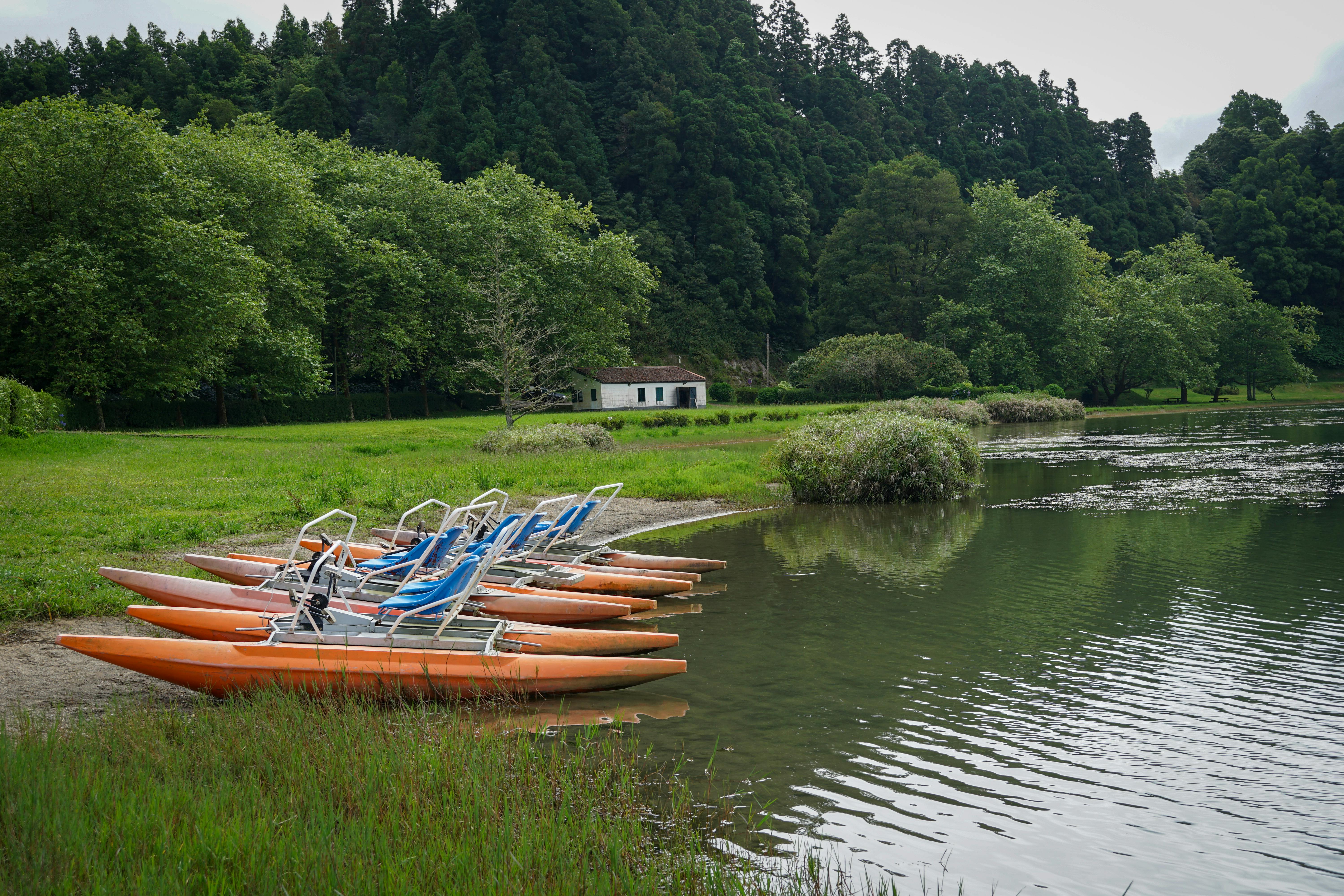
- Sunrise Photography at Lagoa das Furnas: Position yourself at the lake's eastern shore at 6:30-7:30 AM (summer) or 7:30-8:30 AM (winter) when mist rises from the water's surface and soft light illuminates hydrangea-lined banks. The lake, formed in a volcanic crater, reflects the surrounding caldera walls in mirror-like stillness. Bring a polarizing filter to reduce glare; tripods permitted in designated areas.
- Botanical Garden Exploration: After thermal bathing, spend 90 minutes exploring Terra Nostra's 12.5 hectares of curated flora, including the world's largest collection of Azorean endemic plants. Don't miss the 200-year-old dragon tree, the Japanese cedar avenue, and the camellia collection blooming February-April. Guided tours depart at 10:00 AM and 3:00 PM daily (€5 supplement); self-guided exploration encouraged with provided maps.
- Evening Thermal Soak Under Stars: Return to the thermal park during extended summer hours (open until 8:00 PM June-August) to experience the pools in twilight. The contrast between warm water and cool evening air creates dramatic steam effects, while reduced crowds enhance tranquility. Bring a warm wrap for post-soak; temperatures drop to 16-18°C (61-64°F) after sunset.
3 Hidden Gems Most Travelers Miss
- Poça da Dona Beija: This small, family-run thermal complex sits 1.2 kilometers northeast of the main village, accessible via a signed forest trail. Three stone-lined pools maintain temperatures between 36-42°C (97-108°F), fed directly from underground springs without chemical treatment. Open daily 9:00 AM-7:00 PM; entry €4. The site receives fewer visitors than Terra Nostra, offering a more intimate experience. Bring your own towel; rentals limited.
- Quinta da Caldeira Traditional Farm: Located 2 kilometers west of Furnas village, this family-owned estate offers informal tours of traditional Azorean agriculture, including geothermal greenhouses that grow pineapples year-round using volcanic heat. Owner Maria Silva welcomes respectful visitors Wednesday and Friday mornings between 9:00-11:00 AM; knock at the wooden gate and ask for a tour. No admission fee, but purchasing local honey or pineapple jam (€6-12) supports preservation.
- Caldeira Seca Fumarole Field: On the caldera's northern rim, a secluded area features active fumaroles where steam vents create surreal, otherworldly landscapes. Access via an unmarked trail beginning near the Furnas Lake viewpoint; follow the scent of sulfur for 15 minutes. The site offers exceptional photography opportunities with minimal crowds. Visit during low-wind conditions for clearest steam visibility; wear sturdy shoes for uneven volcanic terrain.
Cultural & Practical Tips
- Thermal etiquette: Shower before entering pools (mandatory for hygiene); use provided biodegradable soap to protect delicate ecosystems. Never submerge your head in iron-rich waters, which may cause temporary hair discoloration. Respect quiet hours—many visitors seek therapeutic relaxation, not social interaction.
- Health considerations: Consult a physician before thermal bathing if you have cardiovascular conditions, are pregnant, or take medications affecting blood pressure. Limit initial soaks to 15-20 minutes; hydrate thoroughly before and after. The mineral content may temporarily stain light swimwear—pack dark colors.
- Photography guidelines: Drones require permission from the Azores Regional Government—contact visitorsazores.com at least 48 hours in advance. Respect other visitors' privacy; avoid photographing strangers in swimwear without consent. The best light for steam photography occurs early morning or late afternoon when temperature contrasts are greatest.
- Essential Portuguese phrases: "Bom dia" (bohm DEE-ah = good morning), "Obrigado/a" (oh-bree-GAH-doo/dah = thank you), "Água quente?" (AH-gwah KEN-teh = hot water?), "Está relaxante!" (esh-TAH reh-lahk-SAHN-teh = it's relaxing!).
- Weather preparedness: Furnas Valley receives significant rainfall year-round—pack a waterproof jacket even on sunny days. Sudden fog can reduce visibility; if hiking, carry a map and GPS. Check IPMA forecasts at ipma.pt before departing, particularly for trail conditions.
- Cultural sensitivity: The tradition of geothermal cooking (cozido) holds deep cultural significance. When observing or participating, listen respectfully to guides' explanations; avoid treating the practice as mere spectacle rather than living heritage connecting community to landscape.
- Accessibility information: The main thermal park features paved pathways suitable for most mobility levels, though some natural spring areas involve uneven terrain. Staff at the visitor center (+351 296 583 127) can provide detailed accessibility guidance for specific routes and facilities.
Conclusion: Travel with Reverence, Not Just Relaxation
Furnas hot springs ask something deeper than your desire for warmth—they invite your reverence for a landscape where earth's inner fire meets human wisdom about healing. As you soak in water heated by magma kilometers below, surrounded by vegetation that thrives on mineral gifts, remember that you're participating in a tradition that honors the connection between planetary power and personal wellbeing. The valley matters because it reminds us that true wellness emerges not from escaping nature, but from aligning with its rhythms.
Responsible travel here means recognizing that these thermal resources belong first to the ecosystems and communities that have stewarded them for centuries. It means using biodegradable products, staying on marked paths to protect fragile formations, and understanding that your visit supports preservation efforts keeping this heritage intact. The families of Furnas aren't service providers—they're custodians of knowledge about living in harmony with volcanic forces that continue shaping their home.
Slow down. Feel the mineral-rich water against your skin. Watch steam rise in morning light. When you leave Furnas, carry not just photographs of misty pools but a commitment to value places where earth's power and human care intersect. That's the difference between taking a bath and truly experiencing a gift from the planet's heart.