
Göbekli Tepe: Where Ancient Stone Circles Meet the Dawn of Civilization
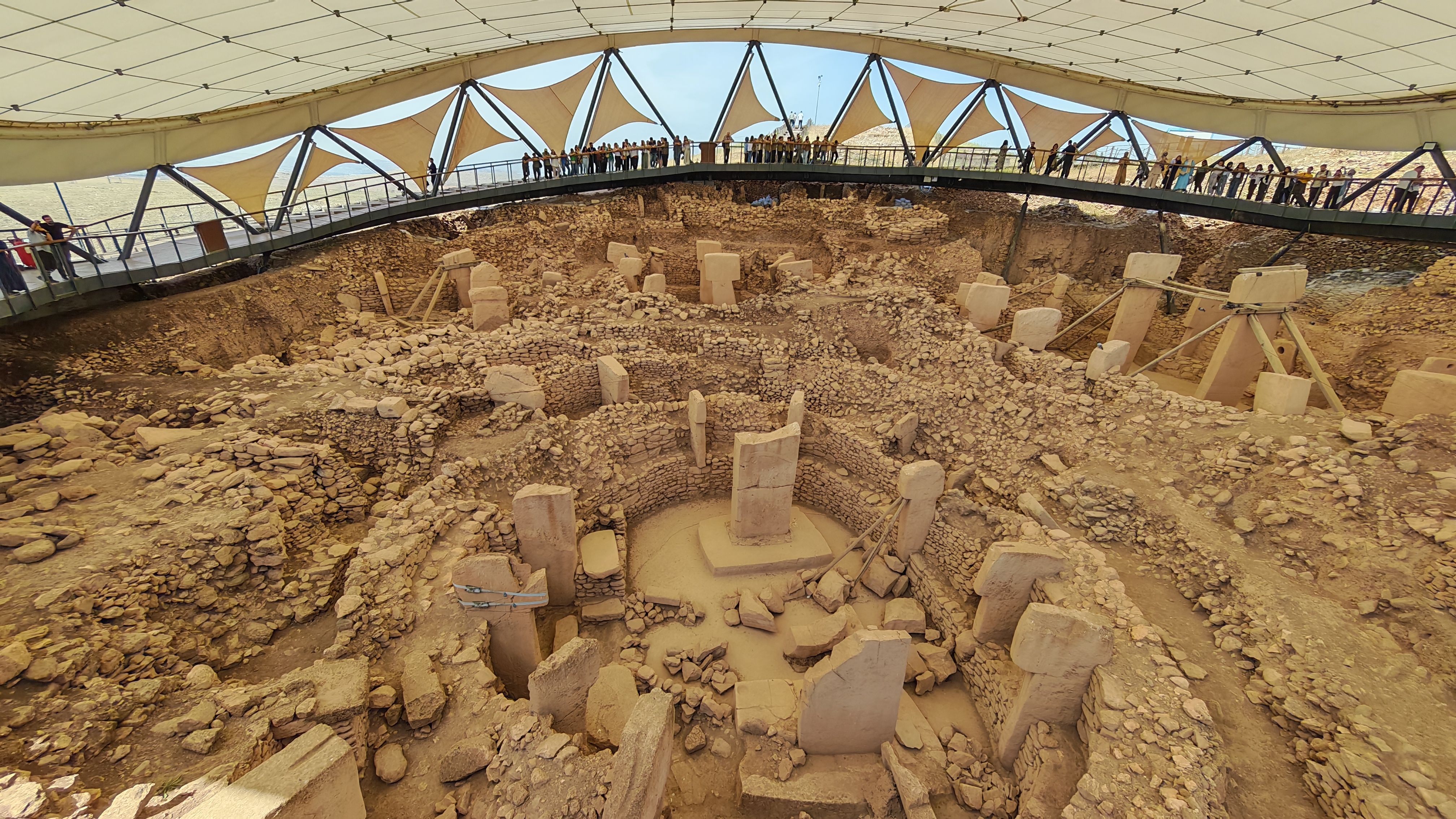
The first light of dawn breaks over the Harran Plain, casting long shadows across the limestone pillars that have stood sentinel for over eleven thousand years. You stand atop this windswept ridge in southeastern Turkey, where the air carries whispers of the Neolithic Revolution—the moment humanity first turned from hunting and gathering to building, believing, and gathering in communities. The T-shaped monoliths, some weighing sixteen tons and rising five meters high, emerge from the earth like petrified giants, their surfaces carved with foxes, snakes, cranes, and spiders that seem to dance in the early morning light. This is Göbekli Tepe—the world's oldest known temple complex, predating Stonehenge by six millennia and the Egyptian pyramids by seven. Archaeologists once believed that agriculture gave rise to religion and monumental architecture; Göbekli Tepe turned that theory on its head, suggesting instead that it was the desire to worship together that drove humans to settle, farm, and build civilization itself. As you trace your fingers along the weathered carvings, you touch the very origins of human spirituality.
Why Göbekli Tepe Embodies Humanity's First Sacred Space
Göbekli Tepe represents nothing less than a rewriting of human history. Discovered in 1963 during a survey by Istanbul University and the University of Chicago, the site remained largely ignored until German archaeologist Klaus Schmidt began systematic excavations in 1995, continuing until his death in 2014. What he uncovered shocked the archaeological world: a complex of circular enclosures built by hunter-gatherers around 9500-8000 BCE, during the Pre-Pottery Neolithic period—centuries before humans domesticated plants or animals.
The engineering achievement is staggering. The site features twenty circular enclosures, though only four have been fully excavated. Each enclosure contains massive T-shaped pillars carved from local limestone quarries located 100-500 meters away. The largest pillars weigh up to sixteen tons and stand 5.5 meters tall; they were transported without wheels, without metal tools, without domesticated animals—only human muscle, ingenuity, and sheer determination. The pillars are arranged in circles ranging from ten to thirty meters in diameter, connected by walls of unworked stone. Between the larger T-pillars stand smaller ones, creating a hierarchical architectural composition that suggests complex social organization and religious hierarchy.
The carvings themselves tell stories we can no longer fully decipher. Relief sculptures depict vultures with outstretched wings, scorpions poised to strike, asexual human figures with arms and hands carved in low relief, and abstract symbols that may represent early writing or sacred geometry. Some pillars show evidence of having been deliberately buried around 8000 BCE—an intentional act of decommissioning that preserved them remarkably well for modern discovery. This wasn't a settlement; there are no signs of domestic life, no hearths, no storage facilities. Göbekli Tepe was purely a ritual center, a pilgrimage destination that drew people from across the region to participate in ceremonies we can only imagine.
The Best Time to Experience Göbekli Tepe
Timing your visit to Göbekli Tepe requires understanding the harsh continental climate of southeastern Anatolia. The optimal window falls between April 15–May 31 and September 20–October 15, when daytime temperatures hover between 18-26°C (64-79°F) and the landscape blooms with wildflowers or glows with autumn gold. During these periods, you'll experience comfortable conditions for exploring the exposed site, where shade is minimal and the sun beats down relentlessly in summer.
Avoid the peak summer months of June 15–September 10 at all costs. Temperatures regularly exceed 40°C (104°F), with the site's elevation offering no respite from the brutal sun. The stone becomes too hot to touch, and heat exhaustion is a genuine risk. Winter months (December–February) bring their own challenges: temperatures drop to 2-8°C (36-46°F), rain turns the paths to mud, and occasional snow makes access difficult. If you must visit in winter, aim for mid-morning hours between 10:00 AM–2:00 PM when temperatures are mildest.
For the most atmospheric experience, arrive at opening time—8:00 AM sharp—when the morning light creates dramatic shadows across the carved pillars and tour buses from Şanlıurfa haven't yet arrived. The site closes at 7:00 PM in summer and 5:00 PM in winter, with last entry one hour before closing.
For current hours, ticket prices, and visitor information, visit the official site: https://sanliurfa.bel.tr
Approximate Budget for a 7-Day Trip
Visiting Göbekli Tepe requires basing yourself in nearby Şanlıurfa, a city of 600,000 that serves as the gateway to this archaeological wonder. The following budget assumes moderate travel style—comfortable but not luxury accommodations, local dining with occasional tourist restaurants, and public or shared transportation. Prices are listed in euros for international travelers, though Turkey uses the Turkish Lira (₺).
- Accommodation: €35–€65 per night in Şanlıurfa's city center or near Balıklıgöl (Pool of Abraham). Budget hotels start at €25; boutique cave hotels in restored Ottoman houses run €70-100.
- Food: €18-25 per day total. Breakfast included at most hotels. Lunch: €5-7 for lahmacun (Turkish pizza), çiğ köfte, or kebabs at local esnaf lokantası. Dinner: €8-12 for sit-down meals featuring Urfa kebab, baklava, and ayran.
- Transportation: Round-trip flight to Şanlıurfa GAP Airport from Istanbul: €60-120. Shared dolmuş (minibus) from city to Göbekli Tepe: €3 each way. Taxi: €15 each way. Car rental: €35/day.
- Attractions: Göbekli Tepe entrance: €8. Şanlıurfa Archaeological Museum: €4. Balıklıgöl complex: Free. Harran day trip: €25 for guided tour.
- Miscellaneous: Handwoven kilim rug: €40-150. Local pistachios (Şanlıurfa is famous): €8/kg. Simulated archaeological dig experience: €30.
Total 7-Day Budget: €450–€650 per person (excluding international flights to Turkey)
7 Essential Göbekli Tepe Experiences
- Walk the Sacred Circles at Sunrise: Arrive when the gates open at 8:00 AM to experience Enclosure D—the largest and best-preserved circle—in near solitude. The morning light strikes the eastern pillars at a perfect angle, illuminating the carved fox and crane reliefs. Bring a flashlight for the first thirty minutes; the low sun hasn't yet reached the deeper carvings. Stand in the center of the circle and listen to the wind whistle through the pillars—it's the same sound that echoed here eleven millennia ago.
- Decipher the Animal Reliefs: Spend time at Pillar 43, known as the "Vulture Stone," which features a complex tableau of birds, a headless human figure, and geometric symbols. Some researchers believe this represents an early astronomical calendar or even a record of a comet impact. Bring binoculars to examine the high reliefs on the tallest pillars, where snakes coil around the T-shaped capitals and spiders hang in stone webs.
- Visit the On-Site Museum: The new visitor center, opened in 2021, houses artifacts too fragile to remain outdoors: carved stone bowls, flint tools, and figurines discovered in the excavation layers. The multimedia presentations reconstruct how the site may have looked in 9000 BCE, with roofs covering the enclosures and colorful pigments adorning the pillars.
- Hike the Quarry Trails: Follow the marked path 300 meters north of the main site to see the unfinished T-pillar still attached to the bedrock. This 6.9-meter monolith, weighing approximately 50 tons, was abandoned mid-extraction—providing crucial evidence of Neolithic quarrying techniques. The walk offers panoramic views of the Mesopotamian plain stretching toward Syria.
- Attend the Evening Sound & Light Show: From April through October, the site offers a nightly projection mapping show (8:30 PM, €6) that uses the actual pillars as screens to tell the story of Göbekli Tepe's construction and ritual use. The show runs in Turkish and English; reserve tickets at the visitor center by 4:00 PM.
- Explore the Conservation Laboratory: Book the "Archaeologist for a Day" experience (€45, advance booking required) to visit the working conservation lab where specialists clean, document, and preserve newly discovered fragments. You'll handle replica pillars and learn photogrammetry techniques used to create 3D models of the carvings.
- Photograph the Pillar P56: This isolated pillar stands apart from the main enclosures and features the most detailed human arms and hands carved in high relief. Position yourself on the eastern side at golden hour (one hour before sunset) when the light catches the three-dimensional fingers and belt carved into the stone.
3 Hidden Gems Most Travelers Miss
- The Karahan Tepe Satellite Site: Located 35 kilometers east of Göbekli Tepe, this sister site is only now being excavated and is already revealing even older structures dating to 9400 BCE. Unlike Göbekli Tepe, Karahan Tepe features phallic pillars and domestic structures, suggesting it may have been a settlement as well as a ritual center. Access requires a 4WD vehicle and permission from the Şanlıurfa Museum (contact: +90 414 313 0464). The site is unfenced and unguarded—bring water and a guide.
- The Neolithic Cistern: Hidden in a ravine 800 meters southwest of the main entrance lies a rock-cut cistern with a capacity of 150,000 liters, used to collect rainwater for ritual purification and construction crews. Most visitors never see it because it's unmarked; ask the site guards for directions to "su deposu" (water reservoir). The walk down requires sturdy shoes, but the carved steps and lime-plastered walls are remarkably preserved.
- Şanlıurfa's Neolithic Market: Every Tuesday and Friday, the covered bazaar near the old city hosts a "Neolithic Market" where local artisans demonstrate flint-knapping, bead-making, and weaving techniques using authentic Pre-Pottery Neolithic methods. Located in the Bedesten (covered market) behind the Grand Mosque, the demonstrations run 10:00 AM–4:00 PM. Master craftsman Mehmet Özalp (+90 532 456 7890) can arrange private workshops where you'll knap your own obsidian blade.
Cultural & Practical Tips
- Photography Rules: Tripods and drones require special permits from the Ministry of Culture (apply 2 weeks in advance). Flash photography is prohibited inside the visitor center museum. Commercial photography costs €150/day; personal use is free.
- Dress Code & Etiquette: While Göbekli Tepe itself has no dress restrictions, you'll likely visit Şanlıurfa's mosques and the sacred Balıklıgöl pool. Carry a scarf to cover shoulders and hair when entering religious sites. Remove shoes before entering carpeted areas.
- Essential Turkish Phrases: "Teşekkür ederim" (teh-shek-kür eh-deh-rim) = Thank you; "Göbekli Tepe nerede?" (goh-bek-lee teh-peh neh-reh-deh) = Where is Göbekli Tepe?; "Ne kadar?" (neh kah-dar) = How much?
- Physical Requirements: The site involves walking on uneven terrain with a 150-meter elevation gain from the parking area. The paths are gravel and can be slippery after rain. Not wheelchair accessible beyond the visitor center. Bring 2 liters of water per person—there are no vendors on-site.
- Guided vs. Independent: While you can explore independently, hiring a licensed guide (€60 for 3 hours, book through Şanlıurfa Tourism Office) provides crucial context. Ask for guides certified in "Neolithic Archaeology"—general tour guides often repeat outdated theories.
- Weather Preparedness: The site sits at 760 meters elevation with zero shade. In spring and fall, bring layers—mornings are 10°C cooler than afternoons. Wind speeds regularly exceed 30 km/h; secure hats and light jackets. Sunscreen and sunglasses are non-negotiable.
- Respect the Fragility: The carvings have survived 11,000 years, but modern oils from human skin accelerate erosion. Never touch the pillars, even if no guards are watching. Stay on marked paths—the unexcavated areas contain undiscovered enclosures that could be damaged by foot traffic.
Conclusion: Travel with Reverence, Not Just Checklists
Göbekli Tepe demands more than a quick photo and a checkbox on your Turkey itinerary. This is a place where you stand at the threshold of human consciousness, where our ancestors first looked up at the stars and down at these carved stones and asked questions we still ask today: Why are we here? What comes after? How do we make meaning of our brief existence? To rush through the enclosures in thirty minutes, snapping selfies against the T-pillars, is to miss the profound gift this place offers—the chance to feel the weight of deep time, to recognize that the human impulse toward wonder and worship is as old as civilization itself.
Walk slowly. Sit beside Pillar 18 and watch the light move across the fox carving. Let yourself wonder about the hands that shaped these stones, the voices that sang here, the rituals that bound communities together before writing, before cities, before kings. Travel to Göbekli Tepe not to consume an experience, but to participate in an ongoing conversation between past and present. The site will be here for generations to come—preserved through careful excavation, climate-controlled shelters, and the respect of visitors who understand that some places are not destinations, but doorways.