
Ikaria Hot Springs: Where Healing Thermal Waters Meet Aegean Island Serenity
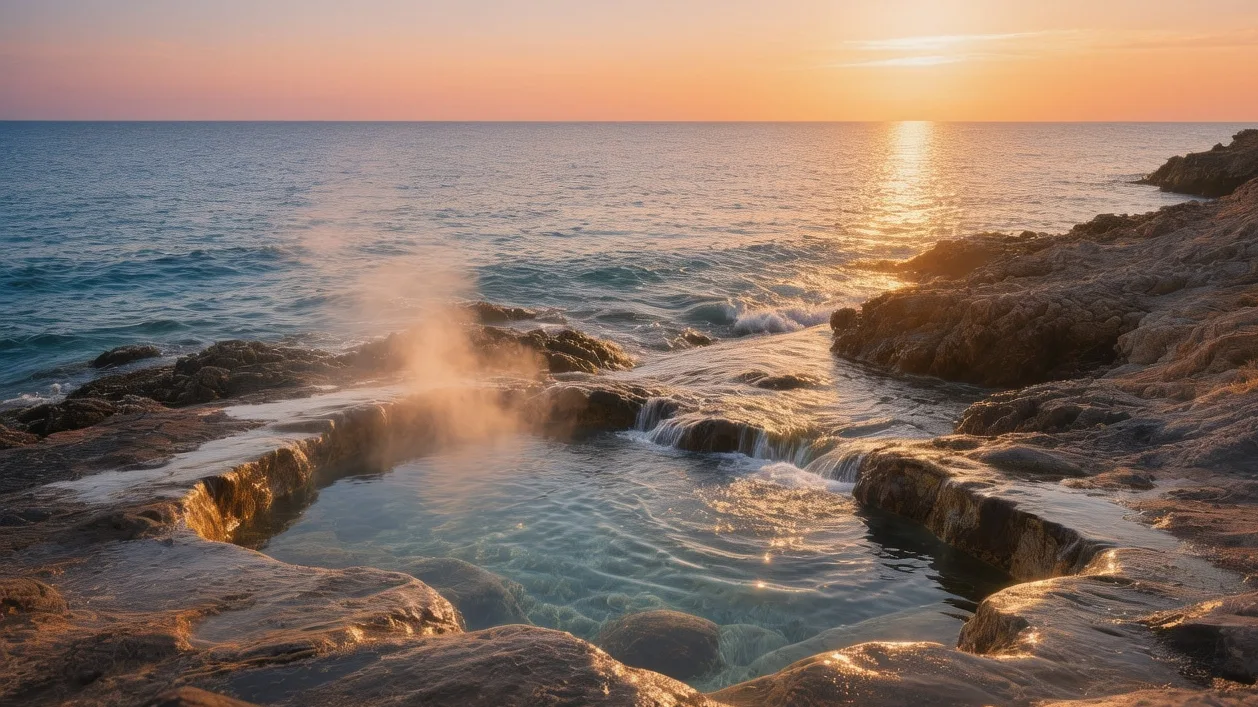
Golden afternoon light spills across steaming thermal pools as you descend the rocky path toward the sea—Ikaria's legendary hot springs awaken with the gentle hiss of mineral-rich waters meeting the Aegean, the distant cry of seagulls wheeling above rugged cliffs, and the soft murmur of visitors discovering a natural sanctuary where therapeutic waters have flowed for over two millennia. You breathe air scented with sulfur and wild thyme, feel the warmth of 45°C (113°F) thermal waters embracing your skin as they cascade from volcanic rock into the cool sea, and watch sunlight illuminate the steam rising from natural pools carved by centuries of geothermal activity. This extraordinary thermal landscape, concentrated along Ikaria's northern coast near the village of Therma, features over seven distinct hot spring sources with water temperatures ranging from 30°C to 58°C (86°F to 136°F), their radon-rich, sulfur-infused waters celebrated since Hippocrates first documented their healing properties in the fifth century BCE [[15]][[22]]. The springs' distinctive orange mineral deposits stain the volcanic rock, creating a surreal landscape where steam mingles with sea spray and the rhythmic crash of waves. But Ikaria's hot springs matter because they preserve not just a natural wonder, but an entire philosophy of wellness—a testament to how geothermal forces, ancient wisdom, and island culture converge to create an experience that transcends mere relaxation, reminding us of the enduring connection between earth, water, and human well-being.
Why Ikaria Hot Springs Embody Mediterranean Wellness Heritage
Ikaria's hot springs represent the pinnacle of natural therapeutic heritage, solving a fundamental need for accessible healing waters while creating a cultural destination where ancient medicine meets modern wellness. When Hippocrates visited Ikaria around 400 BCE, he recognized the extraordinary properties of these thermal springs—radon-rich, sulfur-infused waters emerging from volcanic rock at temperatures ideal for therapeutic immersion—and documented their benefits for rheumatism, skin conditions, and nervous disorders [[15]][[20]]. The problem he addressed: how to harness nature's healing power in an era before pharmaceuticals, creating accessible wellness for communities across the Aegean.
The springs' geological engineering is remarkable: volcanic activity heats groundwater to 30–58°C (86–136°F), forcing it through mineral-rich rock layers that infuse the water with radon, sulfur, calcium, and magnesium [[18]][[24]]. Seven distinct spring sources emerge along a two-kilometer stretch of coastline near Therma village, each with unique mineral compositions and temperatures suited to different therapeutic needs. Technical preservation efforts include sustainable access infrastructure with stone pathways that protect fragile mineral formations, natural drainage systems that maintain water quality without chemical treatment, and monitoring programs that track radon levels to ensure visitor safety while preserving therapeutic benefits. Ikaria's springs fulfilled a dual purpose: medically, they provided accessible treatment for conditions that challenged ancient physicians; culturally, they became symbols of the island's longevity tradition, where daily immersion in thermal waters complements the Mediterranean diet and relaxed lifestyle credited with Ikaria's exceptional life expectancy. Today, managed by the Ikaria Municipality alongside the Greek National Tourism Organization, these springs stand as a testament to how natural resources can inspire wellness culture, how ancient knowledge can inform modern practice, and how a single landscape can anchor regional identity through centuries of healing tradition.
The Best Time to Experience Ikaria Hot Springs
Timing your visit to Ikaria's hot springs profoundly influences both therapeutic benefit and atmospheric immersion. The optimal window falls between May 15 and June 20, when the Aegean enjoys extended daylight—sunset occurs around 8:45 PM—and temperatures range from 20°C to 27°C (68°F to 81°F), creating ideal conditions for thermal immersion, coastal walks, and photography [[68]][[72]]. During this period, wildflowers bloom along the spring pathways, outdoor tavernas operate at full capacity, and summer crowds remain manageable before peak season. For photographers, visit between 6:30–8:30 AM when soft morning light illuminates steam rising from thermal pools with minimal crowds, or 7:00–9:00 PM for dramatic golden-hour shots where steam glows against twilight skies.
Ikaria's hot springs operate year-round as natural attractions, but key facilities follow seasonal patterns: summer season (June–September) extends taverna and rental hours to 9:00 AM–10:00 PM daily; winter hours (November–February) reduce services, though the springs themselves remain accessible 24/7. For current conditions, local events, and visitor information Avoid visiting during late November through early March, when temperatures drop to 8°C to 15°C (46°F to 59°F), daylight shrinks to nine hours, and winter rains can make rocky pathways slippery and dangerous. Also steer clear of mid-July to mid-August when cruise crowds peak and midday heat exceeds 30°C (86°F), making thermal immersion less comfortable. Access to the springs remains free year-round; nearby facilities like changing rooms and tavernas charge modest fees (€2–€5) [[24]]. The spring-side cafés are particularly rewarding between 2:00–4:00 PM when afternoon light enhances the panoramic Aegean views.
Approximate Budget for a 7-Day Trip
Exploring Ikaria's hot springs and the island requires moderate budgeting, as Greece offers excellent value compared to many European destinations. Strategic planning—including staying in Therma or nearby Armenistis and utilizing local transportation—can optimize your experience. The following breakdown reflects mid-range preferences with wellness and nature immersion priorities.
- Accommodation: €38–€78 per night for a double room in Therma or Armenistis (walking distance to springs); budget guesthouses €20–€40 per night; boutique sea-view hotels €88+ per night
- Food: €24–€44 per day total
- Breakfast: €3–€6 (Greek coffee, bougatsa pastry, or village bakery items)
- Lunch: €7–€12 (Greek salad, grilled octopus, or fresh fish at taverna)
- Dinner: €12–€22 (lamb kleftiko, moussaka, or mezze platter at traditional restaurant)
- Taverna option: €5–€8 for souvlaki, tzatziki, and Greek coffee
- Transportation:
- Ferry from Piraeus to Ikaria: €28–€48 one-way (6–8 hours)
- Local bus to Therma: €5 per ride from Agios Kirykos
- Car rental for island exploration: €30 per day including fuel
- Taxi from Agios Kirykos to Therma: €25 one-way
- Attractions:
- Hot springs access: Free year-round [[24]]
- Guided wellness tour: €10 per person
- Ikaria Folk Museum: €4 adults
- Seychelles Beach boat tour: €20 per person
- Traditional pottery workshop: €15 per person
- Miscellaneous:
- Local honey, herbal teas, and crafts: €7–€32
- Beach towel rental: €3
- Photography permit for professional use: €16
Total estimated budget for 7 days: €560–€890 per person (excluding international flights)
7 Essential Ikaria Hot Springs Experiences
- Immerse in Therma's Main Spring at Sunrise: Arrive between 6:30–8:30 AM when the main thermal pool is quiet and steam rises dramatically against morning light. Step into the natural stone basin where 45°C (113°F) radon-rich water flows continuously from volcanic rock. Allow 30 minutes for this therapeutic immersion; the morning atmosphere feels particularly magical before crowds gather. Listen for the gentle hiss of thermal water meeting the Aegean and imagine ancient healers who first recognized these waters' properties.
- Explore the Seven Spring Sources: Follow the coastal path that connects all seven distinct hot spring sources near Therma, each with unique temperatures and mineral compositions. Visit between 10:00 AM–12:00 PM when natural light reveals the orange mineral deposits and steam patterns. Allow 60 minutes for the full circuit; interpretive signs explain how geological variations create different therapeutic benefits [[22]].
- Experience the Sea-Mix Pools: Discover natural pools where thermal waters cascade directly into the Aegean, creating perfect temperature gradients for personalized immersion. Visit between 2:00–4:00 PM when afternoon light enhances the contrast between steaming thermal water and cool sea. Allow 45 minutes; move between pools to find your ideal temperature, from warm therapeutic soaks to refreshing sea dips.
- Attend a Traditional Wellness Ritual: Join local practitioners who demonstrate ancient Ikarian wellness practices—herbal compresses, mineral mud applications, and breathing techniques that complement thermal immersion. Sessions typically occur at 11:00 AM and 4:00 PM daily in summer; book in advance. The experience provides deeper context for Ikaria's longevity tradition, revealing how thermal waters integrate with diet, movement, and community.
- Photograph Steam and Stone: Position yourself at designated viewpoints between 7:00–9:00 AM when soft light highlights steam rising from orange-stained volcanic rock. Use a polarizing filter to manage reflections; a wide-angle lens captures the surreal landscape where geothermal forces meet the Aegean. The iconic view—steam, orange mineral deposits, blue sea—defines Ikaria's thermal beauty.
- Taste Ikarian Wellness Cuisine: Reserve a table at a spring-side taverna between 1:00–3:00 PM to sample dishes that complement thermal wellness—fresh greens, wild herbs, local honey, and olive oil. Order Ikarian salad (€9), grilled fish with horta (€14), or honey-walnut dessert (€6). The unique flavors reveal why Ikaria's diet contributes to exceptional longevity.
- Walk the Coastal Path to Seychelles Beach: Follow the marked trail from Therma to Ikaria's famous Seychelles Beach, where turquoise waters meet white pebbles and dramatic cliffs. Visit between 5:00–7:00 PM when light is warmest and crowds thin. Allow 45 minutes; the path reveals how thermal springs integrate with Ikaria's diverse coastal landscape, from volcanic rock to pristine beaches.
3 Hidden Gems Most Travelers Miss
- The Upper Spring Cave: Tucked above the main thermal area, a small cave where a hotter spring (52°C/126°F) emerges directly from volcanic rock offers a more intense therapeutic experience. Most visitors focus solely on the main pools without exploring this atmospheric space. Access: From the main spring, follow the upper path marked "Πηγή" (Spring); accessible daily 8:00 AM–sunset; free. Best visited between 10:00 AM–12:00 PM when the space is least crowded. The cave's interpretive panel explains the geological forces that create this hotter source, creating educational value alongside therapeutic benefit.
- The Mineral Deposit Formations: Beyond the main pools, intricate orange and white mineral formations created by centuries of thermal water flow reveal the springs' geological history. Most tourists focus on immersion without exploring these natural sculptures. Access: Follow the coastal path south from Therma; accessible 24/7; free. Best visited between 4:00–6:00 PM for golden-hour photography. The formations' delicate structures—stalactites, terraces, and crystalline patterns—reveal how thermal waters shape landscape over millennia.
- The Herbal Garden of Therma: Behind the main spring area, a small cultivated garden features medicinal herbs traditionally used alongside thermal therapy—chamomile, sage, thyme, and mountain tea. Most visitors don't know this tranquil space exists. Access: Inquire at the spring-side taverna for garden access; typically open Wednesday–Sunday 10:00 AM–4:00 PM; free. Best visited between 11:00 AM–1:00 PM when herbalists provide informal explanations. The garden's interpretive panels explain how Ikarians combine thermal immersion with herbal remedies, creating a tangible connection to traditional wellness practices.
Cultural & Practical Tips
- Photography Guidelines: Photography for personal use is permitted throughout Ikaria's hot springs, but drones require special permission from local authorities—contact +30 22750 22333 in advance. The steam formations and coastal views are ideal for photography; visit during golden hour for optimal light. Respect other visitors' privacy when capturing candid moments.
- Language: While signage includes English, learning Greek phrases enhances your experience: efharistó (ef-ha-ree-STO = thank you), parakaló (pa-ra-ka-LO = please/you're welcome), yasou (YA-soo = hello). Greek pronunciation emphasizes the second-to-last syllable.
- Footwear: Water shoes or sturdy sandals with good grip are essential—exploring thermal pools involves slippery volcanic rock, uneven surfaces, and occasional seaweed. The main spring circuit involves moderate walking; allow 90 minutes for full exploration.
- Thermal Safety: Ikaria's springs reach temperatures up to 58°C (136°F). Test water temperature before full immersion, limit sessions to 15–20 minutes, and stay hydrated. Those with heart conditions, pregnancy, or high blood pressure should consult a physician before thermal immersion.
- Weather Considerations: Ikaria's island location means strong meltemi winds during July and August. Check the forecast before visiting; winds can make exploring exposed spring areas challenging. Spring (April–June) and fall (September–October) offer the most reliable conditions with comfortable temperatures.
- Combining with Athens: Ikaria is accessible via ferry from Piraeus (6–8 hours) or flight from Athens (45 minutes). Purchase an Ikaria transport pass for flexible travel. Consider spending 3–4 nights in Therma to fully explore the hot springs alongside the island's beaches, villages, and hiking trails.
- Respectful Engagement: Ikaria's hot springs are natural treasures and community resources. Respect quiet hours, never use soap or chemicals in the pools, and support local businesses by purchasing from spring-side tavernas. The community values visitors who engage thoughtfully with the springs' heritage while honoring their therapeutic purpose.
Conclusion: Travel with Wellness, Not Just Relaxation
Ikaria's hot springs invite more than passive relaxation—they demand engagement with the layered narratives embedded in volcanic rock, mineral waters, and Aegean sea: the wisdom of ancient healers who recognized nature's therapeutic power, the resilience of islanders who preserved wellness traditions across centuries, and the ongoing stewardship that keeps these springs accessible for future generations. When you stand in those thermal pools watching steam rise against blue sky, you're not merely enjoying a soak; you're connecting with a model for sustainable wellness, a testament to how geothermal forces can heal, and a reminder that the most meaningful experiences honor both body and spirit. This isn't a place to rush through, checklist in hand, snapping photos before racing to the next attraction. Slow down. Feel the mineral-rich water embracing your skin; listen to the gentle hiss of thermal flow meeting the sea; contemplate how a single landscape could sustain wellness traditions for two millennia. Travel here with curiosity about how places shape well-being and how well-being gives meaning to places. Support preservation by respecting the springs, choosing experiences that employ local guides, and sharing not just images but understanding. The most transformative journeys leave you not just with memories of what you felt, but with deeper appreciation for balance—and Ikaria's hot springs, with their seamless fusion of natural power and healing tradition, offer precisely that invitation to those willing to immerse, to reflect, and to simply be.