
Lokrum Island: Where Benedictine Silence Meets Adriatic Wilderness
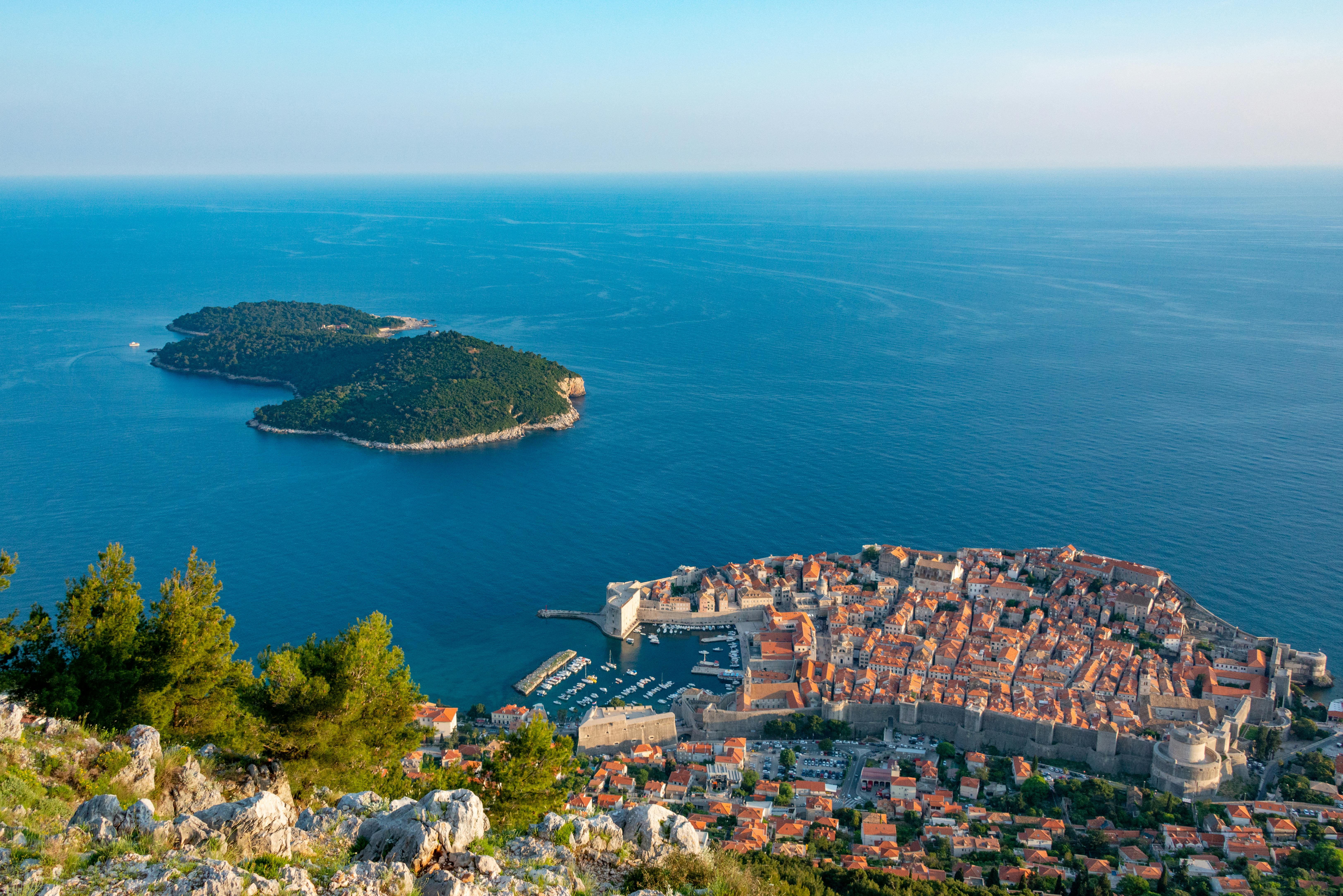
The ferry glides across 600 meters of turquoise water as you approach an emerald jewel rising from the Adriatic—Lokrum Island, a nature reserve where peacocks strut through botanical gardens and ruins whisper of monks who prayed here a thousand years ago. The air carries salt from the waves, the sweet perfume of pine and eucalyptus, and the distant cry of gulls circling the monastery's bell tower. You hear the gentle lap of water against rocky shores, the rustle of peacock feathers through olive groves, and the soft footsteps of fellow visitors on limestone paths worn smooth by centuries. This is Lokrum—a 30-hectare (74-acre) sanctuary just minutes from Dubrovnik's Old Town, where a Benedictine monastery founded in 1023 once sheltered monks seeking solitude, and where Fort Royal, built by the French in 1806, now stands as a silent sentinel over the sea. The island matters because it preserves something increasingly rare: a place where nature and history coexist without compromise, offering visitors a chance to step away from crowds and into a landscape where time moves at the pace of rustling leaves and lapping waves.
Why Lokrum Island Embodies Adriatic Sanctuary
The island of Lokrum represents one of the Adriatic's most elegant examples of layered heritage, where geological formation, monastic tradition, and botanical curiosity converge within a compact, walkable space. Formed from limestone during the same tectonic uplift that created the Dalmatian coast, Lokrum's karst terrain—pocked with solution pits, natural pools, and shallow caves—provided both challenges and opportunities for human settlement. When Benedictine monks arrived in 1023, they solved a fundamental need: creating a retreat from worldly distractions while cultivating medicinal herbs and maintaining a spiritual connection to the sea that sustained Dubrovnik's maritime republic.
Engineering adaptations reflect centuries of ingenuity. The monastery complex, expanded in the 15th and 16th centuries, incorporated cisterns to collect rainwater (essential on an island with no freshwater springs), terraced gardens to maximize arable land on steep slopes, and thick limestone walls to moderate interior temperatures. Fort Royal, constructed by French forces occupying Dubrovnik in 1806 and later expanded by Austrians, features star-shaped bastions designed to deflect cannon fire—a military solution that now serves as a viewpoint for birdwatchers and photographers.
Today, Lokrum is managed by the Dubrovnik City Administration as a Special Reserve of Forest Vegetation and part of the UNESCO World Heritage buffer zone, protecting 28 native plant species and providing habitat for migratory birds. Approximately 250,000 visitors annually explore the island, generating revenue that funds conservation of both natural ecosystems and historical structures. This living preservation model balances tourism access with ecological integrity, ensuring that Lokrum remains not a theme park but a sanctuary where peacocks roam free, olive trees bear fruit, and the silence of monks still echoes in stone corridors.
The Best Time to Experience Lokrum Island
Optimal conditions for visiting Lokrum Island occur during two distinct windows: May 20 through June 25 and September 8 to October 18. During these periods, temperatures range between 21-26°C (70-79°F), rainfall averages just 35-55mm monthly, and the island's botanical gardens bloom with lavender, rosemary, and exotic specimens from around the Mediterranean. Visit between 8:30-9:30 AM when the first ferry departs Dubrovnik's Old Port to experience soft morning light on monastery ruins, minimal crowds, and peacocks at their most active before midday heat.
Summer months (July-August) present challenges: temperatures reach 28-32°C (82-90°F), crowds peak with 2,000+ daily visitors, and the island's limited shade can make hiking uncomfortable. Ferry schedules operate at maximum frequency (every 30 minutes), but queues at the Old Port may exceed 45 minutes. Winter (November-March) brings cooler temperatures—12-16°C (54-61°F)—and reduced ferry service; the island closes entirely from late October through early April for ecological restoration. Avoid visiting during midday in summer (11:00 AM-3:00 PM) when sun exposure is intense and the Dead Sea swimming area becomes congested.
For current ferry schedules, opening dates, and conservation updates, visit https://www.lokrum.hr/en, the official tourism portal maintained by the Dubrovnik-Neretva County Tourist Board. The website provides real-time updates on Lokrum access, links to the official ferry operator at lokrum.hr, and detailed information about guided nature walks, botanical garden tours, and seasonal photography workshops. The island operates daily from 9:00 AM to 6:00 PM (May-September) and 9:00 AM to 4:00 PM (April, October), with the final ferry departing Lokrum one hour before closing.
Approximate Budget for a 7-Day Trip
Dubrovnik offers good value for a Mediterranean coastal destination, though prices peak during summer. This breakdown assumes a mid-range travel style with comfortable accommodations, authentic local dining, and public transportation—walkability within the Old Town significantly reduces transit costs.
- Accommodation: €70-€130 per night for a double room in a family-run pansion or three-star hotel in Dubrovnik's Old Town, Ploče, or Lapad neighborhoods
- Food: €35-50 per day total
- Breakfast: €6-10 (coffee, fresh burek, and local cheese at a pekara)
- Lunch: €12-18 (crni rižot—black cuttlefish risotto, or pašticada—beef stew with gnocchi)
- Dinner: €17-22 (grilled Adriatic fish or peka slow-cooked meat with local Plavac Mali wine)
- Transportation:
- Libertas bus day pass: €6.50 (covers city routes and airport shuttle)
- Taxi from Dubrovnik Airport: €35-45 one-way
- Lokrum Island ferry round-trip: €27 adults, €13 children (4-12), free under 4
- Inter-city bus to Mostar or Kotor: €25-40 round-trip
- Attractions:
- Lokrum Island entry: Included with ferry ticket
- Botanical garden guided tour: €8 supplement
- Fort Royal viewpoint access: Free
- City walls entry: €35
- War Photo Limited exhibition: €10
- Miscellaneous:
- Snorkel gear rental on Lokrum: €10 per day
- Local olive oil tasting: €12-18
- Ratafija liqueur tastings: €6-10
Total estimated cost for 7 days: €990-1,460 per person (excluding international flights)
7 Essential Lokrum Island Experiences
- Peacock Encounter in Botanical Gardens: Arrive at 9:00 AM when the island opens to witness peacocks—descendants of birds gifted to monks in the 19th century—strutting through the botanical garden's exotic plantings. The gardens, established in 1892 by Archduke Maximilian, feature over 200 species including eucalyptus, agave, and rare Mediterranean orchids. Follow the marked path; peacocks are accustomed to visitors but never feed them. Bring a camera with a zoom lens for ethical wildlife photography.
- Monastery Ruins Exploration: Wander the cloister and church remnants of the Benedictine monastery (founded 1023, damaged in 1667 earthquake), where stone arches frame views of the Adriatic and the scent of ancient olive trees lingers in shaded courtyards. Allow 30 minutes for quiet reflection; informational plaques in Croatian and English provide historical context. Visit at 10:00-11:00 AM for optimal light filtering through ruined windows.
- Dead Sea Swimming: Cool off in the Mrtvo More (Dead Sea), a natural saltwater lake separated from the open Adriatic by a narrow rock barrier. The water, warmed by the sun and protected from waves, maintains a comfortable 24-26°C (75-79°F) in summer. Access via a short trail from the monastery; bring water shoes for rocky entry points. Visit at 2:00-3:00 PM when crowds thin and light enhances underwater photography.
- Fort Royal Summit Views: Climb the 42 steps to Fort Royal's upper terrace for panoramic vistas encompassing Dubrovnik's Old Town, the Elafiti Islands, and the open Adriatic. The star-shaped fortress, built in 1806, offers 360-degree perspectives that contextualize Lokrum's strategic position. Visit at 4:00-5:00 PM for golden-hour lighting; bring a wide-angle lens to capture the full sweep of coastline.
- Coastal Trail to Southern Coves: Follow the marked 1.2-kilometer path along Lokrum's eastern shore to secluded rocky coves where crystal-clear water invites snorkeling. The trail passes through pine forest and Mediterranean scrub, with occasional views of Dubrovnik's city walls. Allow 45 minutes round-trip; wear sturdy shoes for uneven limestone terrain. Best visited weekday mornings for solitude.
- Traditional Lunch at Island Café: After morning exploration, dine at the small café near the ferry dock, which serves simple fare: grilled fish sandwiches, fresh salads, and local wine. Expect to pay €12-18 per person; terrace seating offers harbor views as ferries come and go. Visit at 1:00 PM to avoid peak lunch crowds while still enjoying daylight views.
- Sunset Ferry Return: Board the final ferry at 5:00-6:00 PM (seasonal) to experience Dubrovnik's Old Town illuminated by golden light as you approach from the sea. Position yourself on the ferry's starboard side for optimal views of the city walls and harbor. The 15-minute crossing offers a unique perspective rarely seen by land-based visitors—keep your camera ready but also take moments to simply observe.
3 Hidden Gems Most Travelers Miss
- Monastery Herb Garden Restoration Project: Behind the main cloister, a small volunteer-maintained garden recreates the medicinal herb plots once cultivated by Benedictine monks: lavender, sage, rosemary, and fennel. Access via a discreet gate near the eastern cloister wall; open Tuesday and Thursday mornings 9:00-11:00 AM. Volunteers often share traditional preparation methods; donations support conservation. No signage—ask staff at the entrance for directions.
- Game of Thrones Filming Location Marker: Near Fort Royal, a small plaque marks where Lokrum stood in for Qarth in HBO's Game of Thrones. The spot offers a unique photo opportunity with the fortress and sea as backdrop. Visit at 3:00-4:00 PM when tour groups have moved on; the plaque is easily missed without guidance—ask ferry staff for the exact location.
- Eastern Shore Tide Pools: At Lokrum's southeastern tip, a series of natural rock pools form during low tide, creating miniature ecosystems with sea anemones, small fish, and colorful algae. Access requires a 10-minute walk from the main trail; visit 2 hours before or after low tide (check tide tables at lokrum.hr). Bring water shoes and a macro lens; the pools are fragile—observe without touching marine life.
Cultural & Practical Tips
- Island etiquette: Lokrum is a protected nature reserve—stay on marked trails, never feed wildlife (including peacocks), and pack out all trash. The island's ecological balance depends on visitor respect.
- Footwear essentials: Wear sturdy, closed-toe shoes with good traction—the limestone paths become slippery when wet or dusty. Avoid flip-flops; uneven terrain and rocky coves require stable footing.
- Hydration strategy: Carry at least 1 liter of water per person; the island has limited freshwater sources and no vending machines outside the main café. Refill stations are available near the ferry dock.
- Essential Croatian phrases: "Dobar dan" (DOH-bar dahn = good day), "Hvala" (HVAH-lah = thank you), "Oprostite" (oh-PROH-stee-teh = excuse me), "Gdje je...?" (gdyeh yeh = where is...?). Locals appreciate even basic efforts to speak Croatian.
- Photography guidelines: Drones require special permission from the Dubrovnik City Administration—contact visitdubrovnik.hr at least 72 hours in advance. Respect other visitors' experiences; avoid blocking viewpoints for extended shots during peak hours. Golden hour (8:30-9:30 AM, 5:00-6:00 PM summer) offers optimal light.
- Weather considerations: The Adriatic coast can experience sudden bura (northeasterly) winds that may suspend ferry service—check lokrum.hr for real-time status before departing. Pack a light windbreaker; summit temperatures can feel cooler due to sea breezes.
- Accessibility information: The main ferry dock and monastery area feature paved pathways suitable for most mobility levels, though coastal trails involve uneven terrain unsuitable for wheelchairs. Contact +385 20 312 999 for accessibility guidance and adapted route suggestions.
Conclusion: Travel with Reverence, Not Just Recreation
Lokrum Island asks something deeper than your camera lens—it invites your reverence for a place where monks once sought silence, where peacocks now roam free, and where the Adriatic's rhythms shape both landscape and life. As you walk paths worn by centuries of footsteps, remember that you're experiencing not just a scenic escape but a covenant: a promise that some places endure because communities choose to protect them. The island matters because it reminds us that preservation is an active verb, requiring both visitor respect and local stewardship.
Responsible travel here means recognizing that this sanctuary belongs first to the ecosystems and heritage it protects. It means staying on trails to protect native plants, respecting wildlife from a distance, and understanding that your ferry ticket funds conservation keeping this legacy intact. The rangers, guides, and volunteers who maintain Lokrum aren't service providers—they're custodians of a story written in stone, sea, and silence.
Slow down. Listen to the peacocks' calls echoing through olive groves. Feel the salt on your skin as you swim in the Dead Sea. When you leave Lokrum, carry not just photographs of ruins and gardens but a commitment to value places where nature and history walk hand in hand. That's the difference between visiting an island and truly honoring a sanctuary.