
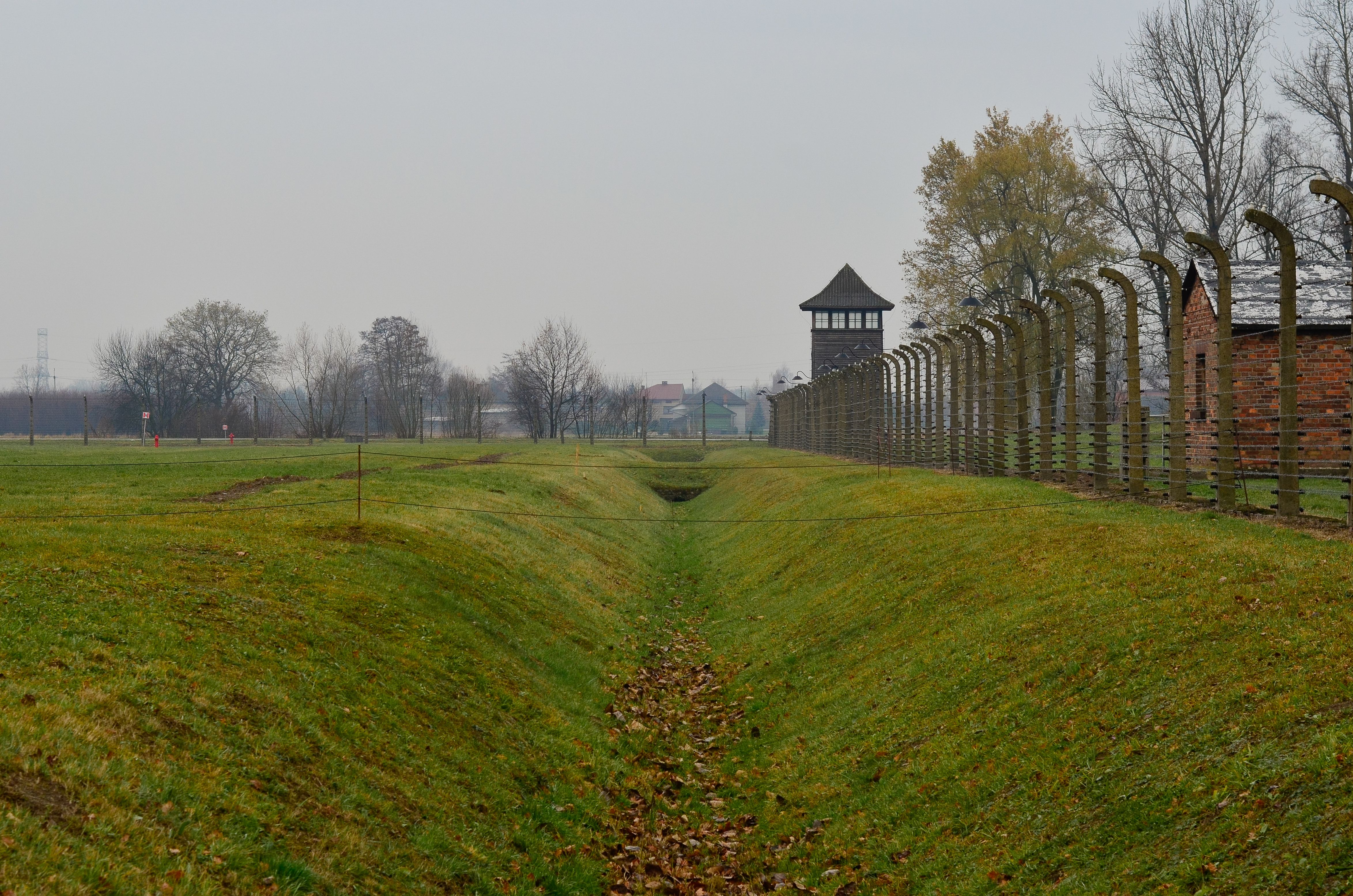
Majdanek: Where Memory Meets Historical Responsibility
Golden hour light spills across the grounds of Majdanek—a place where silence speaks louder than words, where the scent of pine trees mingles with the faint aroma of aged concrete from preserved barracks. The air carries the soft crunch of gravel beneath your feet on pathways that lead to places of unimaginable suffering, the distant call of birds that have nested in the crematorium's chimney for decades, and the profound quiet that honors the memory of those who perished here. You hear the gentle rustle of leaves in the birch forest that surrounds the perimeter, the soft murmur of multilingual conversations from visitors paying respects at memorial stones, and beneath it all, the weight of history that refuses to be forgotten. This isn't merely a memorial site—it's a sacred space of remembrance, where meticulously preserved evidence of industrialized murder stands as testimony to humanity's capacity for both evil and resilience. Standing on this ground, you connect with the same earth that witnessed unspeakable atrocities during World War II, where history breathes through the daily rhythm of reflection, education, and the solemn commitment to "Never Again." This place matters because it transforms historical fact into visceral understanding—a physical testament to the consequences of hatred, the importance of vigilance against prejudice, and the enduring human responsibility to remember those who cannot speak for themselves.
Why Majdanek Embodies Historical Witness
Majdanek represents far more than a memorial site—it embodies one of history's most complete physical records of the Holocaust, where evidence of systematic genocide remains largely intact. Established in 1941 as both a concentration camp and extermination center by Nazi Germany, the site spans 237 acres (96 hectares) on the outskirts of Lublin, with perimeter walls stretching 4.5 kilometers. Majdanek solved a fundamental historical challenge: how to preserve evidence of industrialized murder when most extermination camps were deliberately destroyed by retreating Nazis. Unlike Auschwitz or Treblinka, which were largely demolished, Majdanek was liberated by Soviet forces on July 23, 1944, before the Nazis could destroy most evidence—leaving intact gas chambers, crematoria, barracks, and storage facilities where victims' belongings were systematically sorted. What makes Majdanek unique is its completeness: it's the only Nazi camp preserved in its entirety, with original infrastructure that includes two gas chambers (one using Zyklon B, the other using carbon monoxide), a crematorium capable of processing 200 bodies daily, and warehouses containing thousands of shoes, clothing, and personal items belonging to murdered victims. The camp's strategic location near Lublin—a major transportation hub—made it a critical node in the Holocaust machinery, where approximately 78,000 people (including 59,000 Jews) were murdered between 1941-1944. Unlike other Holocaust sites reconstructed after liberation, Majdanek maintains its original physical layout and many authentic structures—a testament to both the efficiency of Nazi killing operations and the importance of preserving evidence for historical accountability. Today, Majdanek stands as a State Museum and UNESCO World Heritage site, where the constant interplay between preserved evidence and educational interpretation creates a powerful memorial that continues to shape global understanding of the Holocaust—a solemn reminder of what happens when hatred goes unchecked.
The Best Time to Experience Majdanek
To experience Majdanek with appropriate solemnity, plan your visit between May 10–June 5 or September 20–October 15, when daytime temperatures range from 12–20°C (54–68°F) and the surrounding landscape blooms with spring greenery or glows with autumn colors. During these windows, you'll experience comfortable conditions for respectful contemplation, photography (where appropriate), and walking the expansive grounds without summer's crowds or winter's extreme cold. For optimal contemplation without crowds, arrive at 8:00–9:30 AM when the memorial opens, allowing quiet reflection before larger tour groups arrive. The morning light creates a particularly poignant atmosphere as it illuminates the preserved structures against the pine forest backdrop. You should firmly avoid July 15–August 25 when surface temperatures exceed 25°C (77°F), visitor numbers peak, and the emotional weight of the site becomes compounded by physical discomfort. For visitor information, educational resources, and guidelines for respectful visitation, visit majdanek.eu.
Visiting Majdanek with Respect and Understanding
Visiting Majdanek requires approaching the site with profound respect and understanding of its historical significance. The following information explains appropriate visitation practices for this memorial site:
- Preparation: Read about the Holocaust and Majdanek's history before visiting to deepen your understanding. The museum's website offers educational resources; consider booking a guided tour with a licensed historian for contextual understanding.
- Respectful Attire: Dress modestly—avoid shorts, tank tops, or clothing with logos. Many visitors choose to wear dark or neutral colors as a sign of respect.
- Transportation: From Lublin city center: Bus 25 or 56 to "Majdanek" stop (15 PLN/0.35€); taxi: ~35 PLN (8.10€) round-trip; Uber/Bolt available in Lublin.
- Admission: Memorial entry: free; Guided tour: 50 PLN (11.60€) standard, 80 PLN (18.60€) with licensed historian; Audio guide: 25 PLN (5.80€).
- Additional Considerations: Memorial candles: 5 PLN (1.20€); educational books: 35–120 PLN (8–28€); transportation to/from Lublin: 30–60 PLN (7–14€).
Total Visit Budget: 150–300 PLN (35–70€) per person (excluding international flights and main accommodation)
5 Essential Majdanek Experiences for Respectful Remembrance
- Walk the Historical Path at Dawn: Arrive at opening time to experience Majdanek as morning light illuminates the preserved barracks and infrastructure. The quiet atmosphere allows for reflection on the events that transpired here. Wear comfortable shoes for walking on uneven ground; no flash photography in memorial areas; free entry.
- Visit the Crematorium and Gas Chambers: Stand before the original structures where industrialized murder was carried out. These preserved spaces create a visceral connection to the historical reality of the Holocaust. Best experienced mid-morning (10:00 AM–12:00 PM) when guide explanations provide historical context. Allow 45 minutes; included with entry.
- Explore the Barracks Exhibits: Visit the reconstructed barracks that house exhibits on the camp's operation, prisoner experiences, and the systematic nature of the Holocaust. The displays feature authentic artifacts and personal stories. Best experienced mid-week (Tuesday–Thursday) when guides provide detailed explanations. Allow 75 minutes; included with entry.
- Walk the Memorial Wall with Names: Follow the wall inscribed with the names of known victims—each representing a story of individual lives extinguished. This experience connects abstract numbers to human reality. Best experienced during quieter afternoon hours (2:00–4:00 PM) for contemplation; free; allow 30 minutes.
- Attend the Educational Program: Participate in one of the center's educational programs designed to foster dialogue about the lessons of the Holocaust for contemporary society. Programs vary by season—check schedule in advance. Sessions typically begin at 10:00 AM or 2:00 PM; free with registration; allow 90 minutes.
3 Meaningful Aspects Most Visitors Overlook
- The Hidden Inscriptions on Barrack Walls: In the remnants of the barracks, subtle inscriptions left by prisoners create a visceral connection to individual experiences. Most visitors miss them because they're weathered and require close examination. Access: Included with Majdanek entry; visit mid-morning (10:00 AM–12:00 PM) when lighting enhances visibility of carvings. No additional fee; allow 20 minutes.
- The Silent Observation Point: Tucked away near the eastern edge of the camp, this spot offers panoramic views of the entire complex that reveal the camp's strategic layout. Most visitors rush through to main attractions, missing this perspective that shows the camp's organization. Access: Included with entry; visit during afternoon slots (2:00–4:00 PM) for quieter observation. No additional fee; allow 15 minutes.
- The Memorial Garden of Remembrance: Located behind the main visitor center, this peaceful garden features native plants and subtle memorial elements honoring the victims. Most visitors overlook it because it's not part of the main historical path. Access: Included with entry; visit midday (12:00–2:00 PM) when sunlight enhances the garden's tranquility. No additional fee; allow 20 minutes.
Cultural & Practical Tips for Respectful Visit
- Respect the Sacred Space: Majdanek is a memorial site and cemetery, not a tourist attraction. Dress modestly, speak quietly, and avoid casual behavior. Photography is prohibited in certain areas—observe posted signs.
- Essential Phrases for Reflection: "Z pamięci" (z pah-my-eh-chi) = In memory; "Nie zapomnimy" (nye zah-poh-mnee-myeh) = We will not forget; "Pokoju dla dusz" (poh-koyoo dyah doosh) = Peace for the souls. These phrases honor the site's solemn purpose.
- Preparation Strategy: Read about the Holocaust before visiting to deepen your understanding. The museum's website offers educational resources; consider booking a guided tour with a licensed historian for contextual understanding.
- Photography Guidelines: Photography is permitted in outdoor areas but strictly prohibited in certain indoor exhibits and memorial spaces. Never photograph human remains or personal effects of victims. Tripods are not permitted.
- Emotional Preparedness: The site can be emotionally overwhelming. Take breaks as needed, visit at your own pace, and consider bringing water. The memorial has benches throughout for reflection. If you feel overwhelmed, visit the pastoral care office for support.
- Accessibility Notes: Majdanek features gravel paths and uneven terrain unsuitable for wheelchairs. The visitor center is accessible; contact the museum in advance for alternative viewing options.
- Combine with Nearby Sites: Enhance your Majdanek visit with related sites: Lublin Old Town (20 minutes by bus), The Lublin Ghetto Monument (15 minutes), or the Catholic University of Lublin (25 minutes). A regional perspective enriches understanding of Poland's WWII experience.
Conclusion: Travel with Remembrance, Not Just Observation
Majdanek invites you to do more than walk through historic grounds—it calls you to bear witness with profound responsibility. This is a place to stand where industrialized murder was systematically carried out, where 78,000 lives were extinguished in the pursuit of racial hatred, where memory must triumph over forgetting. When you walk the same paths trodden by victims on their final journeys, when you stand before the gas chambers that claimed countless lives, when you see the personal belongings of those who perished, you participate in an act of collective remembrance that transcends tourism. Travel to Majdanek with reverence for the victims whose lives were extinguished here, for the survivors who shared their testimony, for the educators who preserve this history against the tide of time. Respect the sacredness of this space—every artifact, every building remnant, every grain of soil holds the memory of those who stood against tyranny. Understand that the solemn atmosphere you experience depends on the mindfulness of every visitor who comes after you. Let the camp's strategic significance humble your understanding, let its stories deepen your compassion, and let the convergence of history and humanity remind you that the most profound journeys are those that transform understanding into action—ensuring that "Never Again" becomes more than words, but a commitment lived through generations.