
Kazimierz Dolny: Where Artistic Spirit Meets Vistula Majesty
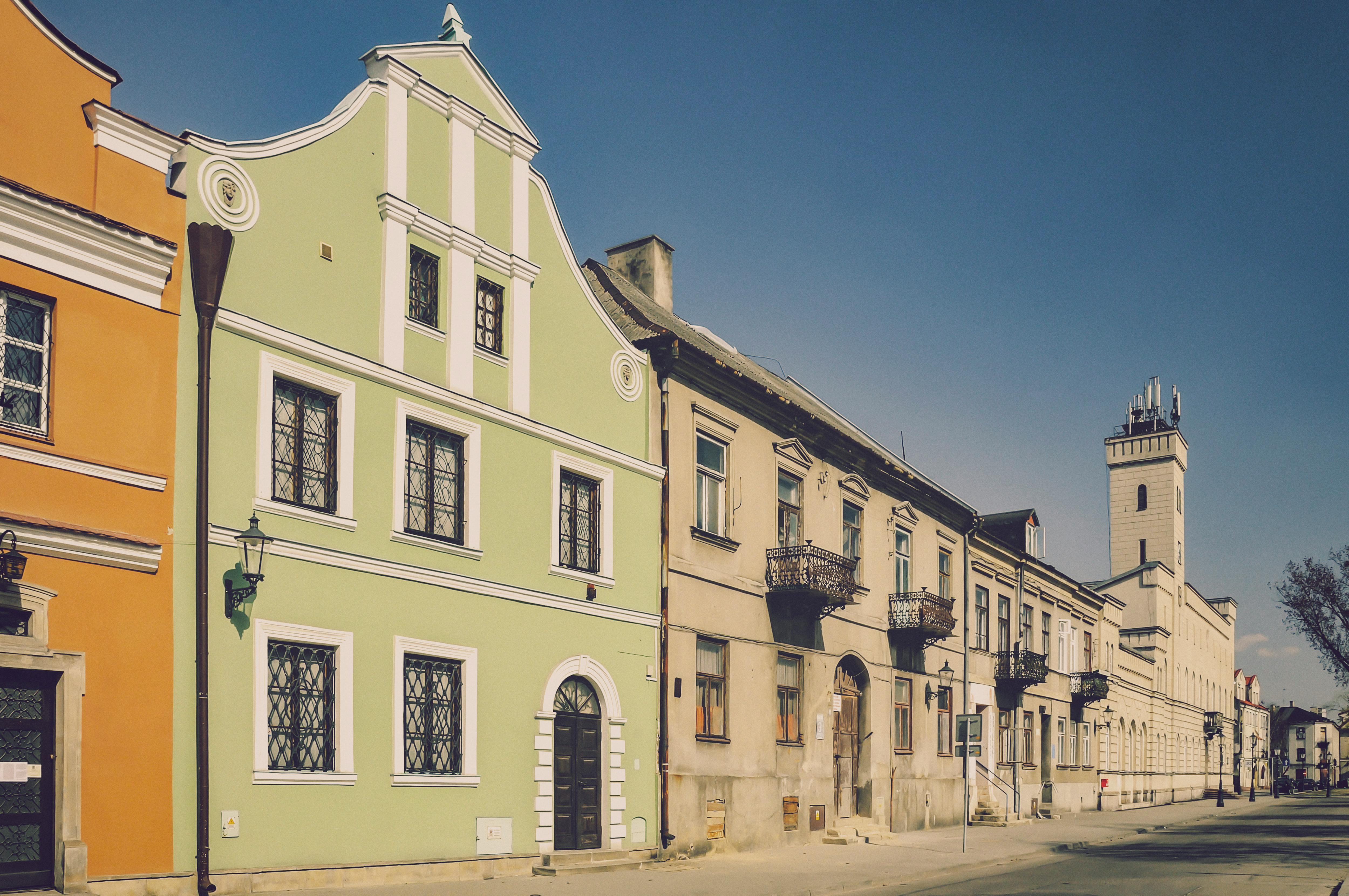
Golden hour light spills across the cobblestones of Kazimierz Dolny—Poland's beloved "artists' town" where the scent of freshly baked makowiec cake mingles with the mineral freshness of the Vistula River below. The air carries the soft chime of the Parish Church bells, the distant strains of Polish folk music drifting from a riverside café, and the gentle murmur of conversations in dozens of languages that have echoed through these streets since the Renaissance. You hear the rhythmic clop of horse-drawn carriages on weathered stones, the soft laughter of art students sketching in the market square, and beneath it all, the profound silence that honors the memory of centuries of artistic creation. This isn't merely a small town—it's a living chronicle of Polish creativity, where meticulously preserved 16th-century townhouses in vibrant ochre, terracotta, and sky blue surround the perfectly geometric 80-meter-square plaza, and where every building tells a story of cultural rebirth after wartime destruction. Standing on the viewing platform overlooking the Vistula River, you connect with the same landscape that has inspired generations of Polish painters since the 1920s, where history breathes through the daily rhythm of café culture, art gallery browsing, and evening promenades along the arcaded walkways. This place matters because it represents humanity's capacity to transform natural beauty into artistic inspiration—a testament to the enduring power of creative communities that continues to inspire awe decades after its artistic renaissance began.
Why Kazimierz Dolny Embodies Artistic Legacy
Kazimierz Dolny represents far more than picturesque beauty—it embodies one of Europe's most extraordinary examples of artistic community formation, where natural splendor merges with creative energy. Established as a town in 1377 with royal privileges from King Casimir III the Great, the market square spans 6,400 square meters (80 meters per side), making it one of Poland's most perfectly preserved Renaissance marketplaces. The town solved a fundamental cultural challenge: how to transform a declining post-war settlement into a thriving artistic center that could attract and sustain creative talent. Built around a central marketplace where merchants from across the Polish-Lithuanian Commonwealth once gathered, the square features 42 historic townhouses arranged in a near-perfect square, each with distinctive architectural details reflecting the wealth and cultural background of their original owners. What makes Kazimierz Dolny unique is its artistic continuity: unlike many European towns that lost their creative communities, this town has maintained its essential character as an artists' haven through careful preservation—after sustaining 75% damage during World War II, Polish artists and craftsmen returned to rebuild the complex between 1945–1955, creating a deliberate artistic community that continues to thrive. The viewing platform overlooking the Vistula River, measuring 25 meters above the water, stands as the town's eastern sentinel—a masterpiece of natural beauty that has inspired generations of Polish painters. Unlike other reconstructed European towns that modernized after war damage, Kazimierz Dolny chose artistic revival over commercial development, creating a living museum where art galleries maintain their original commercial function while upper stories house artists' studios and residences. Today, Kazimierz Dolny stands as one of Poland's most significant cultural treasures and a designated Historic Monument Zone since 1994, where the constant interplay between natural beauty and artistic expression creates a dynamic community that continues to shape Polish cultural identity—a testament to the enduring power of creative spaces when nurtured with passion and vision.
The Best Time to Experience Kazimierz Dolny
To experience Kazimierz Dolny at its most atmospheric, plan your visit between May 15–June 10 or September 15–October 10, when daytime temperatures range from 14–22°C (57–72°F) and the surrounding landscape blooms with spring blossoms or glows with autumn colors. During these windows, you'll enjoy comfortable conditions for exploring the town's art galleries, photography, and walking the uneven cobblestones without summer's humidity or winter's biting cold. For optimal photography of the colorful market square and Vistula River views, arrive at 7:30–9:00 AM when morning light strikes eastern buildings, illuminating architectural details with soft, directional illumination while the square remains relatively quiet. Alternatively, visit at 5:00–6:30 PM during golden hour when warm light transforms limestone into amber tones and creates dramatic reflections on the river's surface. You should firmly avoid July 15–August 25 when temperatures can exceed 28°C (82°F), the town becomes congested with tour groups, and harsh overhead light diminishes the visual impact of artistic details. For event schedules, gallery openings, and special exhibitions, visit kazimierzdolny.pl.
Approximate Budget for a 7-Day Trip
Visiting Kazimierz Dolny requires basing yourself in the historic center with easy walking access to art galleries, restaurants, and cultural venues. The following budget assumes moderate travel style—comfortable boutique hotels, authentic Polish cuisine, and a mix of public transportation and occasional taxi rides. Prices are listed in Polish Złoty (PLN) with euro equivalents for international travelers (1 EUR ≈ 4.3 PLN in 2026).
- Accommodation: 100–240 PLN (23–56€) per night in Kazimierz Dolny Old Town. Budget pensions start at 50 PLN; mid-range boutique hotels run 240–450 PLN (56–105€).
- Food: 50–80 PLN (12–19€) per day total. Breakfast: 15–25 PLN for traditional śniadanie with jajecznica, local cheese, and fresh bread. Lunch: 20–35 PLN for pierogi or bigos at a milk bar like Kawiarnia Pod Słońcem. Dinner: 40–70 PLN for sit-down meals featuring regional specialties, oscypek cheese, and craft beer.
- Transportation: Local bus: 3.40 PLN (0.80€) for 20 minutes; one-day pass: 16 PLN (3.70€); Uber/Bolt: ~15 PLN (3.50€) for short trips within city center.
- Attractions: Market Square entry: free; Museum of Kazimierz Dolny: 20 PLN (4.70€); Vistula River viewing platform: included with town entry; Guided art tour: 50 PLN (11.60€).
- Miscellaneous: Art supplies: 60–150 PLN (14–35€); traditional Polish ceramics: 40–90 PLN (9–21€); folk music concert ticket: 40–100 PLN (9–23€).
Total 7-Day Budget: 2,200–3,400 PLN (510–790€) per person (excluding international flights)
7 Essential Kazimierz Dolny Experiences
- Explore the Market Square at Dawn: Arrive at opening time to experience the market square with minimal crowds as morning light illuminates the colorful merchant houses. The quiet atmosphere allows for reflection on the artistic legacy preserved within these walls. Visit mid-week (Tuesday–Thursday) for the quietest experience; free; allow 45 minutes; wear comfortable shoes for cobblestone walking.
- Marvel at the Vistula River Viewpoint: Stand before the iconic viewing platform overlooking the Vistula River—the same perspective that inspired generations of Polish painters. The panoramic view creates a visceral connection to the landscape that has shaped Polish artistic identity. Visit mid-morning (10:00 AM–12:00 PM) when lighting enhances river details; free; allow 60 minutes.
- Walk the Defensive Walls Circuit: Follow the 2-kilometer circuit along the town's defensive walls for constantly changing perspectives of the market square layout. The elevated path offers panoramic views of the geometric street grid that defines Kazimierz Dolny's urban design. Best experienced mid-day (12:00–2:00 PM) when lighting illuminates wall details; free; allow 75 minutes; wear comfortable shoes.
- Photograph the Colorful Merchant Houses: Position yourself at the square's diagonal axes to capture the full perspective of the harmonious architectural composition. The elevated vantage points along the viewing platform offer unique compositional opportunities. Visit during golden hour (5:00–6:30 PM) for optimal lighting; free; allow 30 minutes; wide-angle lens recommended.
- Visit the Museum of Kazimierz Dolny: Explore exhibits on the town's artistic heritage, featuring works by the "Kazimierz Dolny School" of painters who worked here in the 1920s-1930s. The museum features remarkable displays on artistic techniques and historical context. Visit mid-week (Tuesday–Thursday) when guides provide detailed explanations; entry 20 PLN; allow 75 minutes.
- Taste Traditional Lublin Region Cuisine: Sample authentic dishes at restaurants like Kawiarnia Pod Słońcem or Restauracja Zamkowa: try pierogi, bigos, and regional specialties that connect you to centuries of culinary tradition unique to southeastern Poland. Best experienced during lunch (12:00–2:00 PM); budget 40–70 PLN per meal.
- Attend the Artists' Festival: Experience the annual celebration held every September featuring open studios, plein air painting, and cultural events. The festival transforms the town into a vibrant hub of artistic creation. Dates: September 10–15; free admission; book accommodations well in advance; allow 180 minutes.
3 Hidden Gems Most Travelers Miss
- The Secret Artist Studio of Jan Cybis: Tucked away in the northern section of the market square, this preserved studio features original paintings and working space of one of Kazimierz Dolny's most famous artists. Most visitors miss it because it's not prominently marked on standard tourist maps. Access: Located at Rynek 22; open Tuesday–Sunday 10:00 AM–4:00 PM; best visited mid-morning (10:00 AM–12:00 PM) when natural light illuminates the artwork. Entry 15 PLN; allow 30 minutes.
- The Hidden Chapel of St. John: Located in the lesser-known northern wing of the Parish Church, this serene chapel features original Baroque frescoes and a small altar often overlooked by visitors focused on the main church space. Often overlooked because it's not part of the standard tour route. Access: Included with church entry; visit mid-morning (10:00 AM–12:00 PM) when lighting enhances fresco visibility. No additional fee; allow 20 minutes.
- The Moonlight Path Along the Vistula: This lesser-known evening walking route follows the riverbank where strategically placed trees create dramatic moonlight effects on the water's surface. Most visitors leave before dusk, missing this serene experience. Access: Available during evening hours; best visited on clear nights with full moon. No additional fee; allow 60 minutes; bring a flashlight.
Cultural & Practical Tips
- Respect Artistic Significance: Kazimierz Dolny represents centuries of Polish artistic heritage—speak thoughtfully about its significance. Avoid making casual comparisons to other European art towns without acknowledging its unique role in Polish artistic history.
- Essential Polish Phrases: "Dzień dobry" (jen doh-brih) = Good day; "Dziękuję" (jen-koo-yeh) = Thank you; "Proszę" (proh-sheh) = Please/You're welcome; "Rynek" (rih-nek) = Market Square. Locals appreciate respectful efforts.
- Town Strategy: Visit early morning for photography, late evening for atmosphere. Avoid midday when the market square is most congested with tour groups. Consider returning at different times to experience its changing character throughout the day.
- Photography Guidelines: Photography is permitted throughout the town. In art galleries, flash is often prohibited; observe posted signs and ask gallery staff when uncertain.
- Weather Preparedness: Kazimierz Dolny experiences temperate continental climate: summer highs reach 25°C (77°F); winter lows drop to -5°C (23°F). The market square's cobblestone streets can be slippery when wet; wear sturdy shoes year-round.
- Accessibility Notes: The market square's historic cobblestone streets present challenges for wheelchairs. Many historic buildings have steps and narrow doorways. The Museum of Kazimierz Dolny offers accessibility features—contact venue in advance for alternative viewing options.
- Combine with Nearby Sites: Enhance your Kazimierz Dolny visit with walking-distance attractions: Zamojski Academy Museum (75 minutes by car), Lublin Old Town (45 minutes), and the Holy Trinity Chapel (adjacent). A regional perspective enriches understanding of southeastern Poland's historical layers.
Conclusion: Travel with Understanding, Not Just Observation
Kazimierz Dolny invites you to do more than photograph colorful facades against cobblestone streets. This is a place to stand where artistic vision transformed a war-torn town into a creative haven, where the rhythmic pulse of artistic creation has continued uninterrupted for nearly a century, where the quiet persistence of community triumphs over destruction and political change. When you walk the same paths trodden by Jan Cybis, Leon Wyczółkowski, and generations of Polish artists, when you gaze upon the Vistula River that has inspired countless masterpieces, when you experience the architectural harmony that has survived fires, wars, and reconstruction, you participate in a legacy that transcends tourism. Travel to Kazimierz Dolny with reverence for the artists who created this creative community, for the preservationists who maintained it through turbulent times, for the community that cherishes this space as their own. Respect the fragility of artistic continuity—every footprint off-trail, every careless touch on historic surfaces, disrupts a balance measured in decades rather than moments. Understand that the vibrant atmosphere you cherish depends on the mindfulness of every visitor who comes after you. Let the town's harmonious design humble your understanding, let its layered history deepen your compassion, and let the convergence of commerce, culture, and creativity remind you that the most profound journeys are those that transform observation into meaningful connection with the enduring power of artistic spaces that nurture human expression across generations.