Old Town Dubrovnik: Where Medieval Stone Meets Adriatic Light
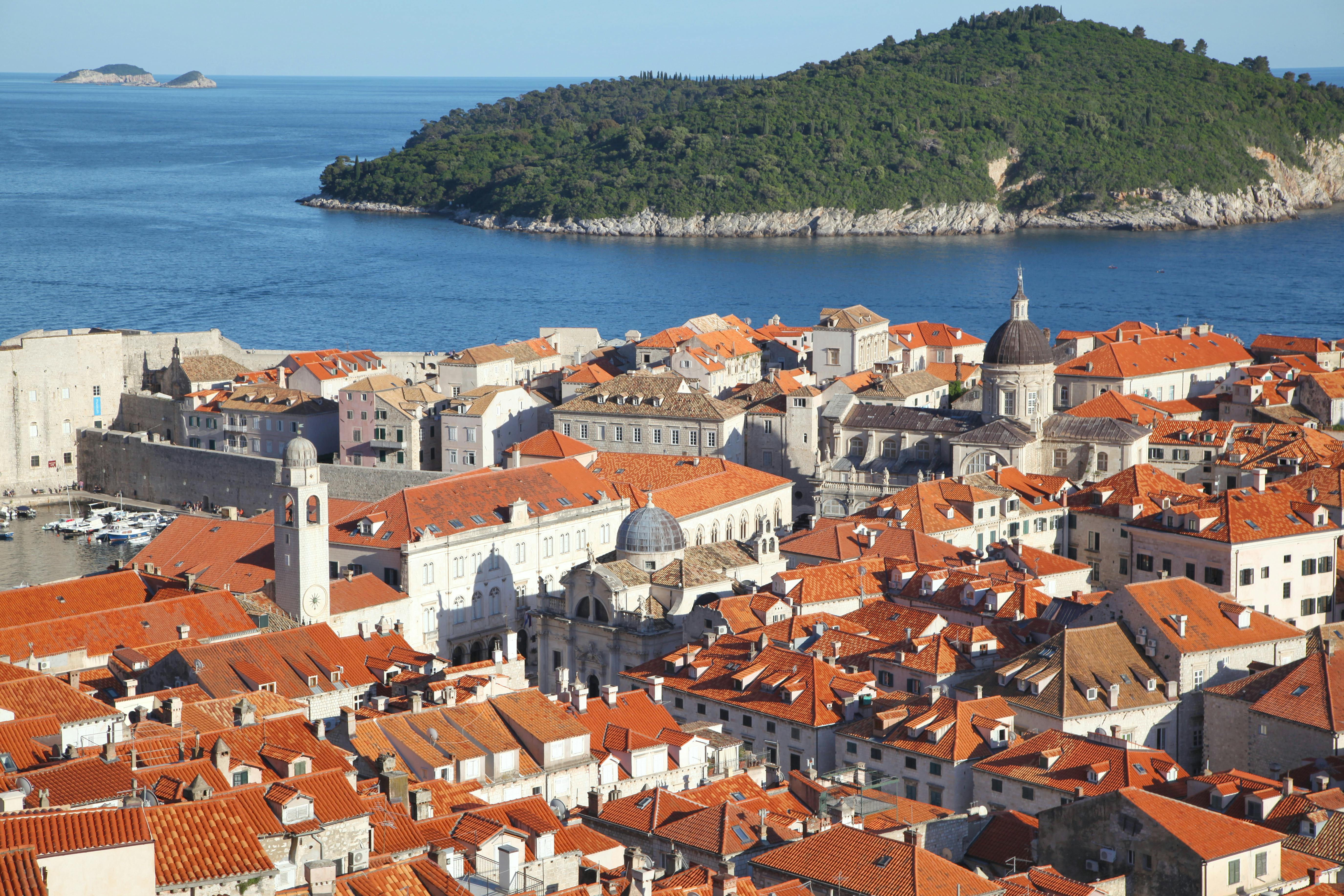
Old Town Dubrovnik: Where Medieval Walls Meet Adriatic Stone
At 7:10 AM on a Thursday in early June, I walk through Pile Gate and the Stradun is almost empty. The limestone paving is polished to a mirror finish by seven centuries of footsteps. A man is hosing down the street outside a bakery. The smell of fresh bread drifts through the arch. I paid nothing to enter. The Old Town of Dubrovnik has no ticket gate, no turnstile, and no opening time. It is a living city of about 1,500 residents inside a complete circuit of medieval walls, and it has been a UNESCO World Heritage Site since 1979. By 9:30 AM, the cruise ship passengers will arrive. By noon, the Stradun will be a slow-moving river of tour groups. But right now, at 7:10 AM, the Old Town belongs to the people who live here. This is the most famous walled city in the Mediterranean, and it is also one of the most crowded. Here is how to experience it properly.
Why Old Town Dubrovnik Matters
Dubrovnik was founded around 614 AD by Roman refugees fleeing the destruction of Epidaurum, the settlement that is now Cavtat. They built a new town on a rocky island called Laus, which later became Ragusa. Over the centuries, the city grew into a maritime republic wealthy enough to rival Venice. It survived through diplomacy rather than conquest, paying tribute to the Ottoman Empire while trading with Europe. The city's motto was Non Bene Pro Toto Libertas Venditur Auro: Freedom is not to be sold for all the treasures in the world. That independence lasted until 1808, when Napoleon's forces abolished the Republic. The Old Town is enclosed by a complete circuit of medieval and Renaissance fortifications, built between the 13th and 17th centuries. The walls run for 1,940 meters and reach a height of about 25 meters. Within them, the city plan dates back to 1292, with the Stradun, the main street, lined with late-Renaissance houses. An earthquake in 1667 destroyed much of the city, but it was rebuilt in the Baroque style. The Croatian War of Independence in 1991 and 1992 saw the Old Town shelled by Yugoslav forces, damaging many historic buildings. UNESCO assisted with the restoration, and the city has been largely restored. Here is the honest criticism: Dubrovnik has one of the most severe tourist-to-resident ratios in Europe. On a two-cruise-ship day in July or August, the Stradun between 10:00 AM and 4:00 PM is genuinely uncomfortable to walk through. The city has responded with visitor caps and a "Respect the City" program, but the crowds remain the defining challenge of any visit. The Old Town is genuinely extraordinary. It is also a victim of its own fame.
The Best Time to Experience Old Town Dubrovnik
May, June, September, and early October are the best months. In May, daytime temperatures range from 20°C to 25°C (68–77°F), and the Old Town is busy but manageable. June brings warmer days of 25–29°C (77–84°F), with the sea warming to around 23°C (73°F). September is arguably the sweet spot. Daytime highs sit at 24–27°C (75–81°F), the sea is at its warmest at 24–26°C (75–79°F), and the summer crowds have thinned considerably. Early October is mild, with highs of 20–23°C (68–73°F), but rain becomes more frequent. July and August are the busiest and hottest months. Daytime temperatures regularly exceed 30°C (86°F), and the Old Town is packed from 10:00 AM until well past midnight. The Stradun becomes a bottleneck. If you visit in peak summer, arrive before 9:00 AM or after 5:00 PM. The best time of day is early morning, between 7:00 AM and 9:00 AM. The light is soft, the streets are quiet, and you can walk the Stradun without dodging selfie sticks. Late afternoon, after 5:00 PM, is the second-best window. The day-trippers have gone, and the stone turns golden. Winter is quiet and cool, with daytime temperatures around 8–14°C (46–57°F), and the Old Town is almost empty of tourists. December brings holiday lights and a festive atmosphere.
Approximate Budget for a 7-Day Trip
Dubrovnik is Croatia's most expensive city, and the Old Town is the most expensive part of it. Here is a realistic breakdown for one person, based on a 7-day trip with self-catering breakfasts and dinners at konobas away from the Stradun.
Accommodation: Guesthouses and apartments in or near the Old Town run 80–150 euros per night in shoulder season and 150–250 euros in July and August. A 7-night stay lands at roughly 560–1,050 euros. Staying in Lapad or Gruž is cheaper than the Old Town.
Food: Self-catering breakfast and lunch, with dinner at a konoba, costs about 35–50 euros per day. A week of food runs 245–350 euros. Restaurant mains on the Stradun average 20–28 euros, roughly 40 percent more than at konobas two streets inland.
Transport: The Old Town is car-free and walkable. Local buses cost 2 euros per ride. Airport transfers run 8–15 euros by bus or 30–40 euros by taxi. Budget 30–60 euros for local transport.
Attractions: Entering the Old Town is free. The City Walls ticket costs 35–40 euros in peak season and is valid for 72 hours. The Dubrovnik Pass, which includes the walls, Lovrijenac Fortress, and several museums, costs 35 euros for one day and 45 euros for three days. Budget 35–45 euros.
Miscellaneous: Coffee, drinks, gelato, and unexpected costs. 80–120 euros.
Total: 950–1,625 euros for a comfortable 7-day trip. One overpriced trap: restaurants on the Stradun and along the harbor charge 20–28 euros for a seafood main that costs 12–15 euros at a konoba two streets inland. The food is often better away from the tourist zone. Walk five minutes and save 40 percent. A coffee on the Stradun costs 3.50–5.00 euros. The same coffee at a bar in the back lanes costs 1.50–2.00 euros.
Essential Old Town Dubrovnik Experiences
- Walk the City Walls. The walls are the single most important experience in Dubrovnik. The full circuit is 1,940 meters and takes about 1.5 to 2 hours at a relaxed pace. You start at either Pile Gate or Ploče Gate. The views over the terracotta rooftops, the harbor, and the Adriatic are extraordinary. The ticket costs 35–40 euros in peak season and is valid for 72 hours, which also gives you one free entry to Lovrijenac Fortress. Go at 8:00 AM when the walls open. Skip if you have mobility issues. The walls involve hundreds of steps and have no shade.
- Walk the Stradun at dawn. The Stradun is the main street of the Old Town, a 298-meter limestone-paved thoroughfare that runs from Pile Gate to Ploče Gate. It is lined with shops, cafes, and historic buildings. At 7:00 AM, it is almost empty. The polished stone reflects the soft morning light. By 9:30 AM, it is packed. Walk it at dawn, then again at dusk, when the light changes. Skip if you are visiting in peak season and dislike crowds. Between 10:00 AM and 4:00 PM, the Stradun is a bottleneck.
- Visit the Rector's Palace. The Rector's Palace was the seat of the Rector of the Republic of Ragusa, the equivalent of a president. It is a Gothic-Renaissance building with a beautiful courtyard and a museum inside. The museum holds period furniture, paintings, and documents from the Republic. Entry is included in the Dubrovnik Pass. Skip if you are short on time. The palace is beautiful but the museum is small.
- Find the Buža Bar. The Buža Bar is a hole-in-the-wall bar built into the city walls on the seaward side. You walk through a small opening in the wall and emerge onto a terrace perched on the cliffs, with tables and chairs overlooking the Adriatic. A drink costs 5–8 euros. It is one of the most memorable spots in Dubrovnik. Skip if you are afraid of heights. The terrace is on the cliff edge with no railings.
- Visit the Franciscan Monastery and its old pharmacy. Just inside Pile Gate, the Franciscan Monastery is a peaceful cloister with a garden and a museum. Its old pharmacy, founded in 1317, is one of the oldest in Europe and still operates. It is a quiet escape from the crowds. Entry costs 5 euros. Skip if you are not interested in religious history. The cloister is beautiful but small.
- Climb the Cathedral of St. Domnius bell tower. The cathedral is dedicated to St. Domnius, the patron saint of Split, but the Dubrovnik cathedral is dedicated to the Assumption of Mary. The bell tower offers panoramic views over the Old Town and the harbor. The climb is steep and the staircase is narrow. Entry costs 5 euros. Skip if you have knee problems or a fear of heights.
- Skip the Game of Thrones walking tours if you are not a fan. Dubrovnik was the filming location for King's Landing in the HBO series, and several companies offer themed walking tours. They cost 20–40 euros per person. If you have not seen the show, the tours are a waste of money. If you are a fan, they add context to the locations you will recognize. The Old Town is the star of the show, not the tour.
Hidden Gems Most Travelers Miss
- The Dominican Monastery Garden. Tucked just inside the Old Town near Ploče Gate, the Dominican Monastery has a quiet courtyard planted with citrus trees, rosemary, and lavender. It is one of the rare peaceful corners inside the walls. Most visitors walk past the entrance without noticing. The overrated "gem" here is the cable car to Mount Srđ. It is popular and the view is excellent, but the ride is short and the ticket price is high. The view from the city walls is better and costs less.
- Ulica od Puča (Street of the Wells). A narrow side street running parallel to the Stradun, lined with small shops and craft-focused businesses. It is quieter than the main street and has a more local feel. It is a good alternative for browsing when the Stradun is packed.
- Porporela. A stone pier and breakwater at the southeastern edge of the Old Harbour. It is a good spot for a quiet sit by the sea, away from the crowds. Locals come here to swim and watch the boats. There are no facilities, just stone and water.
- The Dubrovnik Maskeron. A quirky local legend carved into the stone walls of the Old Town. It is a small mask that is said to bring luck if you can stand on one foot and remove your shirt while keeping your balance. Most visitors walk past it without knowing it is there. Ask a local for directions.
- The bakery near Pile Gate. A small bakery on a side street near Pile Gate sells fresh burek, pastries, and sandwiches for 1.50–2 euros. It is where locals buy their breakfast. Take it to a bench inside the walls and eat it while the city wakes up.
Cultural & Practical Tips
- Warning: Do not walk through the Old Town shirtless or in swimwear. There are public behaviour fines, and locals find it disrespectful. Wear proper clothing when you are away from the beach.
- Warning: Do not visit the Stradun or the city walls between 10:00 AM and 4:00 PM in July or August unless you enjoy crowds. Cruise ship passengers overwhelm the Old Town. Go early morning or late afternoon instead.
- Wear shoes with grip. The limestone streets are polished smooth by centuries of foot traffic, and they are slippery when wet. This is not a suggestion. People slip and fall every summer.
- Carry cash for small purchases. Some bakeries and konobas do not accept cards. There are ATMs in the Old Town, but they charge fees. Use ATMs directly associated with a bank to dodge the fee.
- Learn a few Croatian phrases. "Hvala" (thank you) and "Molim" (please) are appreciated. English is widely spoken in tourist areas, but the effort is noticed.
- Respect the residents. The Old Town is a living neighborhood. People live here year-round. Keep noise down in the early morning and late evening, and do not block doorways or staircases.
- Book the City Walls ticket in advance during peak season. From 2026, walls and museum entry increasingly requires timed booking rather than walking up and buying on the spot.
Essential Visitor Information
Location & Access: Dubrovnik Old Town is in southern Dalmatia, Croatia, on the Adriatic coast. GPS coordinates: 42.6407° N, 18.1080° E. The Old Town is car-free. By air, Dubrovnik Airport (DBV) is 20 kilometers away. By bus, the airport shuttle costs 8–15 euros and takes 30–40 minutes to Pile Gate. By taxi or rideshare from the airport, expect 30–40 euros. By bus, local Libertas lines connect the Old Town to Lapad, Gruž, and other neighborhoods. Tickets cost 2 euros per ride.
Tickets & Booking: Entering the Old Town is free. There is no gate or admission fee. The City Walls ticket costs 35–40 euros in peak season (April–October) and 15 euros in winter. The ticket is valid for 72 hours and includes one entry to Lovrijenac Fortress. The Dubrovnik Pass includes the walls and several museums and costs 35 euros for one day and 45 euros for three days. Booking online in advance is recommended during peak season. Tickets can be purchased at the Pile Gate and Ploče Gate entrances.
Operating Hours: The Old Town is accessible 24 hours. The City Walls are open from 8:00 AM to 7:30 PM in peak season (June–August), 8:00 AM to 6:30 PM in shoulder season (April–May, September–October), and 9:00 AM to 3:00 PM in winter. The Franciscan Monastery is open daily from 9:00 AM to 6:00 PM in summer and 9:00 AM to 4:00 PM in winter. The Rector's Palace is open daily from 9:00 AM to 6:00 PM in summer and 9:00 AM to 4:00 PM in winter.
Visit Duration: Minimum: 3–4 hours to walk the Stradun, visit the city walls, and see the main squares. Recommended: 2 full days to include the walls, the Rector's Palace, the Franciscan Monastery, the cathedral, and a meal at a konoba. The Old Town is small enough to walk end to end in about fifteen minutes, but the experience unfolds slowly.
Family Suitability: The Old Town is suitable for families, but strollers are not practical on the cobblestone streets and staircases. A baby carrier is a better choice. The City Walls are not suitable for young children or anyone with mobility issues. There are toilets in the Old Town and at cafes. The Stradun is flat and open, and children can move around freely. The main challenge is crowds in July and August, which can make it hard to keep track of young children.
Timing: Best season: May, June, September, and early October. Best time of day: before 9:00 AM or after 5:00 PM. Avoid July and August middays if you dislike crowds and heat. The light on the stone is best in the early morning and late afternoon.
Highlights: The City Walls, the Stradun, the Rector's Palace, the Franciscan Monastery and old pharmacy, the Buža Bar, and the Cathedral of St. Domnius bell tower.
Nearby & Day Trip: Lokrum Island is a 15-minute ferry ride from the Old Port and is a protected nature reserve. Mount Srđ is reachable by cable car (30 euros return) and offers panoramic views. The Elaphiti Islands are reachable by ferry from Gruž port. Cavtat is a 30-minute bus ride south and has a quieter waterfront. Mljet National Park is a 1.5-hour ferry ride from Dubrovnik. The Pelješac Peninsula is reachable by car and offers wine tasting and oyster farms.
Conclusion: Travel with Timing, Not Just a Checklist
Old Town Dubrovnik is not a place you visit. It is a place you time. The Stradun is quiet at 7:00 AM. The walls open at 8:00 AM. The stone is cool. The light is soft. By 10:00 AM, the cruise ships arrive and the experience changes. Go early. Wear real shoes. Book your walls ticket in advance. Skip the overpriced restaurants and eat at a konoba two streets inland. And if you can, stay overnight inside the walls, because the Old Town after 6:00 PM belongs to the people who stay. What is the one walled city you have visited that felt like a living neighborhood?
Post a Comment