
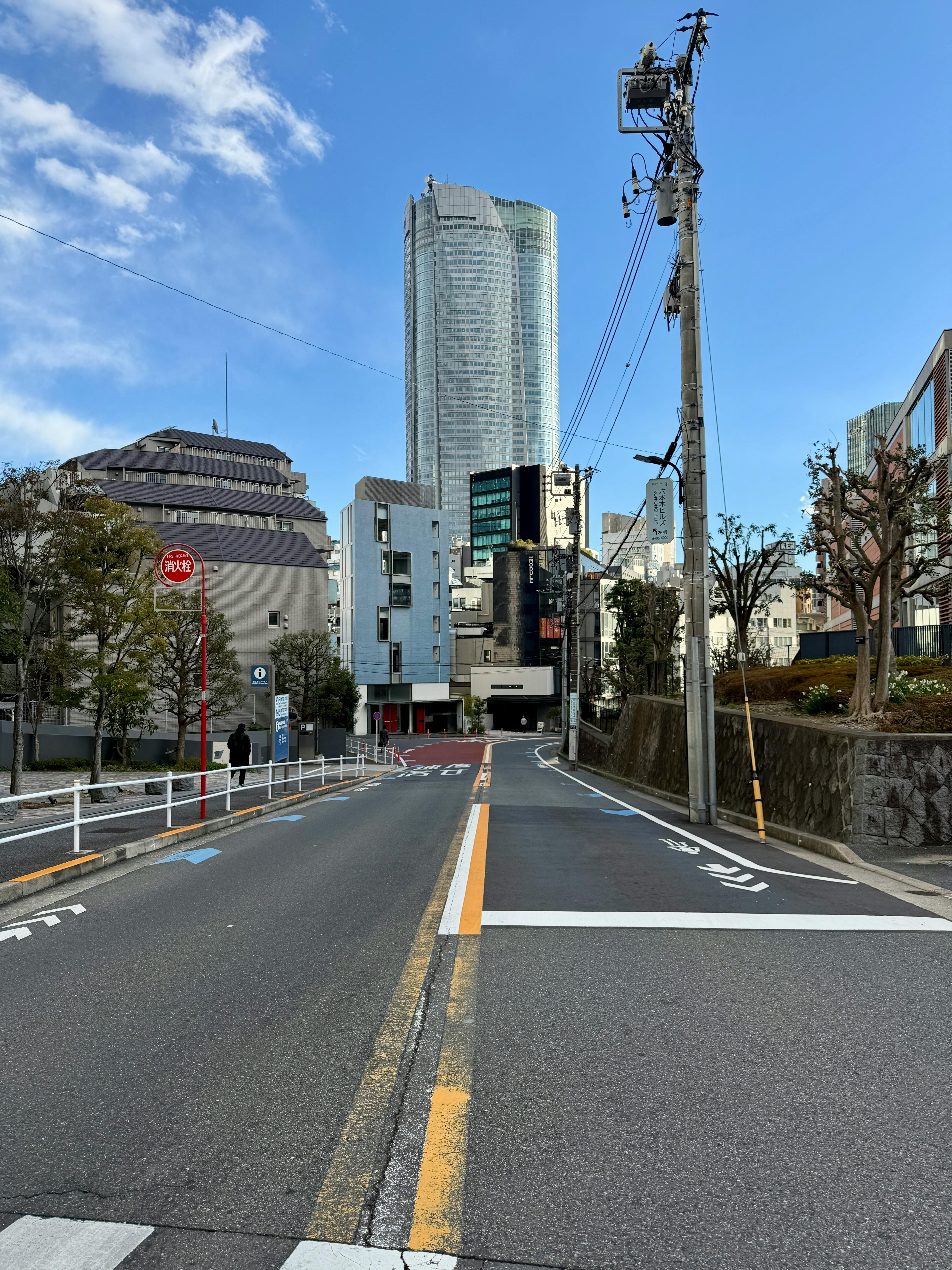
Roppongi Hills: Where Urban Ambition Meets Artistic Horizon
The elevator ascends at 9 meters per second, and forty seconds later—precisely forty—the doors open onto the 52nd floor. Before you, Tokyo sprawls toward Mount Fuji, the evening's first lights flickering across 2,000 square kilometers of metropolis. This is Roppongi Hills, the "city within a city" that redefined Tokyo's urban landscape when it opened in April 2003 . Conceived by developer Minoru Mori, this 11.6-hectare complex—comprising the 238-meter Mori Tower, luxury residences, a Grand Hyatt hotel, the Asahi TV studios, and over 200 shops and restaurants—solved a distinctly Tokyo problem: how to create livable, walkable density in a city famous for its concrete sprawl . Here, the iconic Maman spider sculpture by Louise Bourgeois guards the plaza, the 53rd-floor Mori Art Museum showcases cutting-edge contemporary works, and the 52nd-floor Tokyo City View offers a 360-degree panorama of Japan's capital . This is where business meets art, where salarymen sip cocktails beside international tourists, and where Tokyo shows you its future, one illuminated block at a time.
Why Roppongi Hills Embodies Tokyo's Vertical Urban Vision
The complex solves a problem that plagued post-bubble Tokyo: how to create high-density, mixed-use development without sacrificing green space or human scale. The answer was a 20-year redevelopment of the Roppongi 6-chome district, completed at a cost of ¥400 billion. At its heart stands the 54-story Mori Tower, climbing 238 meters (781 feet) into the Minato skyline, designed by the renowned architectural firm Kohn Pedersen Fox . Beneath it runs a warren of high-end boutiques and cafes connected by escalators, culminating in the Keyakizaka complex—a terraced hillside of restaurants overlooking a traditional Japanese garden. The engineering problem of integrating so many uses—office, retail, residential, cultural—was solved by creating a "vertical garden city": the 1.5-hectare Mohri Garden sits at the complex's center, while the 400-meter-long Keyakizaka promenade offers cherry blossom viewing in spring and illumination in winter. Today, the complex houses leading IT and financial sector companies, making Roppongi Hills a symbol of Japan's digital economy . The problem this solved was spatial: in a city where land is precious, Roppongi Hills proved that you could build up, build green, and build community—all in one ambitious gesture.
The Best Time to Experience Roppongi Hills
To witness Roppongi Hills at its most magical—when Tokyo's evening lights spread beneath you like a carpet of fireflies—target late March through early April (cherry blossom season) or November through early December (autumn illuminations). Spring temperatures average 10-18°C (50-64°F), with the Keyakizaka promenade's 74 Somei-yoshino cherry trees creating a pink tunnel perfect for evening strolls . Autumn offers 12-20°C (54-68°F) with golden ginkgo leaves. The sacred window for Tokyo City View is from 60 minutes before sunset until 9:00 PM, when you can watch the transition from daylight to twinkling metropolis in a single visit . Winter (December–February) offers the clearest Mount Fuji views (temperatures 2-10°C / 36-50°F), while the Roppongi Hills Christmas illumination (late November through December 25) draws crowds for its 400-meter-long "Snake Road" lighting display. Avoid late December through early January when many shops close for New Year's, and August when humidity makes the open plazas uncomfortable . For current event schedules and exhibition details, consult the official site: www.roppongihills.com/en/ .
Approximate Budget for a 7-Day Trip Including Roppongi Hills
This breakdown treats Roppongi Hills as a cultural and dining highlight within a broader Tokyo itinerary, assuming mid-range to splurge preferences for the museum and dinner. Prices in Japanese Yen (¥) and US Dollars ($), based on 2026 data.
- Accommodation: ¥12,000–¥25,000 ($80–$165) per night near Roppongi or Azabu-Juban. Splurge: Grand Hyatt Tokyo (within the complex) from ¥45,000–¥70,000 ($300–$465) per night.
- Food: ¥5,000–¥12,000 ($33–$80) daily (higher if dining at high-end restaurants). Lunch at a Keyakizaka cafe: ¥1,500–¥3,000 ($10–$20). Convenience store breakfast: ¥600 ($4). Dinner at Tempura Mikawa Keyakizaka (tempura omakase): ¥17,500–¥20,000 ($115–$130) per person . Casual dinner in the West Walk area: ¥2,500–¥4,000 ($17–$27).
- Transportation: Subway to Roppongi Station (Hibiya Line) or Roppongi-Itchome Station (Oedo Line): ¥180–¥220 ($1.20–$1.50) from central Tokyo. One-week Tokyo Metro pass: ¥1,500 ($10).
- Attractions (Roppongi Hills-focused): Tokyo City View (observation deck) admission: ¥2,000 ($13) for adults on-site, ¥1,800 ($12) online . Students: ¥1,400 ($9) on-site . Mori Art Museum (53F): ticket prices vary by exhibition; combination tickets with observation deck available. Mori Arts Center Gallery (52F): ticket prices vary. Strolling the complex and Mohri Garden: FREE.
- Miscellaneous: Maman spider sculpture photo: FREE . Seasonal Valentine's or White Day drink at THE SUN & THE MOON cafe: ¥980 ($6.50) . Roppongi Hills original souvenir: ¥1,000–¥3,000 ($7–$20).
Total 7-day mid-range to splurge budget including Roppongi Hills museum and dinner: ¥110,000–¥160,000 ($730–$1,060) per person, excluding international flights. Budget travelers can reduce costs significantly by visiting just the free areas (plazas, gardens, shopping arcades) and taking photos from street level rather than paying for the observation deck.
7 Essential Roppongi Hills Experiences
- Watch the Sunset from Tokyo City View (52F): Purchase your ticket online (¥1,800) and arrive 60 minutes before sunset—use a sunset calculator app to confirm the exact time. The indoor observation deck wraps around the skyscraper's perimeter, with floor-to-ceiling windows offering 360-degree views of Tokyo Tower, Tokyo Skytree, and on clear winter days, Mount Fuji . The western-facing windows (toward Mount Fuji and Shinjuku) fill up quickly; secure a spot early. Stay until the city lights flicker on below you—it's Tokyo's most dramatic transformation.
- Pose with Maman (The Giant Spider): Louise Bourgeois's iconic 10-meter-tall bronze spider sculpture—towering over the Roppongi Hills Plaza—has become the complex's unofficial mascot . The sculpture's spindly legs create dramatic shadows when photographed at sunset or under the plaza's evening lights. The best shot: stand directly beneath the spider's body, looking up, with the Mori Tower illuminated behind. The sculpture is free to view and accessible 24 hours.
- Explore the Mori Art Museum (53F): Located directly above the observation deck, this contemporary art museum organizes large-scale exhibitions that showcase global trends in art, with a special emphasis on the Asia-Pacific region . The 2026 exhibition schedule includes a major Ron Mueck exhibition running April 29–September 23, 2026 . The 53rd-floor location also offers its own panoramic window views—but here, the art shares space with the skyline. Buy combination tickets to cover both the museum and Tokyo City View at a discount .
- Attend a Seasonal Illumination on Keyakizaka Promenade: The 400-meter pedestrian walkway transforms into Tokyo's most romantic illumination from mid-November through December 25, when 740,000 LED lights (changing from white to blue and pink) line the 74 zelkova trees. The "Snake Road" gets its name from the winding path, which creates a tunnel of light effects. Even outside Christmas season, the Keyakizaka complex remains a stunning example of landscape architecture—a hillside of restaurants overlooking a traditional garden, with the Mori Tower rising above.
- Enjoy Museum Cafe THE SUN & THE MOON (52F): After descending from the observation deck, stop at this cafe on the same floor. During seasonal periods (January 23–February 15, 2026), order the "Love Berry Chocolate" (¥980) or "Warm Gateau Chocolate with Vanilla Ice Cream" (¥1,280) . The cafe's "Moon Forest" concept features rare plant displays, and the floor-to-ceiling windows offer sunset views—at a fraction of the observation deck's crowds. The restaurant side serves "Moonlight High Tea" dinner courses for those wanting a full meal.
- Walk the Mohri Garden at Sunrise: Most tourists visit Roppongi Hills in the evening, missing the 1.5-hectare Japanese garden at its most serene. Mohri Garden—named after the feudal lords who once owned this land—features a central pond, stone lanterns, and 500 cherry trees that bloom in early April. The garden opens at 7:00 AM; arrive at 6:50 AM to watch the sunrise illuminate the Mori Tower's reflection in the pond. Free admission, and you'll share the space with only morning joggers and the occasional heron.
- Indulge in Tempura Dinner at Tempura Mikawa Keyakizaka: Hidden on the B3 floor of the Keyakizaka complex, this Michelin-starred tempura restaurant serves omakase courses starting at ¥17,500 per person . Chef Mikawa Kenji—trained at the legendary Ten-Ichi in Ginza—fries seasonal seafood and vegetables in sesame oil before your eyes. The counter has only eight seats; reservations open two months in advance on TableCheck and fill within hours. This is Roppongi Hills at its most elegant—proof that the complex caters to connoisseurs, not just tourists.
3 Hidden Gems Most Travelers Miss
- Roppongi Hills A/D Gallery (3F): While the Mori Art Museum gets the crowds, the 3rd floor of Mori Tower houses this smaller, free-admission gallery showcasing installations by popular artists . Rotating exhibitions change every 4-6 weeks; in spring 2026, expect a pop-up exhibition featuring six emerging artists. The gallery is located next to the MORI ART MUSEUM SHOP on the 3rd floor, making it an easy stop before or after visiting the main museum. Most tourists pass it entirely—or walk past without realizing it's an art space, not a retail store.
- The Starry Sky Escalators to Keyakizaka: Connecting the West Walk shopping area to the Keyakizaka complex, a series of outdoor escalators passes through a ceiling of fiber-optic lights designed to resemble stars. At night, the effect is magical—you feel like you're ascending into a constellation. Most tourists use the elevators inside the mall; the escalators are hidden in the outdoor passage near the Mohri Garden entrance. Ask a security guard for "Hoshizora Esukarētā" (Starry Sky Escalator) if you can't find it.
- FREE Rooftop Garden at Grand Hyatt's 5th Floor: The Grand Hyatt Tokyo occupies floors 3 through 7 of the Mori Tower's west wing. Most non-guests don't realize that the 5th-floor outdoor terrace—accessible via the hotel's lobby elevators (just tell the attendant you're going to the "Oak Door Bar's terrace")—offers a free, elevated view of the Roppongi Hills plaza and Maman sculpture. There's a small garden with seating, and the Oak Door Bar's outdoor section opens at 5:00 PM. Order a ¥1,500 glass of wine and watch the plaza crowds from above, paying a fraction of the observation deck's ticket price.
Cultural & Practical Tips
- Tokyo City View Hours & Access: The observation deck is open 10:00 AM–10:00 PM (last entry 9:30 PM) daily . January 2026 special hours: discounted admission (¥1,800 online, ¥2,000 on-site) during partial closures of the Mount Fuji viewing area from January 15–23, 2026 . The deck is accessible via the Mori Tower's dedicated "Museum & Observatory" elevators from the 3rd floor. Buy tickets online to skip the queue—QR codes are scanned directly at the 52nd-floor entrance.
- Mori Art Museum Closure Period: The Mori Art Museum is closed for exhibition change from Monday, March 30 through Tuesday, April 28, 2026 . It reopens on Wednesday, April 29, 2026, with the Ron Mueck exhibition. During the closure period, the 53rd floor is inaccessible—but Tokyo City View (52F) and Mori Arts Center Gallery (52F) remain open with adjusted hours .
- Photography Guidelines: Photography is permitted in Tokyo City View, but tripods and selfie sticks are prohibited (they obstruct other visitors). No flash photography in the Mori Art Museum or special exhibitions. In outdoor areas (plazas, gardens, Keyakizaka), tripods are allowed before 10:00 AM or after 8:00 PM when crowds thin. The Maman sculpture is free to photograph, but commercial shoots require advance permission from the Roppongi Hills management office.
- Essential Japanese Phrases for the Complex: Tenbōdai wa nan-kai desu ka? (Ten-boh-die wah nan-kai dess kah?)—"Which floor is the observation deck?" (Answer: 52-kai). Mori Bijutsukan no kippu wa doko de kaemasu ka? (Moh-ree Bee-joots-oo-kahn no kee-p-poo wah doh-koh deh kah-eh-mahs kah?)—"Where can I buy Mori Art Museum tickets?" (Answer: 3-kai, in front of the elevators).
- What to Wear for the Observation Deck: Year-round, bring a light jacket or sweater for the 52nd floor. The indoor deck is air-conditioned (kept at 22°C / 72°F year-round), but the glass walls create a greenhouse effect in summer and a chill in winter. Comfortable walking shoes are essential; you'll cover 2-3 kilometers just exploring the complex.
- Cash vs. Card at Roppongi Hills: All shops, restaurants, museums, and the observation deck accept credit cards. The only cash-only spots are small vending machines in the plazas and the occasional pop-up food stall during festivals. Withdraw ¥2,000–¥5,000 ($13–$33) for emergencies at the 7-Eleven in the West Walk basement (B1 floor).
- Avoiding Crowds at the Observation Deck: The deck is busiest on weekends from 3:00 PM to 7:00 PM (peak sunset hours). For a quieter experience, visit weekdays from 10:00 AM to 12:00 PM (morning light), 12:00 PM to 2:00 PM (clear midday views), or 8:00 PM to 9:30 PM (night views with fewer tourists). The deck's capacity is approximately 300 people; on clear winter days (December–February), the Mount Fuji viewing area may be crowded even on weekdays.
Conclusion: Travel with Ambition, Not Just a Checklist
Roppongi Hills could have been just another luxury shopping mall—a monument to wealth and consumption. Instead, Minoru Mori and his team built something rarer: a neighborhood. From the salaryman grabbing lunch at a basement food hall to the art student sketching in the Mohri Garden, from the grandmother watching cherry blossoms fall along Keyakizaka to the executive closing a deal on the 45th floor, this complex accommodates all of Tokyo without silencing any of it. Stand at the 52nd-floor window, and you see not just a city but a philosophy: that density need not be dehumanizing, that commerce and culture can coexist, that a developer's ambition can serve a community's soul. You won't leave with a single souvenir that captures this place. You'll leave with a feeling—the sense that Tokyo, for all its chaos, can build with intention, can reach for the sky without forgetting the ground. Roppongi Hills is not the end of Tokyo's story. It's the middle. And you, standing here, are part of how it continues.