
teamLab Borderless: Where Digital Infinity Meets Human Wonder
You reach out to touch the wall, and a cascade of digital butterflies erupts beneath your fingertips—fluttering across the room, merging into a swarm that spills through an open doorway into another world entirely. There is no map here, no beginning, no end. This is teamLab Borderless, the digital art museum that redefines what a museum can be, located since February 2024 at Tokyo's stunning new Azabudai Hills development . The original Odaiba location—which closed in 2022—once held the Guinness World Record for the most visited museum dedicated to a single artist or group, drawing millions into its immersive labyrinth . Today, this 10,000-square-meter wonderland houses over 70 artworks that breathe, move, and transform based on your presence . Created by the interdisciplinary art collective teamLab—comprising 400+ specialists including artists, programmers, engineers, CGI animators, mathematicians, and architects—this "museum without a map" solves a profound modern problem: how to make digital technology a bridge to connection, contemplation, and childlike joy .
Why teamLab Borderless Embodies Participatory Digital Poetry
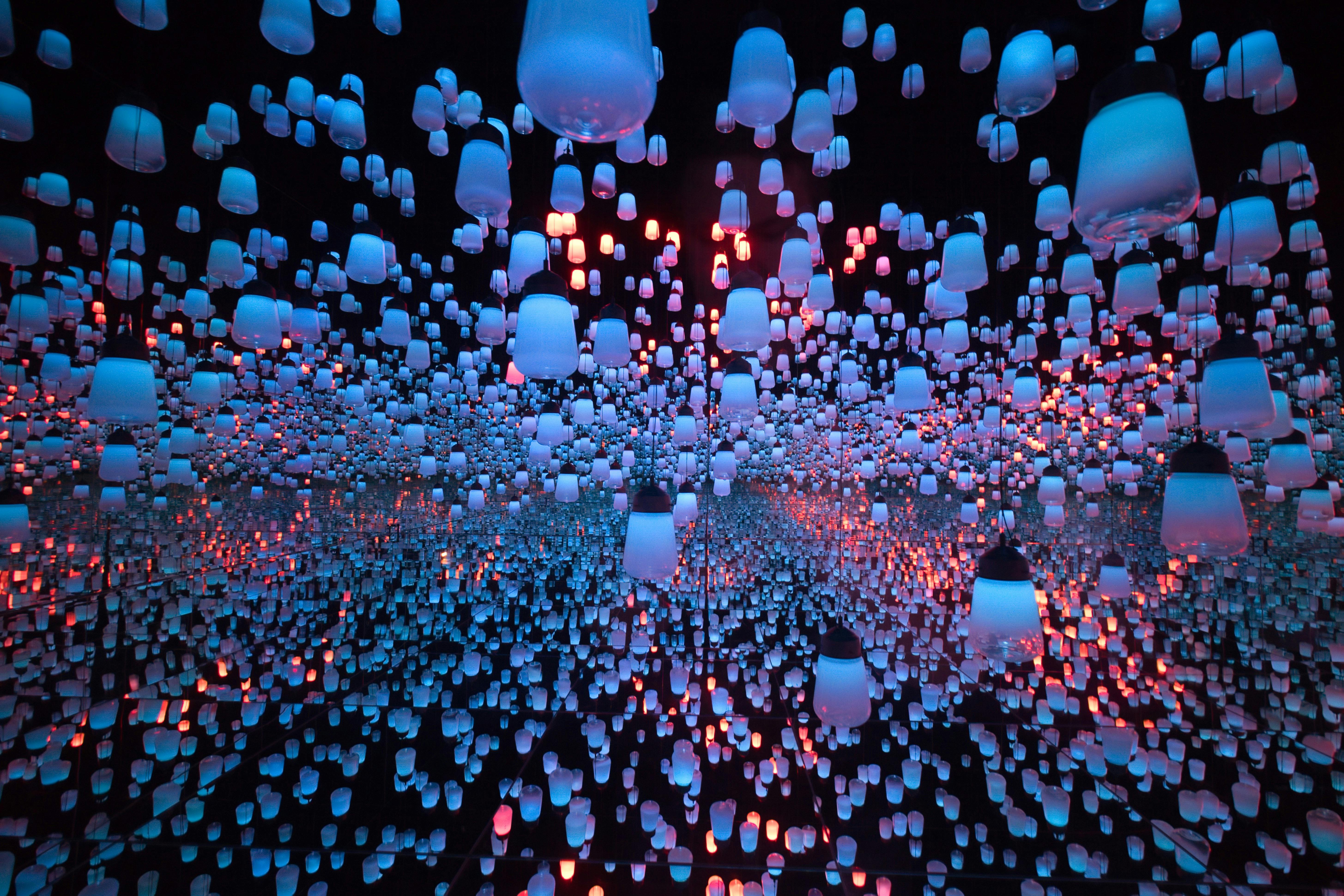
The museum solves a cultural contradiction: how do you create meaningful human connection in an age of screens? The answer lies in teamLab's philosophy of "borderless" art—works that leave their frames, cross room boundaries, communicate with neighboring pieces, and most critically, respond to visitors . Unlike traditional art where the viewer is passive, here you are co-creator. Touch a wall, and flowers bloom or scatter. Stand still, and a flock of digital birds might land on your shoulder. The museum's centerpiece—Forest of Resonating Lamps—features hundreds of glowing orbs that change color in response to human presence, creating ripples of light that pass from lamp to lamp as visitors move through the space . The technology behind this is breathtaking: real-time rendering ensures that what you see will never occur again in exactly the same way . Sketch Ocean invites visitors to color their own sea creatures on paper, which are then scanned and "swim" alongside others' creations in a giant digital aquarium . Even the tea house participates: order matcha at EN TEA HOUSE, and flowers bloom inside your bowl, petals scattering when you lift the cup . What problem does this solve? It transforms technology from isolating to connective, proving that digital art can inspire genuine wonder and shared joy across all ages and cultures.
The Best Time to Experience teamLab Borderless
To experience the museum at its most magical—with shorter queues and the ability to linger before each installation—target weekday mornings, specifically Tuesday through Thursday, arriving at or just before opening time (8:30 AM) . Weekends and holidays see significantly longer wait times, even with timed-entry tickets . For the most dramatic photography, visit during rainy or overcast weather; the museum's light installations appear more vivid against dark clothing and wet streets outside, and crowds tend to thin on poor-weather days . The museum operates daily except for the first and third Tuesdays of each month (unless those dates fall on national holidays) . Evening visits—particularly between 6:00 PM and 9:00 PM—offer a more intimate atmosphere and stunning contrast between the illuminated artworks and the darkness beyond. The museum's newly reopened location at Azabudai Hills (February 2024) boasts extended hours: 8:30 AM–10:00 PM (last entry 9:00 PM), though some sources indicate 9:00 AM–9:00 PM—check the official site before visiting . For official hours, ticket sales, and real-time crowd updates, always consult: www.teamlab.art/e/tokyo/ .
Approximate Budget for a 7-Day Trip Including teamLab Borderless
This breakdown treats teamLab Borderless as a marquee attraction within a broader Tokyo itinerary, assuming mid-range preferences. Prices in Japanese Yen (¥) and US Dollars ($), based on 2026 data. Note that ticket prices vary dynamically based on date and demand .
- Accommodation: ¥12,000–¥25,000 ($80–$165) per night near Azabudai Hills, Roppongi, or Toranomon. Budget options in nearby Shinbashi start at ¥8,000 ($53).
- Food: ¥4,000–¥7,000 ($27–$47) daily. Convenience store breakfast: ¥600 ($4). Lunch near Azabudai Hills: ¥1,500–¥2,500 ($10–$17). EN TEA HOUSE experience inside museum (including matcha and seasonal sweet): ¥1,500–¥2,000 ($10–$13). Dinner in Roppongi: ¥2,500–¥4,000 ($17–$27).
- Transportation: teamLab Borderless is approximately a 5-minute walk from Tokyo Teleport Station on the Rinkai Line, and a 2-3 minute walk from Kamiyacho Station (Exit 5) on the Tokyo Metro Hibiya Line . Single subway/train ride: ¥180–¥300 ($1.20–$2). One-week Tokyo Metro pass: ¥1,500 ($10).
- Attractions (teamLab-focused): teamLab Borderless adult admission: ¥3,800–¥4,500 ($25–$30) depending on date and time . Children (ages 4-15): approximately ¥1,500–¥2,000 ($10–$13) . Advance online booking is strongly recommended—same-day tickets may sell out, especially on weekends . Limited-time offer (April 13–May 3, 2026): Purchase any entrance pass and receive a free gelato or sorbet (worth ¥700) with any tea order at EN TEA HOUSE .
- Miscellaneous: Sketch Ocean coloring sheet (free with admission, but printed keepsakes cost extra). Printed badge or T-shirt of your custom-created sea creature: ¥800–¥2,000 ($5–$13) . Souvenir exhibition catalog: ¥2,500 ($17).
Total 7-day mid-range budget including teamLab Borderless: ¥95,000–¥130,000 ($630–$860) per person, excluding international flights.
7 Essential teamLab Borderless Experiences
- Enter Without a Map (That's the Point): teamLab Borderless has no prescribed route—literally, there is no map. You are meant to wander, discover, and get lost. This intentional disorientation is part of the philosophy: art bleeds between rooms, appears around corners, and hides behind unmarked doors. Resist the urge to "optimize" your visit. Instead, follow the butterflies, chase the frogs (the daimyo procession of frogs winds through multiple rooms as a nod to Japanese cultural history), and trust that getting lost is the entire point .
- Touch Everything (Gently): Unlike traditional museums, many installations at teamLab are interactive. Reach out to a wall of projected flowers: they will bloom under your palm. Touch a digital animal: it might turn to look at you or scatter into particles. In the Flowers and People installation, touching flowers causes petals to scatter, representing the Japanese concept of mono no aware—the bittersweet awareness of impermanence . Children (and adults) will spend hours discovering cause and effect throughout the museum.
- Experience the Forest of Resonating Lamps (Twice): This signature installation—hundreds of glowing, hanging lamps in a mirror-walled room—is the museum's most photogenic and emotionally resonant space. The lamps change color and pulse in response to people nearby, creating ripples of light that travel from lamp to lamp . For the best experience: visit once when you first enter (before you know the layout) and again just before leaving (when you've earned the quiet solitude of the final minutes before closing). The lamps are particularly transcendent when only a few visitors remain.
- Color Your Own Creature for Sketch Ocean: At the Sketch Ocean station (located on the first floor), you'll find coloring sheets of sea creatures: fish, turtles, jellyfish, and fantastical beings. Use the provided oil pastels to color your creation—the more vibrant, the better. A staff member will scan your drawing, and within minutes, your creature swims among others in the giant digital aquarium projected across the wall . Watch for your contribution; it's a small but profound thrill to see your imagination literally brought to life. You can later purchase your design printed on a badge, T-shirt, or towel at the gift shop.
- Order Matcha at the EN TEA HOUSE (With a Bonus): Hidden within the museum (ask a staff member if you can't find it), the EN TEA HOUSE serves matcha and seasonal sweets in an installation where digital flowers bloom inside your tea bowl . Lift the cup, and petals begin to scatter, drifting even toward neighboring tables as you drink . When the tea cools, the performance ends—so sip mindfully. The seasonal sweets (often wagashi shaped like flowers) are almost too beautiful to eat. Pro tip: If visiting between April 13–May 3, 2026, your entrance pass includes a free gelato or sorbet (worth ¥700) with any tea order .
- Find the Crystal World and Bubble Universe: Two of the museum's most dramatic installations reward patient exploration. Crystal World is a walk-through forest of hanging LED strands that change color and pattern as you move, creating the sensation of walking through a digital Aurora Borealis . Bubble Universe fills a dark room with countless illuminated spheres that shift color and sound in response to human presence—push one gently, and it sends ripples through the entire field . These installations are easy to miss if you rush; take your time, sit on the floor, and let the experience wash over you.
- Visit at Twilight for the Ultimate Immersion: While the museum has no windows, the experience of entering from daylight versus entering from darkness changes your perception. Plan your entry for 4:30 PM (if you have a timed ticket). You'll experience the museum in late afternoon light, then emerge around 7:00 PM into Tokyo's neon-lit evening. The contrast between the digital worlds inside and the actual city outside—its own kind of borderless light installation—makes for a perfect segue into dinner in nearby Roppongi or Toranomon . The nighttime crowd also tends to be older and more contemplative than the daytime family rush.
3 Hidden Gems Most Travelers Miss
- The Daimyo Frog Procession: One of teamLab's most charming narratives is easy to miss if you're focused on the flashiest installations. A procession of animated frogs, rendered in a style reminiscent of traditional Japanese scrolls, winds its way through several rooms—hopping across walls, disappearing behind doors, reappearing in unexpected corners . This is a reference to the Daimyo Gyōretsu (feudal lord's procession) of the Edo period, reimagined with amphibian protagonists. Follow them. They lead to hidden rooms and smaller installations that casual visitors overlook entirely.
- The Outdoor Terrace on the Third Floor: Most visitors exit immediately after the gift shop, missing the third-floor outdoor terrace, which offers a quiet space to decompress and, on clear evenings, views of the Azabudai Hills complex illuminated against Tokyo's skyline . There's a small café here serving coffee and cake—the only food allowed beyond EN TEA HOUSE. It's also where locals take phone calls, so you won't feel rushed. Access: take the elevator near the Sketch Ocean station to the third floor.
- Free Locker System (And Why You Need It): First-time visitors often don't realize that backpacks, large bags, food, and drinks are prohibited inside the exhibition rooms . The museum provides free lockers (no coin required), but they're located near the entrance, and finding them without blocking traffic can be chaotic at peak hours. The hidden gem: there are additional locker banks on the second floor, near the restrooms, which are usually completely empty. Drop off your bags there before descending to the main exhibition floor. Also, look for the free water station on the first floor—hydration is essential, and museum cafés charge a premium .
Cultural & Practical Tips
- Advanced Tickets Are Non-Negotiable: teamLab Borderless uses timed-entry ticketing, and same-day tickets frequently sell out—especially on weekends and during school holidays . Book online at least 2-3 weeks in advance, and during cherry blossom season or Golden Week (late April–early May), book as soon as your travel dates are confirmed. Your ticket will specify an entry time; you may enter up to 30 minutes late, but not earlier. Entering even 10 minutes late on a weekend may mean waiting in a queue for the next available slot.
- What to Wear for Maximum Photographic Impact: Wear white or light-colored clothing (solid colors, no large patterns) . The digital projections reflect onto your body, creating stunning silhouette and "living canvas" effects in photographs. Dark clothing absorbs the light, making you nearly invisible in group shots. Avoid skirts or loose clothing that could brush against delicate installations—especially in narrow corridors. Comfortable shoes are essential; you'll stand and walk for 2-3 hours minimum, with limited seating.
- Photography Guidelines: Tripods, selfie sticks, and professional-grade lighting equipment are prohibited. Handheld photography and smartphone video are welcome, but no flash photography—not only does it disturb other visitors, but it also washes out the delicate light projections . The best settings: increase your phone's exposure slightly, or use a camera with manual ISO (800-1600) and a fast lens (f/1.8 or wider). When photographing friends or family, position them between you and the light source for dramatic silhouette effects .
- Essential Japanese Phrases for Your Visit: Kaban o rokkā ni azukete mo ii desu ka? (Kah-bahn oh roh-kkah nee ah-zoo-keh-teh moh ee dess kah?)—"May I leave my bag in a locker?" Eriabe-to wa doko desu ka? (Eh-lee-ah-beh-toh wah doh-koh dess kah?)—"Where is the elevator?" (The museum spans multiple floors with limited stair access). Matcha o hitotsu kudasai (Mah-chah oh hee-toh-tsoo koo-dah-sigh)—"One matcha, please" (for EN TEA HOUSE).
- How to Navigate Without a Map: The museum deliberately provides no standard map, but the official teamLab Borderless app (download before arriving) includes a "room discovery" feature that shows your approximate location—but not a route. Use it only if you're genuinely lost or worried about missing closing time. The best navigation strategy: follow the crowds out of densely packed rooms (they've found the exit), but follow the light into empty corridors. The most magical moments happen when you're alone and uncertain where you're going.
- Accessibility and Restrictions: Strollers are prohibited inside the exhibition rooms—you'll need to check them at the locker area (staff can assist) . Wheelchairs are permitted, and the museum is fully accessible, but some corridors are narrow; visit on weekday mornings for easier navigation. Children under 12 must be accompanied by an adult at all times. The museum is not recommended for visitors with photosensitive epilepsy—the installations use rapidly flashing lights and strobe effects throughout.
- Seasonal Considerations and Closures: The museum is closed on the first and third Tuesdays of each month . It also closes for three days over New Year's (December 29–31). During rainy season (June–July), expect larger crowds as indoor attractions fill up—book even further in advance. Winter (December–February) offers the shortest queues but the earliest sunsets, making evening visits particularly magical as you exit into Tokyo's spectacular holiday illuminations.
Conclusion: Travel with Wonder, Not Just Hashtags
teamLab Borderless could easily be consumed as a photo factory—a place to collect Instagrammable backdrops and move on. Resist that temptation. Put your phone down for at least ten minutes. Stand in the Forest of Resonating Lamps and watch the lights ripple not because of you, but because of everyone else, creating a network of human presence made visible. Follow a projection of digital flowers across three rooms simply because they're beautiful. Watch a child's face as their hand-drawn fish begins swimming among hundreds of others—that moment of dawning realization that they made something, that their imagination is real. That's the magic teamLab offers: proof that digital technology, freed from screens and keyboards, can create genuine connection, collaborative joy, and childlike wonder. You don't need to understand the algorithms or the engineering. You only need to show up, touch the wall, and remember what it felt like to play before you learned to optimize. Borderless isn't just the name of this museum. It's an invitation to leave your boundaries at the door—the ones you've built around your attention, your certainty, your adulthood. Walk through. The butterflies are waiting.