Forbidden City: Where Imperial Grandeur Meets Timeless Chinese Heritage
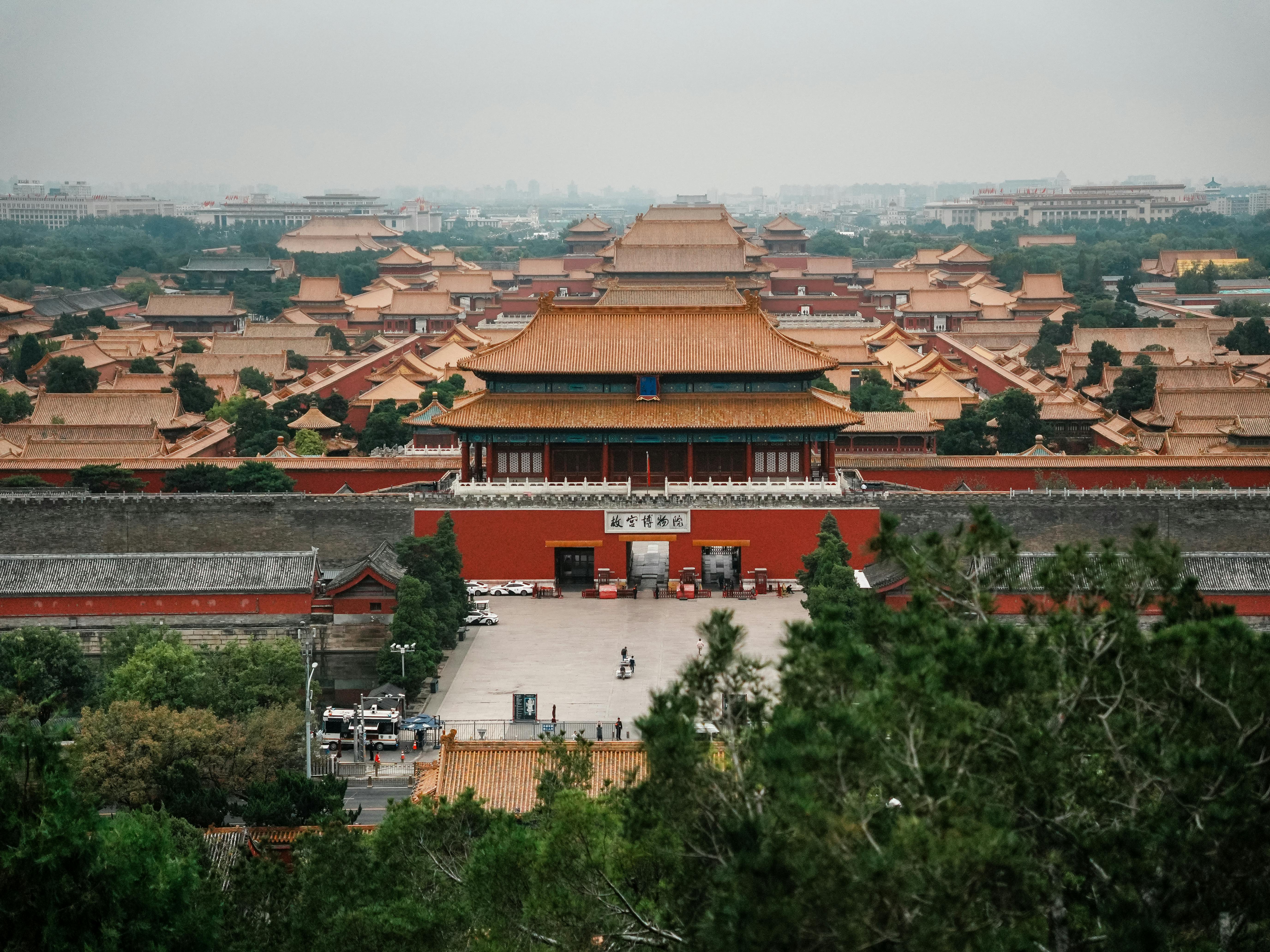
Forbidden City: Where Imperial Power Meets Everyday Beijing Life
It is 8:30 AM on a Tuesday in late April and I stand outside the Meridian Gate with a cold coffee in my hand. I pay 60 RMB (about $8.25 USD) for my entry ticket that I reserve online in advance. The stone courtyard smells of dust and sunscreen. A guide shouts numbers through a loudspeaker. Pigeons cut across the gray sky above the red walls. I pass through the thick gate tunnel and the vast outer court opens up. The Forbidden City feels empty and packed at the same time. White marble terraces stretch wide. Golden roofs shine sharp in the morning light. My shoes slap against the uneven stones. A child cries behind me. I stop near the Gate of Supreme Harmony and just listen to the wind and footsteps. The air tastes dry on my tongue. I check my paper map and realize I have barely started walking through nine hundred rooms and endless side halls.
Why Forbidden City Matters
Built between 1406 and 1420 under the Yongle Emperor, the Forbidden City served as the imperial palace for 24 emperors of the Ming and Qing dynasties. It is the largest preserved wooden palace complex on earth, with 980 surviving buildings and over 8,700 rooms. The layout follows strict Confucian order. The outer court in the south handles state business, while the inner court in the north holds the private living quarters. Yellow glazed roofs mark imperial authority. The number nine repeats everywhere in door studs and stair carvings because it stands for supremacy in Chinese culture. For nearly 500 years, ordinary people could not enter these gates on pain of death. That closed history is why walking here still feels strange and powerful today.
You cannot enter most halls. That is the honest letdown. Almost all the great throne rooms are locked behind glass barriers, so you peer inside from the doorway with fifty other people. The interiors often feel dark and empty because much original furniture was moved or lost during wars of the last century. The crowds push hard at noon. Still, the scale and detail of the architecture carry the visit. Look up at the bracket sets and painted ceilings instead of just pushing for a front photo.
The Best Time to Experience Forbidden City
The sweet spots are April 10 to May 25 and September 15 to October 30. Spring brings 15°C to 26°C (59°F to 79°F) with light wind and clear skies. Autumn is cooler and sharper at 12°C to 22°C (54°F to 72°F), perfect for walking the long stone axis without sweating. I prefer late October mornings when the light hits the yellow roofs sideways.
Avoid June 25 to August 31 if you can. Beijing hits 33°C to 37°C (91°F to 99°F) with heavy humidity and tour groups fill every courtyard. There is almost no shade on the central axis. Winter from December 1 to February 28 drops to -8°C to 2°C (18°F to 36°F). The cold keeps crowds away but the wind cuts through gloves. Arrive at the 8:30 AM opening on any date. The first hour is calm. By 11:00 AM the main halls clog badly.
Approximate Budget for a 7-Day Trip
This budget covers a week based in Beijing with a full day for the Forbidden City and other central sights. Prices assume mid-range travel with subway use and local food.
- Accommodation: $455 USD for 7 nights in a hutong guesthouse or business hotel near Wangfujing, about $65 per night.
- Food: $180 USD, about $25 per day for noodle breakfasts, dumpling lunches, and one Peking duck dinner around $35.
- Transport: $40 USD for subway rides at 3 to 7 RMB each plus two Didi rides to the Summer Palace.
- Attractions: $120 USD for Forbidden City (60 RMB), Great Wall at Mutianyu (60 RMB plus shuttle), Summer Palace (30 RMB), Temple of Heaven (34 RMB).
- Miscellaneous: $65 USD for bottled water, SIM card, coffee, and laundry.
- Total Estimated Cost: $860 USD per person for 7 days.
Overpriced warning: The souvenir shops inside the palace sell small fridge magnets and postcard sets for 50 to 60 RMB. Skip them. Walk fifteen minutes north to Nanluoguxiang or the shops outside Jingshan East Gate after your visit. You find the same style magnets for 10 to 15 RMB and you can bargain politely.
Essential Forbidden City Experiences
- Enter through the Meridian Gate: This U-shaped gate is the only visitor entrance. Walk slowly through the tall tunnel and notice how sound drops. The line moves slowly forward.
- Cross the Outer Court: Stand on the marble terrace facing the Hall of Supreme Harmony, Hall of Central Harmony, and Hall of Preserving Harmony. This is where emperors held court on cold stone mornings.
- Peer into the Palace of Heavenly Purity: The first building of the Inner Court served as the emperor's bedroom in Ming times and audience hall in Qing times. Look for the plaque that hides the secret succession box.
- Rest in the Imperial Garden: Old cypress trees twist above rock piles and small pavilions at the north end. It offers the only real shade. I buy ice cream nearby.
- Visit the Clock Exhibition Hall: Located in the Hall for Ancestral Worship, it holds ornate British and Chinese clocks gifted to emperors. Skip if the line exceeds 30 minutes, as the room is small and you shuffle past glass cases without much air.
- Climb out to Jingshan Park: Exit north, cross the street, and climb the hill for a full overhead view of the golden roofs. The climb takes only ten minutes.
Hidden Gems Most Travelers Miss
- Cining Palace Sculpture Hall: West side palace turned into a quiet Buddhist sculpture gallery. Cool rooms, almost no people, excellent stone carvings.
- Hall of Mental Cultivation: The real power center of the late Qing where emperors actually worked. Small, wood-paneled rooms that feel lived in.
- Arrow Pavilion (Jian Ting): Northeast corner area with archery exhibits and fewer tour groups. Good spot to sit for five minutes.
- Palace of Prolonging Happiness: Failed modern-style palace with tiled exterior left unfinished in the early 1900s. Strange and fun to see.
- Corner Tower Coffee Break (Overrated Gem): Everyone posts photos of the Jiaolou Cafe with palace views. The coffee is weak and costs 38 RMB. Take your photo from the moat path outside for free instead.
Cultural & Practical Tips
- Book 7 days ahead with your passport: Tourist Mistake Warning: You cannot buy a ticket at the door. Entry requires advance reservation tied to your passport number. No passport means no entry, even with a screenshot.
- Enter only from the south: Tourist Mistake Warning: Many first-timers take the subway to the north gate and try to walk in. That exit is only for leaving. Start at Tiananmen East or Tiananmen West and walk north through Tiananmen Gate to the Meridian Gate.
- Wear thick-soled shoes: The courtyard stones are uneven and sloped for drainage. Thin sneakers hurt after two hours. Bring water and comfortable shoes.
- Do not bring tripods or drones: Security checks bags at the entrance. Large selfie sticks, tripods, and lighters get held at storage and cost time to collect.
- Keep quiet in narrow halls: Chinese families treat this as a place of history and respect. Speak softly, do not lean on wooden doors, and ask before photographing guides at work.
- Use the restrooms early: Toilets near the east side of the Outer Court are cleaner in the morning. Lines grow long after 11:00 AM.
Essential Visitor Information
- Location & Access: 4 Jingshan Front Street, Dongcheng District, Beijing, China, GPS 39.9163 N, 116.3972 E, about 2 km north of Qianmen. Three transport options: Subway Line 1 to Tiananmen East Station Exit A, 10 minute walk north to Meridian Gate; Subway Line 1 to Tiananmen West Station Exit B, 12 minute walk northeast; Taxi or Didi to East Chang'an Avenue drop-off near Nanchizi Street, then walk.
- Tickets & Booking: April to October 60 RMB, November to March 40 RMB. Treasure Gallery adds 10 RMB, Clock Hall adds 10 RMB. Booking needed? Yes. Reserve up to 7 days ahead with passport details. Daily cap is 40,000 visitors and weekends sell out.
- Operating Hours: April to October 8:30 AM to 5:00 PM with last entry at 4:00 PM. November to March 8:30 AM to 4:30 PM with last entry at 3:30 PM. Closed Mondays except public holidays.
- Visit Duration: Minimum 2 hours for the central axis only. Recommended time is 3.5 to 5 hours including side halls and garden.
- Family Suitability: Children enjoy the wide spaces and gates, but stroller access is hard. High thresholds, long stairs, and rough stones mean you lift often. Baby changing tables sit in restrooms near the Gate of Supreme Harmony and Imperial Garden. Bring snacks as food options inside are limited.
- Timing: Best season is mid-April to late May and mid-September to late October. Best time of day is 8:30 AM to 10:30 AM for thinner crowds and soft light.
- Highlights: Meridian Gate tunnel, Hall of Supreme Harmony terrace, Palace of Heavenly Purity, Imperial Garden old trees, Jingshan Hill overlook.
- Nearby & Day Trip: Tiananmen Square sits directly south across the road. Jingshan Park is directly north for sunset views. Beihai Park is 1.2 km northwest for boating. Nanluoguxiang hutongs are 1.5 km northeast for dinner, all easy to combine in one central Beijing day.
Conclusion: Travel with Patience, Not Just Photos
The Forbidden City rewards slow walkers. If you rush the middle line for photos, you leave tired and annoyed. Step into side courtyards, read one plaque fully, and watch light move across old tiles. The sheer size makes sense only when you stop often. Bring your passport, book early, and wear solid shoes. Have you left enough time in your Beijing plan to see the Forbidden City without rushing to the next stop?
Post a Comment