The Great Wall of China: Where Ancient Stone Meets Dragon's Spine
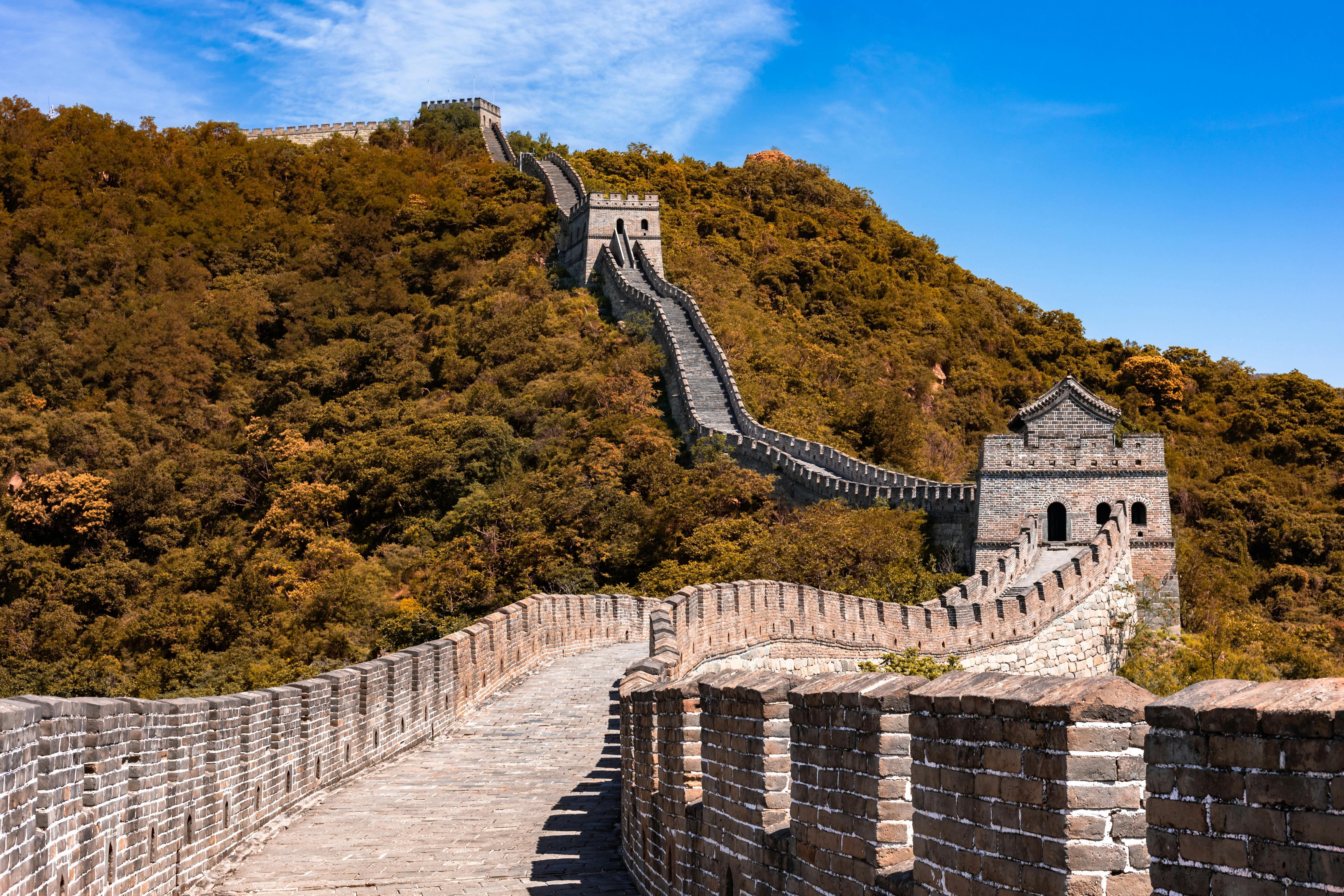
The Great Wall of China: Where Ancient Stone Meets Mountain Grit
It is 7:40 AM at Mutianyu and the air bites cold through my thin jacket. I pay 65 RMB for the shuttle bus plus entry and my hands shake as I scan the ticket. The cable car hums above pine trees still wet from night rain. I step onto the old bricks at Tower 14 and the wind hits hard. My lungs pull thin mountain air with smoke from a vendor roasting corn below. My legs burn on the first steep climb. Sweat sticks under my backpack. Far below, tour buses crawl into the parking lot like white beetles. I hear only my boots scraping stone and a guard whistling for a stray dog. The Great Wall of China stretches left and right with no end in sight. No filter prepares you for the slope. Most photos hide how brutal the steps feel. I stop to catch my breath near the edge. My heart pounds loud in my ears. A woman sells hot tea for 10 RMB and I wrap cold fingers around the paper cup.
Why The Great Wall of China Matters
People think of the Great Wall of China as one long wall. It is not. It is a network of walls, trenches, and natural barriers built over 2,000 years by different dynasties. The earliest rammed-earth sections date back to the 7th century BC when rival states built borders against each other. Qin Shi Huang linked many of them after 221 BC. What most visitors walk today comes from the Ming dynasty, from 1368 to 1644, when builders used bricks, lime mortar, and sticky rice paste to create the strong stone faces you see at Badaling and Mutianyu. The wall was never just for fighting. It controlled trade along the Silk Road, taxed merchants, sent smoke signals across towers, and marked where farming culture ended and steppe culture began.
Soldiers lived in the towers for months with little food. Many died far from home. You can still see their small stoves and arrow slits if you look closely. The honest downside is how much has been rebuilt for tourists. At Badaling, workers in the 1980s and 1990s replaced large stretches with fresh bricks and wide handrails. It looks clean and safe. It also feels a bit fake in places, more like a film set than a 500-year-old fort. Go to older sections and the rough stone tells a truer story.
The Best Time to Experience The Great Wall of China
The sweet spot for The Great Wall of China runs from April 15 to June 10 and from September 15 to November 5. Spring days reach 18°C to 26°C (64°F to 79°F) with fresh green hills and light wind. Autumn is drier and clearer, with highs of 15°C to 24°C (59°F to 75°F) and red and gold leaves on the slopes around Mutianyu. Mornings start cold, often 8°C to 12°C (46°F to 54°F), so bring a fleece even on sunny days.
Summer from July 1 to August 31 turns hot and wet, with 30°C to 35°C (86°F to 95°F), sudden rain, and thick crowds. Steps get slick fast. Winter from December 1 to February 28 drops to -10°C to 0°C (14°F to 32°F) with biting wind on the ridges. The wall stays open and crowds vanish, but cable cars sometimes stop in high wind. For any season, start before 8:00 AM. Tour buses arrive by 9:30 AM and the narrow passes clog by 10:30 AM.
Approximate Budget for a 7-Day Trip
Most travelers base in Beijing and visit the wall as day trips. This budget covers seven days with mid-range hotels, subway travel, and two separate wall visits.
- Accommodation: $385 USD for 7 nights in hutong guesthouses or 3-star hotels near Dongzhimen, about $55 per night.
- Food: $210 USD, about $30 per day for baozi breakfasts, noodle lunches, and duck or hotpot dinners.
- Transport: $115 USD for subway rides, buses to Mutianyu and Badaling, plus one shared car to a quiet viewpoint.
- Attractions: $140 USD for two wall sections with cable cars, Forbidden City, and Summer Palace.
- Miscellaneous: $70 USD for water, SIM card, gloves, and small gifts.
- Total Estimated Cost: $920 USD per person for 7 days.
Overpriced warning: Bottled water and corn on the wall sell for 12 to 15 RMB, triple the city price. Snacks at Badaling restaurants run 80 to 120 RMB for plain fried rice. Stock up at a Beijing convenience store the night before, where water costs 2 RMB and buns cost 5 RMB.
Essential The Great Wall of China Experiences
- Walk Mutianyu Tower 14 to Tower 20: This restored stretch gives steep climbs, tight stairs, and open views without the worst crowds. Go east in the morning for softer light and fewer groups.
- Ride the Toboggan Down at Mutianyu: After the hike, take the metal slide from Tower 6 back to the base. It costs 120 RMB round trip with the chairlift up. It is fast and fun.
- Hike Jiankou to Mutianyu Ridge: This wild, unrestored path shows crumbling towers and sharp drops. Hire a local guide for 400 to 500 RMB. Skip if you fear heights or rain is forecast, as rocks turn slick and the trail has no rails.
- Watch Early Light at Jinshanling: Arrive by 6:30 AM to see sun hit the brickwork across ten towers. The 10-kilometer walk toward Simatai takes about four hours at a steady pace.
- Climb Juyongguan Fortress Loop: This tight circular pass near Beijing shows how soldiers trapped invaders in a narrow valley. The climb is short but very steep, with 1,700 steps in places.
- Stand on Badaling at Sunrise: Yes, it is touristy, but at 7:00 AM before buses arrive, the stone feels empty and loud wind fills the towers. Bring a warm hat even in May.
Hidden Gems Most Travelers Miss
- Gubeikou to Jinshanling Traverse: A 10-kilometer route through half-wild towers with few railings and almost no vendors. Start at Wohu Mountain and walk east for three hours.
- Huanghuacheng Lakeside Section: Here the wall drops straight into a reservoir. You can rent a small boat for 60 RMB to see the drowned bricks from the water.
- Cloud Platform at Juyongguan: A white marble Yuan dynasty base carved with Buddhist texts in six scripts. Most people walk under it without looking up.
- Zhuangdaokou Village Trail: A quiet back entrance near Huairou where locals farm chestnuts below unrestored towers. Entry costs 25 RMB and paths stay empty on weekdays.
- Badaling Bear Paradise (Overrated Gem): Touted as a fun add-on near the wall, it is just a small concrete enclosure with bored animals and a 40 RMB ticket. Skip it and spend the hour walking one more tower instead.
Cultural & Practical Tips
- Wear shoes with real grip: Steps are worn smooth and tilt sideways. Trail runners or hiking shoes save your knees. Poles help a lot on descents.
- Carry your passport for tickets: Tourist Mistake Warning: Many wall sections now require real-name booking tied to your passport number. A photo on your phone will not get you through the gate.
- Do not trust cheap taxi touts in Beijing: Tourist Mistake Warning: Drivers near Tiananmen offer a 100 RMB round trip to the wall, then stop at jade shops for commissions and demand extra on return. Book a licensed car through your hotel for 500 to 600 RMB instead.
- Take trash down and stay off wild edges: Climbing unrestored parapets for photos damages 400-year-old bricks and causes falls each year. Use marked paths only.
- Drones need approval: Flying without written permission can lead to fines and confiscation. Guards watch closely at Badaling and Mutianyu.
- Use toilets at the base: Facilities on the wall are few and often locked. Go before you climb and carry tissues and hand gel.
Essential Visitor Information
- Location & Access: Mutianyu Great Wall, Bohai Town, Huairou District, Beijing 101405, China, GPS 40.4319 N, 116.5704 E, about 73 km northeast of central Beijing. Three transport options: public bus 916 Express from Dongzhimen to Huairou then shuttle H23 to Mutianyu, about 2.5 hours and 20 RMB; licensed private car or shared van from downtown, 500 to 600 RMB round trip and 1.5 hours each way; direct tourist bus from Qianmen area, 80 RMB round trip with fixed departure times.
- Tickets & Booking: Mutianyu entry is 60 RMB from April to October and 45 RMB from November to March. Shuttle bus inside is 15 RMB each way. Cable car is 120 RMB round trip and toboggan is 120 RMB round trip. Badaling entry is 40 RMB peak and 35 RMB off peak. Booking needed? Yes for weekends, holidays, and Badaling in any season. Book 1 to 3 days ahead with passport details.
- Operating Hours: Mutianyu is open 7:30 AM to 6:00 PM from April to October and 8:00 AM to 5:00 PM from November to March. Badaling is open 6:30 AM to 7:00 PM in peak season and 7:00 AM to 6:00 PM in off season. Cable cars stop 30 minutes before closing and may pause in strong wind or ice.
- Visit Duration: Minimum 2 hours for a quick up and down at one tower area. Recommended time is 4 to 5 hours to walk several towers, rest often, and ride down slowly.
- Family Suitability: Children over 6 enjoy climbing and the toboggan with an adult. Stroller access is not possible due to steep steps and narrow gates. Baby carriers work better. Changing tables and hot water sit in restrooms at the base visitor center, not on the wall.
- Timing: Best season is mid-April to early June and mid-September to early November. Best time of day is 7:30 AM to 9:00 AM for cool air and thin crowds.
- Highlights: Tower 14 viewing deck, Tower 20 ridge with three watchtowers close together, toboggan run at Tower 6, Zhengguantai Terrace at Badaling, stone carvings at Juyongguan Cloud Platform.
- Nearby & Day Trip: Yanqi Lake is 20 minutes south for boating, Hongluo Temple is 25 minutes southwest for forest walks, Gubei Water Town is 1 hour north for canals and night views. All work as a combined day trip from Beijing, and the wall itself is built for a single long day with an early start.
Conclusion: Travel with Patience, Not Just Photos
The Great Wall of China rewards walkers who slow down and look twice. It is steep, commercial in spots, and far from perfect. It also shows real grit in the stone, the wind, and the people who keep climbing. Skip the rush to tick three sections in one day. Pick one stretch, start early, and sit on a tower to watch light move. Sit longer than you plan. Bring grippy shoes, two liters of water, and small bills for tea. Will you choose the quiet wild steps or the classic restored views for your first walk?
Post a Comment