
Li River Cruise: Where Karst Peaks Meet Timeless Waters
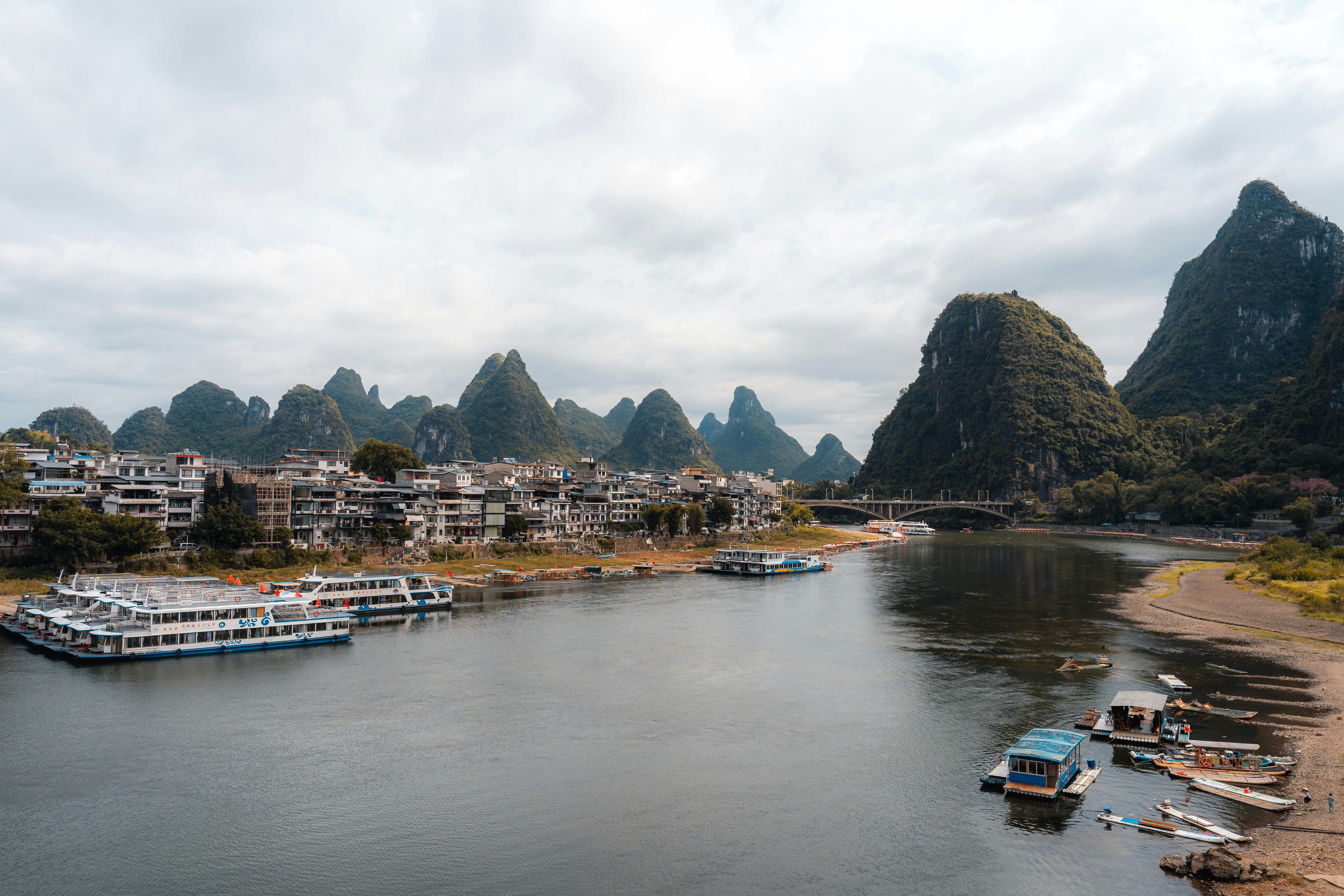
Morning mist clings to the emerald water like a lover reluctant to part—soft tendrils swirling around the base of limestone towers that rise vertically from the river like ancient sentinels. At 7:30 AM, you step onto the cruise deck at Zhujiang Pier in Guilin, the air carrying the earthy scent of damp limestone and blooming osmanthus trees lining the banks. The vessel glides forward, and suddenly you find yourself navigating through a living Chinese ink painting: jagged karst peaks—some soaring 200 meters above the water—emerge from the haze in layers of jade and gray, their reflections shimmering in the Li River's glassy surface. This 83-kilometer journey, celebrated in poetry since the Tang Dynasty over 1,200 years ago, represents one of Earth's most spectacular river landscapes, where geological forces spanning 300 million years have sculpted towers so dramatic they appear on China's 20-yuan banknote. As water buffalo graze on riverside meadows and cormorant fishermen cast their nets using techniques unchanged for centuries, you realize this is not merely sightseeing—it is a pilgrimage through the very landscapes that defined Chinese aesthetic philosophy, where humanity exists in harmonious proportion to nature's grandeur.
Why Li River Cruise Embodies Natural Artistry
The Li River—known locally as Lǐ Jiāng—carves its way through one of the world's most spectacular karst landscapes, a geological wonder formed over 300 million years when this region lay beneath an ancient sea [[1]]. As tectonic forces lifted the seabed and acidic rainwater dissolved the limestone bedrock, nature sculpted over 20,000 individual peaks across the Guilin-Yangshuo region, creating a topography so unique it earned UNESCO World Heritage recognition in 2014 as part of the South China Karst designation [[4]]. The river cruise, traversing 83 kilometers from Guilin to Yangshuo over approximately 4-5 hours, solves a fundamental human need: access to landscapes so sublime they transcend ordinary tourism, offering instead a meditative journey through China's most iconic natural cathedral.
The engineering behind modern river cruising balances accessibility with preservation. Today's vessels—ranging from three-deck tourist boats carrying 100-150 passengers to luxury catamarans—utilize shallow-draft hull designs (drawing only 1.2 meters) to navigate the Li's variable depths while minimizing riverbank erosion [[7]]. The cruise route passes through the most scenic 60-kilometer section, featuring landmarks like Nine Horse Mural Hill (a cliff face with natural rock formations resembling horses), Yellow Cloth Shoal (where the 20-yuan note panorama unfolds), and Xingping Ancient Town (preserved since 265 AD) [[9]]. This journey fulfills what Chinese landscape painters have pursued for millennia: the shan shui (mountain-water) aesthetic ideal, demonstrating how vertical karst towers and horizontal river flows create perfect compositional balance. The river's ecological significance extends beyond tourism—it supports 47 fish species, provides irrigation for 12,000 hectares of rice paddies, and maintains water tables for 1.2 million residents, making sustainable cruise operations essential to regional survival.
The Best Time to Experience Li River Cruise
To witness the Li River at its most enchanting, seasonal timing proves everything. The optimal visiting windows are April 15–June 10 for misty spring atmospheres and September 15–November 5 for crystal-clear autumn skies. During spring, temperatures range from 18–26°C (64–79°F) with frequent morning mist creating ethereal photography conditions; autumn brings stable weather at 16–25°C (61–77°F) with 85% probability of blue skies and calm waters perfect for reflections [[12]].
For the most magical experience, book the 8:00–8:30 AM departure from Guilin's Zhujiang Pier—this timing ensures arrival at Yellow Cloth Shoal around 10:30–11:00 AM when sunlight illuminates the iconic 20-yuan panorama without harsh overhead glare. Morning cruises also offer the best chance to spot cormorant fishermen at work before the midday heat. The return journey from Yangshuo typically departs at 2:00–3:00 PM, providing afternoon light that transforms limestone peaks to amber and gold.
Avoid: July–August peak monsoon season when heavy rains can cause flooding, water levels to rise 3–5 meters, and cruise cancellations; also avoid Chinese national holidays (October 1–7, Spring Festival in late January/February) when boats operate at 200% capacity with 3-hour boarding queues.
Approximate Budget for a 7-Day Trip
Guilin and Yangshuo offer excellent value for international travelers, with costs significantly lower than China's tier-one cities. This budget assumes moderate comfort with mid-range hotels, local dining, and comprehensive exploration. All prices in Chinese Yuan (CNY/¥).
- Accommodation: ¥180–¥450 per night (mid-range hotels in Guilin city center or Yangshuo West Street area; budget hostels from ¥80, riverside boutique hotels ¥500–900)
- Food: ¥100–¥180 per day
- Breakfast: ¥15–25 (rice noodles, soy milk, steamed buns)
- Lunch: ¥30–50 (Guilin rice noodles, beer fish, stir-fried vegetables)
- Dinner: ¥40–80 (Yangshuo beer fish, taro duck, river shrimp)
- Street snacks: ¥10–20 per item (sticky rice cakes, osmanthus cakes)
- Transportation:
- High-speed train to Guilin: ¥300–500 from major cities
- Airport shuttle bus: ¥20
- Guilin to Yangshuo bus: ¥25
- Bamboo raft rental (Yangshuo section): ¥150–300 per raft
- Attractions:
- Li River cruise (Guilin to Yangshuo): ¥215–360 (standard to VIP class)
- Reed Flute Cave: ¥90
- Elephant Trunk Hill: ¥75
- Impression Liu Sanjie light show: ¥198–680
- Moon Hill: ¥35
- Miscellaneous:
- Bicycle rental in Yangshuo: ¥30/day
- Souvenirs (osmanthus tea, chili sauce): ¥80–200
- Travel insurance: ¥50–100
- Tips for guides: ¥50–100
Total for 7 days: ¥4,800–6,900 (approximately $660–950 USD)
6 Essential Li River Cruise Experiences
- Photograph the 20-Yuan Panorama at Yellow Cloth Shoal: As your cruise approaches the 48-kilometer mark (approximately 10:30 AM on morning departures), position yourself on the starboard (right) side of the boat for the iconic view featured on China's 20-yuan banknote. Seven karst peaks emerge from misty water like a natural mural, their reflections creating perfect symmetry. The scene takes its name from the yellow-colored cloth that fishermen historically spread on rocks to dry. Bring a polarizing filter to reduce water glare; capture the image within a 15-minute window as the boat passes slowly. This is the Li River's most photographed moment—arrive early on deck to secure unobstructed positioning.
- Decode Nine Horse Mural Hill: Approximately 25 kilometers downstream from Guilin, a massive cliff face reveals natural rock striations and vegetation patterns that allegedly form the shapes of nine horses. Local legend claims that spotting all nine horses brings good fortune; most visitors see only three or four. The cruise captain typically slows the vessel and points out potential formations—study the 200-meter-long cliff carefully, looking for equine silhouettes in negative spaces between limestone outcrops. This optical puzzle has entertained travelers since the Ming Dynasty; challenge your companions to find the maximum number.
- Observe Cormorant Fishing Demonstrations: Between 9:00–10:00 AM along the Xingping section, watch traditional fishermen—often elderly men in conical straw hats—work with trained cormorant birds. The fishermen tie soft cords around the birds' throats (preventing them from swallowing larger fish), then launch bamboo rafts where the birds dive repeatedly, catching fish that they deposit in the boat. This 1,300-year-old technique, documented in Tang Dynasty texts, represents sustainable fishing at its most elegant. Some cruise boats pause briefly for photography; tip the fishermen ¥10–20 if you capture close-up shots.
- Explore Xingping Ancient Town: Some cruise packages include a 45-minute stop at this 1,700-year-old riverside settlement, where Ming and Qing dynasty architecture lines cobblestone lanes. Wander past 300-year-old merchant houses, visit the 500-year-old banyan tree that shades the waterfront, and climb to the 20-Yuan Viewpoint for the elevated perspective of the famous panorama. The town's West Street features traditional workshops producing osmanthus wine, chili sauce, and hand-painted fans. Allow 30 minutes for exploration; purchase local snacks like rice cakes wrapped in bamboo leaves (¥5–8).
- Savor Onboard Lunch: Most cruise tickets include a simple buffet lunch served at 11:30 AM–12:30 PM in the boat's dining hall. Expect regional specialties: Guilin rice noodles with pickled vegetables and peanuts, stir-fried river shrimp, braised pork with taro, and seasonal greens. While not haute cuisine, the meal provides necessary sustenance and cultural context—dining while floating through karst cathedrals enhances the sensory experience. Vegetarian options available upon request; bring snacks if you have dietary restrictions. The dining hall's panoramic windows ensure uninterrupted views during your meal.
- Disembark at Yangshuo Pier and Cycle the Countryside: After the 4-5 hour cruise concludes at Yangshuo's Longtou Hill Pier (typically 1:00–2:00 PM), rent a bicycle (¥30/day) and explore the flat riverside paths that wind through rice paddies and karst towers. The 10-kilometer route to Moon Hill passes water buffalo grazing in flooded fields, farmers tending vegetable plots, and limestone peaks that glow amber at sunset. Stop at riverside cafes serving Yangshuo's famous beer fish (¥45–65) and cold local beer. Cycling allows intimate engagement with landscapes you've admired from the water, revealing details invisible from the cruise deck.
3 Hidden Gems Most Travelers Miss
- Yellow Cloth Shoal Bamboo Rafting: While cruise boats photograph the 20-yuan panorama from a distance, bamboo rafts allow you to float directly beneath the seven peaks, experiencing the scene from the water's surface. The 90-minute rafting journey covers 8 kilometers from Xingping to Yellow Cloth Shoal, with local polemen navigating shallow waters using 4-meter bamboo poles. Access: Book at Xingping Pier ticket office; ¥150 per person (4-person raft); operates 8:00 AM–4:00 PM. Insider tip: Request the 3:00 PM departure for golden hour light that transforms limestone to amber; bring waterproof bags for electronics as splashing is inevitable.
- Laozhai Mountain Sunrise Hike: This 200-meter peak near Xingping offers the Li River's most spectacular sunrise viewpoint, yet fewer than 5% of cruise passengers attempt it. The 45-minute climb involves steep stone steps and a final scramble up near-vertical rock faces, rewarding you with 360-degree panoramas of the river snaking through karst towers as dawn breaks. Access: Trailhead located 500 meters from Xingping Pier; free entry; start at 5:30 AM for sunrise. Insider tip: Bring a headlamp for the pre-dawn ascent; the descent is treacherous when wet—wear shoes with excellent traction.
- Li River Source Village (Mao'er Mountain): Located 80 kilometers north of Guilin, this remote village sits at the actual source of the Li River, where mountain springs emerge from Mao'er Mountain's granite slopes. The area features pristine forests, terraced rice paddies, and Yao ethnic minority culture largely untouched by tourism. Access: Hire a private driver from Guilin for ¥400–500 round-trip; allow full day; best visited May–September when water flow is strongest. Insider tip: Stay overnight in a Yao family homestay (¥120/night including dinner) to experience traditional longhouse architecture and rice wine toasts.
Cultural & Practical Tips
- Cruise Class Selection: Standard class (¥215) provides basic seating and simple lunch; VIP class (¥360) offers air-conditioned lounges, premium buffet, and priority boarding. For first-time visitors, VIP class justifies the extra cost through comfort and better viewing deck access. Book tickets 3–7 days in advance through official channels or your hotel.
- Weather Preparedness: Guilin's subtropical climate means sudden weather changes; pack a lightweight rain jacket regardless of forecast. Spring brings frequent drizzle that enhances misty atmosphere but can delay departures; summer temperatures exceed 33°C (91°F) with 85% humidity—bring sun protection and hydration. Winter (December–February) offers clear skies but temperatures drop to 8–15°C (46–59°F).
- Photography Guidelines: Cruise boats move slowly (15–20 km/hour), providing ample shooting time. Bring a telephoto lens (70-200mm) for compressing karst layers and a wide-angle (16-35mm) for sweeping vistas. Tripods permitted on viewing decks but cannot block walkways. Drones require advance permission from Guangxi Civil Aviation Authority—apply 2 weeks ahead.
- Motion Sickness Prevention: While the Li River is generally calm, occasional rapids and boat wakes can cause mild rocking. If prone to motion sickness, take preventative medication 30 minutes before boarding; choose seats mid-ship where movement is minimal. The journey's 4-5 hour duration requires sustained comfort.
- Local Phrases:
- "Nǐ hǎo" (nee how) = Hello
- "Xièxie" (shieh-shieh) = Thank you
- "Duōshǎo qián?" (dwo-shaou chyen) = How much?
- "Lǐ Jiāng" (lee jee-ahng) = Li River
- "Hěn piàoliang" (hen pyaou-lee-ahng) = Very beautiful
- Crowd Avoidance: Weekday cruises (Tuesday–Thursday) see 40% fewer passengers than weekends. The second morning departure (9:00 AM) is less crowded than the primary 8:00 AM boat. Consider traveling in shoulder seasons (late April–early June, September–October) when weather remains favorable but tourist numbers drop 30% below peak summer levels.
- Environmental Responsibility: The Li River ecosystem faces pressure from tourism; never throw trash overboard (even biodegradable items). Use designated waste bins on deck. Support sustainable operators who use electric or low-emission engines. Purchase souvenirs from local artisans rather than mass-produced imports to support community economies.
Conclusion: Travel with Reverence, Not Just Checklists
The Li River cruise invites you into a landscape that has shaped Chinese consciousness for over a millennium—a place where nature's vertical ambition meets water's horizontal patience, creating compositions so perfect they became the blueprint for an entire civilization's aesthetic philosophy. As you glide through this living painting, resist the urge to merely photograph and move on; instead, allow yourself moments of stillness, watching how mist clings to limestone, how light transforms stone to gold, how fishermen's poles break the water's surface in rhythms unchanged since your great-grandparents' generation. This river teaches that true travel is not about collecting destinations but about surrendering to presence—about recognizing that these karst towers have witnessed dynasties rise and fall, that they will stand long after your visit, indifferent to human timelines yet generous with their beauty. Travel here with reverence: respect the fishermen's ancient techniques, support local communities through mindful purchases, leave no trace on waters that sustain millions. The Li River's gift is not a photograph for your social media but a recalibration of perspective—reminding you that humanity's greatest achievements are not the structures we build but the landscapes we preserve, the traditions we honor, and the moments when we simply float in awe, humbled by nature's artistry.