
Matsumoto Alps: Where Samurai Castles Meet Sacred Peaks
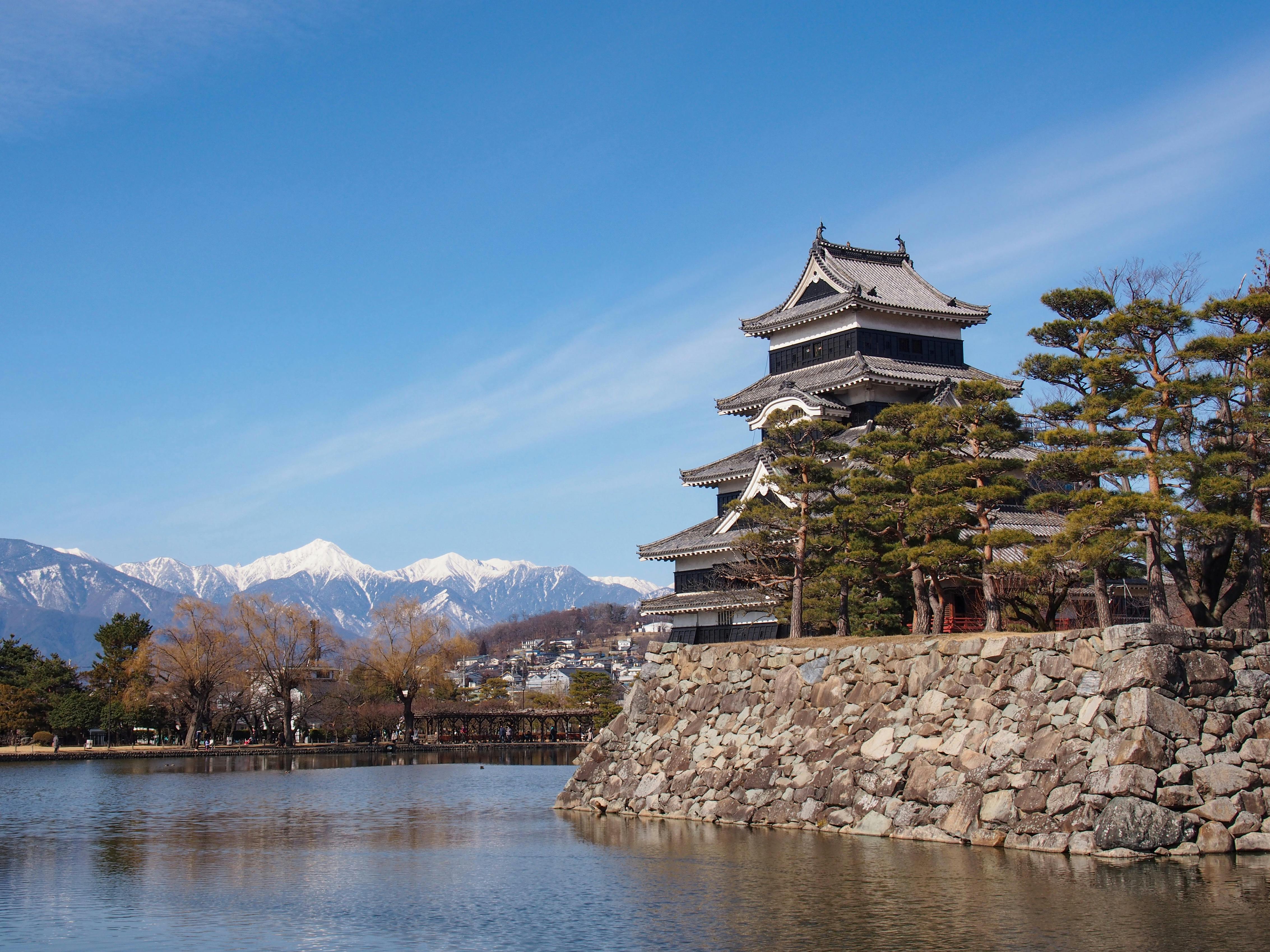
Dawn breaks over the Azusa River valley, painting the jagged ridgeline of the Northern Japan Alps in shades of rose and amber. The air carries the crisp scent of alpine air mingled with pine—sharp, clean, and ancient. At 6:30 AM, before the city stirs fully, you stand at the foot of Matsumoto-jo's five-tiered, six-story main keep, its black lacquered exterior—earned its nickname "Crow Castle"—absorbing the early light. Built between 1592 and 1614 during the tumultuous Sengoku period, this hirajiro (flatland castle) rises just 30.4 meters (100 feet) but feels monumental against the backdrop of peaks reaching 3,190 meters (10,466 feet). No elevator ascends these original wooden stairs, worn smooth by four centuries of footsteps. Here, in Nagano Prefecture's cultural heart, Japan's feudal past doesn't just coexist with wild alpine grandeur—it frames it, stone by stone, peak by peak.
Why Matsumoto Embodies the Soul of Alpine Japan
The Matsumoto Alps—often called the "Japanese Switzerland"—aren't merely a scenic backdrop. They're the region's lifeblood, shaping everything from its architecture to its cuisine. Matsumoto sits in a tectonic bowl carved by the fault lines that thrust these peaks skyward, creating Japan's most dramatic vertical landscape. The city has served as the gateway to the Chubu Sangaku National Park for over a century, ever since English missionary and mountaineer Walter Weston (1861–1940) popularized "Weston's Walk" through these ranges in his 1896 book Mountaineering and Exploration in the Japanese Alps. Today, the Shinpi Trail—a 117-kilometer (73-mile) long-distance path—connects Matsumoto to Takayama across three historic passes, including Tokumoto Pass, which requires a demanding 1,400-meter (4,593-foot) elevation gain . This was the original pilgrim's route before the Kama Tunnel opened. The mountains don't just feed hikers, though—Daio Wasabi Farm, Japan's largest, has thrived since 1915 on mineral-rich spring water flowing directly from the alpine snowmelt, producing the pungent root that defines Shinshu cuisine . The Alps also insulate the city, granting Matsumoto over 300 sunny days annually and some of Japan's clearest views, visible from the Matsumoto City Alps Park observation tower at 800 meters elevation .
The Best Time to Experience the Matsumoto Alps
The Matsumoto region offers distinct seasonal windows, each transforming the landscape entirely. For cherry blossoms with snow-capped peaks, target April 5–April 20, when temperatures average 6.5°C to 17°C (44°F to 63°F) . The castle moat's 300+ Somei-Yoshino cherry trees typically reach full bloom around April 12, with nighttime illuminations from 6:00 PM–9:00 PM. Autumn foliage peaks October 20–November 5, with comfortable temperatures of 9°C–23°C (48°F–73°F) . For alpine hiking in Kamikochi, the valley opens April 17–November 15, with optimal conditions July 1–August 31 (21°C–27°C / 70°F–81°F) . Winter skiers should visit December 20–February 28, when temperatures hover near freezing (0°C–3°C / 32°F–37°F) and nearby resorts like Hakuba receive over 10 meters (33 feet) of annual snowfall. Avoid June entirely—it's the rainiest month, averaging 181mm (7.1 inches) of precipitation and 23 rainy days . For current events and exact bloom forecasts, consult the official tourism site: www.visitmatsumoto.com.
Approximate Budget for a 7-Day Trip
Matsumoto offers excellent value compared to Tokyo or Kyoto. This mid-range budget assumes two travelers sharing accommodations, using public transportation, and eating a mix of casual and sit-down meals. Prices listed in Japanese Yen (¥) as of 2026.
- Accommodation: ¥6,000–¥12,000 per night for a business hotel near Matsumoto Station (e.g., Alpico Plaza Hotel, steps from the terminal) or ¥15,000–¥25,000 for a ryokan with onsen in the suburbs .
- Food: ¥3,500–¥6,000 per day (breakfast ¥500–¥800 for convenience store onigiri and coffee; lunch ¥1,000–¥1,800 for soba or ramen; dinner ¥2,000–¥3,500 for kaiseki or yakiniku). A bowl of Matsumoto's famed soba at Hikariya runs ¥1,500–¥2,800 .
- Transportation: Limited express train from Shinjuku to Matsumoto: ¥6,500–¥7,500 each way (2.5–3 hours) . Round-trip bus from Matsumoto to Kamikochi: ¥4,500 . Local bus to Alps Park: ¥300 each way. City buses and the Town Sneaker loop bus: ¥170–¥200 per ride.
- Attractions: Matsumoto Castle: ¥700 adults, ¥300 children . Japan Ukiyo-e Museum: ¥1,500. Matsumoto City Museum of Art (Yayoi Kusama collection): ¥800. Daio Wasabi Farm: free entry . Alps Dream Coaster at Alps Park: ¥410 adults, ¥200 children . Kamikochi access fee (environmental conservation): ¥1,000.
- Miscellaneous: Shinshu soba gift pack: ¥800–¥1,500. Wasabi-flavored kit kats or ice cream at Daio Farm: ¥350–¥500. Rental bicycle at Hotaka Station: ¥200–¥300 per hour . Onsen day-use fee: ¥800–¥1,200.
Total estimated budget for 7 days (mid-range, excluding international flights): ¥85,000–¥135,000 per person ($565–$900 USD).
7 Essential Matsumoto Alps Experiences
- Awaken at Matsumoto Castle before the crowds: Arrive at 8:00 AM, when the gates open. The wooden interior—preserved since 1635—requires climbing near-vertical staircases with 60-degree angles. At the top, peer through arrow slits called yazama, then exit to the Tsukimi Yagura (Moon Viewing Turret), added in 1635 for peaceful contemplation . Spend 90 minutes here before tour buses arrive at 10:00 AM.
- Hike Kamikochi's sacred valley: From Taisho Pond (formed by the 1915 eruption of Mt. Yakedake), follow the 3.8-kilometer (2.4-mile) path to Kappa Bridge. This gentle 2.5-hour walk passes through forest inhabited by Japanese macaques—watch for their distinctive red faces. Continue another 40 minutes to Myojin Pond, considered the spirit's abode, where a Shinto shrine gate rises directly from turquoise water. Reserve your return bus in advance—slots fill 72 hours ahead .
- Cycle through wasabi fields at Daio Farm: Rent a bicycle at Hotaka Station (¥200/hour) and ride 15 minutes along the Azusa River to Japan's largest wasabi farm. The fields, arranged in hundreds of parallel gravel beds, are fed by 12°C (54°F) spring water from Mt. Hotaka. Try wasabi ice cream (¥450) and wasabi soba (¥1,200) at the farm's restaurant. The bike path continues another 10 minutes to the quirky "Swiss Village" shopping area .
- Ride the Alps Dream Coaster at sunset: Take bus #10 from Matsumoto Bus Terminal to Matsumoto City Alps Park (¥300, 20 minutes). The 630-meter (2,067-foot) concrete roller slide costs just ¥410 and offers unobstructed views of the Northern Alps' entire 3,000-meter (9,842-foot) ridgeline. Visit at 4:30 PM, an hour before closing, when the sun angles directly behind Mt. Jonen .
- Walk the old merchant streets of Nakamachi and Nawate-dori: Nakamachi-dori preserves dozo-zukuri (traditional clay-walled warehouses) from the Edo period, their black and white facades framing Alps views at every eastern intersection. Nearby Nawate-dori ("Frog Street") earned its nickname from the hundreds of ceramic frog statues lining the pedestrian lane—kaeru means both "frog" and "return" in Japanese, making them charms for safe travel. Visit between 10:00 AM and 4:00 PM when shops selling folk crafts and oyaki (stuffed dumplings) are open .
- Experience a ryokan with private onsen: Book a one-night stay at Myojinkan, a 1931-established inn nestled in the Yatsugatake National Park's deep valley. Each tatami-floored room includes a private onsen bath fed directly from the mountain's natural hot springs (43°C/109°F). In summer, harvest vegetables from the inn's organic farm for dinner; in winter, soak while snow falls silently through cedars . Rates from ¥35,000 per person including kaiseki dinner.
- Trace Yayoi Kusama's polka-dot Matsumoto: The avant-garde artist born here in 1929 has left her signature dotted patterns throughout the city. Board the Kusama-decorated bus (route from Station to Museum of Art), then visit the Matsumoto City Museum of Art to see her immersive installations, including the outdoor Dots Obsession sculpture garden. Continue to the former residence of Kusama's family—a traditional seed merchant's building—where childhood hallucinations of dots and nets first began .
3 Hidden Gems Most Travelers Miss
- Utsukushigahara Open Air Museum: Located on a 2,000-meter (6,562-foot) plateau a 45-minute drive from central Matsumoto, this sprawling sculpture park features over 350 modern works against a 360-degree panorama that includes Mt. Fuji on clear days. Most visitors skip it due to the logistics—take the Utsukushigahara Line bus from Matsumoto Bus Terminal (operates July–October only, ¥3,000 round trip). Arrive at 10:00 AM before clouds roll in. Insider tip: bring a wind shell—even in August, the peak averages 12°C (54°F).
- Matsumoto's Candy Culture & the Shinpi Trail's Sweet History: For three centuries, Matsumoto was a post-town on the Nakasendo highway, where travelers crossing the alps craved portable energy. This birthed an extraordinary traditional candy-making culture. Visit Fujiya Confectionery (established 1848) hidden on a Nakamachi side street—the fifth-generation owner still hand-pulls amezaiku (candy sculptures) using heirloom copper pots from 1912. No English signage; just follow the sweet smell. He creates edible cicadas and rabbits daily from 9:00 AM–noon only .
- The Abandoned Kamikochi Road at Tokumoto Pass: Before the Kama Tunnel opened in 1971, travelers reached Kamikochi via a treacherous mountain track crossing Tokumoto Pass at 2,140 meters (7,021 feet). The original route still exists—a 19-kilometer (11.8-mile) overgrown path starting from Shimashima village that gains 1,400 meters (4,593 feet). Today, only experienced hikers with proper gear attempt it (the Shinpi Trail guided tours lead groups here for ¥140,000 for 3 days), but you can hike the first 4 kilometers (2.5 miles) to Nanakura Falls without a guide. Start at 7:00 AM from the abandoned Shimashima Station—the trailhead is marked only by a weathered wooden post .
Cultural & Practical Tips
- Castle etiquette: Remove your shoes before entering Matsumoto Castle's wooden interior—the original cypress flooring from 1614 is easily scratched. Plastic bags are provided to carry your footwear. The stairs are dangerously steep; use the handrails and consider stowing backpacks in the ¥100 lockers outside.
- Essential Japanese phrases: "Sumimasen" (soo-mee-mah-sen) serves as excuse me, thank you, and attention-getter. "Konnichiwa" (kon-nee-chee-wah) is hello. For dining, "Osusume wa nan desu ka?" (oh-soos-koo-meh wah nahn dess kah?) means "What do you recommend?"
- Kamikochi rules: Private cars are completely banned from the valley—all visitors must take the shuttle bus from Sawando. The road opens April 17 and closes November 15 for winter. No drones, no smoking, and no picking flowers. The park enforces a strict "pack it in, pack it out" policy—there are no trash bins anywhere in the valley .
- Photography guidelines: The best light for Matsumoto Castle with Alps backdrop occurs 7:30–8:15 AM in spring and autumn. For Kamikochi's Taisho Pond reflections, arrive by 9:00 AM before wind disturbs the water. Tripods are prohibited inside the castle and in crowded Kamikochi areas during peak season (July–August).
- Transportation cards don't work here: IC cards like Suica and Pasmo—usable throughout Tokyo and Osaka—are not accepted on Matsumoto's local buses or the Kamikochi shuttle. Always carry cash (¥1,000–¥5,000 bills) for bus fares and smaller shops .
- Onsen protocol: Wash thoroughly before entering any hot spring—soap and scrubbing at the seated shower stations is mandatory. Tattoos are traditionally banned in many ryokan baths; Myojinkan allows small tattoos if covered by patches, but public baths like Asama Onsen require full coverage.
- Altitude awareness: Kamikochi sits at 1,500 meters (4,921 feet), and the surrounding passes exceed 2,000 meters (6,562 feet). If arriving directly from Tokyo (near sea level), spend the first night in Matsumoto and hydrate aggressively—altitude headaches affect roughly 25% of visitors who ascend too quickly. Symptoms include fatigue and mild nausea.
Conclusion: Travel with Intention, Not Just Itinerary
The Matsumoto Alps don't perform for you. They stand—ancient, indifferent, and spectacular—demanding nothing except your presence. Too many travelers race through this region, ticking the castle and snapping a single mountain photo before rushing to the next train. But the Alps reveal themselves slowly: in the 45-minute soba kneading at a family shop, where the buckwheat came from a specific slope of Mt. Jonen; in the quiet of a dawn onsen, your skin steaming while snow-girt peaks catch first light; in the rasp of cicadas along a rural cycling path that hasn't changed since 1915. These experiences aren't luxuries—they're the point. Matsumoto has preserved its soul not through museums but through daily life: the castle maintained by volunteers, the trails protected by national trust, the kura warehouses still storing miso and pickles. Travel here to witness that preservation, then carry it home—the understanding that some places matter too much to merely pass through.