Matsushima Bay: Where Pine-Clad Isles Meet Zen Contemplation
Matsushima Bay: Where Pine-Covered Islands Meet Japanese Maritime Heritage
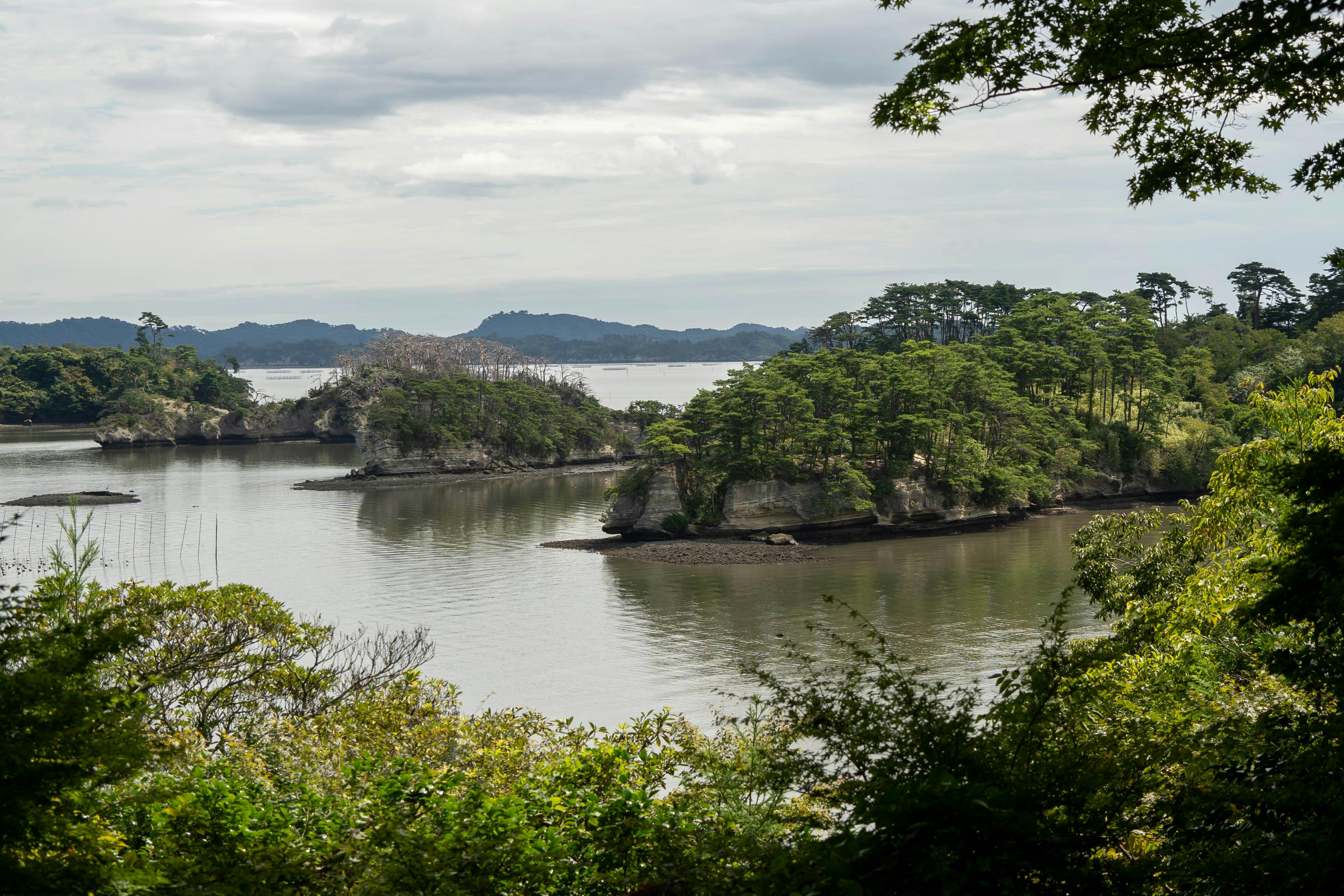
At 8:40 in the morning, I pay ¥1,500 for a sightseeing boat ticket at Matsushima Kaigan and take a seat near the open side of the deck. The salt air is sharp, gulls circle behind the boat, and the first islands appear through a thin veil of mist. Matsushima Bay is famous for its hundreds of small pine-covered islands, but the view is only one part of the experience. Temples, seafood restaurants, old tea houses, walking paths, and quiet inlets give the town its character. The main waterfront is easy to explore on foot, although stairs and uneven paths appear more often than expected. A half-day is enough for the boat cruise and the central temples. A full day feels much better. Start early, especially during spring weekends and autumn holidays. The waterfront becomes crowded after 10:30 a.m., and restaurant queues grow quickly. Matsushima Bay is simple to reach from Sendai, but rushing through it would mean missing its best details.
Why Matsushima Bay Matters
Matsushima Bay has been admired for centuries as one of Japan’s famous scenic views. Its islands are shaped by wind, water, and geological movement, while thick pine trees soften the exposed rock. The bay is not only a place for sightseeing. It has supported fishing communities, religious centres, artists, poets, and local businesses for generations.
The most important cultural site is Zuigan-ji Temple, a former family temple of Date Masamune, the powerful lord who ruled the Sendai area. Its painted rooms, timber buildings, and quiet garden reflect the influence of the Date family. Nearby Entsuin Temple is known for its garden and the mausoleum of Mitsumune, Date Mitsumune’s grandson. The small temple island of Godaido, reached by a short red bridge, has become one of Matsushima’s most recognisable landmarks.
Matsushima also carries the memory of the 2011 earthquake and tsunami. Although the bay’s islands reduced some of the wave’s force, nearby coastal communities suffered serious damage. The town’s recovery is visible in rebuilt facilities, updated waterfront areas, and the continuing importance of local seafood.
The main criticism is practical: central Matsushima can feel crowded and commercial. Some waterfront restaurants charge high prices for ordinary set meals, and the best views are often shared with tour groups. Visit early and compare menus before sitting down.
The Best Time to Experience Matsushima Bay
The most comfortable periods are April 10 to May 20 and October 15 to November 15. Spring daytime temperatures usually range from 13–21°C (55–70°F), while autumn days tend to sit between 14–22°C (57–72°F). These periods offer comfortable walking weather and good visibility across the bay.
Late March to early April can bring cherry blossoms, with temperatures around 8–16°C (46–61°F). Popular temple grounds and waterfront paths become crowded during weekends. Book accommodation early if visiting during blossom season.
June 10 to July 20 is milder, around 19–26°C (66–79°F), but rain and cloud can reduce the clarity of the island views. July 21 to August 31 is warmer, often 26–32°C (79–90°F), with humidity that makes the temple steps tiring.
November 16 to March 15 is quieter. Daytime temperatures usually range from 2–11°C (36–52°F), and winter winds can be strong on the boat. Some cruises operate with reduced schedules during poor weather. For the clearest light and fewer visitors, arrive between 8:00 and 9:30 a.m.
Approximate Budget for a 7-Day Trip to Matsushima Bay
A seven-day trip based in Sendai with one or two nights in Matsushima allows time for the bay, nearby temples, and regional day trips. The estimate below suits one traveler using mid-range accommodation.
- Accommodation: ¥48,000–¥120,000 for six nights in a business hotel, guesthouse, or simple ryokan. Waterfront rooms cost more.
- Food: ¥28,000–¥52,000 for breakfast, sushi, oysters, soba, casual dinners, snacks, and drinks.
- Transport: ¥12,000–¥28,000 for local trains, Sendai subway journeys, buses, and return trips to nearby attractions.
- Attractions: ¥7,000–¥16,000 for a bay cruise, temple admissions, museums, and gardens.
- Miscellaneous: ¥8,000–¥18,000 for lockers, souvenirs, drinks, snacks, and small entrance fees.
Estimated total: ¥103,000–¥234,000 per person, excluding international flights. A careful budget traveler using hostels, supermarket breakfasts, and local trains may spend around ¥75,000–¥110,000.
Waterfront seafood platters are often overpriced, especially when ordered without checking the portion size. A smaller oyster serving, local sushi counter, or market snack usually offers better value. Taxis are also expensive for short distances. The JR Senseki Line from Sendai is cheaper and generally convenient.
Essential Matsushima Bay Experiences
- Take a bay sightseeing cruise: The boat provides views of islands that cannot be reached on foot. Choose an open-deck seat if the weather is comfortable.
- Walk across to Godaido: Cross the short red bridge and visit the small hall on the island. Look down before stepping across the gaps in the bridge.
- Visit Zuigan-ji Temple: Allow at least forty-five minutes for the halls, garden, and rock caves along the approach.
- Explore Entsuin Temple: Its garden, moss, and seasonal displays make it a quieter stop than the main waterfront.
- Eat local oysters: Matsushima is known for oysters, especially during the cooler months. Grilled versions are easy to try from small food stalls.
- See the view from Saigyo Modoshi no Matsu Park: The elevated viewpoint gives a broad look across the bay and is best reached by taxi or car.
- Skip the long cruise if: you suffer badly from motion sickness or strong winds are forecast. The waterfront temples still provide a worthwhile visit.
Hidden Gems Most Travelers Miss
- Tenrinin Temple: A small temple connected with the Date family, often overlooked by visitors following the main waterfront route.
- Oshima Island: A wooded temple island reached by a bridge, with small Buddhist markers and a slower pace than central Matsushima.
- Fukuurajima Island: A garden island connected by a long red bridge, offering open views and quieter walking paths.
- Matsushima Retro Museum: A compact collection of nostalgic household goods and popular culture from twentieth-century Japan.
- Saigyo Modoshi no Matsu Park: The viewpoint is outside the busiest central area and works well for sunrise or late afternoon.
- Local oyster huts: Several casual places serve oysters in simple portions, often at a better price than large waterfront set menus.
- Overrated stop, in my view: The central Godaido viewpoint can be underwhelming at noon when tour groups fill the bridge. Visit early, or spend that time at Oshima instead.
Cultural & Practical Tips for Matsushima Bay
- Wear shoes with a firm sole. Temple paths, bridges, and waterfront stones can become slippery after rain.
- Do not feed birds from the boat. Gulls move close to passengers, and dropped food creates problems for other travelers.
- Check the final train back to Sendai before visiting the outer viewpoints. Evening service is less frequent than daytime service.
- Carry cash for temple stamps, small stalls, lockers, and some older restaurants.
- Do not assume every seafood restaurant offers cheap portions. Read the menu carefully and check whether prices are per person or per plate.
- Keep your voice low inside temple buildings. Several sites remain active religious spaces rather than simple tourist attractions.
- Bring a light jacket even in summer. The boat deck can feel cool when the wind crosses the bay.
Essential Visitor Information for Matsushima Bay
Location & Access: Matsushima Bay is centred around Matsushima Kaigan, Matsushima, Miyagi Prefecture, Japan. Approximate waterfront GPS: 38.3676, 141.0631. From Sendai Station, take the JR Senseki Line to Matsushima-Kaigan Station, about forty minutes, then walk five to ten minutes to the waterfront. You can also take a local bus from Sendai, drive via the Sanriku Expressway, or use a taxi from Matsushima-Kaigan Station. The main temple and waterfront area covers roughly two kilometres.
Tickets & Booking: A standard bay cruise usually costs about ¥1,500–¥2,000 for adults, with reduced prices for children. Zuigan-ji generally costs around ¥700, while Entsuin is usually around ¥300 to ¥500 depending on seasonal displays. Godaido and Oshima are free. Booking is usually not needed for ordinary daytime cruises, but advance purchase is sensible on weekends and public holidays.
Operating Hours: Temple hours commonly run from about 8:30 a.m. to 5:00 p.m. in warmer months and close slightly earlier in winter. Boat services generally operate from around 9:00 a.m. until 4:00 p.m., with schedules changing by season and weather. Individual restaurants and museums keep separate hours.
Visit Duration: The minimum useful visit is three hours for one cruise and the main temple route. A recommended visit is five to seven hours. Staying overnight allows time for the outer viewpoints and a less crowded morning.
Family Suitability: Matsushima works well for children who can manage stairs and uneven paths. Strollers are usable along the waterfront but difficult inside temple grounds and on island paths. Toilets, cafés, convenience stores, and coin lockers are available near the station and main shopping streets.
Timing: Spring blossoms and mid-autumn colour are popular, while winter offers fewer visitors and clearer personal space. Start before 9:30 a.m. for the boat and temples. Avoid the busiest period from late morning to mid-afternoon during weekends.
Highlights: Bay sightseeing cruise, Godaido, Zuigan-ji Temple, Entsuin Temple, and the view from Saigyo Modoshi no Matsu Park.
Nearby & Day Trip: Nearby attractions include Oshima Island, Fukuurajima Island, Matsushima Retro Museum, and the Date Masamune historical sites around central Matsushima. Matsushima is an easy day trip from Sendai, with roughly forty minutes each way by train. Add Yamadera only if you are comfortable with a long day and careful train planning.
Conclusion: Travel with Patience, Not Just Scenic Views
Matsushima Bay is easy to photograph, but its real appeal appears when you slow down. The pine islands, temple gardens, fishing traditions, and local food all form part of the same coastal story. The town can be crowded, some meals cost more than expected, and the best viewpoints may require extra walking. Plan around those limits rather than fighting them. Take the first practical boat, visit the temples before lunch, then spend the afternoon on a quieter island or viewpoint. Carry water and cash, and leave enough time to enjoy the bay without checking the clock every few minutes.
Post a Comment