Yokote Kamakura Festival: Where Snow Shrines Meet Candlelight Prayer
Yokote Kamakura Festival: Where Snow Houses Meet Akita Folklore
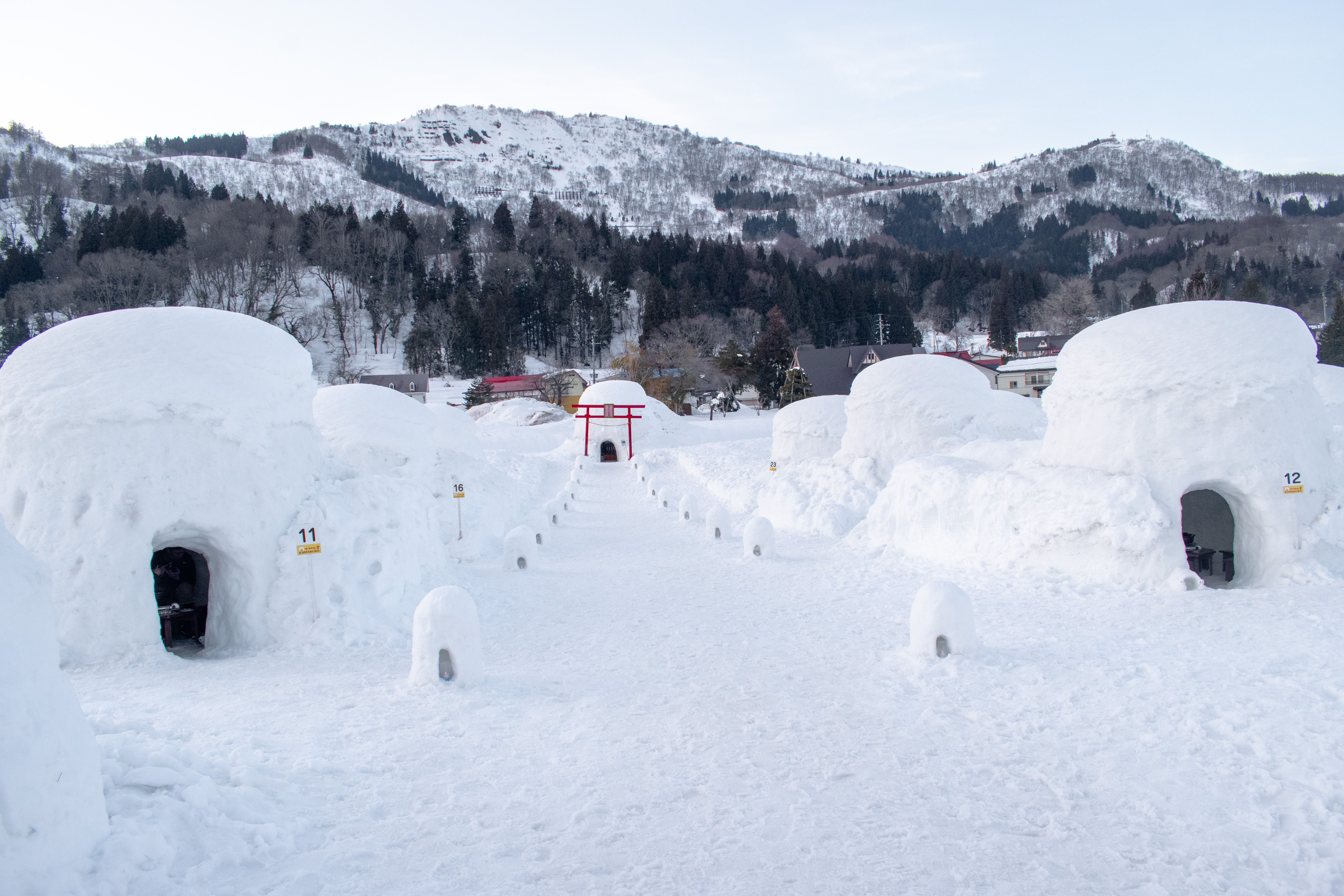
At 6:30 p.m. on February 15, I pay ¥100 for a small cup of amazake before stepping toward the first kamakura snow house. The drink is warm, lightly sweet, and exactly what cold fingers need. Inside the hut, a child offers rice cakes and says, “O-bamu,” a local greeting inviting visitors to eat and pray. Yokote Kamakura Festival is not a parade in the usual sense. It is a winter ritual spread across Yokote in Akita Prefecture, with glowing snow huts, quiet shrine visits, and neighborhood displays that feel more personal than staged. The main areas become busy after dinner, especially around Yokote Castle and Yokote Minami Elementary School, but the festival remains easy to enjoy if you arrive before sunset and wear proper winter clothing. Snow can reach well above your boots, paths may turn icy, and some sites require a short walk from shuttle stops. Come for the glowing huts, but stay for the local customs, handmade food, and the chance to see a side of Japan that winter travelers often miss.
Why Yokote Kamakura Festival Matters
Yokote Kamakura Festival dates back more than four centuries and is held each year on February 15 and 16. Its central symbol is the kamakura, a small snow hut with a hollowed interior, an altar, candles, and offerings for the water deity. Traditionally, people prayed for clean water, good harvests, family health, and protection from fire. The festival also has links to coming-of-age customs, with local children playing an active role in welcoming guests.
The huts are built from packed snow, sometimes reaching around two meters high. Their rounded entrances make them look simple from outside, yet the inside can feel surprisingly warm when a candle is burning and several people are seated around the altar. At night, Yokote’s streets take on a gentle rhythm: visitors walk between displays, stop for rice cakes, and warm themselves with amazake or other local treats.
The event matters because it is still connected to community life rather than being only a tourist display. Residents help build, decorate, and host the huts. That said, the festival is not effortless to visit. Deep snow, limited English signage, and crowded shuttle buses can frustrate travelers. Some visitors also expect a large central event, but Yokote Kamakura Festival is spread across several locations, so planning your route makes a big difference.
The Best Time to Experience Yokote Kamakura Festival
The festival takes place on February 15 and 16 each year. For the most atmospheric visit, arrive between 5:00 p.m. and 8:00 p.m., when candles are lit and the snow huts glow against the dark. Daytime temperatures usually sit around -2 to 3°C (28 to 37°F), while evening temperatures can fall to -7 to -1°C (19 to 30°F).
Plan to arrive in Yokote by February 14 if possible. This gives you time to learn the layout, buy warm clothing, and avoid checking into a hotel during the busiest hours. February 15 often feels livelier, while February 16 may be slightly easier for walking, depending on the weekend and local event schedule.
Snow conditions vary from year to year, but the festival is designed for winter weather. Wear waterproof boots with strong grip, thermal socks, gloves, and a coat that covers your hips. Thin fashion shoes are a poor choice. The cold becomes noticeable quickly when you stand still waiting for a shuttle or taking photographs.
Approximate Budget for a 7-Day Trip to Yokote
This estimate suits one traveler spending seven days in northern Japan, with Yokote as the main base and a few nearby excursions. It excludes international flights.
- Accommodation: ¥42,000–¥84,000 for six nights in a business hotel, guesthouse, or simple ryokan.
- Food: ¥28,000–¥49,000 for breakfasts, casual lunches, dinners, snacks, and festival food.
- Transport: ¥20,000–¥42,000 for trains, local buses, festival shuttles, and one or two taxis. A regional rail pass may help if you visit Akita or Kakunodate.
- Attractions: ¥3,000–¥8,000 for museums, Yokote Castle, cultural sites, and small activities.
- Miscellaneous: ¥8,000–¥15,000 for lockers, laundry, hot drinks, shoe care, and souvenirs.
Estimated 7-day total: ¥101,000–¥198,000. Hotel prices can become overpriced around February 15 and 16, especially when rooms are limited. Staying one or two train stops away, such as in Omagari, may reduce the cost. Taxis are also expensive for short winter journeys, so use the festival shuttle whenever it is running.
Essential Yokote Kamakura Festival Experiences
- Enter a traditional kamakura: Sit briefly inside, make an offering, and accept the customary rice cake or amazake when offered. Keep the visit respectful and short if others are waiting.
- Walk through Yokote Minami Elementary School: This is one of the best-known festival areas, with many small snow huts and a family-friendly atmosphere.
- Visit Yokote Castle: The castle offers a high viewpoint over the snowy city, although visibility depends on weather and the evening schedule.
- See the small kamakura displays: Rows of miniature snow huts line parts of the city and create excellent low-level photographs after dark.
- Try local winter food: Look for grilled rice cakes, warm amazake, noodles, and regional dishes served near the festival areas.
- Visit the Yokote Masuda Manga Museum: It provides a warm indoor break and introduces an important part of Akita’s modern popular culture.
Skip Yokote Castle if heavy snow, poor visibility, or icy paths make the climb uncomfortable. The festival’s main snow huts offer a better experience than forcing a viewpoint in unsafe conditions.
Hidden Gems Most Travelers Miss
- Furusato Village: A collection of traditional buildings and local displays on the edge of Yokote, useful for understanding the region beyond the festival.
- Masuda traditional merchant houses: Historic homes in the Masuda district reveal how wealthy local families once lived and worked.
- Yokote Station east-side lanes: Small restaurants and older storefronts provide a quieter evening meal away from festival crowds.
- Akita Furusato-mura craft areas: Indoor workshops and regional exhibits are practical when the weather becomes too harsh for walking.
- Omonogawa riverside scenery: Snow-covered banks and bridges offer a calm morning walk, though paths may not always be cleared.
- The largest central snow huts: They are famous and worth seeing once, but can feel overrated when packed with tour groups. Smaller neighborhood displays often feel more genuine.
Cultural and Practical Tips for Yokote Kamakura Festival
- Say “O-bamu” when entering a hut if you feel comfortable doing so. It is a traditional invitation connected with the festival’s hospitality.
- Remove wet gloves or bulky outer layers carefully inside the hut. The interior is small, and candles sit near the altar.
- Tourist mistake: treating the snow huts as photo props only. Make a small offering, accept food politely, and allow local hosts to guide the interaction.
- Tourist mistake: wearing smooth-soled sneakers. Ice and packed snow can be slippery, especially near entrances and bridges.
- Carry cash in small denominations. Small food stalls and neighborhood displays may not accept cards.
- Do not block hut entrances while taking photographs. The main sites can become crowded very quickly after sunset.
- Keep your phone battery warm inside an inner pocket. Cold temperatures can drain it before the evening is over.
Essential Visitor Information for Yokote Kamakura Festival
Location & Access: The festival is held across Yokote, Akita Prefecture, with major areas around Yokote Minami Elementary School, Yokote Castle, and the Yokote Fureai Center. The main Yokote Minami Elementary School area is approximately 1.5 kilometers from Yokote Station. Approximate coordinates for central Yokote are 39.3107, 140.5503. Take the Akita Shinkansen to Omagari and transfer to the JR Ou Main Line for Yokote. You can also use a highway bus from Akita or Morioka, or rent a car if you are comfortable driving on snow. Festival shuttle buses usually connect major sites during the event.
Tickets & Booking: Entry to the outdoor festival areas is generally free, and booking is not needed. Donations may be welcomed at some snow huts. Yokote Castle, museums, special meals, and private winter activities may charge separate fees, usually from ¥300 to ¥1,000. Accommodation should be booked several weeks or months ahead for the festival dates.
Operating Hours: Festival activities generally run from late afternoon into the evening on February 15 and 16, with many displays active around 5:00 p.m. to 9:00 p.m. Exact hours can vary by venue and weather. Daytime access to the outdoor areas is possible, but the candles and main hospitality traditions are most noticeable after dark.
Visit Duration: The minimum useful visit is two hours. Allow three to four hours to see several sites, enter a snow hut, eat, and manage shuttle connections. A full day is worthwhile if you add Yokote Castle, local museums, or the Masuda district.
Family Suitability: Children usually enjoy the huts, snow, and warm snacks, but very young children need close supervision around candles and icy paths. Stroller use is difficult in deep snow and crowded areas. Baby carriers are more practical. Restrooms, food stalls, indoor warming spaces, and convenience stores are available near the larger venues.
Timing: Visit after sunset for the strongest atmosphere, ideally between 5:30 p.m. and 7:30 p.m. February 15 and 16 are the only full festival dates. Arrive before the evening rush if you want easier photographs and shorter waits.
Highlights: Yokote Minami Elementary School, Yokote Castle, the small kamakura displays, traditional snow huts, and local food stalls are the main sights.
Nearby & Day Trip: Masuda’s historic merchant houses, the Yokote Masuda Manga Museum, Akita Furusato-mura, and Omagari are practical nearby additions. A day trip from Akita City is possible by train, but returning late can be inconvenient. Staying overnight in Yokote gives you far more time and avoids a rushed winter journey.
Conclusion: Travel with Respect, Not Just Snow Photos
Yokote Kamakura Festival offers more than glowing snow houses for a camera roll. Its appeal comes from the people who build the huts, welcome visitors, and continue customs shaped by water, farming, family, and winter survival. The cold is real, and the festival can be crowded, but those limits are part of planning the trip well. Arrive early, carry cash, wear serious winter footwear, and give yourself enough time to visit more than one neighborhood. Stay overnight if you can. Would you rather rush through the main displays, or spend a full evening discovering how Yokote celebrates winter?
Post a Comment