Yi Peng Lantern Festival Where Floating Light Meets Ancient Tradition
Yi Peng Lantern Festival Where Floating Light Meets Ancient Tradition
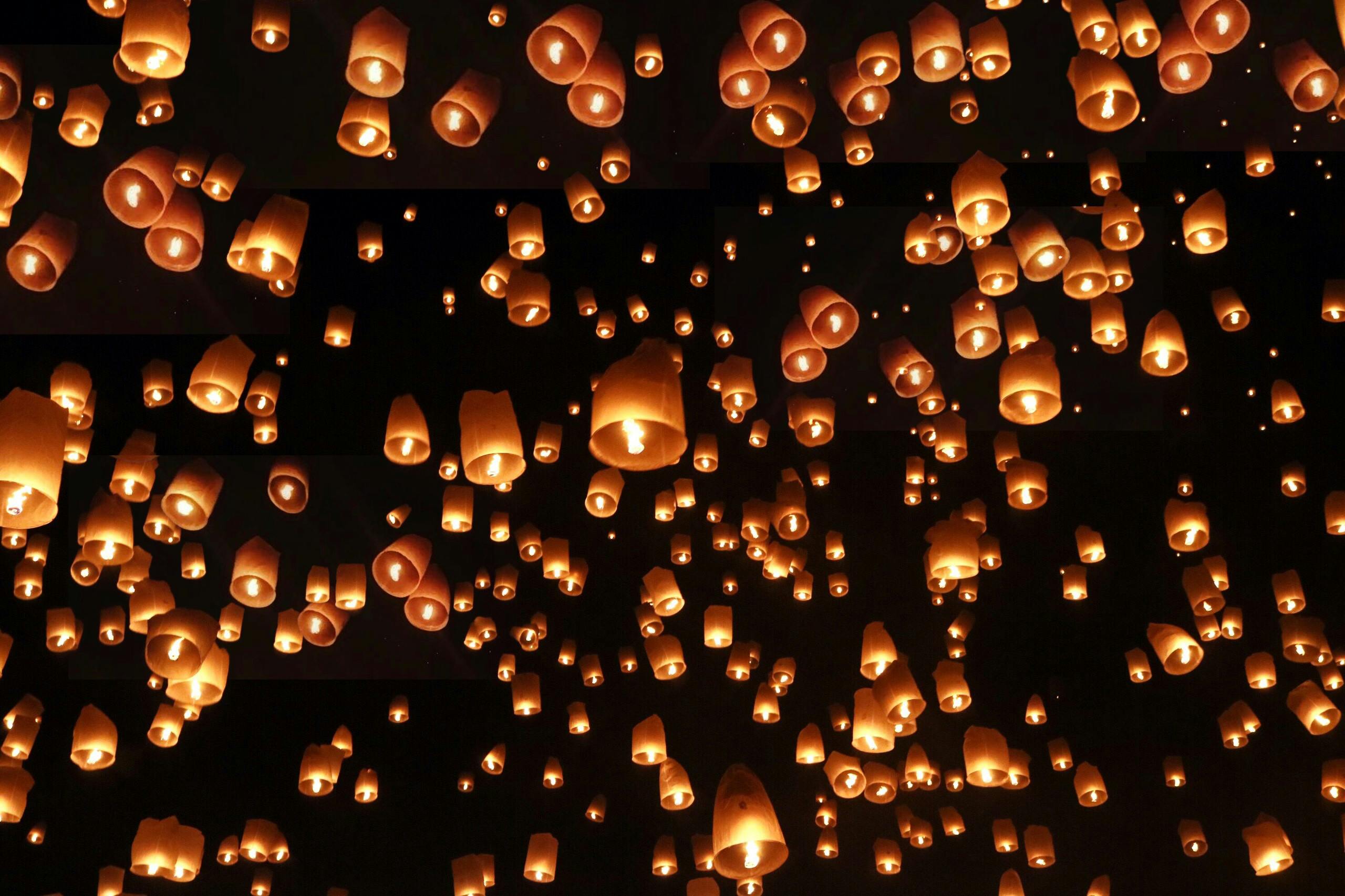
I stand in an open field outside Chiang Mai at 7:00 PM. The ticket cost 3,500 THB. Volunteers hand me a paper lantern and a small fuel cell. Flames flicker across the gathering. At a signal, hundreds lift their lanterns together. They rise slow at first, then catch the breeze and drift upward. The sky fills with warm gold against deep dark blue. This happens on the full moon of the twelfth lunar month—usually November. Yi Peng belongs to the Lanna people. It shares timing with Loy Krathong, but lanterns rise rather than float on water. The tradition honors the Buddha and releases accumulated misfortune. Watching the sky empty feels like watching burdens drift away too.
Why Yi Peng Lantern Festival Matters
This is the most distinctive surviving celebration of northern Thai Lanna culture. It dates back centuries, rooted in beliefs about light overcoming darkness and renewal. Monks lead ceremonies alongside community elders. The event draws visitors from every continent, which brings real strain. Commercialization has changed the experience. Ticket prices have risen sharply. Crowds stretch limited transport and accommodation. Some mass events feel staged rather than authentically shared. And despite organizers' best efforts, lantern debris occasionally lands in fields or forest. The magic comes with genuine environmental cleanup challenges.
The Best Time to Experience Yi Peng Lantern Festival
The main lantern releases fall in November. Exact dates shift with the lunar calendar—typically mid-November to late November. Evening temperatures sit between 20°C and 26°C (68°F–79°F). Humidity stays lower than in rainy season. Arrive one week before the full moon. Smaller local events happen in the days leading up; they feel quieter and cost far less. The main mass release takes place on the peak night. Clear skies are common but not guaranteed—mist can hide lanterns once they climb high. Weekday events sell out less rapidly than weekend ones. Always confirm dates directly; no two years fall exactly the same.
Approximate Budget for a 7-Day Trip
Figures are per person in Thai Baht and approximate USD.
- Accommodation: Mid-range hotel Chiang Mai — 1,800 THB ($50) per night × 6 nights = 10,800 THB ($300)
- Food & Drink: Festival snacks, local meals, street food — 650 THB ($18) daily × 7 days = 4,550 THB ($127)
- Transport: Airport transfers, event shuttles, local travel — 400 THB ($11) daily × 7 days = 2,800 THB ($78)
- Festival Tickets: Main release event — 3,500 THB ($98) average
- Miscellaneous: Water, donations, keepsakes, unexpected costs — 1,000 THB ($28)
Total: ~22,650 THB ($633) for one person. Skip the overpriced "VIP front-row" packages sold online. They charge 6,000–10,000 THB for essentially the same view with slightly closer seating. Also avoid street vendors selling loose lanterns right near event venues; they are often banned and debris can lead to fines. Buy only through authorized event organizers.
Essential Yi Peng Lantern Festival Experiences
- Official mass lantern release — Synchronized lighting and launching creates the signature sky. Follow instructions carefully; timing matters. Skip buying from unlicensed sellers; their events may be cancelled or unsafe.
- Monk blessing ceremony — Many venues hold prayers and chants before lighting begins. The words and rhythm carry deep meaning even if you do not understand every phrase. Sit quietly and respect the space.
- Local community event — Smaller gatherings in Mae Jo or outlying districts feel less produced. Families participate alongside visitors. Lanterns cost less and interaction feels genuine.
- Procession and cultural show — Traditional dance, music, and candlelit parades happen across the city. These events do not always make international headlines but show the full richness of Lanna heritage.
- River krathong offering — Yi Peng overlaps with Loy Krathong. Floating decorated baskets on the water completes the cycle—light rises, water flows. Both traditions belong together.
- Watch from a distance — Not everyone launches. Hillside viewpoints let you see hundreds of lanterns rise together without the crowd pressure. This costs nothing and feels deeply peaceful.
Hidden Gems Most Travelers Miss
- Wat Phan Tao evening ceremony. The old teak temple holds a quiet lantern event with fewer than 100 participants. It feels intimate and deeply traditional.
- Community fields near San Kamphaeng. Local families launch lanterns together on the same nights. No tickets, no barriers. Just light and conversation.
- Early morning alms-giving after the festival. The city feels quiet again. Monks carry lantern remnants as reminders of impermanence. It grounds the celebration beautifully.
- The main international event is always crowded and often overrated. Smaller village gatherings deliver the same experience with far less noise and pressure.
Cultural & Practical Tips
- Ignore anyone claiming to sell "guaranteed front-row" passes outside official channels. Scams surge during festival season. Buy only from verified organizers.
- Dress respectfully. Cover shoulders and knees at ceremonies. Avoid overly casual clothing; this remains a spiritual occasion for many.
- Follow launch rules exactly. Do not light lanterns in restricted zones. Wind can carry them unpredictably; fires have started in the past.
- Carry everything out. Organizers clean fields but you should leave nothing behind. Respect the land where you gather.
- Book accommodation months ahead. Prices double and places sell out fast. Lock dates as soon as they are confirmed.
- Be patient. Lines form, traffic slows, waits happen. The event is worth it but rushing ruins the feeling.
- Let go gently. The tradition says release worries with the lantern. Do not grasp them back. This moment belongs to the sky.
Essential Visitor Information
Location & Access: Main venues near Mae Jo University and San Sai — 15–25 km northeast of Chiang Mai. Three options: official event shuttle from city center; private taxi or pre-booked transfer; rental vehicle — arrive early as roads close partially.
Tickets & Booking: Official events 2,500–4,000 THB adult. Community events 300–800 THB. Book 2–4 months ahead; popular options sell out immediately.
Operating Hours: Evening events typically 5:00 PM–10:00 PM. Lighting moments fall between 7:30 PM and 9:00 PM depending on moon phase.
Visit Duration: Minimum 3–4 hours on-site. Recommended full evening including pre-event ceremonies.
Family Suitability: Children welcome. Venues are mostly open fields; stroller access varies. Restrooms at official sites.
Timing: Best season: November. Best time of night: arrive 6:00 PM, stay through final release.
Highlights: Mass lantern release, monk blessing ceremonies, local community events, river krathong offerings, hillside viewpoints.
Nearby & Day Trip: Chiang Mai Old City — 30 minutes; Doi Suthep — 45 minutes; Night Bazaar — 30 minutes; Elephant Nature Park — 1 hour. Combine daytime sights with evening festival light.
Conclusion: Travel with Release, Not Just Gaze
Yi Peng looks like light filling the sky. It is also about letting go. For centuries people have sent their hopes and burdens upward together. The lanterns drift out of sight. You cannot call them back. Some will land far away. What matters most is the moment they rise. What will you release when you light yours?
Post a Comment