
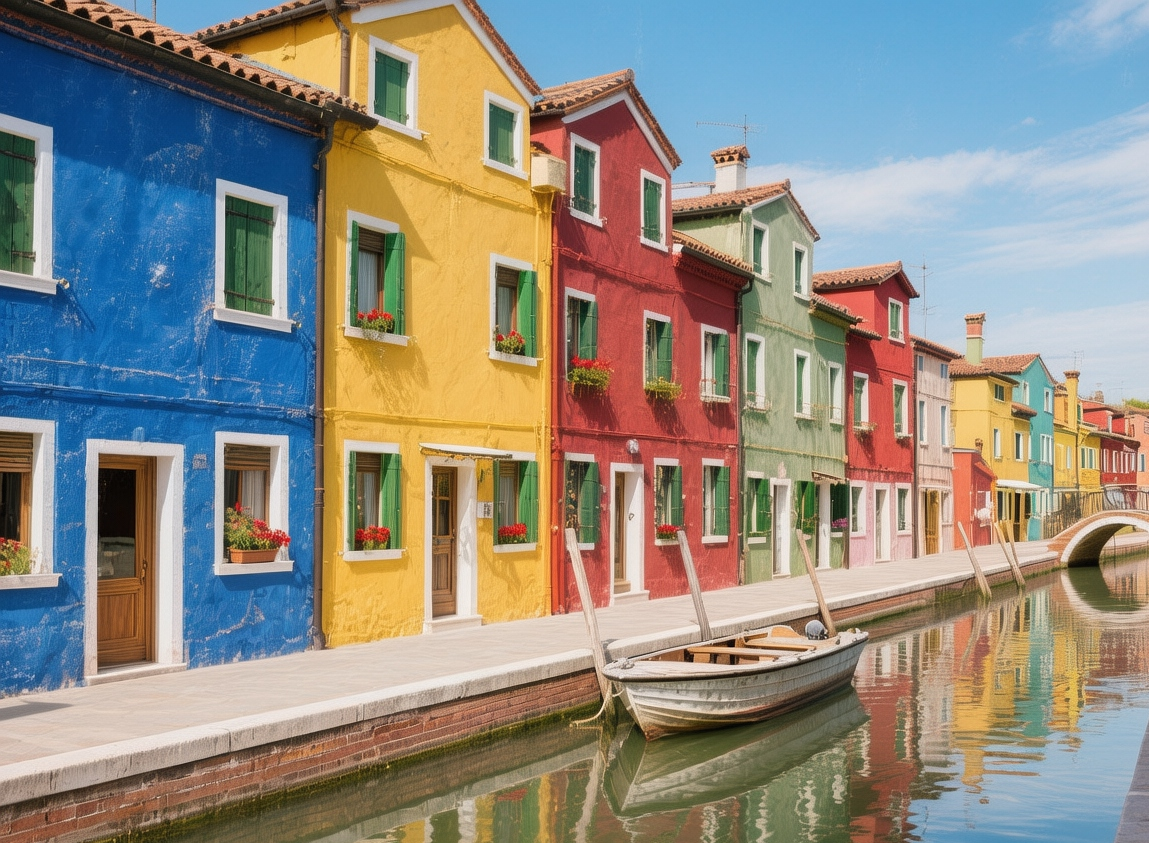
Burano Island Color Meets Craft in the Venetian Lagoon
The first light of dawn spills over the lagoon, gilding the canals of Burano in a soft, pearlescent glow. Pastel-hued houses—painted in tangerine, cobalt, buttercup, and rose—line the waterways, their reflections shimmering in the still morning water. A fisherman hauls his net onto a weathered dock, while laundry flutters from wrought-iron balconies like festive bunting. The air is crisp and salt-kissed, carrying the faint hum of a motorboat and the distant chime of the leaning bell tower. This is not a painted backdrop, but a living community where color is both tradition and necessity. In 2026, as overtourism strains Venice’s fragile ecosystem, Burano offers a vibrant yet vulnerable glimpse into a centuries-old way of life—one that demands mindful engagement, not just admiration.
Why Burano Island Embodies Artisanal Identity
Burano’s iconic palette is more than aesthetic—it’s a legacy of maritime practicality. Legend holds that fishermen painted their homes in bright colors so they could identify them through the lagoon’s frequent fog. By the 16th century, the practice became codified: residents must request permission from the local government to repaint, and new hues must harmonize with neighboring houses. Beyond its chromatic charm, Burano is renowned for its lacemaking tradition, dating back to the 16th century when Venetian noblewomen prized its intricate needlework. The School of Lace (Scuola del Merletto), founded in 1872, revived the craft in the 19th century and now houses a museum showcasing exquisite pieces. With fewer than 3,000 residents, the island balances its dual identity as a working fishing village and a cultural landmark—a delicate equilibrium increasingly tested by day-trippers.
The Best Time to Visit Burano Island
To experience Burano with fewer crowds and optimal light for photography, visit between April 15 and May 20, 2026. During this window, daytime temperatures average 16–20°C (61–68°F), and the lagoon is often calm and clear. The ideal time is 7:30–9:00 AM, when the streets are quiet, the light is soft and golden, and you can capture the colorful houses without the glare of midday sun or the press of tour groups. Avoid weekends and holidays, when ferry arrivals create bottlenecks on narrow streets. Note that high water (acqua alta) is rare here, but strong bora winds in late autumn can delay ferry service.
Approximate 7-Day Budget for Venice & Islands
Based on mid-range travel standards and a projected 4% annual inflation from 2025 Italian tourism
- Accommodation: €140–€190 per night in a 3-star hotel or guesthouse in Venice’s Cannaregio district, with easy access to ferry terminals. (Overnight stays on Burano are limited and costly; most visitors day-trip.)
- Food: €60 per day. Breakfast (€8): espresso and brioche at a Venetian bar. Lunch (€25): seafood risotto or fried mozzarella at a Burano trattoria like Trattoria al Gatto Nero. Dinner (€27): cicchetti and wine back in Venice.
- Local Transport: €22 for a 7-day ACTV pass (includes unlimited vaporetto rides). The ferry to Burano (Line 12) departs from Fondamente Nove and takes 45 minutes (€9.50 round-trip if not using the pass).
- Attractions: Lace Museum (Scuola del Merletto): €6. Guided walking tour of the island: €15. Optional lace-making workshop: €30.
- Miscellaneous: €70 for souvenirs (e.g., authentic hand-stitched lace, Murano glass), gelato, and small donations at the island’s historic church.
Total Estimated Cost: €1,200–€1,500 for one person for 7 days.
5 Essential Burano Island Experiences
- Walk the Canal Circuit at Dawn: Stroll the perimeter path around the island’s main canals to see every hue in the soft morning light, with laundry-draped balconies and fishing boats bobbing gently.
- Visit the Lace Museum (Scuola del Merletto): Housed in a 19th-century school, this museum displays historic lace patterns and tools, honoring a craft once favored by European royalty.
- Admire the Leaning Bell Tower: The campanile of San Martino Church tilts noticeably—more than the Tower of Pisa—due to unstable foundations. It’s a beloved local landmark and perfect photo subject.
- Dine at a Family-Run Trattoria: Enjoy fresh lagoon seafood at places like Trattoria da Romano or Al Gatto Nero, where recipes have been passed down for generations.
- Shop for Authentic Lace: Seek out workshops with “Merletto Autentico” signs. True Burano lace is hand-stitched; machine-made imitations are common in tourist stalls.
3 Hidden Gems Most Travelers Miss
- Via e Fondamenta Baldassarre Galuppi: The island’s main street is colorful, but step onto quieter side lanes like Calle del Forno or Rio della Giudecca for unfiltered local life and better photo angles.
- Oratorio di Santa Barbara: A small, often-overlooked chapel near the cemetery, featuring frescoes and a peaceful courtyard—rarely visited by tourists.
- Burano’s Northern Docks: Walk past the tourist zone to the working docks where fishermen mend nets and unload catch. It’s a raw, authentic counterpoint to the postcard-perfect center.
Cultural & Practical Tips
- Respect private property: Many colorful houses are private homes. Avoid climbing walls or entering courtyards for photos. Ask permission before photographing residents.
- Carry cash: Small lace shops and family restaurants often don’t accept cards. Euros in small denominations are essential.
- Learn basic Italian phrases: “Buongiorno” (good morning), “Grazie” (thank you), and “Posso fare una foto?” (may I take a photo?) show respect and open doors.
- Avoid plastic waste: There are few public bins on the island. Carry a reusable water bottle and dispose of trash back in Venice.
- Time your ferry wisely: The last return ferry to Venice departs around 8:00 PM. Check the ACTV schedule in advance to avoid being stranded.
Travel with Intention, Not Just Cameras
In 2026, Burano is more than a rainbow-hued backdrop—it is a resilient community navigating the pressures of global attention. By visiting with intention—supporting authentic artisans, dining at family tables, and respecting residential spaces—you help sustain its cultural fabric. Choose a hand-stitched lace bookmark over a mass-produced trinket; linger over a meal instead of rushing to the next photo op. Your mindful presence affirms that Burano’s value lies not in its colors alone, but in the hands that paint, stitch, and fish here every day. Let your journey be a tribute to craftsmanship, not just consumption.