
Córdoba Jewish Quarter Whitewashed Walls Meet Medieval History
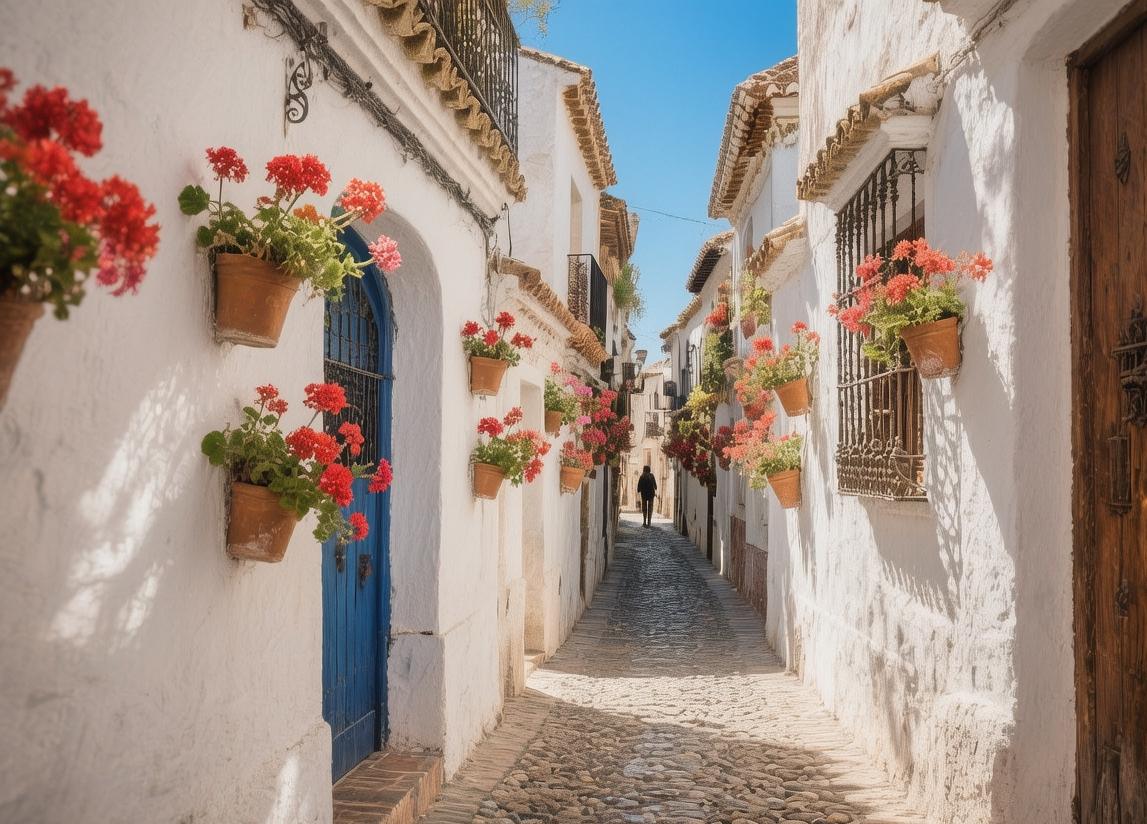
The morning light spills into the narrow alleyways of the Córdoba Jewish Quarter, illuminating geraniums that spill from wrought-iron balconies 3 meters above the cobblestones. You walk on stones worn smooth by eight centuries of footsteps, the air thick with the scent of jasmine and fried fish drifting from hidden courtyards. The streets are so narrow—some barely 2 meters wide—that shadows persist even at noon, offering refuge from the Andalusian sun. This is the Judería, a labyrinthine neighborhood bounded by the Mosque-Cathedral and the Alcázar, where Jewish, Christian, and Muslim cultures coexisted during the Convivencia era before the expulsion of 1492. You hear the distant bell of the Cathedral mixing with the silence of the Synagogue; the clatter of plates from a taberna; the whisper of tourists tracing the walls. In 2026, as historic districts face gentrification, the Córdoba Jewish Quarter remains a sanctuary of memory—a place where history is not displayed behind glass but lived in every white wall and flower pot.
Why Córdoba Jewish Quarter Embodies Cultural Convivencia
The Córdoba Jewish Quarter represents one of the best-preserved medieval Jewish neighborhoods in Europe, embodying the complex history of religious coexistence known as Convivencia. Established during the Islamic Caliphate of Córdoba in the 10th century, the quarter flourished as a center of learning and trade until the Christian Reconquista in 1236. The neighborhood solves a unique urban need: how to maintain high-density housing while ensuring privacy and climate control in a hot southern climate. The solution lies in the architecture—whitewashed walls reflect sunlight, while interior patios (patios cordobeses) provide cooling ventilation through evaporative processes.
Historical records indicate that by 1350, the Jewish population in Córdoba numbered around 3,000 families, occupying approximately 40 hectares within the city walls. The streets follow an irregular Islamic urban plan, designed to confuse invaders and maximize shade. Materials include local limestone, brick, and wood, with decorative elements featuring Mudéjar plasterwork. The Synagogue, built in 1315, is one of only three remaining medieval synagogues in Spain, showcasing the artistic sophistication of the community before the 1492 expulsion ordered by the Catholic Monarchs. This layering of cultures makes the Córdoba Jewish Quarter not merely a tourist attraction but a physical document of a lost pluralistic society.
The Best Time to Experience Córdoba Jewish Quarter
For the optimal Córdoba Jewish Quarter visit, target March 15–May 10 or October 5–November 20, when temperatures range between 16–26°C (61–79°F) and the patios are filled with blooming geraniums and jasmine. The narrow streets are best explored between 8:00–9:30 AM when the light is soft and crowds are minimal. Evening visits between 7:00–9:00 PM offer cooler temperatures and atmospheric lighting, though some shops close for siesta between 2:00–5:00 PM. Spring coincides with the Patio Festival, causing accommodation prices to increase 50–70%; book lodging four months in advance if visiting during this period.
Avoid July 10–August 25 unless you tolerate extreme heat; temperatures regularly exceed 40°C (104°F), making the stone surfaces radiate intense thermal energy. The narrow alleys trap heat, creating an oven-like effect despite the shade. Winter months (December–February) bring mild weather (8–16°C / 46–61°F) but occasional rain can make the cobblestones slippery. The Synagogue closes on Mondays; verify current hours at www.turismodecordoba.org or contact the tourist office at info@turismodecordoba.org (+34 957 499 900). Weekday mornings typically see fewer tour groups compared to weekends, allowing for clearer photography of the architectural details.
Approximate Budget for a 7-Day Trip
Córdoba is generally more affordable than Seville or Madrid, though prices rise during the Patio Festival and Holy Week. The following budget assumes mid-range comfort with cultural immersion, based on 2026 pricing with approximately 3.5% inflation from 2025 figures. Costs reflect a focus on historic center accommodation near the Córdoba Jewish Quarter.
- Accommodation: €60–€110 per night for a double room in a casa de huéspedes or three-star hotel in Centro or Judería neighborhoods; luxury paradores near the monument command €150–€250 per night
- Food: €35–€55 per day—breakfast €4–€7 (café con leche and torrija), lunch €12–€20 (menú del día including salmorejo, flamenquín, and wine), dinner €18–€28 (tapas selection including berenjenas con miel and rabo de toro)
- Transportation: Train from Seville Santa Justa to Córdoba Central: €20–€35 high-speed AVE (45 minutes); local bus 1, 2, or 3: €1.35 per ride or €4 daily pass; taxi from station: €10 fixed rate; bike rental: €12 per day
- Attractions: Synagogue entry: €3.50; Mosque-Cathedral: €13; Alcázar de los Reyes Cristianos: €10.50; Zoco Municipal: free; Palacio de Viana: €10
- Miscellaneous: Ceramic souvenirs from €8; local Montilla-Moriles wine €7–€18 per bottle; horchata drink €2.50; artisan leather goods €25–€60; guided historical tour €15
Total estimated cost for 7 days: €850–€1,250 per person (based on double occupancy; solo travelers should add 35–45% for single supplements)
7 Essential Córdoba Jewish Quarter Experiences
- Walk the Calle de las Flores: Stroll down this iconic narrow street that frames a view of the Mosque-Cathedral bell tower. The walls are covered in flower pots creating a tunnel of color. Visit at 10:00 AM when the sun illuminates the blooms without casting harsh shadows. The street is only 1.5 meters wide; step aside to let locals pass. It is the most photographed spot in the Córdoba Jewish Quarter; arrive early to avoid crowds in your shot. The scent of jasmine is intense in spring.
- Visit the Medieval Synagogue: Enter the only remaining medieval synagogue in Andalusia, built in 1315. The interior features intricate Mudéjar plasterwork with Hebrew inscriptions and geometric patterns. Visit at 11:00 AM when the guide explains the Kufic influences on the decoration. The space is small, measuring only 12 meters by 7 meters, but rich in history. Audio guides available in six languages for €2. Allow 30 minutes to appreciate the details. This is a rare survivor of the pre-1492 Jewish community.
- Explore the Zoco Municipal: Wander through this traditional crafts market housed in a 17th-century building. Artisans demonstrate leatherwork, ceramics, and jewelry making in open workshops. Visit between 10:00 AM–1:00 PM when craftsmen are active. Prices are fixed but quality is high; look for the Denominación de Origen seal on ceramics. The courtyard features a central fountain and orange trees. Entry is free; open Tuesday–Sunday 10:00 AM–8:00 PM. This supports local economy directly.
- Dine in a Traditional Taberna: Eat at a family-run tavern tucked into a corner alleyway. Order salmorejo (cold tomato soup) and flamenquín (breaded pork loin). The interiors often feature wine barrels and ham legs hanging from the ceiling. Visit at 2:00 PM for lunch or 9:00 PM for dinner. Expect to stand at the bar for cheaper prices; table service costs 15% more. The atmosphere is noisy and authentic. Try Taberna Salinas near Plaza de la Corredera for historic ambiance.
- Discover Hidden Patios: Peek into the open doorways of private homes during the Patio Festival in May, or visit public patios year-round. The Patio de los Naranjos near the Synagogue is accessible without a ticket. Look for the central fountain and tiled walls. The temperature inside is 5–8°C cooler than the street. Visit midday when the heat is strongest to appreciate the cooling engineering. These spaces reveal the domestic heart of Cordoban life.
- Climb the Calahorra Tower: Ascend this fortified gate at the end of the Roman Bridge for views over the Judería. The museum inside explains the history of the three cultures. Entry: €4.50; open Tuesday–Saturday 10:00 AM–6:00 PM. The view reveals the dense white cluster of the Jewish Quarter against the green riverbank. Visit late afternoon when the sun sets behind the Mosque-Cathedral. The walk across the bridge is 250 meters; wear comfortable shoes.
- Attend Evening Flamenco: Watch a performance in a small venue within the quarter. The acoustics in the stone courtyards are exceptional for guitar and singing. Shows typically start at 9:00 PM in summer. Tickets range €15–€25 depending on the venue. The space transforms from tourist attraction to cultural venue after dark. Follow local listings for schedule updates. These events reveal the living culture beyond the architecture.
3 Hidden Gems Most Travelers Miss
- Palacio de Viana: Located 1 kilometer northeast at Plaza de Don Gome, 2, this 14th-century palace features 12 distinct courtyards filled with flowers and fountains. It receives far fewer visitors than the Mosque-Cathedral. Entry: €10; open Tuesday–Saturday 10:00 AM–6:00 PM. The library contains 7,000 volumes. Contact: +34 957 499 941. Visit early morning for private guided tours that access rooms closed to general public. The gardens offer a quiet retreat from the tourist center.
- Plaza de la Corredera: A 5-minute walk south of the Córdoba Jewish Quarter, this rectangular square is modeled after Madrid's Plaza Mayor. It features arcaded walkways and outdoor cafés. Visit Tuesday–Thursday evenings when the terrace crowds are manageable. The square was built in 1683 for bullfights and public events. Free access; best experienced 7:00–10:00 PM. This is where Cordobans come to socialize away from the Judería crowds. Try Bodega La Alameda for traditional vermouth.
- House of Andalusia (Casa de Andalucía): Tucked near the Alcázar at Calle Velázquez Bosco, 5, this cultural center showcases regional traditions. Built in 1995, it features exhibits on flamenco, bullfighting, and crafts. Entry: €4; open Tuesday–Saturday 10:00 AM–6:00 PM. It is often overlooked by tourists rushing to the main sites. The space is intimate and air-conditioned. Look for the ceramic collections on the upper floor. It provides cultural context often missing from the street walk.
Cultural & Practical Tips
- Respect residential privacy: The Córdoba Jewish Quarter remains a living neighborhood. Do not peer into private patios or photograph residents without permission. Keep voices low after 10:00 PM. Many streets are only 2 meters wide—step aside to let locals pass.
- Master these phrases: "Buenos días" (BWEH-nos DEE-as) for good morning; "Por favor" (por fah-BOR) for please; "Una caña, por favor" (OO-nah KAH-nyah) to order a small beer; "¿Dónde está...?" (DON-deh es-TAH) to ask where something is located.
- Photography guidelines: Flash photography is prohibited inside the Synagogue. Tripods require special permission for commercial shoots. Mobile phones must be silenced in religious sites. Respect "no fotos" signs in private courtyards. Early morning offers the best light without crowds.
- Footwear selection: The cobblestones (adoquines) are uneven and slippery when wet. Wear sturdy shoes with good grip. Avoid high heels. The walk from the station involves 15 minutes of uneven pavement. Comfort is prioritized over style for extensive exploration.
- Hydration strategy: Córdoba's inland location means dry heat; carry a refillable bottle. Public fountains (fuentes) are available in the plazas. The water is potable. Avoid alcohol during midday heat. You'll save €2–€3 daily and reduce plastic waste. Purchase water from kiosks if fountains are unavailable.
- Security checks: While the quarter is open, bag checks may occur near the Mosque-Cathedral. Large suitcases are not permitted in the Synagogue; use left luggage facilities. Allow an extra 15 minutes for security processing during peak festival seasons.
- Weather considerations: The quarter offers shade but temperatures can feel 3–5°C warmer due to stone thermal mass. Summer evenings remain hot; bring a fan. Winter rain occasionally makes streets slick; carry an umbrella. Wind speeds are lower in the narrow alleys compared to open plazas.
Conclusion: Travel with Reverence, Not Just Reverie
The Córdoba Jewish Quarter demands more than casual observation—it asks for contemplation of the layers of history embedded in every white wall, every flower pot, every cobblestone worn by centuries of feet. When you walk these streets in 2026, you're not merely touring a monument; you're walking through a fragile ecosystem of memory where Jewish, Islamic, and Christian heritage intersect in delicate balance.
Choose to engage deeply: hire a local guide from the Judería neighborhood rather than a large tour company; purchase tickets directly to support preservation efforts; respect the residential nature of the streets. The Córdoba Jewish Quarter survives not as a museum exhibit but as a living community—and its preservation depends on visitors who recognize the difference between appreciation and consumption.
Slow down. Sit in a plaza after the tour buses depart. Listen to the fountain water flowing through centuries-old channels. Taste the bitterness of an orange from the courtyard trees. The quarter rewards those who approach it not as a checklist item but as a conversation across time—a dialogue between past and present that continues, like the city itself, in perpetual evolution.