
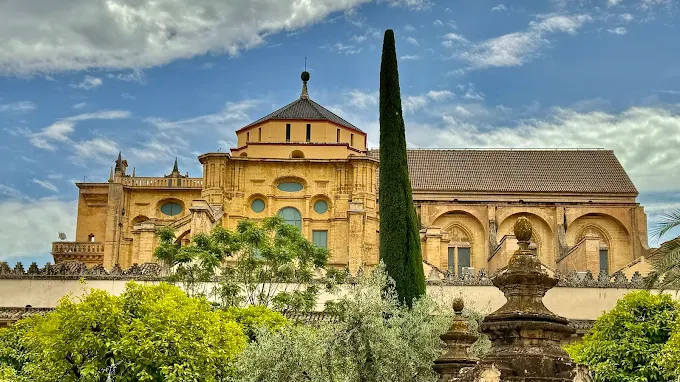
Córdoba Mosque-Cathedral Islamic Arches Meet Christian Altars
The light filters through the clerestory windows, illuminating dust motes that dance above rows of red and white horseshoe arches—856 columns standing like sentinels in a forest of stone. You walk across the cool marble floor, the air thick with the scent of beeswax candles and orange blossoms drifting from the Patio de los Naranjos. The silence is profound, broken only by the distant chime of the cathedral bell or the shuffle of pilgrims approaching the main altar. This is the Córdoba Mosque-Cathedral, a architectural palimpsest spanning 23,000 square meters, where the call to prayer once echoed before the Catholic Mass began in 1236. You stand in a space expanded by Abd al-Rahman I in 785 AD, later modified by Christian kings who inserted a Renaissance nave directly into the Islamic heart. In 2026, as debates over religious identity intensify globally, the Córdoba Mosque-Cathedral remains a tangible testament to coexistence—a place where conflicting faiths occupy the same physical space, demanding acknowledgment of a complex, layered past.
Why Córdoba Mosque-Cathedral Embodies Architectural Synthesis
The Córdoba Mosque-Cathedral represents one of the most significant examples of Islamic architecture in the West, solving the critical need for a grand congregational mosque in the capital of Al-Andalus. Constructed initially in 785 AD under Abd al-Rahman I, the structure utilized spolia—columns and capitals harvested from Roman and Visigothic ruins—to rapidly establish a place of worship. The engineering innovation lies in the double-tiered arches: lower horseshoe arches in red brick and white stone support upper semicircular arches, allowing for a ceiling height of 12 meters while maintaining structural stability across the vast hypostyle hall.
Subsequent expansions under Abd al-Rahman II, Al-Hakam II, and Almanzor increased the prayer hall to accommodate up to 25,000 worshippers. The mihrab, completed in 965 AD, features intricate Byzantine mosaics gifted by the Emperor of Constantinople, demonstrating diplomatic reach. After the Christian Reconquista in 1236, the building was consecrated as a cathedral, but the major transformation occurred between 1523 and 1607 when a Gothic-Renaissance nave was built within the center. This insertion, controversial even then, created the unique hybrid visible today. The Córdoba Mosque-Cathedral thus embodies a physical negotiation of power, where Islamic geometry frames Christian iconography, preserving the engineering genius of the Umayyads within the liturgical function of the Catholic Church.
The Best Time to Experience Córdoba Mosque-Cathedral
For the optimal Córdoba Mosque-Cathedral visit, target March 20–May 15 or October 5–November 25, when temperatures range between 15–25°C (59–77°F) and the orange trees in the courtyard are either blossoming or fruiting. The monument opens at 10:00 AM Monday through Saturday; arrive 15 minutes before opening to enter with the first group, as tour buses converge by 11:30 AM. Free visiting hours for locals (Monday–Friday 8:30–9:30 AM) are restricted, but tourists can book early access tickets for 8:30 AM entry. Sunset light through the western windows—specifically 7:00–8:30 PM in summer—creates dramatic shadows across the columns.
Avoid July 10–August 25 unless you tolerate extreme heat; temperatures regularly exceed 40°C (104°F), making the stone floors radiate thermal energy and the queue unbearable. Winter months (December–February) bring mild weather (8–16°C / 46–61°F) but shorter daylight hours, limiting photography opportunities in the courtyard.
Approximate Budget for a 7-Day Trip
Córdoba is generally more affordable than Seville or Madrid, though prices rise during the Patio Festival and Holy Week. The following budget assumes mid-range comfort with cultural immersion, based on 2026 pricing with approximately 3.5% inflation from 2025 figures. Costs reflect a focus on historic center accommodation near the Córdoba Mosque-Cathedral.
- Accommodation: €60–€110 per night for a double room in a casa de huéspedes or three-star hotel in Centro or Judería neighborhoods; luxury paradores near the monument command €150–€250 per night
- Food: €35–€55 per day—breakfast €4–€7 (café con leche and torrija), lunch €12–€20 (menú del día including salmorejo, flamenquín, and wine), dinner €18–€28 (tapas selection including berenjenas con miel and rabo de toro)
- Transportation: Train from Seville Santa Justa to Córdoba Central: €20–€35 high-speed AVE (45 minutes); local bus 1, 2, or 3: €1.35 per ride or €4 daily pass; taxi from station: €10 fixed rate; bike rental: €12 per day
- Attractions: Córdoba Mosque-Cathedral entry: €13; Alcázar de los Reyes Cristianos: €10.50; Roman Bridge: free; Palacio de Viana: €10; Hammam Al-Andalus: €35
- Miscellaneous: Ceramic souvenirs from €8; local Montilla-Moriles wine €7–€18 per bottle; horchata drink €2.50; artisan leather goods €25–€60; guided historical tour €15
Total estimated cost for 7 days: €850–€1,250 per person (based on double occupancy; solo travelers should add 35–45% for single supplements)
7 Essential Córdoba Mosque-Cathedral Experiences
- Walk the Hypostyle Hall: Enter the main prayer hall and lose yourself among the 856 columns of jasper, onyx, and marble. The repetitive rhythm of red and white arches creates a visual infinity. Visit at 10:00 AM opening time to experience the space before crowds obscure the view. Touch the cool stone capitals; many date back to Roman times. The height of the ceiling varies between 12 and 14 meters. Allow 30 minutes to simply walk without a guide, observing how light shifts across the floor.
- Examine the Mihrab and Maqsura: Locate the ornate niche at the far end of the hall, originally facing Mecca. The horseshoe arch is covered in gold mosaics featuring geometric and vegetal patterns. The surrounding maqsura (caliphal reserved area) features interlacing arches of exceptional complexity. Visit between 2:00–4:00 PM when side lighting accentuates the gold tesserae. Audio guides explain the Kufic inscriptions praising Allah. This is the spiritual heart of the original mosque, preserved despite Christian modifications.
- Stand in the Cathedral Nave: Walk into the central Renaissance structure built between 1523 and 1607. The contrast is jarring: Gothic vaults and Baroque altars sit directly within the Islamic hypostyle hall. Look up at the dome painted by Antonio Palomino. The acoustic difference is noticeable; the nave reverberates while the mosque hall absorbs sound. This insertion was authorized by Emperor Charles V, who later reportedly regretted altering the unique structure. It represents the physical layering of faiths.
- Explore the Patio de los Naranjos: Exit into the courtyard where 98 orange trees, palms, and cypresses surround the Fuente de los Leones. The courtyard retains the Islamic ablution layout, with water channels feeding the central fountain. Visit in late afternoon when the scent of orange blossoms is strongest. The Bell Tower, originally the minaret, rises 54 meters at the northern end. Entry is free from the street (Calle Torrijos) even without a monument ticket, though access to the tower requires admission.
- Climb the Bell Tower: Ascend the former minaret for panoramic views over the Judería and the Guadalquivir River. The climb involves 153 steps via ramps and stairs. The view reveals the vast rectangular footprint of the original mosque compared to the Christian additions. Visit at 1:00 PM when the bell rings. The ticket includes monument entry. The wind is stronger at the top; secure loose items. This perspective clarifies the urban evolution of Córdoba.
- Visit the Sacristy and Treasury: This room houses religious art including paintings by Zurbarán and Goya, and goldsmith work from the 16th century. The vaulted ceiling features frescoes. Entry is included with your ticket; allow 15 minutes to appreciate the collection. Lighting is subdued to protect the canvases. Look for the Virgen de los Faroles, a patroness of Córdoba. The room demonstrates the wealth accumulated by the cathedral chapter over centuries.
- Attend Evening Visits (Seasonal): During summer months, special night openings occur with light and sound shows. The arches are illuminated, creating a mystical atmosphere distinct from daytime. Tickets cost €18 and must be booked in advance. Shows run at 9:00 PM and 10:30 PM. The temperature drops significantly after sunset; bring a light jacket. This experience emphasizes the architectural beauty over religious function, appealing to secular tourists.
3 Hidden Gems Most Travelers Miss
- Palacio de Viana: Located 1 kilometer northeast at Plaza de Don Gome, 2, this 14th-century palace features 12 distinct courtyards filled with flowers and fountains. It receives far fewer visitors than the Mosque-Cathedral. Entry: €10; open Tuesday–Saturday 10:00 AM–6:00 PM. The library contains 7,000 volumes. Contact: +34 957 499 941. Visit early morning for private guided tours that access rooms closed to general public. The gardens offer a quiet retreat from the tourist center.
- Alcázar de los Reyes Cristianos Towers: While the main Alcázar is popular, climbing the specific Calahorra Tower at the bridge end offers unique views. Located at Campo de la Verdad, this fortified gate houses a museum of coexistence. Entry: €4.50; open Tuesday–Saturday 10:00 AM–6:00 PM. It explains the history of the three cultures. Contact: +34 957 470 014. Visit late afternoon when the sun sets behind the Mosque-Cathedral. The museum provides context often missing from the main monument.
- Synagogue of Córdoba: Tucked in the Judería at Calle Judíos, 20, this is one of only three remaining medieval synagogues in Spain. Built in 1315, it features Mudéjar plasterwork similar to the Mosque. Entry: €3.50; open Tuesday–Saturday 10:00 AM–6:00 PM. It is often overlooked by tourists rushing to the main site. The space is intimate and quiet. Look for the Hebrew inscriptions on the walls. It provides a crucial third perspective on Córdoba's religious history.
Cultural & Practical Tips
- Dress code enforcement: Shoulders and knees must be covered for all visitors; shorts above the knee and sleeveless tops are prohibited. Guards actively enforce this rule at entry points. Carry a lightweight scarf even in summer; you will need it for church visits and cooler evenings.
- Master these phrases: "Buenos días" (BWEH-nos DEE-as) for good morning; "Por favor" (por fah-BOR) for please; "Una entrada, por favor" (OO-nah en-TRAH-dah) to buy a ticket; "¿Dónde está el baño?" (DON-deh es-TAH el BA-nyo) to find the restroom.
- Photography guidelines: Flash photography is prohibited inside the cathedral to protect artwork. Tripods require special permission from the cathedral administration (+34 957 470 512). Mobile phones must be silenced. Respect "no fotos" signs during Mass times.
- Ticket strategy: Purchase tickets online at least 48 hours in advance during peak season (March–May, October). On-site queues can exceed 60 minutes. Students under 25 and children under 10 enter free with ID. Seniors over 65 receive discounted rates (€8).
- Hydration and heat: Córdoba's inland location means dry heat; carry a refillable water bottle. Public fountains (fuentes) are available in the Patio de los Naranjos. The water is potable and sourced from local springs. You'll save €2–€3 daily and reduce plastic waste.
- Mass times: Tourist access is restricted during daily Mass (typically 9:30 AM Monday–Saturday). Plan your visit around liturgical schedules. Sunday mornings are reserved for worshippers; tourist entry usually starts at 2:30 PM. Verify times on the official website before arriving.
- Security checks: Expect airport-style security screening at the entrance. Large backpacks and suitcases are not permitted; use the left luggage facility at the train station or your hotel. Allow an extra 15 minutes for security processing during peak hours.
Conclusion: Travel with Reverence, Not Just Reverie
The Córdoba Mosque-Cathedral demands more than casual observation—it asks for contemplation of the layers of history embedded in every column, every arch, every prayer niche carved by hands long turned to dust. When you walk these halls in 2026, you're not merely touring a monument; you're walking through a fragile ecosystem of memory where Islamic artistry, Christian power, and Jewish heritage intersect in delicate balance.
Choose to engage deeply: hire a local guide from the Judería neighborhood rather than a large tour company; purchase tickets directly to support preservation efforts; respect the liturgical functions that continue amidst the tourism. The Córdoba Mosque-Cathedral survives not as a museum exhibit but as a living church—and its preservation depends on visitors who recognize the difference between appreciation and consumption.
Slow down. Sit in the Patio de los Naranjos after the tour buses depart. Listen to the fountain water flowing through centuries-old channels. Taste the bitterness of an orange from the courtyard trees. The monument rewards those who approach it not as a checklist item but as a conversation across time—a dialogue between past and present that continues, like the bells above, in perpetual motion.