
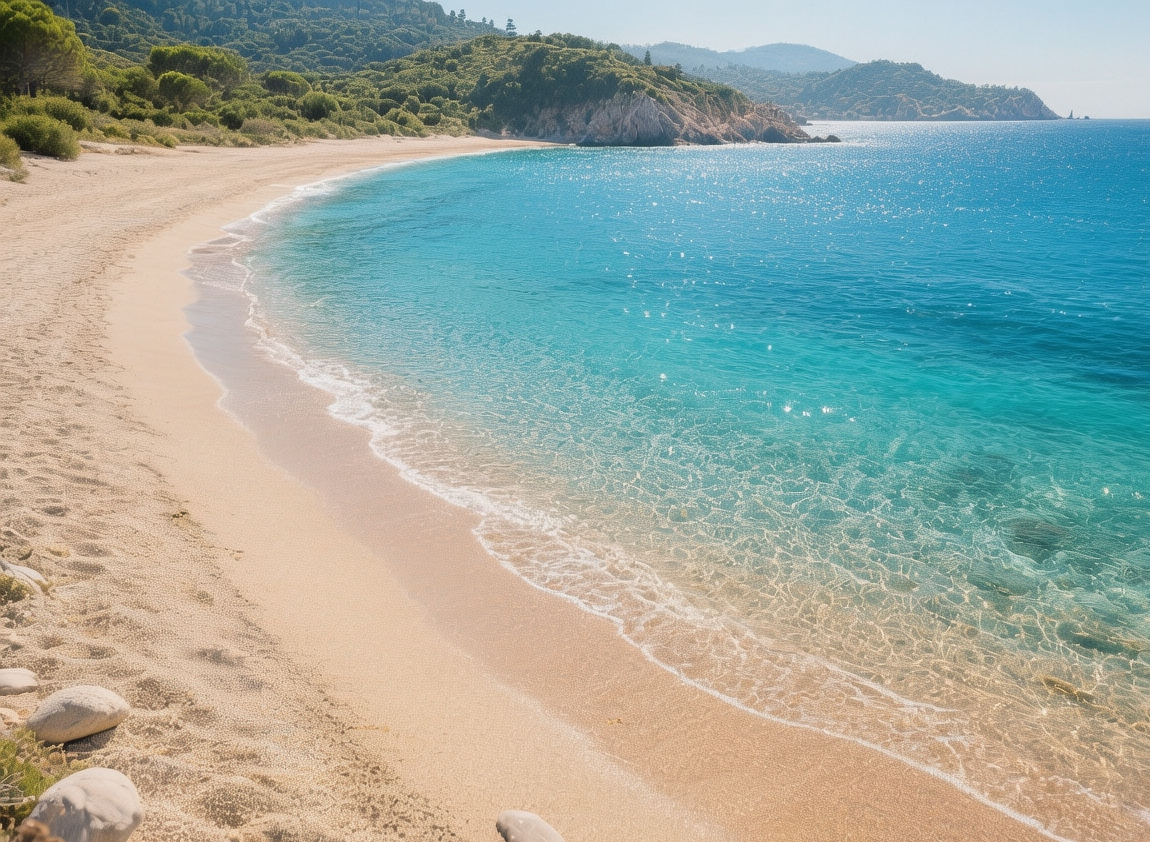
Elba Island Beaches Granite Cliffs Meet Tyrrhenian Turquoise
The morning sun strikes the surface of the Tyrrhenian Sea, fracturing into a million shards of light that dance across water so clear you can count the pebbles on the seabed ten meters below. You hear the gentle lap of waves against smooth, white stones, the distant cry of a gull, and the soft crunch of your footsteps on the unique, rounded pebble shore of Sansone Beach. Towering behind you, ancient granite cliffs—part of the island’s 400-million-year-old geological skeleton—cast cool shadows over the sand, their surfaces studded with hardy Mediterranean pines. This is Elba, the largest island of the Tuscan Archipelago, a place where Napoleon spent his first exile in 1814 but which has been a haven for sailors and sun-seekers since Etruscan times [[5]]. With over 140 kilometers (87 miles) of coastline hosting more than 30 distinct beaches—from powdery coves to wild, rocky inlets—Elba offers a coastal diversity unmatched on the Italian mainland. In an age of homogenized beach resorts, Elba’s shores matter now more than ever—they are a sanctuary of natural variety, where every turn reveals a new, unspoiled seascape.
Why Elba Island Beaches Embodies Geological Drama
Elba’s beaches are not merely stretches of sand; they are direct expressions of the island’s extraordinary geology, forged in a violent collision of tectonic plates millions of years ago. Unlike the uniform sandy shores of many Mediterranean destinations, Elba’s coastline is a dynamic mosaic shaped by its complex mineral past—featuring everything from fine golden sand at Lacona to the iconic white pebbles of Sansone and the iron-rich red sands of Procchio [[5]]. This geological drama solves a fundamental traveler’s need: the desire for authentic, varied, and visually stunning coastal experiences without having to island-hop across an entire archipelago. The island’s unique composition, rich in iron, copper, and granite, was so valuable that it fueled Etruscan metallurgy as early as the 8th century BCE and later became a key asset for the Roman Empire [[5]]. Today, this legacy translates into beaches that are both beautiful and historically resonant. For example, the pebbles at Sansone are not just decorative; they are smoothed fragments of the island’s ancient granite bedrock, polished by millennia of wave action. This intimate connection between land and sea creates a powerful sense of place, fulfilling the deep human need to connect with a landscape that feels primal, real, and untamed.
The Best Time to Experience Elba Island Beaches
To experience Elba’s beaches in their full, uncrowded glory, target the specific windows of May 20–June 15 or September 10–October 1, 2026. During these periods, the Tyrrhenian Sea has warmed to a comfortable 20–23°C (68–73°F), perfect for swimming, while air temperatures hover at a pleasant 24–27°C (75–81°F) [[11]]. The best time of day to visit any beach is in the early morning, between 8:00 AM and 10:30 AM, when the light is soft, the water is calm, and you can often have a cove to yourself before the day-trippers arrive from the mainland. It is crucial to avoid the peak summer period of July 20–August 25, when ferry lines from Piombino stretch for hours, beaches become densely packed, and accommodation prices double [[29]]. For the most reliable information on ferry schedules, beach conditions, and local events, always consult the official tourism portal: islandofelba.eu.
Approximate Budget for a 7-Day Trip (2026)
This budget is calculated for a solo traveler seeking a comfortable, nature-focused experience on Elba in 2026, based on current inflation trends and average regional costs for the Tuscan islands.
- Accommodation: €90–€160 per night. Staying in the port town of Portoferraio offers the best ferry access and amenities. More secluded options near Marciana Marina or Capoliveri command higher prices.
- Food: €50 per day. Breakfast (€6): a cornetto and espresso at a local bar. Lunch (€18): a plate of seafood pasta at a beachside trattoria. Dinner (€26): a main course like grilled fish with a glass of local Aleatico wine.
- Transportation: €180 total. Round-trip ferry from Piombino to Portoferraio (€40 via Toremar). A weekly bus pass for island exploration (€25). Renting a scooter for a day to reach remote beaches (€50).
- Attractions: Entry to Napoleon’s Villa San Martino (€8). Access to the protected beaches of the Tuscan Archipelago National Park is free, but some private beach clubs charge €15–€25 for sunbeds.
- Miscellaneous: €100. This covers a bottle of local olive oil (€15), several gelato stops (€3 each), a guided snorkeling tour to see underwater rock formations (€50), and souvenirs.
Total Estimated Cost: €995–€1,125
6 Essential Elba Island Beach Experiences
- Swim at Sansone Beach: Arrive by 8:30 AM to secure a spot on this iconic pebble beach nestled between dramatic granite boulders. The water is crystal-clear, perfect for snorkeling among colorful fish. Bring water shoes for comfort on the smooth stones.
- Relax on Lacona’s Golden Sands: This 2-kilometer (1.2-mile) crescent of fine, golden sand is Elba’s answer to a classic beach. It’s ideal for families and those who prefer soft sand. The shallow, calm water is safe for swimming and paddleboarding.
- Explore the Wild Coves of Fetovaia: This horseshoe-shaped bay, surrounded by steep hills, offers a more rugged, adventurous feel. The beach is a mix of sand and pebbles, and the water is a stunning shade of turquoise. It’s perfect for a late-afternoon swim when the crowds thin.
- Snorkel at Scoglietto di Portoferraio: Just a short boat ride or swim from the main port, this tiny islet is a marine sanctuary teeming with life. The underwater visibility is exceptional, revealing starfish, octopuses, and schools of sardines.
- Hike to Cavoli Beach: Take a scenic coastal path from the village of Capoliveri down to this charming, family-friendly beach. The walk takes about 30 minutes and offers breathtaking views of the southern coastline.
- Watch the Sunset at Biodola Bay: This large, sandy beach on the north coast is the perfect place to end your day. Find a quiet spot on the western end to watch the sun sink behind the hills, painting the sky in fiery hues.
3 Hidden Gems Most Travelers Miss
- Calanova Beach: A tiny, secluded cove accessible only by a 20-minute hike from the road near Rio Marina. Its isolation means you’ll likely have the turquoise water and smooth pebbles all to yourself. The trail is unmarked—ask locals for directions at the Bar Centrale in Rio Marina.
- The Iron Sand of Terranera: Near the old mining town of Rio, this unique black-sand beach is composed of magnetite, a remnant of Elba’s mining past. It’s overlooked because it’s not ideal for swimming, but it’s a fascinating geological oddity. Visit at low tide for the best views.
- Punta alle Grotte: On the remote western tip of the island, this series of rocky inlets and sea caves is a paradise for experienced swimmers and explorers. Access requires a 4x4 vehicle or a long hike. Go with a local guide for safety and to learn about the area’s history.
Cultural & Practical Tips
- Book your ferry in advance: Especially during the shoulder seasons, ferries can sell out. Book online with Toremar or Moby Lines at least a week ahead for the best rates and guaranteed passage.
- Bring water shoes: Many of Elba’s most beautiful beaches are pebbly or rocky. A pair of sturdy water shoes will make your experience far more comfortable.
- Learn essential phrases: “Dov’è la spiaggia più vicina?” (DOH-veh lah spy-AH-jah PEE-oo vee-CHEE-nah?) for “Where is the nearest beach?”, and “Un gelato al limone, per favore” (oon jeh-LAH-toh al lee-MOH-neh) for a lemon ice cream.
- Respect the protected areas: Much of Elba is part of the Tuscan Archipelago National Park. Do not remove rocks, shells, or plants, and stick to marked trails to protect the fragile ecosystem.
- Rent a scooter or car: Public transport is limited. To truly explore the island’s diverse beaches, you’ll need your own wheels. Scooters are a popular and economical choice.
- Beware of the midday sun: The sun on the island is intense. Always wear a hat, sunglasses, and high-SPF sunscreen, especially between 11:00 AM and 3:00 PM.
Conclusion: Travel with Curiosity, Not Just a Checklist
Elba’s beaches invite you to move beyond the simple act of sunbathing and into a deeper dialogue with the natural world. Each cove, each grain of sand, tells a story millions of years in the making—a tale of tectonic upheaval, ancient empires, and resilient ecosystems. In 2026, as mass tourism threatens to flatten the unique character of so many destinations, Elba stands as a powerful reminder of the value of diversity and authenticity. Your journey here should be guided by curiosity: to wonder why the sand is red in one bay and white in the next; to listen to the silence of a hidden cove; to feel the cool weight of a granite pebble in your hand. By traveling with this mindful attention, you do more than just visit—you participate in the island’s ongoing story. Slow down. Let the rhythm of the waves set your pace. In that quiet communion with Elba’s wild, beautiful shores, you find not just a vacation, but a profound connection to the earth itself.