
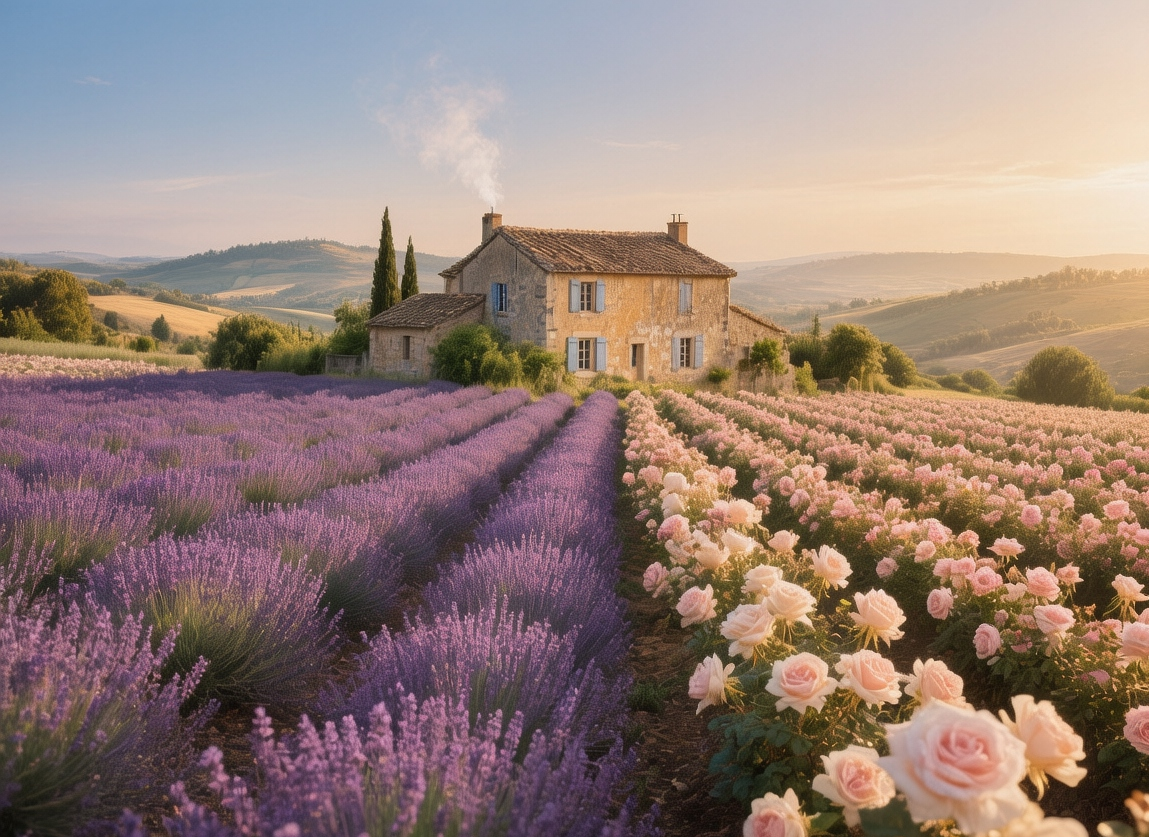
Grasse Perfume Fields: Scent Becomes Landscape
The ritual begins before dawn. As the first light touches the foothills of the French Riviera, harvesters move through fields of jasmine with practiced silence, their fingers plucking blossoms at the precise moment of olfactory perfection—just after midnight when the flowers release their most complex bouquet. The air thickens with scent: not a single note, but a symphony of jasmine grandiflorum's honeyed warmth, May rose's peppery elegance, and tuberose's narcotic intensity. This is Grasse—not merely a town on a hillside, but the world's olfactory capital where geography, climate, and centuries of expertise converge to transform fragile petals into liquid memory. In 2026, these fields remain the beating heart of an industry that supplies 70% of luxury perfumery's natural ingredients, yet their survival depends on a delicate balance between tradition and modernity—a balance visitors experience not through observation, but through breath.
Why Grasse Perfume Fields Represent Living Agricultural Heritage
Grasse perfume fields embody more than agricultural beauty—they represent Europe's last significant cultivation of fragrance flowers for fine perfumery. While synthetic alternatives dominate modern scent production, Grasse maintains 200 hectares of working fields where jasmine, May rose, violet, and tuberose are still harvested by hand using techniques unchanged since the 18th century. This persistence stems from terroir: the microclimate between the Préalpes d'Azur and Mediterranean creates ideal conditions—cool nights preserving volatile aromatic compounds, limestone-rich soil imparting mineral complexity, and mist from the Siagne River hydrating delicate petals. Unlike preserved heritage sites, these fields function as active laboratories where master perfumers like those at Fragonard and Galimard collaborate directly with growers to develop new cultivars. UNESCO recognized this living tradition in 2018 by inscribing Grasse's perfume know-how on its Intangible Cultural Heritage list—not for the fields alone, but for the entire ecosystem of cultivation, extraction, and artistic composition that transforms geography into emotion.
The Best Time to Experience Grasse Perfume Fields
For optimal sensory immersion and authentic harvest activity, visit between May 1 and May 20 for rose harvest or August 1–September 15 for jasmine. These narrow windows capture the fields at peak olfactory intensity: May roses bloom for precisely three weeks, releasing their signature scent between 6:00–10:00 AM before heat diminishes their complexity; jasmine requires nocturnal harvesting when blossoms emit maximum fragrance. Morning visits between 7:00–9:00 AM offer cool temperatures ideal for walking field paths without overwhelming heat, while soft dawn light creates perfect conditions for photography—long shadows accentuating row patterns without harsh glare. Late September provides a second opportunity: tuberose harvest with its intoxicating evening scent, fewer tourists, and golden light over drying barns. Avoid July when temperatures exceed 30°C (86°F) and most flowers cease blooming. Note that fields are private agricultural land—never enter without permission; instead, join authorized tours that respect growers' rhythms.
Approximate Budget for a 7-Day Trip (2026)
Based on 2025 benchmarks adjusted for 4% inflation (per INSEE and Côte d'Azur Tourism Board projections), here's a realistic mid-range budget for a Riviera-perfume focused itinerary:
- Accommodation: €105–€150 per night for a family-run guesthouse in Grasse's old town or a boutique hotel in nearby Valbonne—essential for early field access.
- Food: €90–€105 per day—breakfast at lodging, lunch of socca and rosé at village café (€20–€25), dinner featuring Provençal specialties with local wine (€45–€55).
- Transportation: €40 for a 7-day Zou! Pass (covers regional buses). Train from Nice to Grasse: €6 one-way (40 minutes). Car rental not recommended—narrow village streets and limited parking.
- Experiences: Fragonard factory tour: free. Galimard perfume workshop: €35. Authorized field tour with grower: €45. Musée International de la Parfumerie: €11. Allocate €120 total.
- Miscellaneous: €60 for artisanal eau de toilette from historic houses (avoid airport markup), lavender honey, or scented soaps from Atelier des Fleurs.
Total Estimated Cost: €1,150–€1,600 for seven days, excluding international flights.
5 Essential Grasse Perfume Experiences
- Jasmine Harvest at Domaine de Manon: Join pre-dawn harvests (August–September) with fourth-generation growers who demonstrate traditional "enfleurage" extraction—watch petals pressed into fat-coated glass frames to capture scent molecules.
- May Rose Fields of Pégomas: Visit during first three weeks of May when 50 hectares bloom simultaneously—best viewed from Chemin des Roses at 7:30 AM when mist rises from blossoms creating ethereal light.
- Musée International de la Parfumerie: Housed in an 18th-century villa, this museum traces 500 years of Grasse's perfume history through distillation equipment, historic flacons, and interactive scent stations.
- Fragonard Historic Factory: Tour the 1841 facility where copper stills extract absolutes using steam distillation—a process unchanged since Napoleon III's era, with free guided tours hourly.
- Route Napoléon Scenic Drive: Follow this historic road east from Grasse through Val de Naves where wild lavender and immortelle grow on hillsides—stop at Miradou viewpoint for panoramic field vistas.
3 Hidden Gems Most Travelers Miss
- Chemin de la Siagne Secret Path: Behind the village of Cabris (15 minutes from Grasse), an unmarked footpath follows the Siagne River through private jasmine fields—ask at Cabris town hall for "le sentier des cueilleurs" permission slip required for respectful access.
- Atelier des Fleurs Artisan Studio: Hidden in Grasse's Rue du 26e Bataillon, this family workshop creates bespoke solid perfumes using only Grasse-grown ingredients—open Tuesday/Thursday afternoons by appointment (+33 4 93 36 XX XX).
- Colline du Château Dawn View: Hike to Grasse's ruined castle hill before 6:00 AM for the only perspective where morning mist pools in valleys between perfume fields—a view perfumers call "le souffle de la terre" (the breath of the earth).
Cultural & Practical Tips
- Field Etiquette: Never enter private fields without explicit permission—trespassing damages delicate crops and violates growers' livelihoods. Always join authorized tours through Maison des Fleurs (grasse-tourisme.com).
- Tasting Scents Respectfully: At perfume houses, use provided blotters—not wrists—for initial testing. Wait 30 seconds for top notes to evaporate before assessing heart/base notes. Never mix more than three scents per session.
- Learn Key Phrases: "Bonjour," "Merci," and "Quelle fleur sent-on ce matin?" (Which flower scents the morning?) show respect—growers often share harvest insights with curious visitors.
- Support Authentic Producers: Purchase directly from historic houses (Fragonard, Galimard, Molinard) rather than souvenir shops selling diluted products. Look for "Fabriqué à Grasse" certification.
- Photography Protocol: Never photograph workers without permission during harvest—many consider their craft sacred. Early morning (6:00–7:30 AM) offers empty field vistas ideal for landscape shots.
Conclusion: Travel with Olfactory Consciousness, Not Just a Bottle
Grasse perfume fields endure not as tourist attractions, but as fragile agricultural ecosystems where climate change threatens traditional harvest cycles and urbanization encroaches on fertile slopes. As a conscious traveler, your presence should honor this vulnerability: choose tours that compensate growers fairly, purchase authentic products supporting local agriculture, and understand that every bottle of true Grasse perfume represents thousands of hand-picked blossoms and generations of expertise. Walk field paths with awareness that your footsteps tread soil cultivated since Louis XV's reign. By approaching these fields not as photo opportunities but as living libraries of scent, you help ensure that Grasse's unique olfactory heritage continues not as museum piece, but as practice—where future generations may still close their eyes, breathe deeply, and taste the very essence of Provençal light captured in liquid form.