
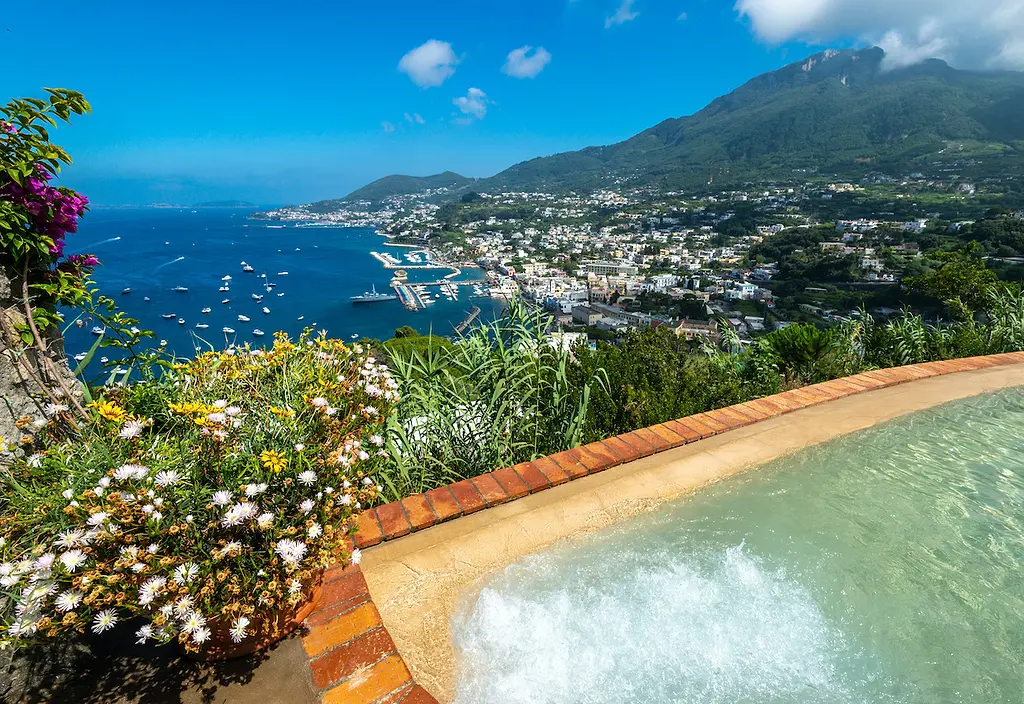
Ischia Thermal Baths Volcanic Heat Meets Mediterranean Serenity
The morning sun filters through the steam rising from a natural thermal pool, casting a golden glow on the surrounding volcanic rock and lush Mediterranean foliage. You hear the gentle trickle of mineral-rich water flowing into the pool, the distant chirp of cicadas in the pines, and the soft sigh of relaxation from a fellow bather. This is Ischia, the largest island in the Bay of Naples, a place where the earth’s fiery heart meets the calming embrace of the sea. Its thermal waters, heated by a dormant volcano to temperatures of up to 80°C (176°F) before being cooled for bathing, have been a source of healing since the 5th century BC, when the Greeks founded the colony of Pithecusae and built the first thermal sanctuaries [[28]]. Today, over 100 thermal springs bubble up across the island, feeding a network of public parks, luxury spas, and hidden natural pools. In an age of digital burnout and chronic stress, Ischia’s thermal baths matter now more than ever—they are a sanctuary for deep physical and mental restoration, where time slows down and the only agenda is to heal.
Why Ischia Thermal Baths Embodies Natural Healing
Ischia’s thermal tradition is not a modern wellness trend; it is a 2,500-year-old dialogue between humanity and geology. The island sits on a volcanic complex that last erupted in 1302, and its subterranean heat continues to warm vast aquifers of rainwater, enriching them with minerals like potassium, magnesium, and sulfur as they percolate through the rock. This natural process creates waters with proven therapeutic properties—effective for treating rheumatism, respiratory ailments, and skin conditions. The ancient Greeks recognized this power, naming the island Pithekoussai (“island of monkeys”) and dedicating thermal sanctuaries to Apollo, the god of healing. The Romans later expanded these facilities into grand bath complexes, the ruins of which can still be seen at the Archeological Park of Villa Aragonese. This legacy “solved” a fundamental human need: access to natural, holistic healing. Today, Ischia fulfills a modern crisis—the need for genuine disconnection and restoration. From the public Giardini La Mortella’s simple thermal pools to the opulent spa at Castello Aragonese, the island offers a spectrum of experiences, all rooted in the same ancient, life-giving source.
The Best Time to Experience Ischia Thermal Baths
To enjoy the thermal baths in their most peaceful and comfortable state, plan your visit for the specific windows of April 20–June 10 or September 15–October 20, 2026. During these periods, the weather is ideal, with daytime temperatures ranging from a pleasant 22–26°C (72–79°F), and the thermal pools are warm but not overwhelmingly hot [[11]]. The best time of day to bathe is in the morning, between 9:00 AM and 11:00 AM, when the air is cool, the pools are clean, and you can enjoy the therapeutic experience without the crowds. It is strongly advised to avoid the peak summer months of July and August, when the island’s population swells, the thermal parks become crowded, and the intense heat can make the hot baths less comfortable [[46]]. For the most current information on opening hours, water temperatures, and special treatments, always consult the official tourism portal: ischia.it.
Approximate Budget for a 7-Day Trip (2026)
This budget is calculated for a solo traveler seeking a comfortable, wellness-focused experience in Ischia in 2026, based on current inflation trends and average regional costs.
- Accommodation: €100–€180 per night. Staying in a hotel with its own thermal spa in Ischia Porto offers convenience. Options in the quieter village of Sant’Angelo are more romantic but require transport.
- Food: €50 per day. Breakfast (€6): a cappuccino and cornetto at a local bar. Lunch (€18): a light salad or pasta at a trattoria near the thermal park. Dinner (€26): a main course like grilled fish with a glass of local Biancolella wine.
- Transportation: €130 total. Round-trip ferry from Naples to Ischia (€20). A weekly pass for the local bus network (€15). Occasional taxi rides to remote thermal sites (€10–€15).
- Attractions: Entry to Giardini Poseidon Thermal Park (€30). Visit to Castello Aragonese and its spa (€15). Guided tour of the Archeological Park (€8).
- Miscellaneous: €110. This covers a private thermal mud treatment (€50), a bottle of local wine (€15), several gelato stops (€3 each), and souvenirs like a vial of thermal salts.
Total Estimated Cost: €1,020–€1,140
6 Essential Ischia Thermal Baths Experiences
- Bathe in the Public Pools of Giardini Poseidon: This sprawling thermal park offers over 20 different pools, from seawater hot tubs to cold plunge pools. Spend a full day here, moving between temperatures to experience the full therapeutic circuit.
- Experience a Private Mud Treatment: Book a session at a historic spa like Negombo or Castiglione. The warm, mineral-rich mud is applied to your body, left to work its magic, and then rinsed off in a thermal shower—a deeply detoxifying ritual.
- Visit the Ancient Roman Baths at Villa Aragonese: Explore the archaeological site to see the foundations of Roman thermal baths. It’s a powerful reminder of the island’s long history as a place of healing.
- Relax in the Gardens of La Mortella: While not a thermal park, this stunning garden created by Susana Walton features a small, private thermal spring. It’s a serene, botanical oasis perfect for quiet reflection.
- Discover a Natural Hot Spring at Maronti Beach: At the southern end of Ischia’s largest beach, natural thermal waters seep into the sand. Dig a small hole, let it fill with hot water, and create your own private thermal bath by the sea.
- Dine After Your Bath in Ischia Porto: After your soak, enjoy a light dinner at a waterfront restaurant like Ristorante Il Mosaico. The combination of thermal relaxation and fresh seafood is the ultimate Ischian experience.
3 Hidden Gems Most Travelers Miss
- The Source at Fonte delle Ninfe Nitrodi: In the hills above Barano, this ancient spring was sacred to the nymphs Nitrodi. The water is rich in bicarbonate and is said to have beautifying properties. Bring a bottle to fill—it’s free and believed to be miraculous.
- The Thermal Grotto at Castello Aragonese: Inside the castle’s fortress, a natural sea cave has been transformed into a thermal bath. The combination of history, sea views, and warm water is unique and unforgettable.
- The Quiet Pools of Giardini Ravino: This botanical garden in Forio has a small, secluded thermal area often overlooked by visitors focused on the larger parks. It’s a peaceful spot to enjoy the healing waters amidst rare plants.
Cultural & Practical Tips
- Bring two towels: One for the poolside and one for after your bath. Many thermal parks rent them, but it’s more hygienic to bring your own.
- Stay hydrated: The heat and minerals can be dehydrating. Drink plenty of water before, during, and after your thermal session.
- Learn a few key phrases: “Dov’è lo stabilimento termale?” (DOH-veh LOH stah-beel-ee-MEN-toh tehr-MAH-leh?) for “Where is the thermal spa?”, and “Un caffè, per favore” (oon kah-FEH).
- Respect the silence: Thermal baths are places of relaxation. Keep your voice low and avoid loud conversations.
- Check medical restrictions: If you have heart conditions or are pregnant, consult your doctor before using the hot baths, as high temperatures can be risky.
- Tipping is appreciated but not expected: A small tip of €2–€5 for a massage therapist or attendant is a kind gesture.
Conclusion: Travel with Intention, Not Just Relaxation
Ischia’s thermal baths offer more than just a luxurious soak; they invite you into a centuries-old ritual of healing and mindfulness. In 2026, as we grapple with the constant noise of modern life, these volcanic waters provide a rare opportunity to truly disconnect and reconnect—with your body, your breath, and the quiet pulse of the earth. Your journey here should be one of intention, not just indulgence. Feel the warmth of the mineral-rich water ease your tensions, listen to the silence that replaces the digital din, and allow yourself to be present in the moment. By traveling with this mindful purpose, you honor the ancient tradition of Ischia and support its continued role as a sanctuary for the soul. Slow down. Breathe in the steam. In that quiet communion with the island’s healing heart, you don’t just find a vacation—you find a profound sense of renewal.