
Lecce Baroque Architecture Sunlit Stone Meets Southern Soul
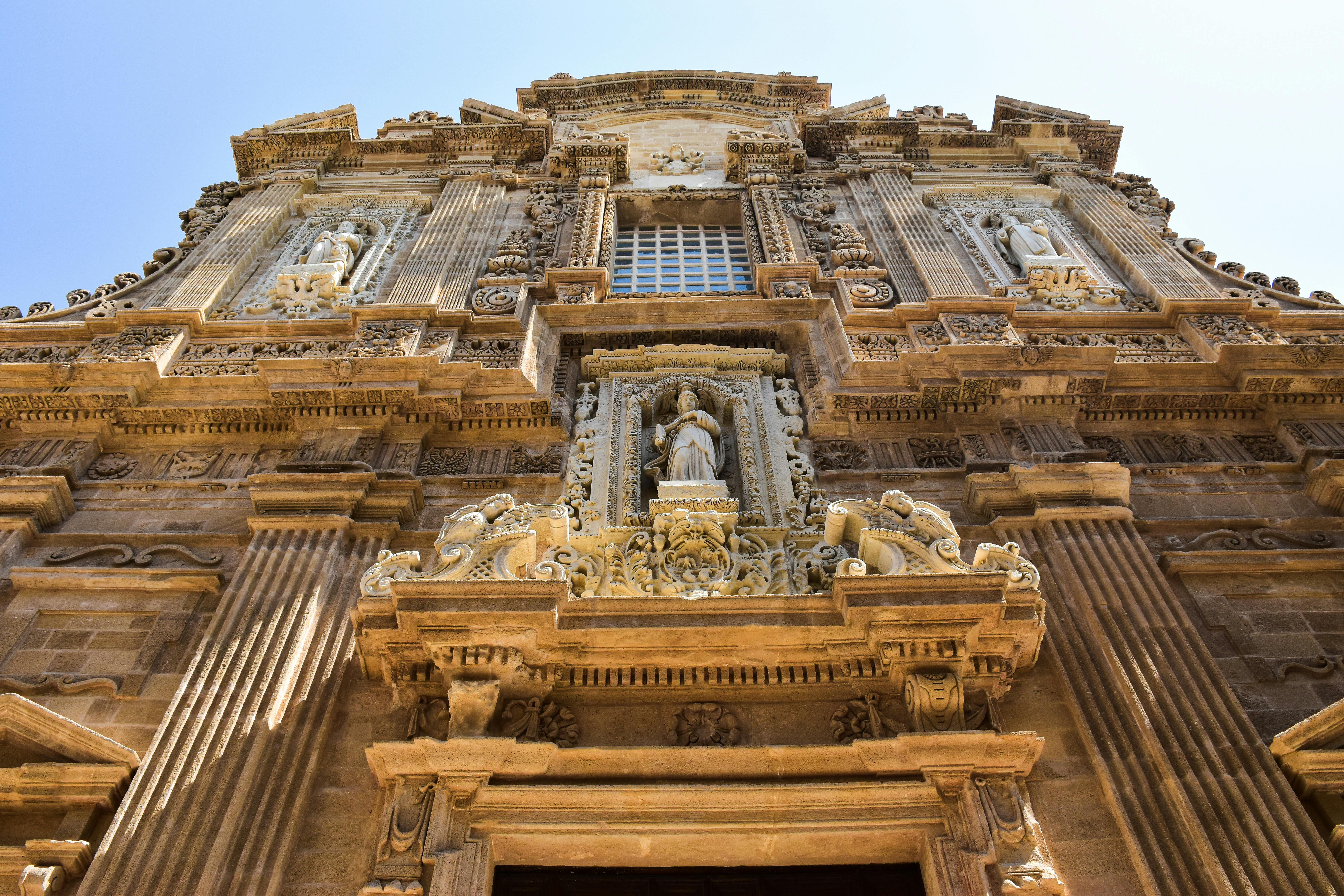
The morning sun in Puglia strikes the pale golden stone of Lecce’s historic center, setting its Baroque facades ablaze with a warm, honeyed glow. You hear the soft echo of footsteps on centuries-old cobblestones, the distant chime of church bells, and the murmur of espresso cups being set down at a café tucked beneath an ornate archway. Before you rises the Basilica di Santa Croce, its facade a symphony of swirling acanthus leaves, cherubs, and mythological beasts carved from the local pietra leccese—a soft, luminous limestone that hardens upon exposure to air. This is the heart of the Salento peninsula, a city whose architectural golden age spanned the 17th and 18th centuries, when over 40 churches and palazzi were transformed into masterpieces of what is now known as “Lecce Baroque” [[15]]. Unlike the austere grandeur of Roman Baroque, Lecce’s version is exuberant, theatrical, and deeply human—a celebration of life in stone. In an era of minimalist design and digital detachment, Lecce matters now more than ever—it is a vibrant testament to the power of art to transform the everyday into the extraordinary.
Why Lecce Baroque Architecture Embodies Theatrical Devotion
Lecce’s Baroque architecture is not merely decorative; it is a profound expression of Counter-Reformation fervor and local identity, born from a unique confluence of faith, wealth, and geology. Following the Council of Trent (1545–1563), the Catholic Church sought to inspire awe and devotion through art that was emotionally engaging and visually overwhelming. Lecce, then a prosperous city under Spanish rule, had both the means and the motive to answer this call. The key enabler was the local pietra leccese, a fine-grained limestone quarried just outside the city. Its softness allowed master stonemasons—many trained in the workshops of Giuseppe Zimbalo and Francesco Antonio Zuroli—to carve with the precision of sculptors, creating facades that seem to ripple with movement [[15]]. The Basilica di Santa Croce, completed in 1695, stands as the ultimate masterpiece: its facade is a 25-meter (82-foot) high tapestry of over 200 figures, including saints, griffins, and even a self-portrait of Zimbalo hidden among the foliage. This architectural language solved a critical problem: it made divine glory tangible and immediate for the common people. Today, it fulfills a modern need—for beauty that is not cold or distant, but warm, intricate, and alive with human touch.
The Best Time to Experience Lecce Baroque Architecture
To experience Lecce’s Baroque splendor in its most photogenic and pleasant conditions, plan your visit for the specific windows of April 20–May 25 or <September 10–October 15, 2026. During these periods, Puglia enjoys ideal weather, with daytime temperatures ranging from a comfortable 21–26°C (70–79°F) and clear skies that make the golden limestone facades truly glow [[11]]. The best time of day to explore is in the early morning, between 8:00 AM and 10:30 AM, when the low-angle sunlight casts dramatic shadows that highlight every intricate carving on buildings like the Palazzo dei Celestini and the Duomo. It is strongly advised to avoid the peak summer months of July and August, when temperatures can exceed 34°C (93°F) and the intense midday sun flattens the very details that make Lecce’s architecture so special [[33]]. For the most current information on opening hours for churches, museums, and guided tours, always consult the official tourism portal: viaggiareinpuglia.it.
Approximate Budget for a 7-Day Trip (2026)
This budget is calculated for a solo traveler seeking a comfortable, culturally rich experience in Lecce in 2026, based on current inflation trends and average regional costs for southern Italy.
- Accommodation: €85–€150 per night. Staying in a historic palazzo hotel within the old town walls offers an immersive experience. Options in the newer part of town are more affordable.
- Food: €45 per day. Breakfast (€5): a cappuccino and cornetto at a local bar. Lunch (€16): a plate of orecchiette with tomato and ricotta forte. Dinner (€24): a main course like grilled octopus with a glass of local Negroamaro wine.
- Transportation: €140 total. A regional train ticket from Bari to Lecce (€8). A rental car for day trips to coastal towns like Otranto or Gallipoli (€40/day). Local transport within Lecce is primarily on foot or by bicycle (rental €10/day).
- Attractions: Guided walking tour of Baroque Lecce (€20). Entry to the Roman Amphitheatre (€3). Visit to the Faggiano Museum, showcasing layers of Lecce’s history (€5).
- Miscellaneous: €95. This covers a bottle of local olive oil (€15), several gelato stops (€3 each), a hands-on pasta-making class (€45), and souvenirs like handmade ceramics or a small piece of local stone carving.
Total Estimated Cost: €935–€1,050
6 Essential Lecce Baroque Architecture Experiences
- Marvel at the Basilica di Santa Croce at Sunrise: Be at the church by 8:00 AM to see its facade bathed in the soft, golden light that makes the intricate carvings pop. Take your time to find the hidden symbols and Zimbalo’s self-portrait.
- Stroll Through Piazza del Duomo: This enclosed square is one of Italy’s most beautiful. Admire the cathedral’s Baroque facade, the 72-meter (236-foot) bell tower, and the Bishop’s Palace. Visit in the late afternoon when the stone turns a deep amber.
- Take a Guided Architectural Walk: Book a tour with a local expert who can decode the symbolism of the carvings—the griffins, dragons, and floral motifs that tell stories of faith, power, and local legend.
- Visit a Stonemason’s Workshop: See artisans at work in a bottega like Laboratorio Sculture Leccesi. Watch them carve new pieces using centuries-old techniques and perhaps commission a small souvenir.
- Dine in a Baroque Courtyard: Reserve a table at a restaurant like La Cucina di Casa, set in a restored nobleman’s palace. Enjoy local cuisine surrounded by original frescoes and stone arches.
- Explore the Roman Foundations: Visit the Faggiano Museum, where a simple plumbing repair uncovered 2,000 years of history—from Messapian tombs to Roman baths beneath a Baroque building.
3 Hidden Gems Most Travelers Miss
- The Church of San Matteo: Tucked away on Via Palmieri, this smaller church has a stunning Baroque facade that is often overlooked. Its interior is a hidden treasure of gilded stuccoes and frescoes. It’s usually open in the mornings.
- The View from Torre del Parco: This 15th-century tower, now a boutique hotel, offers a small public garden with a panoramic view over the red rooftops of Lecce and its sea of Baroque spires. It’s a quiet escape from the bustling center.
- The Orto Botanico di Lecce: The city’s botanical garden is a peaceful oasis where you can see the native plants that often inspired the stone carvings on the churches—like acanthus and olive branches. It’s free and open daily.
Cultural & Practical Tips
- Wear comfortable walking shoes: Lecce’s historic center is a maze of cobblestone streets. Good footwear is essential for exploring its many architectural wonders.
- Dress respectfully for churches: Shoulders and knees must be covered to enter most religious sites. Carry a light scarf or jacket even in summer.
- Learn a few key phrases: “Dov’è il Duomo?” (DOH-veh eel DOH-moh?) for “Where is the cathedral?”, and “Un caffè leccese, per favore” (oon kah-FEH leh-CHEH-zeh)—a local coffee specialty.
- Photography is generally allowed, but no flash: Flash photography is prohibited inside churches to protect the artwork. Always check for signs or ask a custodian.
- Beware of the midday sun in summer: The stone radiates heat. Plan indoor visits (museums, churches) during the hottest part of the day (12:00–4:00 PM).
- Tipping is appreciated but not expected: A small tip of €1–€2 for exceptional service at a restaurant is a kind gesture.
Conclusion: Travel with Attention, Not Just Admiration
Lecce’s Baroque architecture invites you to move beyond passive admiration and into active attention. Every curling leaf, every mischievous cherub, every hidden symbol is a thread in a vast, centuries-old narrative woven in stone. In 2026, as we seek travel experiences that are both beautiful and meaningful, Lecce offers a powerful reminder that true wonder lies in the details. Your journey here should be one of mindful observation—of tracing a carving with your eyes, of imagining the hand that shaped it, of feeling the warmth of the sun on the same stone that has glowed for 300 years. By traveling with this deep attention, you honor the legacy of Lecce’s artisans and help ensure their work continues to inspire. Slow down. Sit in a quiet piazza and let the city’s golden light wash over you. In that moment of quiet reverence, you don’t just see Lecce—you feel its living, breathing soul.