
Lyme Regis Fossil Beaches Ancient Sea Beds Meet Modern Discovery
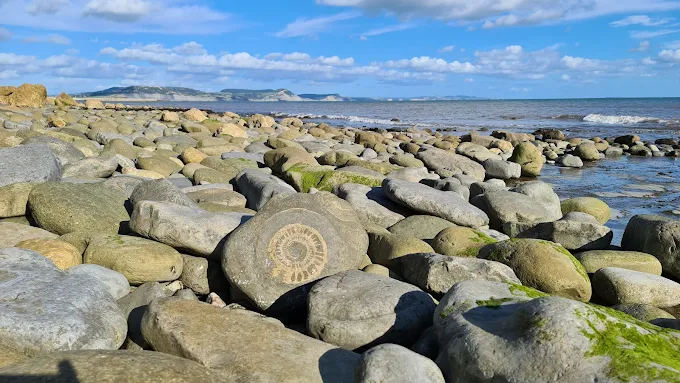
Dawn breaks over the Cobb as the tide recedes—revealing slick beds of Blue Lias shale glistening with 195 million years of history. You walk the wet sand, the scent of salt and seaweed mixing with the metallic tang of exposed pyrite, while the rhythmic crash of waves echoes against cliffs that witnessed the age of dinosaurs. In 1811, Mary Anning stood on this very stretch of the Lyme Regis fossil beaches, uncovering the first complete Ichthyosaur skeleton at just 12 years old. Today, the shoreline continues to yield secrets; erosion exposes new specimens weekly, from tiny ammonites to massive pliosaurs. As you kneel to inspect a spiral shell embedded in stone, you realize this place matters now more than ever: in an era of digital abstraction, the Lyme Regis fossil beaches offer a tangible connection to deep time, reminding us that life is fragile, ephemeral, and profoundly resilient against the erosion of epochs.
Why Lyme Regis Fossil Beaches Embodies Geological History
The Lyme Regis fossil beaches are not merely a hunting ground; they are a global benchmark for Early Jurassic paleontology. Stretching along the UNESCO World Heritage Jurassic Coast, these cliffs consist of alternating layers of limestone and shale deposited when Britain lay submerged under a tropical sea at 30°N latitude. The geological sequence here is continuous, spanning the Hettangian to Toarcian stages (201–174 million years ago), providing scientists with an unbroken record of marine life evolution. Mary Anning's discoveries solved a critical scientific problem: proving extinction was real and that Earth's history was far older than biblical chronologies suggested.
Today, the site fulfills an educational need, serving as an outdoor laboratory for over 300,000 annual visitors. The Blue Lias formation, measuring up to 150 meters (492 feet) thick in sections, preserves organisms with exceptional detail due to low-oxygen seabed conditions that prevented decay. Technical preservation involves rapid burial by sediment; calcium carbonate replaces organic material, creating stone replicas. When you hold an ammonite, you touch a creature that swam alongside plesiosaurs. The Lyme Regis fossil beaches are managed by the Lyme Regis Town Council and the Jurassic Coast Trust, balancing public access with cliff safety. This site remains vital in 2026 as climate change accelerates erosion, revealing new specimens while threatening the stability of the very cliffs that protect them.
The Best Time to Experience Lyme Regis Fossil Beaches
To witness the Lyme Regis fossil beaches in optimal conditions, plan your visit between May 15 and June 25. During this window, temperatures average 14-19°C (57-66°F), and daylight extends until 9:15 PM, maximizing hunting time. The critical factor is tide timing: visit exactly 2 hours before to 2 hours after low tide when the maximum shale area is exposed. Check the UK Tide Tables for specific dates; a low tide below 1.5 meters is ideal for accessing Monmouth Beach. Morning light between 8:00-10:00 AM reduces glare on wet stones, aiding visibility.
Autumn offers a secondary window—specifically September 10 to October 15—when summer crowds dissipate and storms expose fresh material. Temperatures remain mild at 12-17°C (54-63°F). Avoid December 1 to February 28 when landslide risk peaks due to saturation; several beaches close during winter months for safety. Also avoid July 20 to August 25 when visitor numbers exceed 5,000 daily, making productive hunting difficult. For current beach closure notices and landslide warnings, verify information at https://lovelymeregis.co.uk/fossils or contact the Tourist Information Centre at +44 (0)1297 442138.
Approximate Budget for a 7-Day Trip (2026)
Exploring the Lyme Regis fossil beaches and the wider Dorset coast requires moderate budgeting, as rural southern England commands premium prices during peak season. The following budget reflects mid-range travel for one person in 2026, accounting for approximately 4.5% UK inflation (ONS data, January 2026). Prices assume a base in Lyme Regis town center for optimal access to the beaches and museums.
- Accommodation: £95-£160 per night for a B&B or guesthouse near the Cobb (6 nights = £570-£960). Budget options: £55-£75 for hostels in Charmouth or camping at Lyme Bay.
- Food: £50-70 per day total • Breakfast: £10-15 (Full English at The Broad Street Bakery) • Lunch: £15-20 (Fish and chips at The Fisherman's Cottage) • Dinner: £25-35 (Seafood platter at The Harbour Inn or Rajah)
- Transportation: • Train London Waterloo to Axminster + Bus X53: £70-120 return • Local bus (Route X53): £4.50 day pass • Car rental (recommended): £65/day plus fuel £1.58/liter • Parking at Lyme Regis: £8/day (March-October)
- Attractions: • Guided Fossil Walk: £25 • Lyme Regis Museum: £8.50 • Charmouth Heritage Centre: Free (donations) • Free: Beach access, Cobb walks, public footpaths
- Miscellaneous: • Geological hammer and safety glasses: £35 • Local fossil specimens (licensed): £20-50 • Travel insurance: £40-60 for week • Waterproof gear rental: £20
Total estimated cost: £1,400-£1,750 for 7 days (excluding international flights)
5 Essential Lyme Regis Fossil Experiences
- Join a Guided Fossil Walk: Book a 2-hour session with Lyme Regis Fossil Tours (£25, departures 9:00 AM daily). A qualified guide leads you to safe zones on Monmouth Beach. You will learn to identify Blue Lias shale versus loose flint. Tools are provided; you keep what you find (except protected species). This experience ensures safety near unstable cliffs and maximizes finds. Meet at the Tourist Information Centre 15 minutes prior.
- Explore Monmouth Beach at Low Tide: Access via the paid path from the town center (£2.50 fee). Walk west toward the cliff base. Search loose shale piles rather than digging into the cliff face. Look for ammonites, belemnites, and crinoids. Wear sturdy boots with ankle support; stones are slippery. Best visited 2 hours before low tide. Return before the water cuts off the path—tides rise quickly here.
- Visit the Lyme Regis Museum: Located on Bridge Street, this museum houses Mary Anning's original finds. Entry is £8.50. Spend 90 minutes examining the Ichthyosaur skeleton and learning about local geology. The staff provide free identification services for finds. Open 10:00 AM-5:00 PM daily. This context enriches your beach hunting, helping you understand the significance of common finds versus rare discoveries.
- Walk the Cobb at Sunrise: Arrive by 7:00 AM during May-August. The historic breakwater offers panoramic views of the fossil beds below. The light is soft, ideal for photography without glare. Walk the lower cobblestones where waves crash over the top. This experience connects you to the maritime history that supported fossil hunters like Anning. Bring a windbreaker; exposure creates wind chill 5°C below town temperatures.
- Attend a Fossil Preparation Workshop: Book the half-day course at the Charmouth Heritage Coast Centre (£35, offered Wednesdays). You will learn to clean and preserve specimens using air scribes and consolidants. Limited to 8 participants; reserve 3 weeks in advance. This skill ensures your finds survive long-term without degradation. Includes lunch and a starter kit of tools to take home.
3 Hidden Gems Most Travelers Miss
- Pinhay Bay Eastern End: While crowds cluster at Monmouth, this bay 3 kilometers east remains quieter. Access via the South West Coast Path from Lyme Regis (45-minute walk). The cliffs here expose different strata, yielding unique bivalve species. Visit during mid-week mornings. No facilities exist—bring water and snacks. The Jurassic Coast Trust notes this area has lower landslide risk than central beaches, making it safer for independent hunting.
- The Spittles Landslide Zone: Contact the Jurassic Coast Trust (+44 (0)1305 202420) for access updates to this active landslide area east of Pinhay. Recent slips expose fresh Jurassic clay rarely seen. Access is restricted; only visit when flagged green. The terrain is challenging; wear hiking boots with deep tread. This site offers a raw view of geological processes in action, showing how fossils are naturally excavated by erosion rather than human tools.
- Black Ven Viewpoint: Located west of town at grid reference SY335925, this elevated path offers a safe vantage point over the most active erosion zone. Visit between 4:00-6:00 PM for golden light on the cliffs. You can observe fossil hunting below without risking the unstable base. Bring binoculars to spot hunters working the tide line. This perspective reveals the scale of the cliffs—150 meters high—emphasizing why ground-level access is often dangerous.
Cultural & Practical Tips
- Follow the Fossil Code: Never dig into the cliff face; only search loose material. Cliff falls kill 1-2 people annually in Dorset. Respect signage; red flags mean danger. Removing fossils from protected Sites of Special Scientific Interest (SSSI) without permission is illegal.
- Understand tide schedules: The tidal range averages 5-6 meters. Check www.uktides.co.uk before visiting. Never turn your back on the sea—rogue waves occur. If trapped by incoming tide, call HM Coastguard immediately at 999.
- Leave no trace: Remove all litter, including biodegradable items. The Town Council collects 8 tonnes of waste annually from these beaches. Do not remove living organisms; only collect dead fossils. Photograph rare finds in situ instead of collecting them.
- Learn local terminology: "Blue Lias" (layered limestone/shale); "Belemnite" (bullet-shaped fossil); "Ammonite" (spiral shell). Using these terms shows respect for geological heritage and helps guides assist you better during tours.
- Photography guidelines: Tripods are permitted on beaches but restricted on the Cobb during busy periods. Drone use requires permission from the Civil Aviation Authority and Town Council—apply 4 weeks in advance. Respect other visitors; do not block pathways for extended shoots during peak hours (11:00 AM-3:00 PM).
- Weather preparedness: The coast is exposed; wind chill is common even in summer. Pack waterproof layers; Dorset showers are sudden. Wear sturdy shoes with grippy soles—seaweed on stone is slippery. Sun protection is essential; reflection from wet sand increases UV exposure by 25%.
- Accessibility considerations: The Cobb is wheelchair accessible; beaches are not due to steps and shingle. Alternative viewing exists from the Marine Parade. The Museum is fully accessible. Request an accessibility map at the ticket office upon arrival.
Conclusion: Travel with Curiosity, Not Just Collection
The Lyme Regis fossil beaches do not exist merely to be scavenged—they exist to be understood as a library of life written in stone. When you walk these shores in 2026, you are not hunting for souvenirs; you are reading pages turned by time over 195 million years. Mary Anning's legacy is not the bones she found, but the knowledge she unlocked. The cliffs continue to crumble, yielding treasures while warning of nature's power. This is not heritage frozen in amber—it is heritage eroding, evolving, enduring.
So slow down. Sit on the shingle for twenty minutes without your hammer. Listen to the waves that washed over these stones before humans existed. Support local conservation by donating to the Jurassic Coast Trust rather than purchasing mass-produced replicas. Leave only footprints on ancient shale, take only memories of discovery, carry home only the profound understanding that some things—deep time, geological history, natural beauty—cannot be rushed, cannot be owned, can only be respected. The cliffs will still yield secrets in 2126 if we choose stewardship over exploitation today.