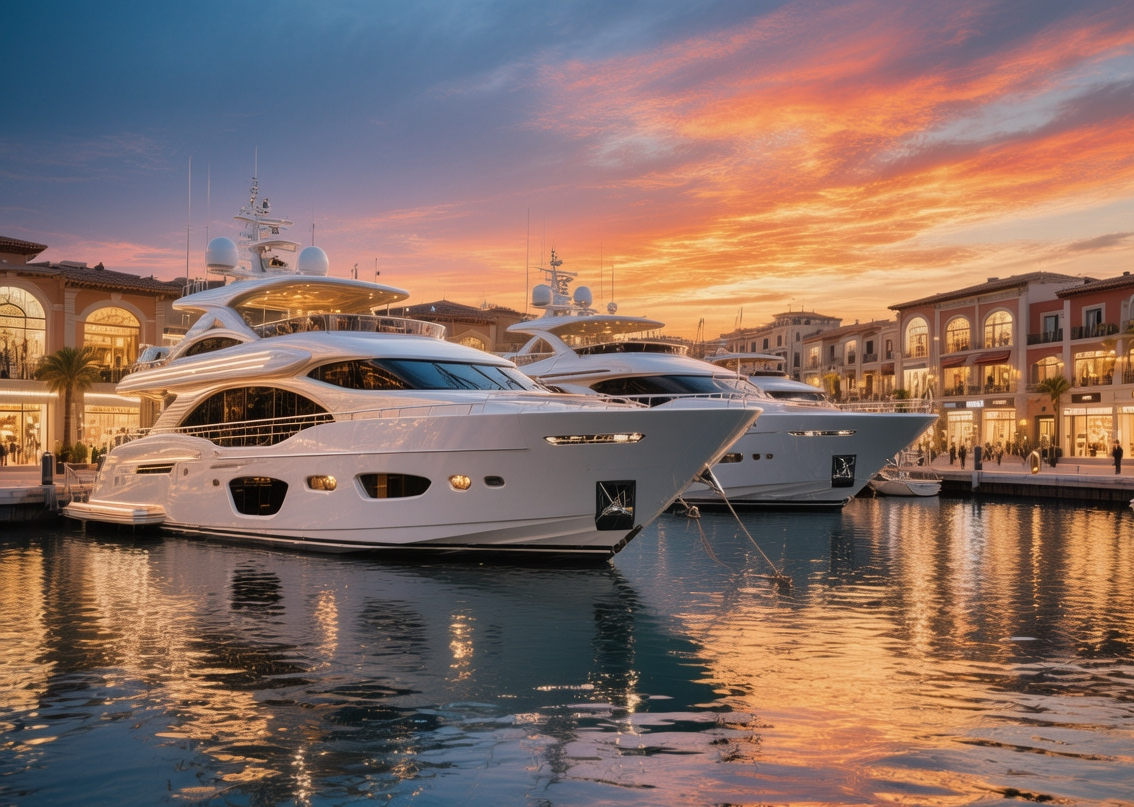
Puerto Banús: Where Luxury Yachts Meet Andalusian Coastline
At 10:20 on a Tuesday morning, I pay €3.80 for a small coffee beside Puerto Banús marina and watch a crew polish the railings of a gleaming motor yacht. The air smells of salt, sunscreen, and grilled seafood from the restaurants opening along the waterfront. Puerto Banús is already awake, though the late-night bars are quiet and the shopping streets have plenty of empty space. This is the best time to see it without the summer crush. The marina is free to walk around, and you can spend an hour admiring boats, expensive cars, and designer storefronts without buying anything. The atmosphere changes after lunch, when day visitors arrive from Marbella and Málaga. Prices rise quickly near the water. So does the noise. Puerto Banús makes sense as a stylish coastal stop, but it is not the place to find traditional Andalusian life at every corner. Pair it with Marbella Old Town, nearby beaches, or a mountain village for a more balanced trip.
Why Puerto Banús Matters
Puerto Banús opened in 1970 as a planned marina and resort near Marbella. Its creator, José Banús, imagined a port that would attract wealthy visitors, large boats, and international attention to this stretch of the Costa del Sol. The opening was linked with high-profile guests and quickly gave the area a reputation for glamour.
The marina remains Puerto Banús’s main attraction. Walk along the quays and you will see everything from small sailing boats to large private yachts. Behind them are luxury boutiques, jewellery shops, restaurants, beach clubs, and bars. The port also became known for car spotting, particularly along the roads around Plaza Antonio Banderas.
Its cultural value is less historic than commercial. Puerto Banús shows how Spain’s southern coast changed during the second half of the twentieth century, when tourism, property development, and international investment reshaped seaside towns. It is a modern resort rather than an old quarter.
That distinction matters. Visitors looking for narrow Moorish lanes, local markets, or centuries-old monuments may find Puerto Banús polished but shallow. Some restaurants serve ordinary food at prices designed for the view, and the marina can feel artificial outside the busy season. I enjoy it most as a short visit, especially when combined with Marbella’s older centre and a quieter beach.
The Best Time to Experience Puerto Banús
The most comfortable periods are 15 March to 31 May and 20 September to 31 October. Daytime temperatures usually sit between 19°C and 28°C, or 66°F and 82°F. These months suit walking, boat trips, beach time, and outdoor meals without the strongest summer heat.
June is warm, with typical daytime temperatures from 25°C to 31°C, or 77°F to 88°F. July and August can reach 32°C to 36°C, or 90°F to 97°F. The waterfront stays busy late into the evening, and accommodation prices often climb sharply. Visit the marina before 11:00 or after 18:00 if you dislike crowds.
From 1 November to 28 February, temperatures generally range from 16°C to 21°C, or 61°F to 70°F during the day. Winter is a good time for lower hotel rates and uncrowded walks, but some beach clubs and seasonal businesses reduce their hours.
April, May, late September, and October offer the best balance. Boat tours run regularly, restaurants are open, and the promenade remains pleasant. Avoid arriving by car between 12:00 and 15:00 in July and August, when parking becomes difficult and traffic builds around the marina.
Approximate Budget for a 7-Day Trip to Puerto Banús
A week in Puerto Banús can become expensive quickly, especially if you stay close to the marina or book several private boat activities. The figures below suit one traveller sharing a room with another person.
- Accommodation: €560 to €1,400 for seven nights in a guesthouse, apartment, or mid-range hotel. Marina-front hotels and summer weekends can cost much more.
- Food: €280 to €560 for breakfast, casual lunches, tapas, and several restaurant dinners. Cooking in an apartment can lower the total.
- Transport: €70 to €180 for local buses, taxis, airport transfers, and occasional trips to Marbella. A rental car may add €180 to €350 before fuel and parking.
- Attractions: €80 to €250 for a sailing trip, paddleboard rental, beach facilities, and one or two paid excursions.
- Miscellaneous: €100 to €220 for drinks, shopping, sun protection, parking, and small purchases.
Estimated total for one traveller: €1,090 to €2,610. The biggest overpricing problem is often a waterfront meal with an ordinary menu. Walk five to ten minutes inland and compare prices before sitting down. Private yacht charters are another major expense. A shared sunset sailing trip usually provides the same sea views for a fraction of the cost.
Essential Puerto Banús Experiences
- Walk the marina: Follow the harbour from the lighthouse toward the main shopping area and watch the boats, crews, and passing visitors.
- Take a shared sailing trip: A two-hour cruise is usually enough for coastal views, swimming, and a drink without spending on a private charter.
- Visit Puerto Banús Beach: This convenient sandy beach sits beside the marina and works well for a short swim or sunset walk.
- Explore Plaza Antonio Banderas: The square is a useful meeting point with cafés, taxis, events, and views toward the port entrance.
- Walk the promenade toward Marbella: The route is mostly flat and follows the coast, although the full journey takes several hours each way.
- Go car spotting: The roads around the marina attract luxury cars, especially in the afternoon and during the main summer season.
- Skip the beach clubs if: You want a quiet, inexpensive beach day. Minimum spends, loud music, and reserved loungers can make them poor value.
Hidden Gems Most Travelers Miss
- Río Verde Roman Villa: The remains lie near the coast between Puerto Banús and Marbella, offering a glimpse of Roman settlement away from the marina crowds.
- Playa Nueva Andalucía: A long stretch of sand west of the port with more space than the central beach.
- Sammer Gallery: A small contemporary art space near Plaza Antonio Banderas that gives the resort a more cultural side.
- San Pedro de Alcántara Boulevard: A pleasant local area with cafés, shaded paths, and a less polished feel than the marina.
- Guadalmina archaeological site: Roman baths and other remains lie a short drive west, making a useful stop for history lovers.
- La Concha viewpoint: The mountain behind Marbella provides impressive views over the coast on a clear day. A car or taxi is generally needed.
- Puerto Banús lighthouse: The lighthouse is easy to see, but the immediate marina strip is overrated during peak hours. Go early, then continue toward the beach.
Cultural & Practical Tips
- Dress casually during the day, but check restaurant dress codes for evening dining and private clubs.
- Do not assume every boat trip includes swimming, food, or drinks. Confirm what the price covers before paying.
- Compare menus outside the marina. Restaurants directly beside the yachts often charge more without offering better cooking.
- Keep valuables secure on crowded promenades and buses. Tourist areas attract opportunistic theft.
- Do not rent a car solely for Puerto Banús. Parking is limited, taxis and buses are practical, and the marina is easy to explore on foot.
- Carry a light jacket for boat trips, even in summer. Wind on the water can make the evening cooler than expected.
- Book popular sunset cruises in advance during July and August, but avoid paying a large deposit to an operator with unclear cancellation terms.
Essential Visitor Information
Location & Access: Puerto Banús Marina, Muelle de Honor, 29660 Marbella, Málaga, Spain. Approximate GPS: 36.4875, -4.9520. The marina is about 8 kilometres west of Marbella Old Town, 60 kilometres from Málaga Airport, and 65 kilometres from Málaga city centre. Three practical options are the local bus from Marbella, a taxi or rideshare from Marbella and the airport, or a rental car via the A-7 or AP-7.
Tickets & Booking: Walking around the marina is free, and no booking is needed. Shared sailing trips generally cost about €35 to €90 per person, while paddleboard hire often starts around €15 to €25 per hour. Private charters can exceed €500 for a short cruise. Booking is recommended for boat trips in July and August, but not needed for a normal marina visit.
Operating Hours: The marina promenade is accessible day and night. Shops commonly open from about 10:00 to 22:00, with longer hours during summer. Restaurants usually serve lunch from 12:30 to 16:00 and dinner from around 19:00 until late. Beach clubs and boat operators often reduce their hours from November to March.
Visit Duration: Allow a minimum of two hours for the marina, lighthouse, and nearby beach. Three to five hours gives enough time for lunch, shopping, and a short boat trip. A full day works well if you add the promenade walk or a beach club.
Family Suitability: Children can enjoy the marina, beach, boat trips, and ice-cream shops. Stroller access is generally good along the promenade, though some older pavements and beach entrances are uneven. Toilets, cafés, pharmacies, and family restaurants are available near the port.
Timing: May, June, late September, and October offer the best conditions. Visit early for quieter paths and easier parking, or arrive around 17:00 for cooler temperatures and sunset views. Saturday afternoons in summer are usually the busiest.
Highlights: The luxury yacht harbour, Puerto Banús lighthouse, Plaza Antonio Banderas, Puerto Banús Beach, and the coastal promenade are the main sights.
Nearby & Day Trip: Marbella Old Town is about 8 kilometres away, San Pedro de Alcántara is about 4 kilometres west, Guadalmina is roughly 10 kilometres away, and Cabopino Beach is about 18 kilometres east. All are practical day trips. Ronda is possible by car or organised excursion, but the journey takes roughly one hour and forty-five minutes each way, so start early.
Conclusion: Travel with Perspective, Not Just Status
Puerto Banús is best understood as a resort built around display, leisure, and the sea. The yachts and designer shops are easy to notice, but the better experience comes from slowing down, taking a shared boat trip, walking beyond the marina, and seeing how the coast changes outside the luxury zone. It can feel expensive and artificial, especially at peak hours, yet it works well as part of a wider Costa del Sol itinerary. Stay near the marina for convenience, but eat elsewhere when possible. Arrive before lunch, compare boat prices, and leave time for Marbella’s older streets. Would you prefer the marina at sunrise or after sunset?
Comments
Post a Comment