Modena: Where Racing Soul Meets Engine Craft
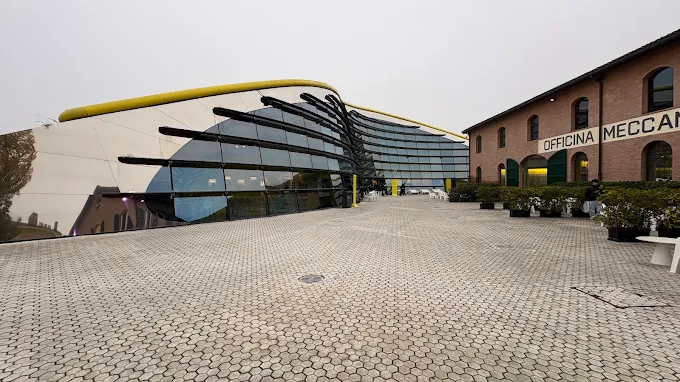
I stand in the museum entrance at 9:00 on a June morning. The air hums with quiet energy. An espresso costs one euro forty at a sleek bar just inside the gates. I look ahead — polished red machines line the hall, curves honed by wind and race, engines displayed like sculpture, and beyond the glass, the factory complex stretches toward the Modena hills. This is where Ferrari was born — not a brand, but a stubborn, fiery vision forged by one man and carried forward by generations. People come for the cars. They find something deeper — a legacy built on speed, discipline, and refusal to compromise.
Why Modena Matters
Enzo Ferrari grew up here, in a house beside the workshop that became his life. He raced cars, built them for others, then in 1947 launched his own name above the door. Every car bears the mark of this land — the same engineering culture that shaped Maserati and Lamborghini nearby, the same relentless drive to refine and improve. Today the museum draws hundreds of thousands, but the beating heart remains the working factory next door. That fame brings its own strain. Tickets sell out weeks ahead. The narrow roads clog with visitors. Some nearby workshops have closed. The region balances heritage with global demand — and that balance is delicate.
The Best Time to Experience Modena
Late April through June brings warm days, clear skies, and thinner crowds. Temperatures sit between 12°C and 25°C (54°F–77°F). Light falls perfectly on polished paintwork. July and August warm to 20°C and 32°C (68°F–90°F). The museum feels busier and the city bakes in midday heat. September offers golden light and motorsport atmosphere — 15°C to 27°C (59°F–81°F). Visitors thin out and air stays crisp. Early October remains pleasant — 12°C to 22°C (54°F–72°F) — but evenings cool fast. Winter holds quiet, bright days: 5°C to 11°C (41°F–52°F). The museum runs on reduced hours and feels far more peaceful. Arrive before 9:30 AM any time of year — that is when the halls feel most yours and the light glows clearest on red.
Approximate Budget for a 7-Day Trip
Prices below are per person, in euros, based on staying in Modena.
- Accommodation: 7 nights centrally — €75–175 per night. Total: €525–1,225. Staying in nearby towns costs 25–35% less; driving or taking a train in takes 15–25 minutes longer.
- Food & Drink: Breakfast, two meals daily — €30–55 daily. Total: €210–385. Restaurants right beside the museum charge premium prices; walk ten minutes inward for tortellini, balsamic specialties, and local Lambrusco at fair rates.
- Transport & Tickets: Train from Bologna — €6–12 return; museum entry — €18–32; factory tour — €40–130. Parking near the museum is limited — use public transport or park further out and walk.
- Activities: Modena cathedral, balsamic vinegar tastings, nearby supercar hubs — €25–60.
- Miscellaneous: Water, hat, comfortable shoes — €12–22.
Total estimated 7-day cost: €810–1,894
"VIP exclusive garage access" and "private test drive" packages are often overpriced. The standard museum covers every era beautifully. Book early, arrive early, and you will experience the magic without paying premium fees.
Essential Modena Experiences
- Main Museum Halls — Walk through decades of design. Early race cars, championship winners, and modern road models stand in quiet succession. You see how shapes changed — from functional to sculptural — while the soul stayed constant. It is not just machinery; it is evolution. Skip if you arrive late; crowds obscure details and quiet vanishes.
- Engine and Technology Gallery — Step into the technical wing. V8s, V12s, and hybrid powertrains displayed open, revealing the precision inside. It reminds you every win begins as engineering — disciplined, exact, endlessly refined.
- Factory and Fiorano Track View — Look across the working complex. Cars move slowly between buildings, test laps run faint and distant on the private circuit. This is not a show — it is where new cars are born and broken in. It feels alive, not preserved.
- Modena Cathedral and Piazza — Wander the medieval heart. Striped stone facade, tall bell tower, and ancient squares. This is the older Modena — steady, enduring, the foundation beneath the fame.
- Balsamic and Local Food — Taste aged vinegar, tortellini, and cured meats. Slow food for fast people — patience is valued here as much as speed. It grounds the visit in place and time.
- Sunset Walk — Stroll the tree-lined avenues as light softens. Red cars pass quietly — ordinary vehicles in their native land. It feels normal, proud, and entirely authentic.
Hidden Gems Most Travelers Miss
- The quiet residential street behind the museum has vintage workshops and small family garages. Older mechanics work on classic cars — no crowds, no tickets, just craft in action. Very few visitors find this lane.
- The smaller local motor museum, ten minutes away, holds privately owned classics. Less polished, more personal, and full of stories. It feels like a collection built by love, not budget.
- The viewpoint near the old railway bridge looks across the factory roofs at golden hour. No signage, no crowds — just quiet light on red and white buildings.
- The "Modena VIP Backstage & Exclusive Collection Tour" is overpriced. Every significant car and story is covered on standard tickets. Book early, walk the side streets, and stay late — that is how you truly experience it.
Cultural & Practical Tips
- Book museum tickets 2–4 weeks ahead. Weekends and holidays sell out completely — same-day entry is rarely available.
- Arrive before 9:30 AM. Light is best, halls are quietest, and you see details without obstruction. After 11:00 AM the dynamic shifts noticeably.
- Respect factory boundaries. The working areas are strictly off-limits — photography is restricted and security is serious. Observe from designated zones only.
- Wear comfortable shoes. The museum spreads across connected buildings, and the city centre is best explored on foot.
- Look beyond the emblem. Modena built more than cars — music, food, and engineering have all flourished here. Give time to the cathedral and markets; they explain the city better than any showroom.
- Try Lambrusco. Local sparkling red pairs perfectly with rich food — it is not what you expect, and it belongs here.
- Stay for evening. Day-trippers leave, streets quiet down, and Modena feels most itself — proud, lively, and welcoming.
Essential Visitor Information
Location & Access: Modena, Emilia-Romagna, Italy. Coordinates roughly 44.65° N, 10.93° E. Three ways to arrive: train from Bologna — 35 mins; train from Milan — 2 hours; drive from Florence — 2 hours 15 mins.
Tickets & Booking: City streets free. Museum — €18–32; factory/track tours — €40–130. Book all experiences well ahead; same-day availability is rare.
Operating Hours: Museum roughly 9:30 AM to 6:00 PM; closed certain public holidays. Factory tours run selected weekdays only.
Visit Duration: Minimum 1 full day. Recommended 2–3 days to explore museum, city centre, nearby food and motor sites without rushing.
Family Suitability: Good for older children. Interactive zones engage younger ones, but crowds can feel overwhelming. The museum is fully accessible.
Timing: Best seasons are late April–June and September. Best time of day is before 9:30 AM or late afternoon.
Highlights: Main halls at opening, engine gallery, factory view, cathedral, quiet workshop lane, sunset viewpoint.
Nearby & Day Trip: Bologna — 35 mins. Maranello — 20 mins. Parma — 1 hour. Florence — 2 hours 15 mins.
Conclusion: Travel with Respect, Not Just Adrenaline
Modena gives you speed that took lifetimes to perfect. You can admire the cars and leave. Or you can taste the slow-aged vinegar, walk the ancient cathedral square, remember Enzo Ferrari was born here and buried here, and understand — greatness is never instant. It is built, tested, revised, and repeated, day after day. Honouring that patience is the finest compliment you can pay. What is the one legacy you would visit promising to respect its quiet, steady work?
Comments
Post a Comment