
Oxford University Colleges Academic Tradition Meets Gothic Grandeur
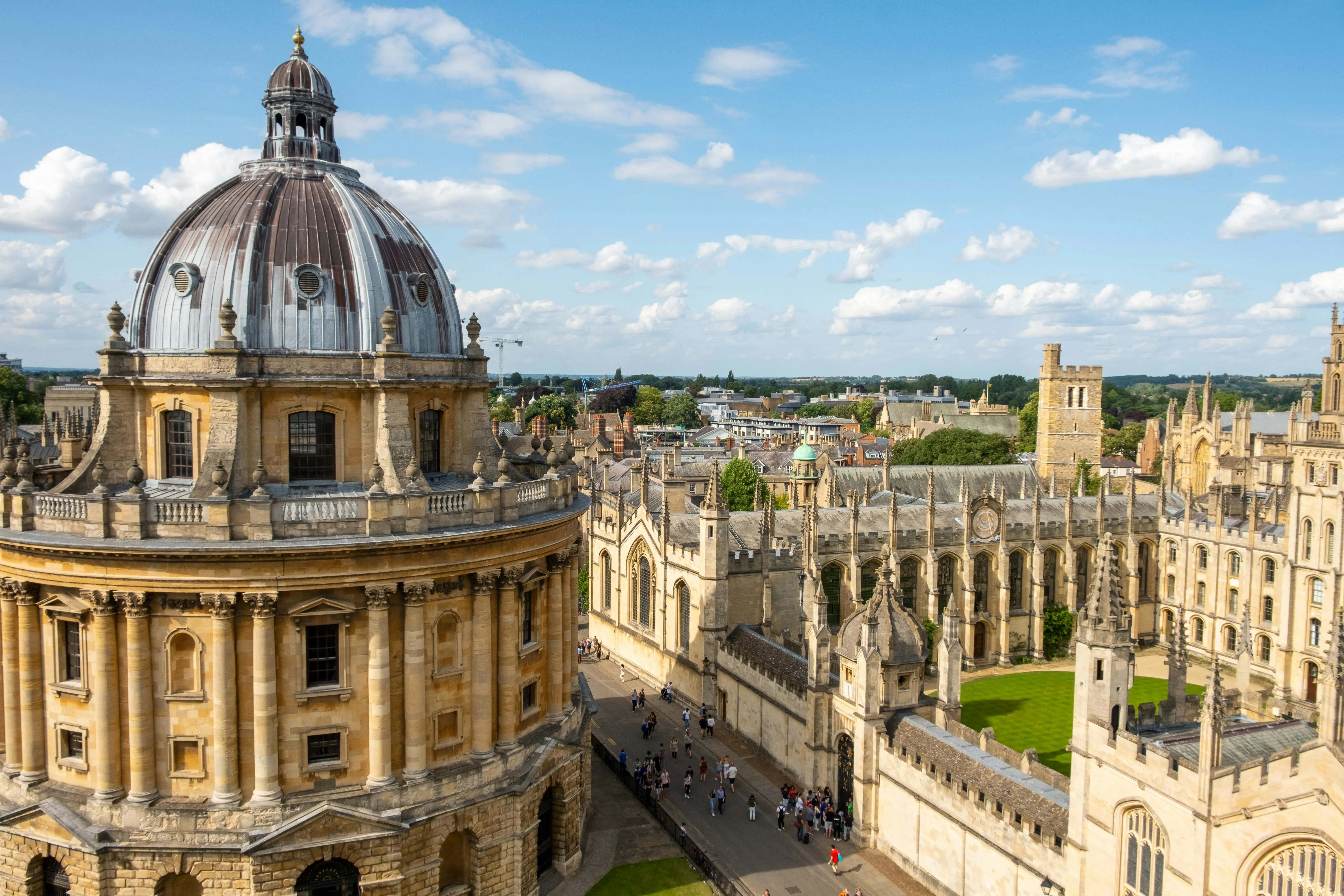
The bell tolls—a deep, resonant boom that vibrates through the chest—as you stand beneath the Great Tower of Christ Church at 5:45 PM, watching the light fracture across the honey-colored Cotswold stone. The air smells of old paper and cut grass; the silence hums with the weight of nine centuries of scholarship contained within these quadrangles. Founded in 1096, the Oxford University colleges comprise 38 independent institutions spread across the city, each a self-contained world of dining halls, chapels, and libraries. You stand in the Bodleian Square, where the Radcliffe Camera rises 43 meters into the sky, while students cycle past in gowns that flutter like dark wings against the limestone. Every archway tells a story: medieval scholars disputing theology, Victorian poets finding inspiration, and modern researchers decoding the human genome. In 2026, as digital learning transforms education globally, visiting the Oxford University colleges means engaging with a physical sanctuary of knowledge. This place matters now because it remains the oldest university in the English-speaking world, challenging visitors to confront the continuity of learning while navigating the splendor of academic architecture.
Why Oxford University Colleges Embodies Academic Architectural Heritage
The Oxford University colleges solve the educational need for a communal living and learning environment—a feat achieved through the unique collegiate system established in the 13th century. When University College opened in 1249, it set the precedent for independent halls governed by their own statutes, creating a federation rather than a single campus. The architecture spans styles from Norman to Neo-Gothic, utilizing locally quarried Headington stone that weathers to a distinctive golden hue over decades. Engineering-wise, the Divinity School, completed in 1491, features a fan-vaulted ceiling suspended without central columns, a structural marvel that supports the weight of the Duke Humfrey's Library above. The colleges cover over 100 hectares of the city center, with some gardens dating to the 1600s, preserving green space within the urban fabric. Today, the University manages the balance between active academic use and public tourism, restricting access during exams to protect student welfare. This unique status ensures the Oxford University colleges remain not merely a museum of education but a living institution, blending medieval tradition with modern research in a manner few universities sustain.
The Best Time to Experience Oxford University Colleges
For optimal access and manageable crowds, plan your visit between May 15–June 20 or September 10–October 15, when temperatures range from 15–22°C (59–72°F) and daylight extends until 9:00 PM. Arrive precisely at 9:00 AM when gates open to beat the tour groups that typically converge by 11:00 AM; the morning light illuminates the quadrangles beautifully without the glare of midday sun. Evening visits during summer offer a romantic atmosphere as the sun sets behind the spires, though many colleges close at 5:00 PM. Avoid May 1–June 15 during Trinity Term exams, as many colleges close completely to tourists to ensure student quiet. Winter months (December–February) offer shorter lines but temperatures drop to 2–8°C (36–46°F), and the stone becomes uncomfortably cold to touch. For college opening schedules, verify the calendar at ox.ac.uk before booking, as term dates shift annually. Tuesday and Thursday mornings typically see the lowest visitor volume, allowing for quieter contemplation in the cloisters.
Approximate Budget for a 7-Day Trip (2026)
Oxford remains a premium destination, but staying in the city center provides immediate access to the colleges without excessive transport costs. These 2026 estimates assume a moderate travel style, accounting for approximately 3-4% annual inflation in UK hospitality and attraction pricing.
- Accommodation: £130–£300 per night for a double room in Oxford City Centre, Jericho, or Headington; budget hostels from £50/night in nearby Cowley
- Food: £50–85 per day—breakfast £10–15 (café pastry or full English), lunch £15–25 (pub meal or college cafeteria), dinner £25–45 (mid-range restaurant with wine); traditional ploughman's lunch £16
- Transportation: £15.00 daily average for local buses; Train from London Paddington to Oxford £45 return; Taxi from station £15 minimum
- Attractions: Christ Church £20.00 adult, Bodleian Library Tour £25.00, Ashmolean Museum free, Magdalen College £10.00, Oxford Castle £19.00
- Miscellaneous: Souvenir guidebook £15, university postcards £5, rain jacket (essential) £35, travel insurance £50 for week
Total for 7 days: £1,450–2,050 per person (excluding international flights)
7 Essential Oxford University Colleges Experiences
- Christ Church Hall Tour: Walk the dining hall that inspired Hogwarts. Open 12:00 PM–5:00 PM; the hammerbeam roof soars 18 meters high. Look for the portraits of alumni on the walls; the light streams through the stained glass at noon.
- Bodleian Library Divinity School: Enter the oldest reading room in the university. Tours run hourly; the fan-vaulted ceiling is intricate. The stone floor is cold; listen to the guide explain the medieval construction techniques used in 1491.
- Magdalen Tower Climb: Ascend the 15th-century tower for panoramic views. Open 10:00 AM–4:00 PM; the 100 steps are steep. The view encompasses the High Street and the deer park below; the bells chime every hour.
- Punting on the Cherwell: Hire a flat-bottomed boat to pole along the river. Open 10:00 AM–6:00 PM in summer; the water is calm. The perspective from the water reveals the college backs that are invisible from the streets.
- Radcliffe Camera Exterior: Photograph the iconic circular library from the square. Best light occurs at 8:00 AM or 7:00 PM; the stone glows amber. Use the benches to frame the shot without obstructing the pedestrian flow.
- New College Cloisters: Walk the covered walkways surrounding the garden. Open 10:00 AM–5:00 PM; the ivy-covered walls are historic. The wooden screens in the hall date to the 17th century; the atmosphere is hushed and scholarly.
- Ashmolean Museum Visit: Explore the world's first university museum. Open 10:00 AM–5:00 PM; the collections span archaeology to art. The rooftop restaurant offers a view over the city; the Egyptian mummies are a highlight.
3 Hidden Gems Most Travelers Miss
- St. Mary's University Church Tower: This 17th-century tower offers the best view of the Radcliffe Camera. Access via the church entrance on High Street; open 9:00 AM–5:00 PM. Most tourists stay on the ground, missing the 127 steps that lead to a vantage point directly opposite the dome.
- Jesus College Garden: Located in the center of the city, this quiet garden is often empty. Access via the main gate on Turl Street; open during daylight hours. The tulip tree dates to 1681; it offers a serene spot to read away from the tourist crowds on the High Street.
- The Eagle and Child Pub: This historic pub hosted the Inklings literary group. Access via St. Giles'; open 11:00 AM–11:00 PM. Look for the "Rabbit Room" where Tolkien and Lewis met; the wood paneling retains the scent of pipe tobacco from decades past.
Cultural & Practical Tips
- Dress code: Shoulders and knees should be covered when entering chapels. Security may deny entry to those dressed inappropriately, so carry a scarf or light jacket for coverage during summer visits.
- Photography rules: Photography is permitted in courtyards for personal use without flash. Interior photography is strictly prohibited in libraries and halls to protect artifacts. Phones must be silenced and stored during guided tours.
- Exam closures: Many colleges close during exam terms (May–June). Verify opening status online before traveling; do not attempt to enter closed gates as security is strict.
- Local phrases: Learn "Mind the gap" (watch the step), "Cheers" (thanks), and "Queue here" (wait in line); locals appreciate visitors who respect pedestrian flow on the narrow pavements.
- Weather preparedness: Oxford is exposed to rain; carry a compact umbrella (£10 from Boots pharmacy) and waterproof layers. Stone surfaces become slippery when wet—wear shoes with good grip.
- Accessibility: Many colleges have steps and uneven cobblestones; wheelchair access is limited. Contact specific colleges ahead to arrange assistance for entry; some offer virtual tours if physical access is impossible.
- Respectful behavior: Keep voices lowered in quadrangles; students live and study here. Do not knock on residential doors or lean on the historic stonework; the mortar is centuries old and fragile.
Conclusion: Travel with Curiosity, Not Just Checklists
The Oxford University colleges demand more than a snapshot beside the spires—it invites you to contemplate the weight of knowledge resting on that ancient stone. When you walk the quadrangles in 2026, tracing the same paths worn by scholars for centuries, you're not just ticking a sightseeing box; you're witnessing the delicate balance between academic privacy and public heritage. As overtourism pressures historic landmarks, visiting mindfully means respecting the working nature of this institution, understanding that behind the locked gates, real students live and learn within these walls. Walk slowly across the cobblestones, noticing how the light changes on the limestone; listen to the silence of the library not as emptiness but as focus. Leave only footprints on the grass, take only memories of intellectual grandeur, and carry forward the understanding that places like this endure because each generation chooses to nurture them—not as theme parks, but as living testaments to learning, history, and the enduring human quest for understanding.