
Quiberon Peninsula Atlantic Wildness Meets Belle Époque Elegance
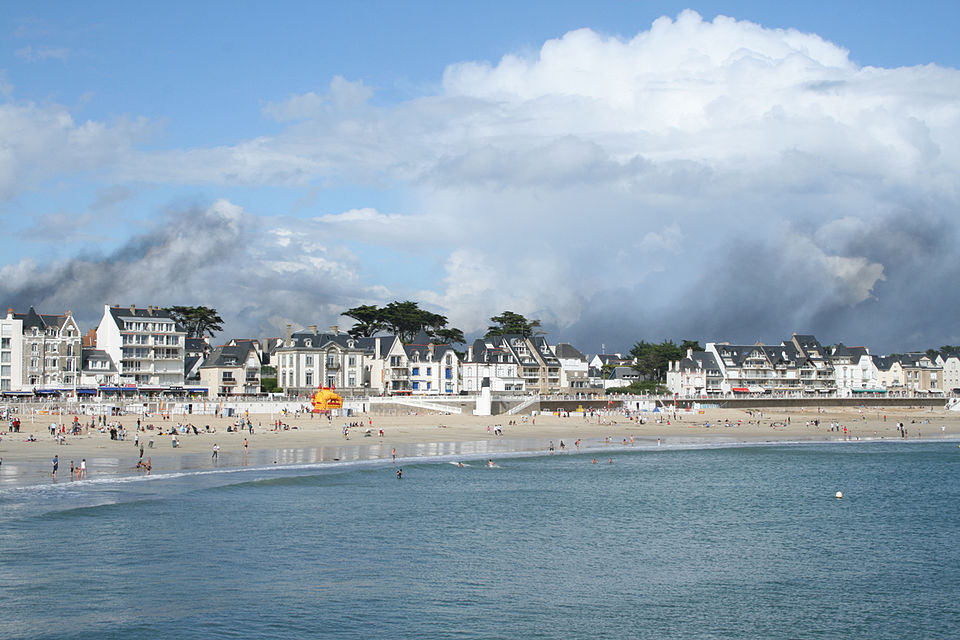
The transformation begins before dawn. As first light touches the southern coast of Brittany, the Quiberon peninsula emerges from mist like a ship of stone sailing through emerald waters. Waves crash against the Pointe du Percho's 40-meter cliffs with rhythmic thunder, sending plumes of salt spray high above the heather-covered headlands. The air carries the briny perfume of exposed seaweed mingling with woodsmoke from boulangerie ovens in the village below, while fishing boats bob gently in Port-Haliguen's sheltered harbor. This isn't the Mediterranean's gentle coastline but something more primal: an 11-kilometer finger of land where granite meets Atlantic fury, where thalassotherapy pioneers built Belle Époque villas that now shelter Europe's most dramatic coastal walks. In 2026, Quiberon remains France's most authentically wild yet refined peninsula—not preserved behind glass, but breathing with the tides that shaped it.
Why Quiberon Peninsula Embodies Atlantic Duality
Quiberon peninsula represents more than scenic beauty—it embodies Brittany's unique balance between wild nature and human refinement through geological drama and cultural adaptation. Formed by ancient granite outcroppings, this 11-kilometer spit features Europe's most dramatic coastal contrasts: the northern shore's gentle beaches face the mainland, while the southern coast's 40-meter cliffs withstand Atlantic fury at Pointe du Percho. Unlike tamed coastal resorts, Quiberon maintains raw authenticity: 50% of its territory remains protected natural space under Natura 2000 designation, local fishermen still unload daily catches at Port-Haliguen, and the peninsula's 5,200 residents maintain ancestral trades despite seasonal tourism. The peninsula's cultural significance stems from dual legacy—prehistoric menhirs dot the landscape alongside Belle Époque villas built during the 1890s thalassotherapy boom when doctors prescribed seawater treatments for nervous disorders. Crucially, development remains strictly controlled: no building exceeds two stories, all structures must be painted white with blue shutters, and cars are restricted in the historic village center—preserving Quiberon's wild character against modern pressures.
The Best Time to Experience Quiberon Peninsula
For optimal conditions—dramatic coastal light, manageable crowds, and authentic local rhythm—visit between May 20 and June 15 or September 10–25. Daytime temperatures average 17–23°C (63–73°F), creating ideal conditions for coastal hikes without summer's intensity. Mornings between 7:30–9:30 AM offer the most magical illumination: low-angle sun transforms the turquoise coves into liquid sapphire while casting long shadows that accentuate the cliffs' stratified geology—a critical window before day-trippers arrive from Auray. September provides a second excellent opportunity: departing crowds, stable weather, and autumn light that intensifies the heather's purple blooms while fishing boats prepare for winter. Avoid July 15–August 20 when temperatures exceed 25°C (77°F), ferry queues exceed 90 minutes, and many local artisans close shops for vacation. Note that winter months (November–February) offer stark beauty and complete solitude for storm-watching, though many establishments reduce hours and ferry service becomes limited. Verify current schedules at quiberon.com before travel.
Approximate Budget for a 7-Day Trip (2026)
Based on 2025 benchmarks adjusted for 4% inflation (per INSEE and Bretagne Tourism Board projections), a realistic mid-range budget for a Quiberon-focused itinerary requires €1,500–€2,000 per person excluding international flights. Accommodation ranges from €95–€140 nightly for family-run guesthouses in the village center or boutique hotels near Port-Haliguen—essential for experiencing peninsula atmosphere after day-trippers depart. Daily food costs average €85–€100: breakfast at local boulangeries (€7), lunch of fresh seafood at harbor taverns (€24–€30), and dinners featuring locally caught fish with Muscadet wine (€45–€55). Transportation necessitates ferry booking and bicycle rental, as cars are restricted in the historic center.
- Accommodation: €95–€140 per night for a family-run guesthouse in Quiberon village or boutique hotel near Port-Haliguen—essential for experiencing peninsula atmosphere after day-trippers depart.
- Food: €85–€100 per day—breakfast at boulangerie (€7), lunch of fresh mussels and cider at harbor tavern (€26–€32), dinner featuring grilled sea bass with Muscadet wine (€48–€58).
- Transportation: Ferry from Auray to Quiberon: €12 round-trip (book via navix.fr). Bicycle rental essential: €20/day for quality touring bikes. Walking is optimal for coastal exploration.
- Attractions: Thalasso spa experience: €45. Pointe du Percho guided hike: €18. Menhir de Kerlévénec visit: free. Boat tour of southern cliffs: €28. Allocate €110 total.
- Miscellaneous: €65 for artisanal salt from Île de Houat, locally woven woolens, or contributions to the Peninsula Conservation Association.
Total Estimated Cost: €1,500–€2,000 for seven days, excluding international flights.
5 Essential Quiberon Peninsula Experiences
- Pointe du Percho Coastal Path: Hike the 4-kilometer GR34 trail along Europe's most dramatic cliffs at 8:00 AM—observe how the 40-meter granite faces change color with shifting light, from silver to rose-gold.
- Port-Haliguen Fishing Harbor: Visit this authentic port at 9:00 AM when boats return with night catches—watch the ritual of unloading langoustines and sea bass at Brittany's most picturesque fishing village.
- Belle Époque Architecture Walk: Explore the village center at 10:00 AM to admire thalassotherapy villas built in the 1890s—learn how seawater treatments for "nervous disorders" created this unique architectural heritage.
- Menhir de Kerlévénec: Visit this prehistoric standing stone at 4:00 PM when afternoon light creates dramatic shadows—contemplate how Bronze Age people aligned these monuments with celestial events.
- Plage de Portivy Sunset: Cycle to this western beach at 7:30 PM for sunset views where the Atlantic meets granite—experience the same light that inspired thalassotherapy pioneers and modern conservationists alike.
3 Hidden Gems Most Travelers Miss
- Grotte de Port Blanc Secret Cove: Accessible only 90 minutes before/after low tide via coastal path west of Pointe du Percho—reveals a hidden sea cave where prehistoric artifacts were discovered, accessible through a narrow rock passage (check tide tables at tourist office).
- Chemin des Douaniers Secret Path: Behind Plage de Penthièvre, follow an unmarked trail (look for weathered blue post near dune access) to a secluded cove where wild orchids bloom among granite boulders—locals call it "la crique des thérapeutes" (therapists' cove).
- Atelier du Sel Marin: A working sea salt harvesting workshop hidden in a boathouse at 12 Quai de l'Aiguillon—observe artisans collecting fleur de sel using techniques unchanged since the 19th century (open Tuesday/Thursday mornings by appointment: +33 2 97 30 88 14).
Cultural & Practical Tips
- Ferry Booking Essential: Reserve ferry tickets exactly 30 days ahead at 9:00 AM CET via navix.fr—summer slots sell out within hours. Always print QR codes; mobile tickets often fail in this remote signal zone.
- Bicycle Protocol: Quiberon is France's most bicycle-friendly peninsula (30km of dedicated paths)—always cycle single-file on shared paths, ring bells before passing pedestrians, and never lock bikes to dune vegetation.
- Tide Awareness: Never venture onto tidal areas without consulting official tide tables—rising tides move faster than walking speed and have trapped unwary visitors. Download the free "Maree Info" app before arrival.
- Learn Key Phrases: "Demat" (hello in Breton), "Trugarez," and "Une langoustine fraîche, mar plij" (fresh langoustine, please) show respect in this proudly maritime community.
- Environmental Responsibility: Never remove shells or marine life from tidal zones—these ecosystems are protected under Natura 2000. Carry reusable containers for purchased seafood to avoid single-use plastics.
Conclusion: Travel with Atlantic Reverence, Not Just a Camera
Quiberon peninsula endures not as playground for consumption, but as living classroom in coastal resilience—where humans thrive by adapting to nature's rhythms rather than dominating them. As a conscious traveler, your presence should honor this balance: support local fishermen practicing sustainable harvesting (look for "Pêche Durable" certification), time explorations with tidal cycles rather than convenience, and understand that every grain of sand here has been shaped by centuries of patient negotiation between land and sea. Sit quietly on the Pointe du Percho at dusk and watch the tide's return—the same rhythm that guided thalassotherapy pioneers and modern mariners alike. By approaching these shores not as backdrop for leisure, but as teacher of temporal wisdom, you help ensure this peninsula continues to shelter not just recreation, but wildness—for those who recognize that true coastal beauty resides not in dramatic spectacle, but in the gentle, daily gift of safe return.