
Retiro Park, Madrid Royal Gardens Meet Urban Life
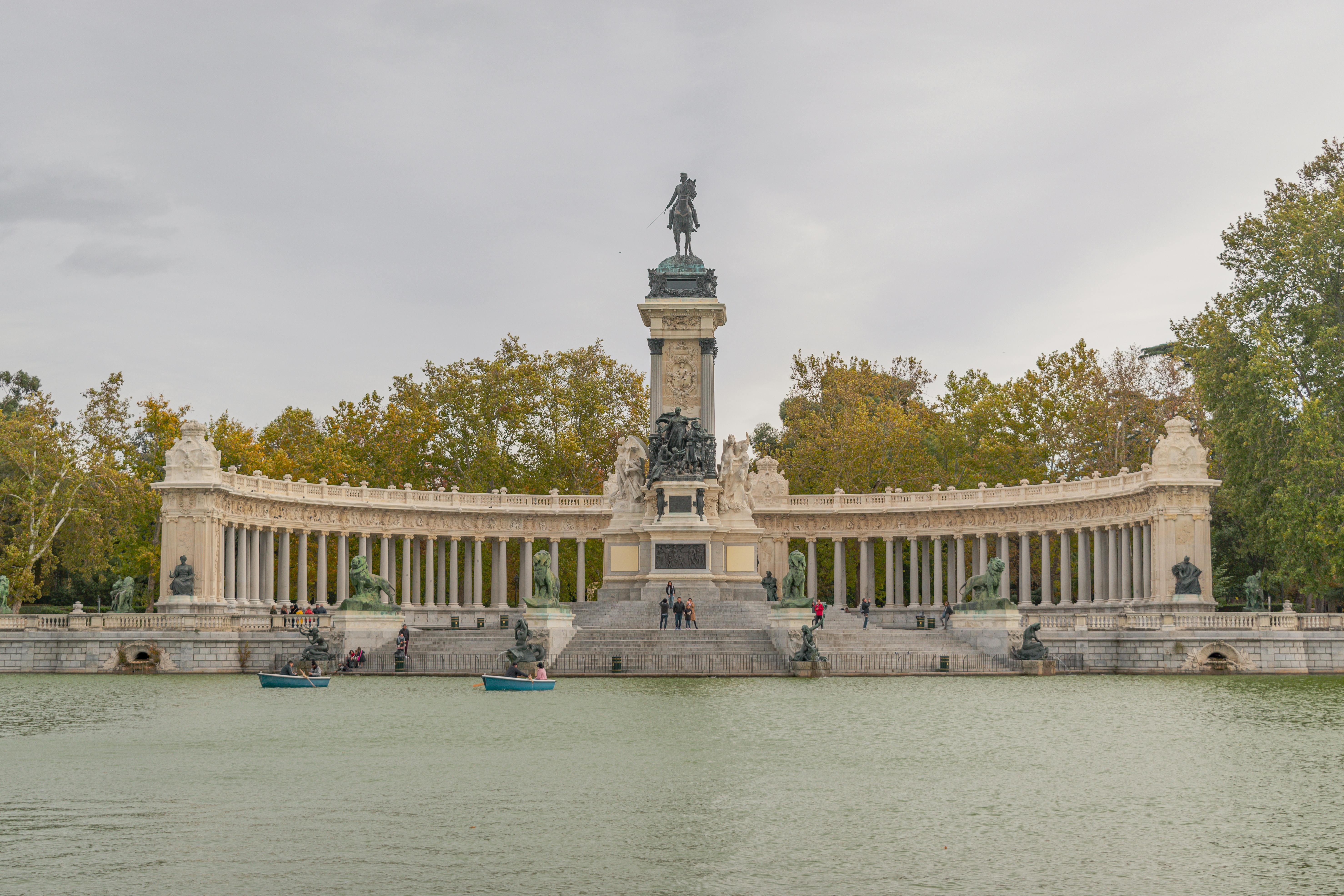
The morning light filters through the canopy of 15,000 trees, casting dappled shadows on the gravel paths that crisscross 125 hectares of green space. You hear the rhythmic splash of oars on the Great Pond—the Estanque Grande—where wooden rowboats glide beneath the monument to Alfonso XII. The air smells of cut grass and roasted chestnuts from vendors near the gates; the distant hum of the Prado Museum traffic fades into a murmur of birdsong and street guitarists. This is Retiro Park, Madrid, a former royal hunting ground opened to the public in 1868 following the Glorious Revolution. You walk on paths worn smooth by over 150 years of public use, where 19th-century lampposts still illuminate the evening strolls. In 2026, as urban density increases globally, the Retiro Park, Madrid remains a vital lung for the city—a place where nature is not wild but curated, demanding respect for its historical design and its role as a communal living room.
Why Retiro Park, Madrid Embodies Urban Harmony
The Retiro Park, Madrid represents one of Europe's most significant examples of landscape architecture, solving the critical need for public green space in a rapidly expanding capital. Originally created in the 1630s for King Philip IV as part of the Buen Retiro Palace complex, the park was designed to provide a secluded retreat for the monarchy away from the Royal Palace. The engineering of the Great Pond, constructed in 1634, involved complex hydraulic systems to channel water from the Alto Abroñigal stream, creating a 1.5-hectare artificial lake that remains the park's centerpiece.
Following the 1868 revolution, the state confiscated the grounds, transforming 125 hectares of private royal land into a public park. The Crystal Palace (Palacio de Cristal), built in 1887 by Ricardo Velázquez Bosco, utilizes a revolutionary iron-and-glass structure designed to withstand wind loads while maximizing light for exotic plant exhibitions. The park features over 15,000 trees including 400-year-old Montezuma cypresses and rare species from the Americas. This integration of hydrology, architecture, and botany makes the Retiro Park, Madrid not merely a garden but a historical document of Spanish landscape evolution, where every statue and fountain serves a narrative purpose within the green expanse.
The Best Time to Experience Retiro Park, Madrid
For the optimal Retiro Park, Madrid visit, target April 15–June 10 or September 15–October 25, when temperatures range between 15–25°C (59–77°F) and the roses in the Rosaleda are in full bloom. The park opens at 6:00 AM daily; arrive between 8:00–9:30 AM to witness locals jogging and practicing tai chi before tourist crowds converge near the Crystal Palace. Sunset—specifically 7:30–9:00 PM in summer—offers magical lighting on the pond, though the park closes at 10:00 PM in summer and 6:00 PM in winter. Spring coincides with San Isidro Festival, causing accommodation prices to increase 50–70%; book lodging four months in advance if visiting during this period.
Avoid July 15–August 25 unless you tolerate extreme heat; temperatures regularly exceed 35°C (95°F), making the gravel paths radiate intense thermal energy. The lack of shade in the open plazas exacerbates the heat. Winter months (December–February) bring cold weather (5–12°C / 41–54°F) but fewer crowds, allowing for contemplative exploration. The Crystal Palace closes on Mondays; verify current hours at www.madrid.es or contact the park information office at parquebuenretiro@madrid.es (+34 914 008 740). Weekday mornings typically see the lowest visitor density, allowing for clearer photography of the monuments without obstruction.
Approximate Budget for a 7-Day Trip (2026)
Madrid offers excellent value for cultural travelers, though costs fluctuate during major events like ARCO or San Isidro Festival. The following budget assumes mid-range comfort with a focus on local experiences, based on 2026 pricing with approximately 3.5% inflation from 2025 figures. Estimates include stays near the historic center for easy access to the Retiro Park, Madrid.
- Accommodation: €80–€150 per night for a double room in a boutique hotel or renovated apartment in Centro, Sol, or Jerónimos neighborhoods; luxury options near the park command €200–€400 per night
- Food: €45–€65 per day—breakfast €5–€9 (café con leche and churros con chocolate), lunch €15–€25 (menú del día including cocido madrileño, salad, and wine), dinner €25–€35 (tapas selection including calamari and jamón ibérico)
- Transportation: Train from Barcelona Sants to Madrid Atocha: €50–€80 high-speed AVE (2.5 hours); Metro single ticket: €1.50 or €18.50 10-trip pass; taxi from airport: €35 fixed rate; bike rental: €15 per day
- Attractions: Retiro Park, Madrid entry: free; Boat rental on lake: €6 per hour; Crystal Palace: free; Prado Museum: €16; Royal Palace: €13; Reina Sofía: €10
- Miscellaneous: Art books from €20; local wine €8–€20 per bottle; horchata drink €3; artisan leather goods €30–€70; guided park tour €20
Total estimated cost for 7 days: €1,050–€1,450 per person (based on double occupancy; solo travelers should add 35–45% for single supplements)
7 Essential Retiro Park, Madrid Experiences
- Row a Boat on the Great Pond: Rent a wooden rowboat from the dock near the Alfonso XII monument. The hourly rental costs €6 and allows you to glide beneath the statue and towards the fountain. Visit at 10:00 AM when the water is glassy and reflects the surrounding trees. The oars make a rhythmic splashing sound that echoes off the stone embankments. Wear sunglasses to reduce glare from the water; the sun reflects intensely off the pond surface even in the morning. This is the quintessential Retiro Park, Madrid activity.
- Explore the Crystal Palace: Enter the glass pavilion built in 1887 for exotic plant exhibitions. The structure features iron arches and ceramic details by Daniel Zuloaga. Visit at 11:00 AM when the light penetrates the glass walls, illuminating the interior installations. Contemporary art exhibitions are housed here free of charge. The acoustics amplify sound; speak softly to respect other visitors. The building sits beside a small pond with turtles and ducks. It is an architectural masterpiece of the 19th century.
- Visit the Fallen Angel Statue: Locate the bronze sculpture of Lucifer by Ricardo Bellver, raised in 1877. It stands 10 meters above sea level—one of the few public monuments to the devil in the world. Visit between 2:00–4:00 PM when lighting accentuates the dark bronze details. The statue sits on a pedestal featuring reliefs of the expulsion from Eden. It is often overlooked by tourists heading to the pond. The surrounding trees provide shade for contemplation. This piece demonstrates the park's eclectic artistic range.
- Walk the Rose Garden (Rosaleda): Stroll through the formal garden featuring over 4,000 rose bushes of 650 varieties. The scent is intense in May and June when blooms peak. Visit in late afternoon when the sun softens the colors of the petals. The central pergola provides a framed view of the flower beds. Entry is free; open 10:00 AM–sunset. This provides a peaceful retreat from the crowded main paths. The landscaping follows English garden principles.
- Watch the Puppet Theater: Attend a performance at the historic puppet theater near the Plaza de Independencia gate. Shows typically run on weekends at 12:00 PM and 5:00 PM. Tickets cost €5 and sell out quickly; arrive 30 minutes early. The theater building dates to 1920 and retains original wooden seating. The performances are in Spanish but visual storytelling transcends language. It is a favorite among local families. This tradition continues uninterrupted since the early 20th century.
- Observe the Street Performers: Gather near the main promenade to watch musicians, magicians, and living statues. The quality of performance is high due to strict licensing requirements. Visit at 6:00 PM when the evening crowd gathers. Tip performers €1–€2 if you stop to watch; it is customary. The atmosphere is lively but regulated; police monitor noise levels. This reveals the contemporary cultural life of the park. Bring cash for tipping.
- Jog the Main Perimeter: Run the 5.5-kilometer loop around the park's outer edges. The gravel paths are well-maintained but can be dusty in summer. Visit at 7:00 AM when the air is coolest and paths are empty. Water fountains are available every 500 meters; bring a refillable bottle. The route passes all major monuments without entering the crowded center. It is a favorite routine for Madrid residents. Wear shoes with good grip for the gravel surfaces.
3 Hidden Gems Most Travelers Miss
- Royal Observatory of Madrid: Located on a hill within the park at Cuesta de las Observaciones, this 18th-century scientific building offers panoramic views. Entry: €4; open Tuesday–Sunday 10:00 AM–6:00 PM. It is often overlooked as visitors focus on the pond. The neoclassical architecture by Juan de Villanueva is stunning. Contact: +34 915 391 600. Visit early morning for private guided tours that access the telescope room. The gardens surrounding the observatory are quiet and shaded.
- Casa de Vacas: Tucked near the Crystal Palace at Paseo de Coches, 1, this cultural center hosts exhibitions and workshops. Entry is free; open 10:00 AM–8:00 PM. It is often overlooked by tourists rushing to the main attractions. The building features a central courtyard with orange trees. Contact: +34 915 040 098. Visit mid-morning when light illuminates the exhibition halls. It provides cultural context often missing from the park walk. The café inside serves excellent coffee.
- Fountain of the Artichoke (Fuente de la Alcachofa): Located at the southern gate near Atocha, this 18th-century fountain features bronze sculptures of children. Entry is free; open 24 hours. It is often overlooked as visitors enter from the Prado side. The fountain is illuminated at night, creating a dramatic effect. Visit at sunset when the light hits the bronze figures. It marks the historical boundary of the royal grounds. The surrounding plaza is quiet compared to the park center.
Cultural & Practical Tips
- Respect the green spaces: Sitting on the grass is permitted in designated zones only. Do not walk on flower beds or climb statues. Fines for vandalism can reach €300. Security patrols regularly monitor the area. Keep the park clean; use provided bins.
- Master these phrases: "Buenos días" (BWEH-nos DEE-as) for good morning; "Por favor" (por fah-BOR) for please; "¿Cuánto cuesta?" (KWAN-toh KWES-tah) to ask price; "La cuenta, por favor" (lah KWEN-tah) to request the bill.
- Photography guidelines: Tripods are allowed in open areas but not inside the Crystal Palace during exhibitions without permission. Drone usage is strictly prohibited over the monument. Flash photography is discouraged inside buildings. Respect privacy when photographing locals. Early morning offers the best light without crowds.
- Hydration strategy: Madrid's inland location means dry heat; carry a refillable bottle. Public fountains (fuentes) are available throughout the park. The water is potable. Avoid alcohol during midday heat. You'll save €2–€3 daily and reduce plastic waste. Purchase water from kiosks if fountains are unavailable.
- Security awareness: While the park is safe, pickpockets operate near crowded areas like the pond. Keep bags zipped and valuables secure. Do not leave phones on café tables. Allow an extra 15 minutes for security processing during peak festival seasons. Report suspicious activity to park police.
- Footwear selection: The ground consists of gravel, stone, and grass. Wear sturdy walking shoes with cushioned soles. The paths can be slippery when wet. Avoid high heels. Comfortable walking shoes essential for extensive exploration. The gravel can be dusty in summer.
- Weather considerations: The park provides shade but temperatures can feel 3–5°C warmer due to thermal mass. Summer evenings remain hot; bring a fan. Winter rain occasionally makes paths slick; carry an umbrella. Wind speeds are lower in the tree-lined avenues compared to open plazas.
Conclusion: Travel with Reverence, Not Just Reverie
The Retiro Park, Madrid demands more than casual observation—it asks for contemplation of the layers of history embedded in every tree, every statue, every ripple on the pond. When you walk these paths in 2026, you're not merely touring a monument; you're walking through a fragile ecosystem of memory where royal heritage, public access, and modern urban life intersect in delicate balance.
Choose to engage deeply: hire a local guide from the Jerónimos neighborhood rather than a large tour company; purchase tickets directly to support preservation efforts; respect the residential nature of the surrounding streets. The Retiro Park, Madrid survives not as a museum exhibit but as a living community space—and its preservation depends on visitors who recognize the difference between appreciation and consumption.
Slow down. Sit on a bench after the tour buses depart. Listen to the fountain water flowing through centuries-old channels. Taste the sweetness of a churro from a nearby café. The park rewards those who approach it not as a checklist item but as a conversation across time—a dialogue between past and present that continues, like the city itself, in perpetual evolution.