
Viareggio Carnival Satirical Giants Meet Tuscan Sea Breezes
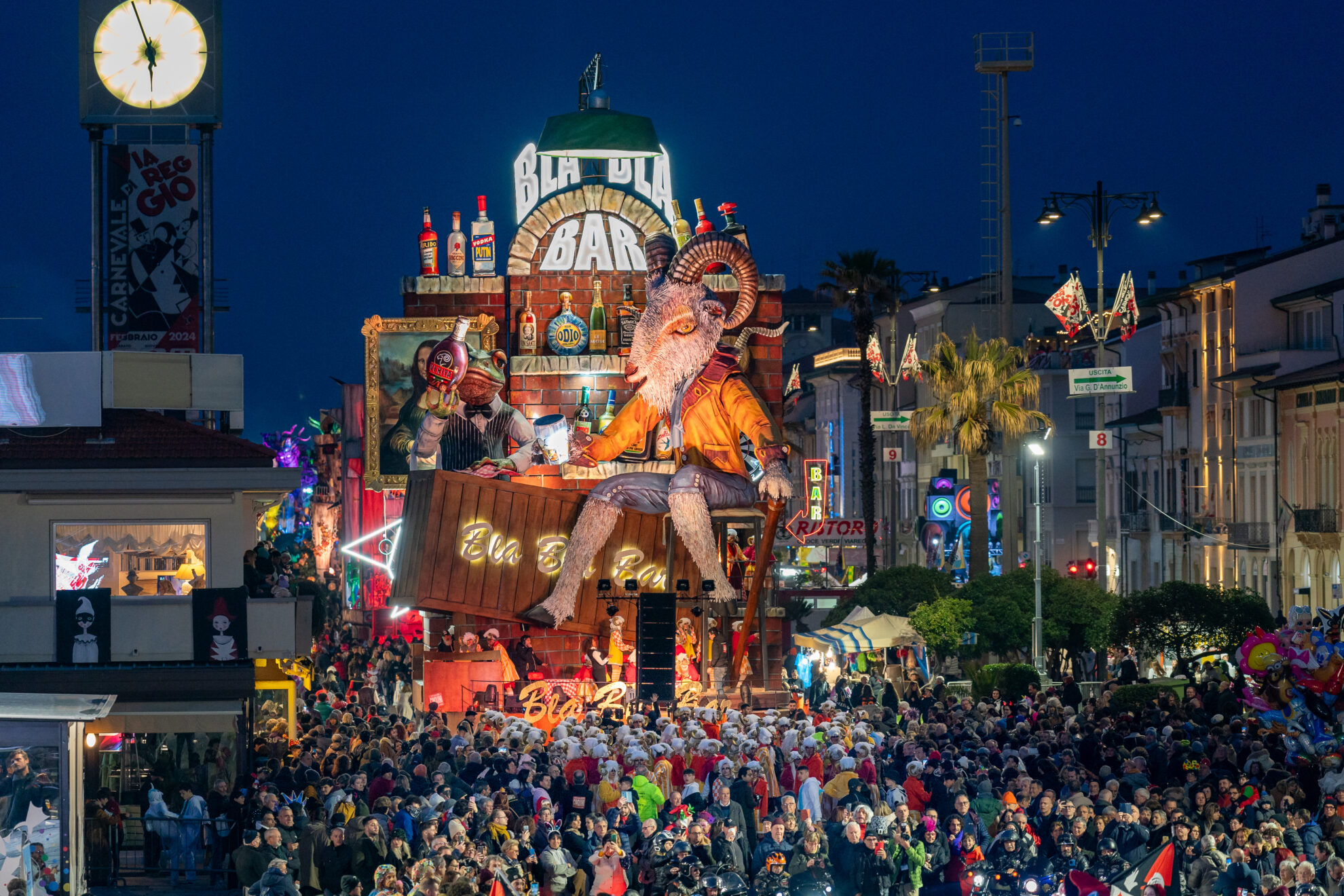
The late afternoon sun gilds the Tyrrhenian Sea as a low, rhythmic thrum begins to pulse through the palm-lined Lungomare di Viareggio. Brass bands strike up a raucous tune—the crowd surges forward—and then they emerge: colossal, animated figures of papier-mâché, some soaring to 20 meters (65 feet), their grotesque, grinning faces lampooning world leaders, celebrities, and current events with fearless wit. You smell salt spray, roasting chestnuts from street vendors, and the faint, earthy scent of damp paper; you hear children’s laughter, the whir of hidden motors, and the collective gasp of awe as a float’s jaw drops open in a silent roar. Born in 1873 as a protest against unfair taxes—a masked ball cleverly held on the beach to avoid municipal levies—this carnival has evolved into Italy’s most spectacular, a UNESCO-recognized festival of art, satire, and civic joy [[1]]. In our age of digital isolation and polarized discourse, the Viareggio Carnival matters now more than ever—it is a tangible, communal space where society laughs at itself, together, under the open sky.
Why Viareggio Carnival Embodies Playful Dissent
The Viareggio Carnival is not mere festivity; it is a centuries-old institution of democratic satire, where power is held accountable through laughter and artistry. Its genesis in 1873 was an act of ingenious civil disobedience by local citizens protesting a new tax on goods entering the city walls—they simply moved their celebration to the public beach, beyond the taxman’s reach [[1]]. This rebellious spirit lives on in the festival’s heart: the allegorical floats, masterpieces of engineering and social commentary built within the 14,000-square-meter Cittadella del Carnevale (Carnival Citadel) [[9]]. Constructed on steel skeletons and layered with papier-mâché made from recycled newspaper and glue, these mobile giants are feats of collaborative craftsmanship, taking months to complete. Each float serves a vital cultural function—it transforms complex global anxieties into digestible, humorous narratives that everyone can understand. The “problem” it solves is profound: in a world overwhelmed by information and division, the carnival offers catharsis through collective ritual. It fulfills the timeless human need to process fear and absurdity not with anger, but with shared mirth, reminding us that no one, not even the most powerful, is above a good-natured ribbing.
The Best Time to Experience Viareggio Carnival
To fully immerse yourself in the 2026 Viareggio Carnival, your visit must coincide with its official parade dates: four Sundays and one Tuesday—February 1, 9, 16, and 23, plus Fat Tuesday on February 24, 2026 [[28]]. The parades commence at 4:00 PM and conclude around 8:00 PM, with the golden hour and subsequent twilight providing the most dramatic lighting for the floats’ intricate details and internal illuminations. Expect daytime temperatures to range from a brisk 10–14°C (50–57°F)—cool enough to require a warm coat and scarf, but not so cold as to deter outdoor revelry [[11]]. Crucially, avoid non-parade days during this period, as the town will be quiet and key attractions like the Cittadella may have limited public access. Conversely, do not miss the final parade on Fat Tuesday (February 24), the emotional climax featuring the symbolic “funeral” of Burlamacco, the carnival’s red-and-white striped mascot created in 1931. For real-time updates on schedules, routes, or weather cancellations, always consult the official source: viareggiocarnevale.com.
Approximate Budget for a 7-Day Trip (2026)
This budget reflects a comfortable, culturally immersive solo traveler experience centered on the 2026 carnival, accounting for Tuscany’s winter pricing and an estimated 4% annual inflation.
- Accommodation: €85–€145 per night. Staying on or near the Lungomare (seafront promenade) offers prime parade access but higher rates. The historic Vecchia Viareggio neighborhood provides charming, slightly more affordable alternatives.
- Food: €48 per day. Breakfast (€5): espresso and cornetto at a local bar. Lunch (€16): seafood pasta like spaghetti alle vongole. Dinner (€27): grilled fish or bistecca alla fiorentina with a glass of local Vermentino.
- Transportation: €125 total. Round-trip regional train from Florence to Viareggio (€22 via Trenitalia). Local transport is minimal—the compact center is walkable, though occasional bus rides (Line 1, €1.50) may be needed.
- Attractions: Parade entry is free. Guided tour of the Cittadella del Carnevale workshop (€12). Carnival Museum admission (€6).
- Miscellaneous: €85. Includes a handcrafted leather mask (€25), carnival fritters (frittelle, €5), roasted chestnuts (€4), and a bottle of local wine (€20).
Total Estimated Cost: €968–€1,073
6 Essential Viareggio Carnival Experiences
- Witness the Dusk Parade on the Lungomare: Arrive by 2:30 PM to secure a spot. As daylight fades, the floats’ internal lights flicker on, transforming them into glowing, animated spectacles. Feel the bass from their sound systems resonate in your chest as they roll past.
- Explore the Cittadella del Carnevale: Book a guided tour of this dedicated workshop complex. See artists sculpting massive heads, engineers assembling steel frames, and learn how tons of recycled paper become towering works of satire.
- Visit the Carnival Museum: Housed within the Cittadella, this museum displays historical masks, costumes, and miniature float models, tracing the carnival’s evolution from 1873 to the present day.
- Spot Burlamacco, the Iconic Mascot: Look for the dapper figure in red-and-white striped pajamas—the official symbol of the carnival since 1931. He makes appearances throughout the festivities for photos and greetings.
- Savor Authentic Carnival Street Food: Follow your nose to stalls selling frittelle (sweet, cream-filled fritters) and castagnaccio (dense chestnut cake). The aroma of roasting chestnuts is the festival’s signature scent.
- Attend the Funeral of the Carnival: On Fat Tuesday night, join the poignant yet celebratory procession that culminates in the symbolic burning or burial of Burlamacco, marking the end of the season and the start of Lent.
3 Hidden Gems Most Travelers Miss
- Bottega Artigiana Maschere on Via San Gaetano: This small, family-run workshop crafts exquisite leather masks using traditional methods. Visit mid-morning to see artisans painting and shaping. No appointment needed—just knock and say “Buongiorno.”
- The Quiet Pine Forest of Pineta di Ponente: Just north of the city center, this coastal pine forest offers a serene escape after the parade’s sensory overload. A dusk walk here provides a peaceful counterpoint to the day’s energy.
- Private Terrace Views at Ristorante La Barca: This seafront restaurant offers reserved terrace seating for the parade—a secret many locals use. Call ahead (+39 0584 XXXXX) in January to inquire about availability and pricing.
Cultural & Practical Tips
- Dress for the coastal chill: February evenings are windy and damp. Wear thermal layers, a waterproof jacket, a hat, and gloves for the long parade.
- Secure your parade spot early: Prime viewing areas on the Lungomare fill up by 2:00 PM. Bring a foldable stool for comfort during the 4-hour event.
- Learn essential Italian phrases: “Che spettacolo!” (keh speh-TAH-koh-loh!) for “What a show!”, “Dov’è il bagno?” (DOH-veh eel BAHN-yoh?) for “Where’s the bathroom?”, and “Un caffè, per favore” (oon kah-FEH).
- Photography etiquette: Flash photography is discouraged near performers. Capture the floats’ grandeur, but be mindful of blocking others’ views.
- Embrace the satire: The floats are meant to provoke thought through humor. Engage with their messages with an open mind and a sense of playfulness.
- Book accommodation by November 2025: Hotels fill up months in advance for carnival dates. Early booking ensures better rates and location.
Conclusion: Travel with Laughter, Not Just Spectacle
In a world burdened by gravity, the Viareggio Carnival is a necessary, joyous rebellion. It teaches us that the sharpest truths are often wrapped in laughter, and that community is forged in shared moments of wonder. Your presence here is not passive tourism—it is active participation in a 150-year-old dialogue between the people and the powers that be. By engaging with the artistry, laughing at the satire, and sharing in the collective euphoria, you help sustain this irreplaceable tradition. In 2026, let your journey be measured not by the number of photos you take, but by the depth of your connection to the human spirit on display. Slow down. Let the music move you. Laugh until your cheeks ache. In that unguarded moment of pure, communal joy, you become part of Viareggio’s enduring, playful soul—and ensure its giants continue to march for generations to come.