
Yorkshire Dales Villages Limestone Walls Meet Timeless Rural Heritage
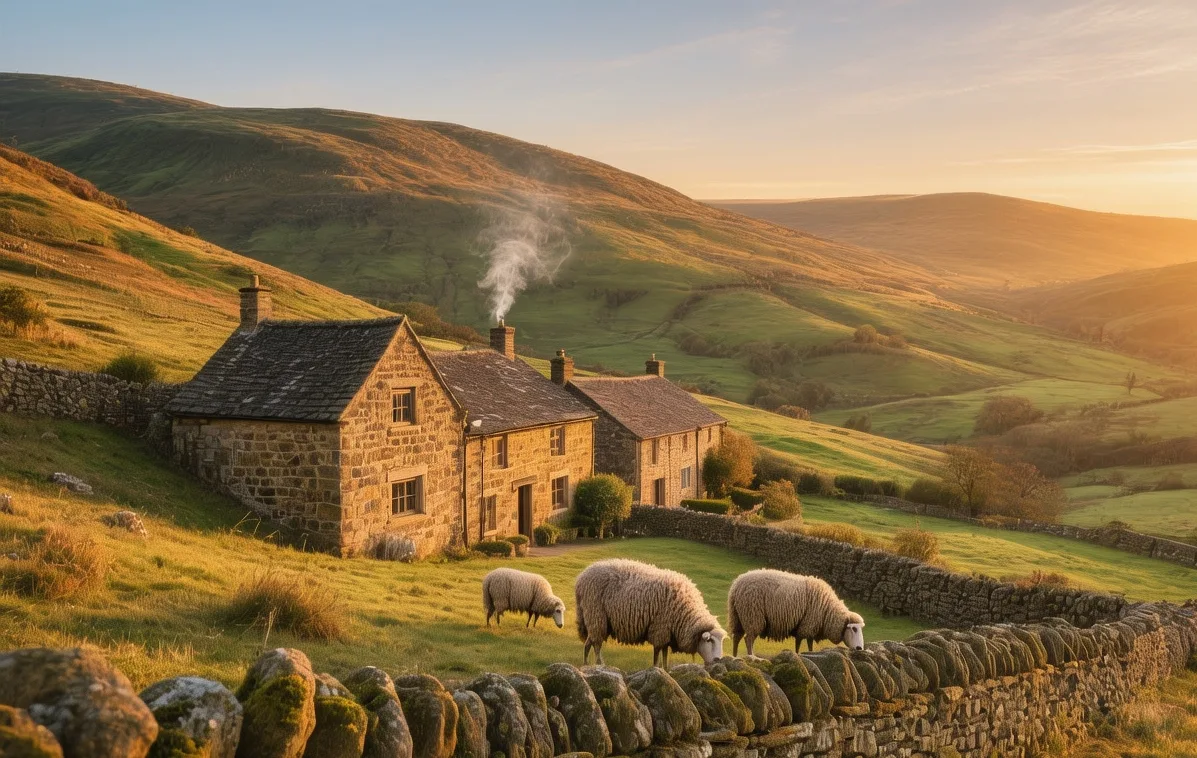
5:30 AM breaks over Grassington—a cobbled square measuring 400 square meters in the heart of the Yorkshire Dales, England. The air bites at 6°C (43°F), sharp with the scent of damp limestone, woodsmoke from chimney pots, and the earthy perfume of grazing sheep. Dawn light spills over the dry stone walls—8,000 kilometers of hand-laid boundaries that stitch the landscape together—illuminating the gray slate roofs of cottages built in 1750. This is not a theme park; it is a working landscape where Yorkshire Dales villages have thrived since the Norman conquest. You hear the distant clang of a sheep bell; a tractor rumbles down the narrow lane toward the milking shed. In 2026, as urbanization accelerates globally, these settlements matter now more than ever. They remain a tangible link to agrarian history—a place where you walk the same flagstones as lead miners and farmers, where the rhythm of life follows the seasons rather than the stock market, and where community resilience is built into every mortarless wall. This is why you visit.
Why Yorkshire Dales Villages Embodies Rural Resilience
The Yorkshire Dales villages aren't merely picturesque backdrops—they are engineering marvels of vernacular architecture adapted to a harsh climate. Constructed primarily from local Carboniferous limestone and gritstone, these settlements date back to the 12th century, with many buildings retaining original cruck frames from 1450. The villages solved a fundamental survival need: shelter against winds reaching 100 kilometers per hour on the exposed fells. The thick stone walls—often 60 centimeters wide—provide thermal mass, keeping interiors cool in summer and warm in winter without modern insulation. In 1954, the area was designated a National Park, protecting 2,179 square kilometers from industrial sprawl. This designation fulfilled a cultural need: preserving a landscape shaped by human hands for millennia. Today, the villages support a population of 25,000 residents who maintain traditional practices like sheep hefting and dry stone walling. The construction technique itself is precise: stones are selected by weight and shape, locked without mortar to allow drainage and movement during frost heave. When you walk these lanes, you traverse a layered history: Viking field systems, Victorian lead mining infrastructure, and a contemporary commitment to sustainable tourism that defines the future of rural England.
The Best Time to Experience Yorkshire Dales Villages
The Yorkshire Dales villages reveal their true character during specific windows, though they are accessible year-round. The definitive experience occurs between May 20 and June 15. During this window, you'll experience average temperatures of 13–17°C (55–63°F), with daylight stretching until 9:40 PM—ample time for evening walks after dinner. The lambing season has concluded, meaning fields are accessible without disturbing newborns, and the hedgerows burst with Hawthorn blossom. The light is crisp; shadows from the stone walls create dramatic photography conditions between 7:00–8:30 AM. For those seeking quieter browsing, weekday mornings (9:00–11:00 AM) offer a more intimate atmosphere with significantly fewer tour groups in the narrow streets.
Autumn—specifically September 15–October 5—provides a second peak experience, with temperatures cooling to 8–12°C (46–54°F) and the valley floors turning russet and gold. This is when you'll witness the grouse shooting season beginning on the moors. However, avoid August 24–31 unless you enjoy navigating crowds: this UK Bank Holiday period sees visitor numbers swell to 50,000 daily, with parking lots filling by 9:00 AM and accommodation prices inflating by 35%. Winter (December–February) brings its own magic but limited services—some cafés close, and daylight shrinks to 8:15 AM–4:00 PM. For real-time weather and road conditions, verify current information at www.yorkshiredales.org.uk before your visit. Always check for flood warnings in winter; some low-lying village roads become impassable.
Approximate Budget for a 7-Day Trip (2026)
The Yorkshire Dales accommodates various budgets, though 2026 prices reflect post-pandemic tourism recovery and 3.5% UK inflation. The following breakdown assumes mid-range travel with comfortable accommodations, local dining, and comprehensive exploration including car rental for remote access. Prices are listed in British pounds (£), the local currency.
- Accommodation: £100–£160 per night for a double room in a traditional Dales guesthouse or boutique B&B in Grassington or Hawes. Luxury country hotels command premium rates (£200–£300), while YHA hostels offer better value (£40–£60 per bed).
- Food: £45–£65 per day. Breakfast (£10–£15) typically includes Yorkshire black pudding, local bacon, and free-range eggs. Lunch (£12–£18) at village pubs: Wensleydale cheese ploughman's, or Cumberland sausage sandwich. Dinner (£25–£35) featuring regional specialties: Yorkshire curd tart, lamb hotpot, or fresh river trout.
- Transportation: Leeds Station to Skipton train: £15 return. Skipton to Grassington bus (Route 203): £8 day pass. Car rental: £45–£65 per day plus £8–£12 daily parking in villages. Fuel for 7 days: £70–£90.
- Attractions: Aysgarth Falls entry: £8.50. Bolton Abbey parking: £9. Guided walking tour: £20–£35. Wensleydale Creamery tour: £12.50. Settle-Carlisle Railway ticket: £25 return.
- Miscellaneous: Ordnance Survey Explorer Map OL2: £11.95. Local wool sweater: £60–£120. Dales guidebook: £14.99. Travel insurance: £30–£45 for the week.
Total estimated cost for 7 days: £1,300–£1,800 per person (based on double occupancy)
7 Essential Yorkshire Dales Villages Experiences
- Walk the cobbles of Grassington: Arrive at the Village Square at 9:00 AM. The cobbles date to 1820 and were designed to slow horse carts. Walk clockwise around the square, noting the sandstone buildings with mullioned windows. Enter the Grassington Manor courtyard (open 10:00 AM–4:00 PM). The silence here contrasts with the busy square. Look for the old market cross base in the center. Allow 45 minutes to absorb the architecture before heading to the café.
- Taste Wensleydale Cheese at the source: Drive 20 minutes to Hawes. Enter the Wensleydale Creamery (open 9:30 AM–5:00 PM). Watch the cheesemaking process through the glass viewing gallery. Sample the cranberry-infused variety (£6 per 200g). The texture should be moist and crumbly. Speak to the cheesemonger about the aging process. This is the only cheese made in the Dales with protected geographical status. Buy a wedge wrapped in wax paper.
- Hike to Aysgarth Falls: Park at the National Trust car park (£9). Walk the lower falls path at 11:00 AM. The water drops 20 meters in three stages over limestone steps. The roar is deafening close to the edge. Wear waterproof layers as the spray reaches the path. The middle bridge offers the best photography angle. Allow 90 minutes for the full circuit including the upper falls.
- Ride the Settle-Carlisle Railway: Board the train at Settle Station at 1:00 PM. The 72-kilometer journey crosses 14 viaducts and goes through 10 tunnels. Sit on the right side for views of Ribblehead Viaduct. The train travels at 60 kilometers per hour, allowing time to photograph the stone arches. The journey takes 1 hour 15 minutes. It's a living museum of Victorian engineering still in daily use.
- Explore Malham Cove: Drive to Malham village. Park at the National Trust lot (£8). Hike the 1-kilometer path to the top of the limestone pavement. The clints and grykes (fissures) were formed by glacial meltwater 12,000 years ago. Stand at the edge where the waterfall once flowed. The view down to the valley floor is vertiginous. Watch for the rare peregrine falcons nesting on the cliff face.
- Drink ale in a 17th-century inn: Return to Grassington for evening drinks at The Fountaine Inn (open 12:00–11:00 PM). Order a pint of local ale (£6.50) in the flagstone-floored bar. The beams are blackened by centuries of smoke. Speak to the landlord about the village's history as a lead mining hub. The fireplace roars even in summer. This is the traditional end to a day of exploration.
- Visit the Bolton Abbey Estate: Drive 15 minutes to Bolton Abbey. Park at the main lot (£10). Walk through the ruins of the 12th-century priory. The stone arches frame the River Wharfe perfectly. Cross the stepping stones (caution: slippery when wet). The estate covers 30 square kilometers of moorland and woodland. Allow 2 hours to walk the riverside path to the Swallow Falls.
3 Hidden Gems Most Travelers Miss
- Arncliffe Churchyard: While most visitors head to Grassington, Arncliffe (used for Emmerdale exterior shots) offers deeper history. Access: Drive 15 minutes north of Grassington on the B6160. The church of St Oswald dates to 1150. It's overlooked because it lacks a large car park, but the yew trees in the churchyard are 1,000 years old. Best visited: Weekday afternoons when the village is quiet. No facilities; respect private gardens.
- Gunnerside Gill Lead Mines: Tucked in Swaledale, these ruins tell the industrial story behind the beauty. Access: Park at Gunnerside (DL11 6HT), walk 2 kilometers along the marked trail. The engine houses and hushes (erosion channels) remain visible. It's overlooked because it requires a hike, but the scale of Victorian extraction is staggering. Insider tip: Download the "Swaledale Mines" audio guide before arriving. No lighting; visit during daylight only.
- Kilnsey Crag Fishery: Below the iconic limestone cliff lies a trout fishery often bypassed by hikers. Access: Park at Kilnsey Park Estate (BD23 6QA). Entry £8 includes fishing access. The water is fed by natural springs at 10°C year-round. It's overlooked because it's not a free public footpath, but the view up at the overhanging crag is unparalleled. Best light: Late afternoon when the sun hits the rock face. Café on site serves fresh trout.
Cultural & Practical Tips
- Close all gates: The Countryside Code is strictly enforced. Livestock roam freely across common land. Leaving a gate open risks animals escaping onto roads. Check every latch behind you. This is not just etiquette; it is safety.
- Weather is a verb, not a noun: Dales weather changes hourly. Even on days forecast at 16°C with "sunny intervals," carry waterproof layers. The valleys trap cold air; summits are windier. Check the Met Office's "Mountain Forecast" for fell conditions, which differ from village weather.
- Learn these Yorkshire phrases: "Owt" (anything, pronounced "owt"), "Nowt" (nothing), and "Reyt" (right/correct). Locals appreciate the effort. When greeting, say "Ey up" (hello) rather than "Hi." It signals respect for local dialect.
- Parking strategy: Village car parks fill by 10:30 AM in summer. Arrive before 9:00 AM or use park-and-ride where available. Parking costs £8–£12 per day; payment is cashless via RingGo app or phone. Do not park on verges; it damages the walls.
- Photography etiquette: Drones require permission from the National Park Authority and must not exceed 120 meters altitude. Do not fly over livestock or private gardens. Tripods are permitted but cannot obstruct narrow footpaths. Respect residents' privacy.
- Footwear requirements: Trainers are insufficient for fell walks. Wear stiff-soled hiking boots with ankle support. The limestone is sharp and slippery when wet. Break in boots before arriving. Blisters are the most common reason for abandoned hikes. Carry spare socks.
- Support local economy: Purchase from independent village shops rather than supermarkets. Look for signs saying "Made in Yorkshire." Choose accommodations with the "Yorkshire Dales Sustainable Tourism" accreditation. Donate to the "Friends of the Dales" charity to support path maintenance.
Conclusion: Travel with Stewardship, Not Just Sightseeing
The Yorkshire Dales villages in 2026 ask something different of you than mere photography. This landscape—limestone, resilient, ancient—has witnessed centuries of farmers seeking livelihood, miners seeking ore, and visitors seeking peace. But it also sustains working farms where sheep graze the fells, supports rare flora in the limestone pavements, and provides water for millions downstream. To travel here responsibly means understanding that you're not just touring a scenic region but entering a living system that predates tourism and must outlast it. Walk softly on these paths; they've carried soldiers, merchants, and poets for millennia. Choose the midweek visit over the crowded weekend. Hire a local guide who can explain the geology beneath your boots. Buy the local cheese, not the supermarket import. Let the Yorkshire Dales villages change you, not just entertain you. In an age of overtourism and climate uncertainty, this is how we ensure that 2026's visitors don't become the generation that loved this place to death. The villages will still be here in 2126—if we treat them not as a backdrop to consume but as a community to protect.