
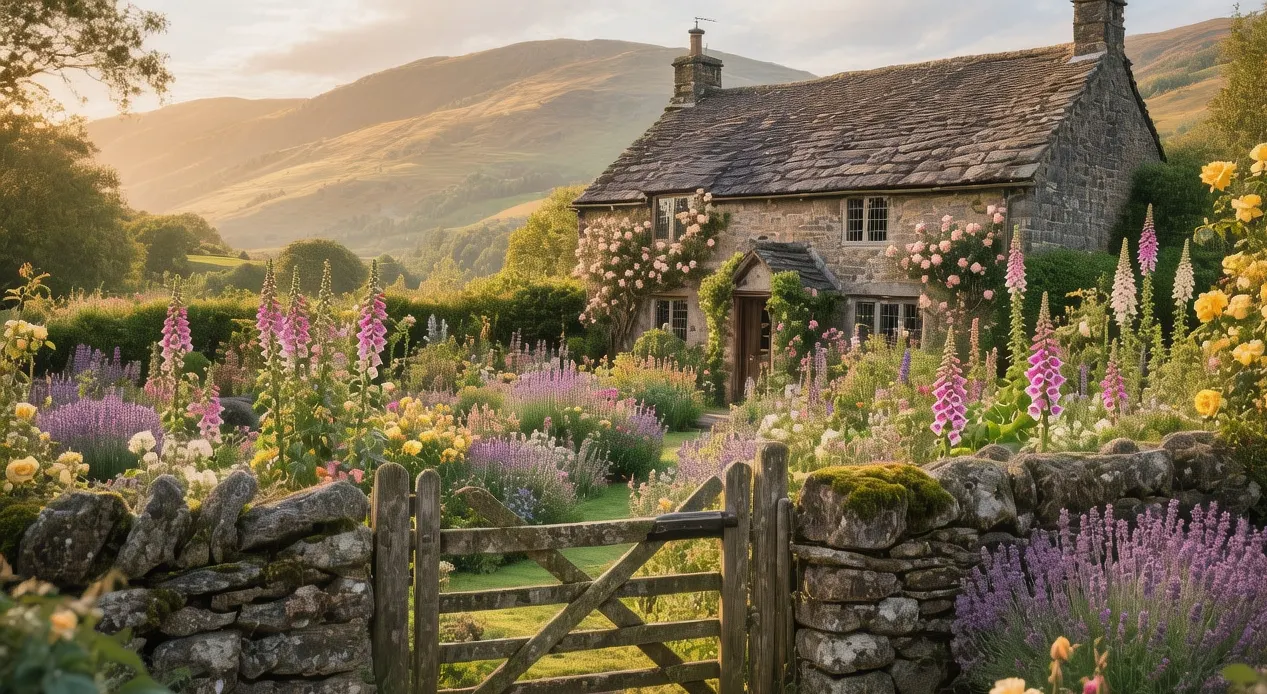
Beatrix Potter House Literary Magic Meets Lakeland Stone
9:00 AM breaks over Near Sawrey—a quiet village nestled between Windermere and Coniston, where the Beatrix Potter House stands sentinel behind a latched wooden gate. The air carries the sweet perfume of old boxwood hedges, the earthy scent of damp flagstones, and the distant lowing of Herdwick sheep grazing on the fells above. Sunlight spills through the sash windows of the 17th-century farmhouse, illuminating dust motes dancing above the original rocking chair where Potter once sketched Peter Rabbit. This is Hill Top, purchased in 1905 with royalties from The Tale of Peter Rabbit, preserved exactly as she left it upon her death in 1943. You step across the threshold into a time capsule: copper pans hang in the kitchen, china plates line the dresser, and the garden blooms with hollyhocks just as they did 120 years ago. In 2026, as digital distractions fragment our attention, the Beatrix Potter House matters now more than ever. It remains a tactile sanctuary—a place where you touch the same door handles as the author, where stories are rooted in soil rather than screens, and where the legacy of conservation lives in every stone. This is why you visit.
Why the Beatrix Potter House Embodies Literary Preservation
The Beatrix Potter House isn't merely a museum—it's a monument to one woman's vision of land stewardship intertwined with artistic creation. When Helen Beatrix Potter purchased Hill Top in 1905, she was 39 years old and financially independent due to the unprecedented success of her children's books. This purchase solved a fundamental personal need: escape from the confines of Victorian London society to a place where she could farm, write, and observe nature freely. The farmhouse itself measures approximately 200 square meters across two floors, constructed from local sandstone and slate with lime mortar that breathes with the Cumbrian weather. In 1943, upon her death, she bequeathed the property to the National Trust along with 4,000 acres of land, ensuring permanent protection. This act fulfilled a broader cultural need: preserving the Lake District's agrarian landscape from industrial development. Today, the house operates as a living archive, maintained by specialist conservators who use traditional techniques to repair the 300-year-old timber frames. The National Trust limits visitor numbers to 15 people per hour to prevent humidity damage to the watercolor sketches displayed in the attic. When you walk these floors, you traverse a layered history: Victorian domesticity, Edwardian literary success, and a contemporary commitment to heritage conservation that defines the future of historic sites.
The Best Time to Experience the Beatrix Potter House
The Beatrix Potter House reveals its true character during specific windows, though it operates seasonally from late March to October. The definitive experience occurs between May 20 and June 15. During this window, you'll experience average temperatures of 14–18°C (57–64°F), with the garden in full bloom featuring the hollyhocks Potter painted. Daylight stretches until 9:45 PM, providing ample time for walks after your timed entry slot. The light is crisp; shadows from the stone walls create dramatic photography conditions in the garden between 8:00–9:30 AM. For those seeking quieter browsing, weekday mornings (10:00–11:30 AM) offer a more intimate atmosphere with significantly fewer families on the premises.
Autumn—specifically September 10–28—provides a second peak experience, with temperatures cooling to 9–13°C (48–55°F) and the surrounding orchards turning gold. This is when you'll find seasonal produce in the nearby village shops. However, avoid August 24–31 unless you enjoy navigating crowds: this UK Bank Holiday period sees visitor numbers swell to 1,000 daily, with timed slots booking out weeks in advance and accommodation prices inflating by 40%. Winter (November–March) sees the house closed to protect the interiors from damp and cold. For real-time opening dates and ticket availability, verify current information at www.nationaltrust.org.uk/hill-top before your visit. Always book timed entry tickets at least 14 days in advance during peak season; walk-up availability is rare.
Approximate Budget for a 7-Day Trip (2026)
Near Sawrey and the surrounding Lake District accommodate various budgets, though 2026 prices reflect post-pandemic tourism recovery and 3.5% UK inflation. The following breakdown assumes mid-range travel with comfortable accommodations, local dining, and comprehensive exploration including multiple heritage site visits. Prices are listed in British pounds (£), the local currency.
- Accommodation: £110–£170 per night for a double room in a traditional Lakeland guesthouse or boutique B&B in Near Sawrey or Hawkshead. Lakeside properties in Windermere command premium rates (£190–£260), while villages like Graythwaite offer better value (£95–£130).
- Food: £50–£70 per day. Breakfast (£12–£16) typically includes Cumbrian sausage, local black pudding, and Lakeland Herdwick lamb bacon. Lunch (£15–£20) at village pubs: Cumberland sausage sandwich with chips, or a ploughman's with local cheese. Dinner (£30–£40) featuring regional specialties: sticky toffee pudding, Grasmere gingerbread, or fresh Windermere char fish.
- Transportation: Manchester Airport to Windermere train: £35–£50 return via Northern Rail (2 hours 15 minutes). Local bus day pass: £9.50 (Stagecoach 555/599 routes). Taxi from Windermere to Near Sawrey: £25 one-way. Car rental: £45–£65 per day plus £10–£14 daily parking in Hawkshead.
- Attractions: Beatrix Potter House entry: £16.50 adults. World of Beatrix Potter (Bowness): £16.50. Blackwell Arts & Crafts House: £14.50. Guided walking tour: £20–£35. Boat hire (Windermere): £20 per hour.
- Miscellaneous: Ordnance Survey Explorer Map OL7: £11.95. Local wool sweater: £75–£140. Beatrix Potter book collection: £50. Travel insurance: £35–£50 for the week.
Total estimated cost for 7 days: £1,400–£1,900 per person (based on double occupancy)
7 Essential Beatrix Potter House Experiences
- Enter through the garden gate: Arrive at your timed slot (e.g., 10:00 AM). Do not go straight to the house. Walk the garden path first, lined with hollyhocks and old-fashioned roses. This is where Peter Rabbit squeezed under the fence. Touch the stone walls warmed by the morning sun. The layout remains exactly as Potter designed it for her illustrations. Allow 20 minutes here before entering the house to understand the connection between landscape and art.
- Stand in the Kitchen: The heart of the home features a large open fireplace and copper pots hanging from beams. Notice the lack of modern appliances; Potter cooked on this range. The flagstone floor is worn smooth by centuries of footsteps. Stand quietly for a moment; you can almost hear the clatter of plates. The room is small, emphasizing the coziness that permeates her stories. Photography is prohibited here to protect the pigments on the walls.
- Explore the Attic Gallery: Climb the narrow wooden staircase to the top floor. This room houses the original watercolor sketches for The Tale of Tom Kitten and other works. The light is dim to preserve the paper; use your eyes, not flash. Look for the detailed brushwork on the animals' fur. The frames are original oak. This space reveals Potter not just as a writer but as a serious scientific illustrator. Spend 15 minutes examining the细节.
- Visit the Village of Near Sawrey: Walk 5 minutes from the house to the village center. Pop into the Post Office shop (open 9:00 AM–5:00 PM). Buy a jar of local honey or a postcard. The village shop looks much as it did in Potter's time, with wooden counters and glass jars. Speak to the shopkeeper about the community's history. It's a living extension of the house's legacy.
- Walk to Hawkshead: Follow the footpath from Hill Top to Hawkshead (2.5 kilometers). This is the route Potter walked daily to manage her farms. The path crosses streams and stone stiles. Wear waterproof boots as the grass is often damp. The walk takes 45 minutes and offers views across Esthwaite Water. It contextualizes the house within the wider landscape she loved and protected.
- Dine at the Tower Bank Arms: Return to Near Sawrey for lunch at this 17th-century inn (open 12:00–9:00 PM). Order the lamb stew (£18) in the low-beamed dining room. Potter was a regular here; her table is often reserved for special guests. The fireplace crackles even in summer. It's the perfect place to reflect on the visit while eating food sourced from the surrounding fells.
- Buy a Souvenir from the Trust Shop: End your visit at the official National Trust shop adjacent to the car park. Purchase a replica of the first edition of Peter Rabbit (£25) or a ceramic rabbit figurine (£35). Avoid plastic imports; choose items made by local artisans. The proceeds support the maintenance of the house. Wrap your purchase in the brown paper bags provided for a nostalgic touch.
3 Hidden Gems Most Travelers Miss
- Castle Cottage (Private Exterior): While Hill Top gets the crowds, Potter's later home, Castle Cottage, sits nearby in Near Sawrey. She lived here from 1923 until her death. Access: Walk 10 minutes from Hill Top toward the village center. It is privately owned and not open to the public, but the exterior is visible from the lane. It's overlooked because it lacks the museum label, but the garden walls and stone barns offer a quieter glimpse into her later life. Best visited: Late afternoon when tour buses have left. No photography of interiors.
- The Specimen Box at Hawkshead Grammar School: Located in the village of Hawkshead (15-minute walk), this museum houses Potter's natural history drawings and mycological studies. Access: Open April–October, 10:00 AM–4:00 PM. Entry £8. Most visitors head straight to Hill Top, missing this insight into her scientific rigor. The collection includes detailed fungus paintings used by scientists today. Insider tip: Ask the curator about her beetle collection; it's stored in the archives but sometimes displayed.
- The Folly Tower on Claife Heights: Across Esthwaite Water lies a historic viewing tower Potter would have seen from her garden. Access: Drive 10 minutes to Far Sawrey, park at the National Trust lot, and hike 20 minutes uphill. The tower offers a panoramic view back toward Hill Top. It's overlooked because it requires a hike, but the perspective reverses the view: you look at the house from the fells. Best light: Sunset. Bring a torch for the return walk.
Cultural & Practical Tips
- Respect the No Photography Rule: Inside the Beatrix Potter House, photography is strictly prohibited to protect the watercolors and textiles from light damage. Cameras must be bagged upon entry. You may photograph the garden and exterior. Violating this rule may result in removal from the site. Respect the conservation efforts.
- Wear Shoe Covers: Upon entry, you will be asked to wear felt shoe covers over your footwear. This protects the original wooden floorboards from grit and wear. Ensure your shoes fit securely underneath. Do not wear high heels that might damage the covers or the floor. This is a standard National Trust protocol for historic properties.
- Book Timed Entry in Advance: The house limits capacity to 15 visitors per hour. Tickets often sell out 2 weeks ahead during summer. Book online at the National Trust website. Arrive 15 minutes before your slot to park and walk to the entrance. Late arrival may result in denied entry without refund.
- Learn these Local Terms: "Fell" (hill/mountain), "Tarn" (small lake), and "Hefted" (sheep accustomed to specific land). Locals appreciate the correct terminology. When discussing the landscape, say "the fells" rather than "the mountains." It shows respect for Cumbrian dialect and heritage.
- Weather Preparation: The Lake District is wet. Even on sunny days, carry a waterproof jacket. The garden path can become muddy after rain. Wear sturdy walking shoes rather than sandals. The house is unheated in cooler months to preserve artifacts; dress in layers even in summer.
- Accessibility Information: The house is not wheelchair accessible due to narrow stairs and historic thresholds. However, the garden and exhibition barn are accessible. Virtual tours are available online for those unable to climb stairs. Contact the property at +44 15394 36269 for specific access queries before traveling.
- Support Conservation: Consider becoming a National Trust member (£90 per year) if you plan to visit multiple sites. Membership fees directly fund the maintenance of historic properties like Hill Top. Purchase guidebooks from the shop rather than online to support the local revenue stream.
Conclusion: Travel with Reverence, Not Just Recreation
The Beatrix Potter House in 2026 asks something different of you than mere sightseeing. This farmhouse—quiet, preserved, resilient—has witnessed centuries of rural life, literary creation, and now, global pilgrimage. But it also sustains a legacy of conservation that protected 4,000 acres of Lake District land from development. To travel here responsibly means understanding that you're not just touring a celebrity home but entering a sanctuary maintained by strict environmental and historical protocols. Walk softly on these floorboards; they've carried farmers, authors, and conservators for generations. Choose the weekday visit over the crowded weekend. Listen to the guide's stories about Potter's farming life, not just her books. Buy the local honey, not the imported souvenir. Let the Beatrix Potter House change you, not just entertain you. In an age of mass tourism and digital detachment, this is how we ensure that 2026's visitors don't become the generation that loved this place to death. The house will still be here in 2126—if we treat it not as a commodity to consume but as a legacy to protect.